
Engineered Heavy-Duty Valves Ready for Global Procurement
Direct factory configurations manufactured with certified castings, in-house vulcanized rubber liners, and 100% shell-and-seat hydrostatic verification.
Why Bronze Disc Metallurgy Solves Severe Marine & Saline Degradation
Standard austenitic stainless steels like AISI 304 and 316 exhibit critical vulnerabilities in stagnant or warm chlorinated seawater. Discover how Aluminum Bronze disc alloys mitigate pitting, crevice attack, and microbiological colonization.
ASTM B148 C95800 / NAB Integrity
Nickel-Aluminum Bronze (NAB) forms an intrinsic cuprous oxide and aluminum oxide self-healing protective film. Unlike passivated stainless steels that risk catastrophic pitting when oxygen is depleted in closed pockets, NAB dynamically regenerates its protective skin even under high-velocity saltwater shear.
De-Aluminification Resistance
Improper copper casting results in unstable gamma-2 phase boundaries that leach aluminum in saline conditions. Tianjin Top Valve subjects all bronze castings to precise post-solidification thermal normalization, transforming brittle microstructures into tough alpha + kappa phases that guarantee prolonged yield strength.
Anti-Biofouling & Barnacle Resistance
Copper-bearing bronze discs continually discharge trace copper ions at sub-micron surface layers. This micro-toxicity discourages macro-algae, barnacles, and bacterial biofilms from anchoring onto the disc sealing face, maintaining low operating torque and preventing seat tearing over decades of seawater service.
Strategic Sourcing Requirements for Global Infrastructure Projects
International mechanical contractors and plant operators require seamless lifecycle compliance, low maintenance overhead, and localized connection interchangeability.
Desalination Plants (SWRO)
High Total Dissolved Solids (TDS up to 45,000 ppm) combined with operational pressures up to 16 Bar demand bronze disc resilience across pre-treatment seawater intake, brine reject conduits, and energy recovery loops without risk of galvanic pitting.
Commercial Shipbuilding & BWTS
Ballast Water Treatment Systems (BWTS) and marine bilge loops require compact wafer and lug valves compliant with classification standards (DNV, Lloyd’s, ABS). Lightweight bronze disc assemblies minimize deadweight while handling raw ocean water.
Coastal HVAC Cooling Towers
Harsh coastal atmospheres accelerate galvanic exterior breakdown. Combining ductile iron bodies coated in high-build fusion bonded epoxy (FBE) with bronze disc trims and EPDM/NBR seats provides an optimal cost-to-longevity ratio for mega-resorts and data centers.
Municipal Potable Water Networks
Demanding WRAS-compliant elastomeric linings paired with lead-free or low-leach bronze disc alloys guarantees toxicological compliance across urban drinking pipelines without imparting taste, odor, or chemical contaminants into clean supply grids.
Disc Material Performance in Seawater & Aggressive Chemistry
Objective comparative data analyzing metallurgy, corrosion resistance, tensile properties, and cost indices across modern valve trim configurations.
| Alloy Grade & Trim Spec | Tensile Strength (MPa) | Resistance to Seawater Pitting | Biofouling Tendency | Typical Flange Standards | Capital Cost Index |
|---|---|---|---|---|---|
| ASTM B148 C95800 (Nickel-Aluminum Bronze) Standard NAB | ≥ 585 MPa | Exceptional (Passivates via Al2O3/Cu2O complex) | Very Low (Continuous copper ion barrier) | EN 1092 PN10/16, ASME Cl. 150, JIS 10K | Moderate (Optimal TCO) |
| ASTM B148 C95400 (Commercial Aluminum Bronze) | ≥ 515 MPa | High (Recommended for low velocity brackish) | Low | ASME B16.5 Cl. 125/150, BS 4504 | Economical |
| ASTM A351 CF8M (316 Stainless Steel) | ≥ 485 MPa | Poor in stagnant chloride (Susceptible to crevice attack) | Moderate to High (Algal adherence) | Universal Drill Pattern | Standard Benchmark |
| ASTM A890 4A (2205 Duplex Stainless Steel) High Alloy | ≥ 655 MPa | Excellent (High PREN rating ≥ 34) | Moderate (Requires frequent biocidal wash) | ASME Cl. 150/300, EN 1092 PN25 | High |
| PTFE-Lined Stainless Steel (Chemical Trim) | Body Dependent | Immune to chemical oxidation up to 180°C | Ultra Low (Non-stick fluoropolymer) | DIN, ANSI, JIS | Premium Specialized |
The Vertical Integration Advantage: From Foundry to Rubber Press
Eliminating trading intermediaries and outsourced sub-vendors guarantees complete batch traceability, rigorous chemical verification, and unmatched price stability.
Independent Body & Disc Foundry
Operating since 1996 through Tianjin Donglian Valve Factory, our metallurgical foundry features direct optical emission spectrometry. Every melt of ductile iron (QT450-10) and aluminum bronze undergoes elemental spectral analysis before casting pour, ensuring zero porosity and compliant elongation.
Proprietary Rubber Seat Compounding
Valves fail first at the elastomeric seal. Leveraging Tianjin Dongfang Rubber Factory (operating since 1987), we blend, mill, and vulcanize our own virgin EPDM, NBR, and Viton liners. This enables exact shore-A hardness optimization and minimal compression set over high open-close cycle counts.
CNC Precision & 100% Hydrostatic Test
Multi-axis horizontal machining centers finish spherical disc edges to mirror profiles (Ra ≤ 0.4 µm) to minimize operating torque. Prior to export crating, every valve unit undergoes automated hydrostatic shell (1.5x PN) and pneumatic bubble-tight seat (1.1x PN) inspection according to API 598 and ISO 5208.
Next-Generation Butterfly Valve Technological Innovations
How digital diagnostic feedback, hydrodynamic disc contouring, and nano-composite materials are redefining heavy industrial fluid isolation.
Elimination of cross-disc taper pins via internal spline or double-D stem drive profiles. Removes through-disc leak paths, simplifies onsite seat replacements, and improves flow coefficients (Cv) by 12%.
Infusing graphene and carbon nano-tubes into virgin EPDM elastomers to elevate continuous thermal threshold to 150°C and double cycle-life resistance against high-frequency valve modulating throttling duty.
Direct integration of micro-sensors tracking stem packing emissions, dynamic operating torque variations, and micro-cavitation spikes, relaying preventative diagnostics straight to cloud SCADA controllers.
100% recyclable lead-free bronze alloys combined with low volatile organic compound (VOC) fusion-bonded electrostatic powder coatings compliant with EU REACH and Green Building LEED requirements.
Complementary Industrial Valves for Turnkey Project Packages
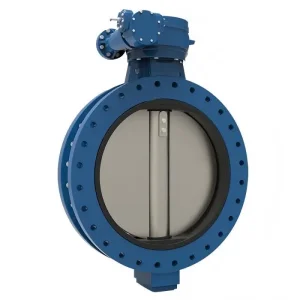
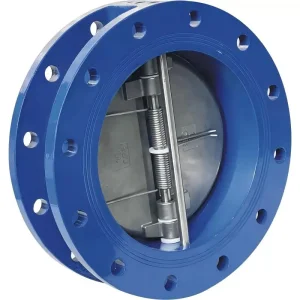
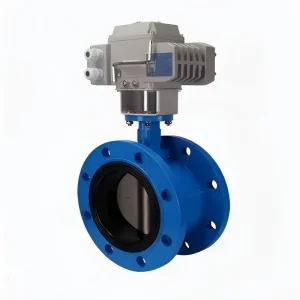
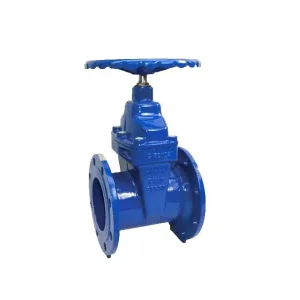
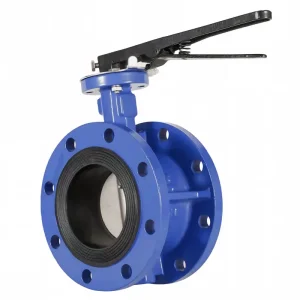
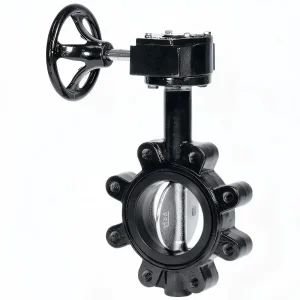
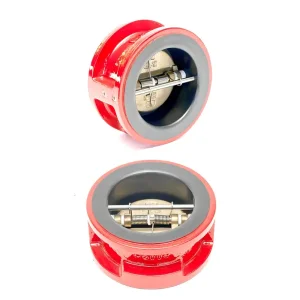
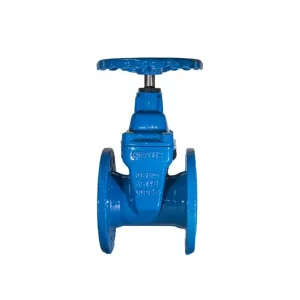
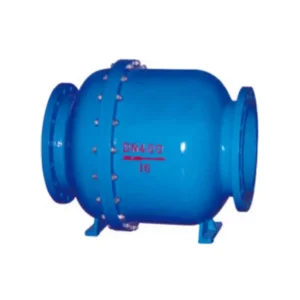
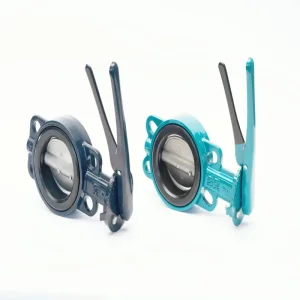
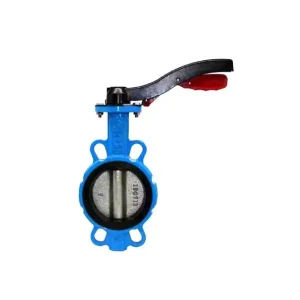
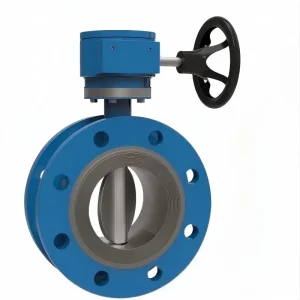
Explore our broader flow control portfolio, including actuator-ready flanged butterfly valves, non-slam check assemblies, and elastic seated gate units.
Certified Standards Protecting Buyer Capital and Operational Safety
Our manufacturing processes comply with leading international quality management protocols, enabling transparent third-party witness testing and factory acceptance audits.
ISO 9001 / 14001 / 45001 Systems
Fully integrated enterprise quality, occupational safety, and environmental stewardship systems certified annually. Every stage from raw ingot charging to crating is governed by formalized standard operating procedures (SOPs).
CE-PED 2014/68/EU & WRAS Compliance
Pressure Equipment Directive (CE Mark) conformity for European union fluid handling networks. Dedicated potable models (e.g., 4020G, 4325G) feature WRAS approval certifying microbiological hygiene and toxicological safety for human drinking supply lines.
Live Remote Video Factory Audits
International buyers and third-party inspectors (DNV, SGS, Bureau Veritas, Lloyd’s Register) can conduct digital walkthrough audits. Examine CNC milling cells, monitor spectrometry tests, and witness live pressure gauge drop tests in real-time.
Frequently Asked Questions by Industrial Valve Specifiers
Direct answers addressing alloy selection, flange standards, lead times, pressure classes, and custom actuation engineering.
What are the key metallurgical advantages of choosing ASTM B148 C95800 Nickel-Aluminum Bronze (NAB) disc over CF8M (316SS)?
While 316 Stainless Steel (CF8M) relies on a passive chromium oxide film that easily breaks down in warm, low-oxygen, high-chloride saline pockets (causing rapid pitting and crevice corrosion), ASTM B148 C95800 NAB inherently produces an adherent cuprous oxide/aluminum oxide surface layer. This protective barrier rapidly reforms upon mechanical abrasion or cavitation. Furthermore, the presence of 4-5% nickel and iron optimizes resistance against velocity shear erosion and bio-adhesion, providing an operational lifespan that frequently triples that of austenitic stainless steel in seawater intake manifolds.
Can your bronze disc butterfly valves be supplied to match international flange drilling standards?
Yes. Our wafer, lug, and double-flanged body patterns are engineered with universal locating holes and multi-standard drilling configurations. We regularly machine body bolt circles to conform with ASME/ANSI B16.1 Class 125, ASME B16.5 Class 150, EN 1092-2 (PN10/PN16), BS 4504, AS 2129 Table E/D, and JIS B2239 (5K/10K). Custom face-to-face requirements per ISO 5752 series 20 or DIN 3202 are standardly accommodated.
How does Tianjin Top Valve ensure zero internal porosity and cavity defects in raw bronze castings?
Our group foundry (Tianjin Donglian Valve Factory, founded in 1996) integrates custom bottom-pour casting systems with computer-simulated mold solidification to avoid thermal hot spots. Every batch undergoes optical emission chemical analysis and non-destructive hydrostatic shell pressure testing at 1.5 times the designated working pressure. Radiographic or dye-penetrant non-destructive testing (NDT) can be documented for critical offshore or nuclear intake duty upon request.
What elastomer seat configurations are available, and how are they compounded in-house?
Operating our own rubber manufacturing plant (Tianjin Dongfang Rubber Factory, founded in 1987), we compound our elastomers internally to control elasticity, curing density, and chemical resilience. Options include WRAS-approved Potable EPDM (-20°C to +120°C), High-NBR for hydrocarbons and oily seawater (-10°C to +90°C), Viton/FKM for aggressive thermal chemicals (up to +180°C), and PTFE/Teflon bonded backings for low-friction sanitary and chemical media.
What are the options for actuator automation and torque requirements?
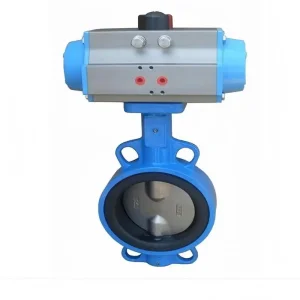
All butterfly valves are built with standardized ISO 5211 top mounting flanges, allowing direct assembly of bare-shaft quarter-turn actuators without aftermarket brackets. We supply factory-calibrated double-acting or spring-return pneumatic actuators, multi-voltage intelligent on/off or modulating electric actuators (4-20mA / Modbus), as well as IP67/IP68 worm-gear operators with locking handwheels and chainwheel drives for elevated piping.
What export logistics, crating standards, and factory inspection terms apply to wholesale containers?
Valves are wiped dry, protective plastic end-caps are secured to flange faces, and individual units are sealed in heavy-gauge anti-moisture vapor bubble wraps before packing in heat-treated ISPM-15 compliant solid plywood crates. We provide comprehensive mill test certificates (EN 10204 3.1), hydro-test logs, and welcome factory acceptance tests (FAT) in person or via high-definition live streaming.
Request Complete Valve Catalogs, 3D CAD & Sourcing Quotes
Collaborate directly with our valve engineering division. Send us your pipeline media, temperature ranges, line pressures, and connection standards for an exact technical quotation within 24 hours.
