
Engineered Flow Control Series (Batch I)
Industrial valves verified for high-pressure sealing, microbiological non-toxicity, and severe cycling longevity.
-
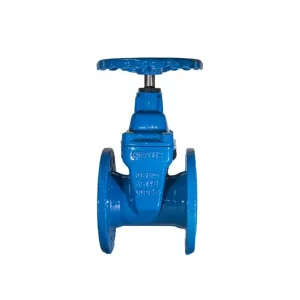 Anti-Abrasion Elastic Seat Gate Valve with Reinforced SeatExplore Specifications
-
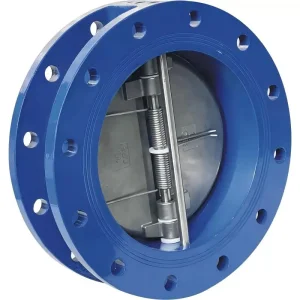 CE Certification Dual Plate Check Valve Backflow PreventionExplore Specifications
-
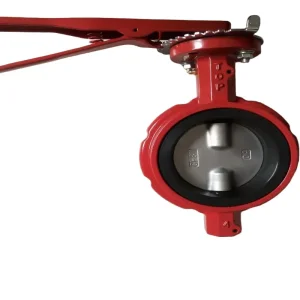 Lugless Semi-Shaft Wafer Butterfly Valve ConstructionExplore Specifications
-
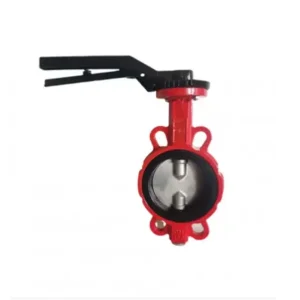 Double Half Shaft Low-Torque Wafer Butterfly ValveExplore Specifications
-
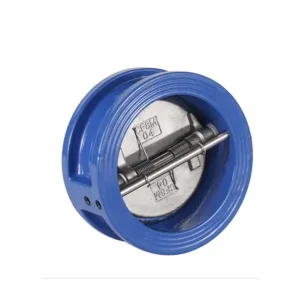 High-Performance Dual Plate Wafer Check Valve for High-FlowExplore Specifications
-
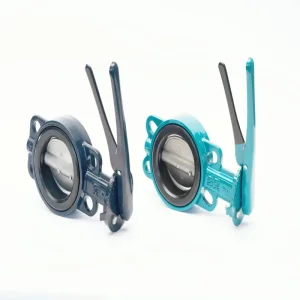 CE Certification Water-Safe Wafer Butterfly ValveExplore Specifications
-
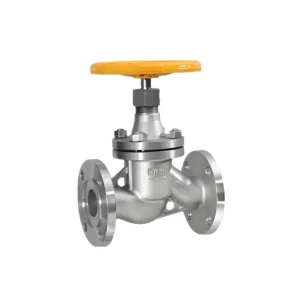 Straight-Through Ammonia Industrial Globe ValveExplore Specifications
-
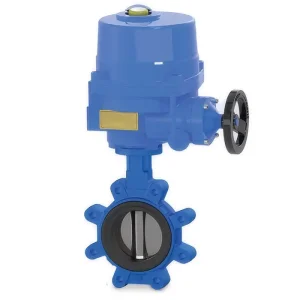 Intelligent Actuated Electrical Wafer Butterfly ValveExplore Specifications
Technical Whitepaper: Engineering WRAS Wafer Butterfly Valves
Addressing global sanitization mandates, mechanical hysteresis, and microbiological safety in potable water pipelines.
In modern municipal utility projects and industrial facility engineering, the specification of a WRAS wafer butterfly valve goes far beyond basic hydraulic isolation. The UK Water Regulations Approval Scheme (WRAS) sets the definitive global benchmark for preventing water contamination, microbial proliferation, and cytotoxic leaching. Resilient-seated concentric wafer butterfly valves engineered under these criteria represent an optimal balance between low hydrodynamic resistance, compact face-to-face installation envelopes (per BS EN 558 series 20/ISO 5752), and prolonged biosecurity.
Unlike conventional industrial valves where elastomeric compound selection prioritizes cost or crude mechanical resilience, WRAS-approved models demand specialized EPDM (Ethylene Propylene Diene Monomer) compounding. This chemical formulation guarantees zero cytotoxicity, exceptional resistance to chloramine degradation, and total compliance with BS 6920 test protocols (suitability of non-metallic materials for use in contact with water intended for human consumption). With Tianjin Top Automation Equipment Co., Ltd.’s integrated historical foundry and rubber vulcanization assets operating since 1987, mechanical tolerances and material purity are monitored continuously across every phase of production.
Zero Microbiological Leaching
Compound matrices pass rigorous testing against organism growth (BS 6920 Part 1 Clause 6), ensuring zero biofilm nutrient contribution in treated water systems.
Optimized Hydrodynamic Disc
Streamlined disc geometry delivers high Cv/Kv flow coefficients, mitigating turbulent vortex shedding and minimizing energy consumption across continuous pumping loops.
Pinless Stem Integrity
Through-shaft or double-half-shaft splined designs isolate fluid channels from penetrating pins, removing potential galvanic micro-cells and leakage pathways.
Localized Application Architectures & Field Duty
Precision integration across regional water grids, commercial complexes, desalination skids, and district utilities.
UK & European Potable Mains
Engineered to satisfy Water Supply (Water Fittings) Regulations 1999 across United Kingdom water authorities and European utilities requiring strict EN 1092 PN10/PN16 flange compatibility and sanitary shut-off integrity.
District Cooling & Modern HVAC
Applied widely in Gulf Cooperation Council (GCC) chiller header loops, chilled water circulation, and thermal energy storage where condensation management, low operating torque, and bi-directional shut-off prevent energy degradation.
Desalination Skid Modules
Paired with high-alloy Aluminum Bronze (C95800) or Duplex Stainless Steel discs, these valves serve within pre-treatment and permeate manifold racks of reverse osmosis (RO) plants globally without pitting or crevice corrosion.
| Nominal Size | Pressure Class | Body Material | Disc Substrate | Seat Elastomer | Applicable Standards |
|---|---|---|---|---|---|
| DN40 - DN1200 (1.5" - 48") | PN10, PN16, Class 150 | Ductile Iron (EN-GJS-450-10 / ASTM A536) | SS316 / SS304 / Al-Bronze / Ni-Plated | WRAS EPDM (Potable Safe) | BS EN 593, BS EN 558, ISO 5211 |
| DN50 - DN600 (2" - 24") | PN16, PN25 | Cast Steel (WCB) / Stainless Steel | CF8M / Super Duplex 2507 | High-Purity PTFE / Virgin Teflon | API 609 Cat A, ASME B16.42 |
| DN50 - DN300 (2" - 12") | PN10 / PN16 Universal | Ductile Iron with Epoxy Coating >250μm | Hastelloy C / Ceramic Coated | NBR Food-Grade / Silicone | BS EN 12266-1 Rate A (Bubble Tight) |
Integrated Manufacturing: The In-House Foundry Advantage
Vertical mastery from molten iron formulation to proprietary elastomer vulcanization inside Tianjin industrial zones.
In global industrial procurement, systemic supply-chain disruption frequently arises from outsourced dependencies—where valve casing foundries and polymer seat suppliers operate without centralized quality tracking. Tianjin Top Automation Equipment Co., Ltd. eliminates this vulnerability through strategic industrial consolidation. Backed by our sister corporations, Tianjin Donglian Valve Factory (established 1996) and Tianjin Dongfang Rubber Factory (founded 1987), all key valve elements are created within our dedicated 23,000 m² campus.
Because elastomer compression set and cure kinetics govern the operational life of a wafer butterfly valve, direct rubber engineering is decisive. Our internal physical and chemical laboratory regulates polymer cross-linking density, Mooney viscosity, and antioxidant compounds. This control guarantees that our WRAS-approved EPDM liners achieve exceptional mechanical recovery under prolonged torque stress. Concurrently, our independent foundry runs spectroscopic analysis on every melt of ductile iron (ensuring spheroidization >90% and tensile strength >450 MPa) before components proceed to multi-axis CNC machining centers.
Dual-Foundry Resilience
Uninterrupted body casting runs shield clients from upstream bottleneck volatility, supporting steady monthly output for major utility schedules.
Polymer Compounding Control
Over 35 years of in-house vulcanization expertise ensures pristine rubber purity, precise tensile memory, and strict adherence to WRAS hygiene specs.
Direct Traceability (Heat & Batch)
Complete traceability links raw ingots, rubber polymer batches, CNC operator shifts, and pressure leak records directly to valve serial numbers.
Technology Roadmap & Next-Gen Smart Flow Systems
The progression of resilient seating towards predictive IoT telemetry, decarbonized metallurgical forging, and extreme cycles.
Phase I: Digital Actuation & Telemetry
Integration of low-power Modbus/IO-Link diagnostic sensors embedded within the ISO 5211 direct-mount actuator bracket, tracking travel profiles, torque surges, and early seat fatigue.
Phase II: Advanced Bio-Inert Polymers
Formulation of cross-linked nano-composite elastomers capable of resisting continuous super-chlorination cycles (up to 50 ppm for sanitization flushing) without embrittlement or compression deformation.
Phase III: Carbon-Neutral Foundry Production
Electrification of scrap pre-heating systems and closed-circuit sand-reclamation technologies to cut Scope 1 and 2 embedded carbon emissions per valve unit by 42% by 2028.
Localization, Global Quality Verification & Testing
Comprehensive alignment with international drilling dimensions, third-party validation, and protective ocean transport.
A frequent hurdle faced by international engineering procurement firms sourcing from Asia is dimensional mismatch at local job sites. Our wafer butterfly valve lines feature universal locating holes engineered to center between multiple standard flanges—including EN 1092-2 PN10/PN16, ASME B16.1 Class 125, ASME B16.5 Class 150, BS 10 Table E, and JIS B2239 10K. This design simplifies inventory holding for international distributors and EPC contractors managing multinational operations.
Each manufactured unit undergoes stringent quality inspections before leaving our facility. Valve pressure testing is carried out in line with EN 12266-1 and API 598. Every valve is subjected to shell hydrostatic pressure tests at 1.5× PN, as well as bi-directional low-pressure pneumatic and high-pressure hydrostatic seat closure tests at 1.1× PN—consistently confirming Rate A (bubble-tight) performance. Furthermore, finished valves are treated with electrostatically applied, non-porous fusion-bonded epoxy (FBE) coating (minimum thickness 250 μm), insulating the iron casting against corrosive soils and harsh marine ambients.
100% Rate A Closure Verification
Every single valve is hydrostatically and pneumatically verified at zero allowable seat leakage before dispatch. Comprehensive 3.1 material test certificates accompany shipments.
Corrosion Barrier Protection
Electrostatically applied WRAS-approved Fusion Bonded Epoxy (FBE) delivers a non-porous finish, resisting 1000-hour salt spray exposure and aggressive groundwater environments.
Export Seaworthy Packaging
Individual shock-absorbing bubble envelopes, disc locking stabilizers, and treated plywood enclosures prevent seal degradation and stem damage across ocean transit.
Frequently Asked Questions (Technical & Procurement FAQ)
Key information regarding WRAS compliance, elastomeric properties, flange drilling, and global project engineering.
Engineered Flow Control Series (Batch II)
Extended industrial portfolio covering pneumatic, chemical, check, ball, and high-pressure butterfly valve solutions.
-
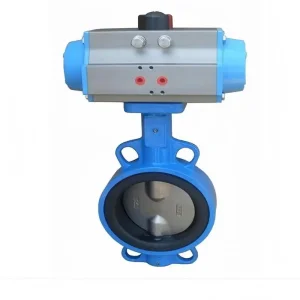 Pneumatic Actuated Rapid Control Butterfly ValveExplore Specifications
-
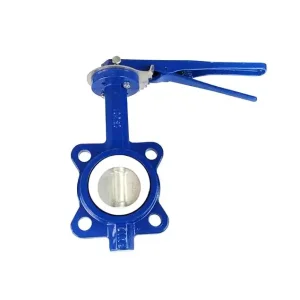 PTFE Lined Pinless Corrosive Fluid Butterfly ValveExplore Specifications
-
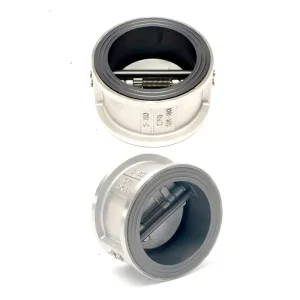 Compact Wafer Lift Check Valve Low-Pressure DropExplore Specifications
-
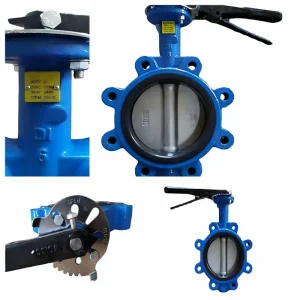 WRAS Approved Lug Type Butterfly Valve 4325LExplore Specifications
-
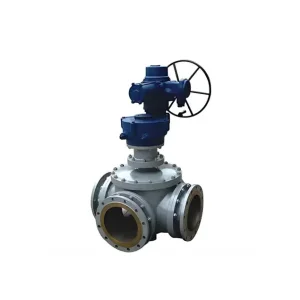 Three-Way Flange Ball Valve for Emergency DiversionExplore Specifications
-
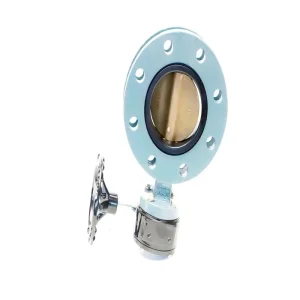 High-Pressure Metal Hard Seal Butterfly Valve SeriesExplore Specifications
-
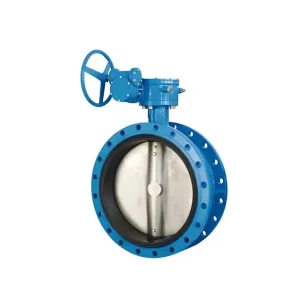 Low-Torque Flange Type Industrial Butterfly ValveExplore Specifications
-
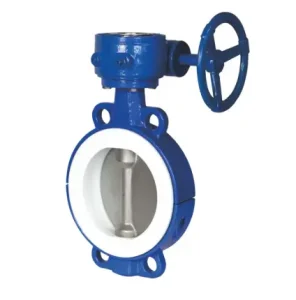 PTFE Lined Severe Corrosion Resistant Butterfly ValveExplore Specifications
