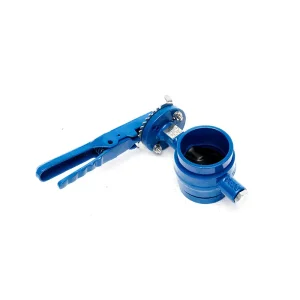
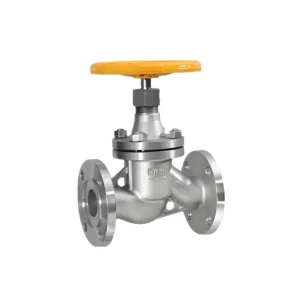
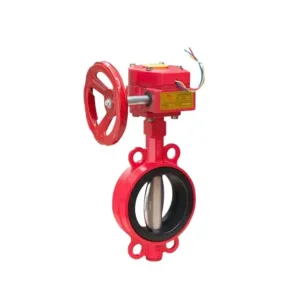
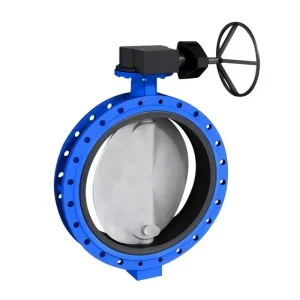
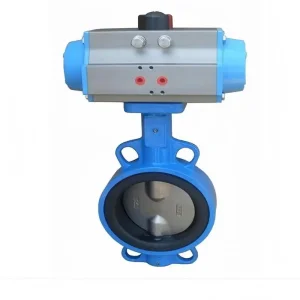
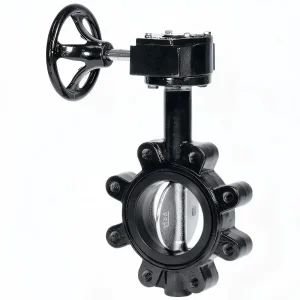
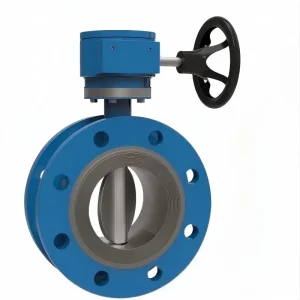
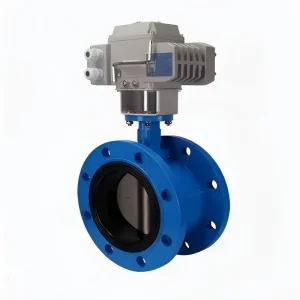
Engineering-Grade Industrial Valves: Quick Procurement Grid
Direct-from-foundry butterfly, ball, check, and plug valves engineered for bubble-tight bi-directional isolation, zero fugitive emissions, and extended duty cycles.
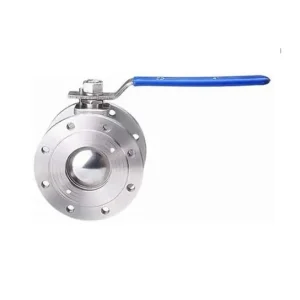
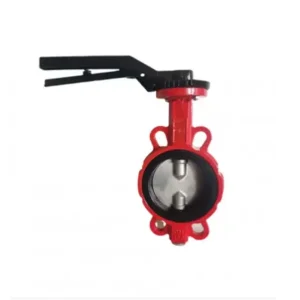
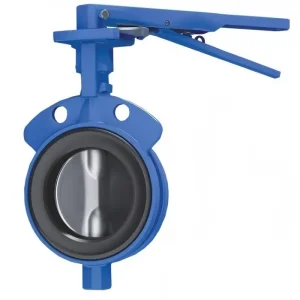
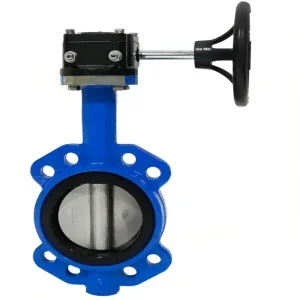
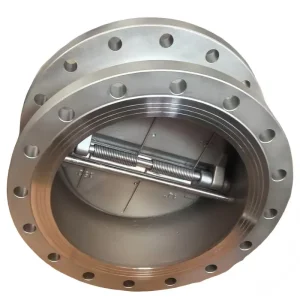
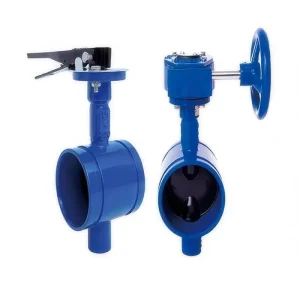
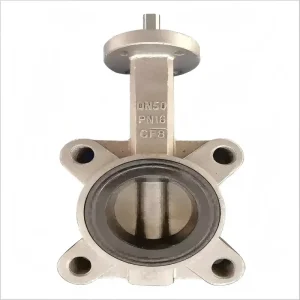
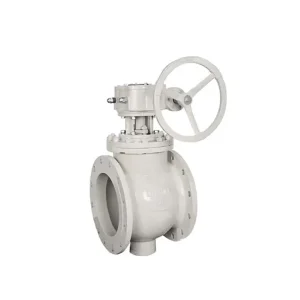
Engineering the Ultimate Resilient-Seated Wafer Butterfly Valve
An in-depth metallurgical and mechanical analysis of concentric quarter-turn valve systems, addressing hydrodynamic torque mitigation, elastomer resilience, and life-cycle asset optimization.
In modern piping networks across water treatment, district cooling, desulfurization, and industrial utilities, the resilient-seated wafer butterfly valve serves as the primary mechanism for bidirectional isolation and precise modulating control. Characterized by its compact face-to-face dimensions complying with ISO 5752 Series 20, EN 558 Series 20, and API 609 Table 1, the wafer architecture offers an unmatched strength-to-weight ratio compared to heavy flanged gate or globe valves. However, procurement specialists and pipeline project directors frequently encounter operational issues including rapid seat deformation, galvanic corrosion across disc-stem interfaces, high dynamic operating torque, and micro-leakages around shaft penetrations. Resolving these engineering hurdles requires vertical integration—controlling the supply chain from raw metal melt to polymer vulcanization.
Hydrodynamic Hydrofoil Disc Profiling
Standard planar butterfly discs induce high turbulence, flow separation, and significant pressure drop (ΔP), leading to localized cavitation at velocities exceeding 3.5 m/s. Our advanced contoured disc geometry streamlines the fluid path, substantially increasing the flow coefficient (Cv/Kv) by up to 22% while drastically mitigating hydrodynamic closing torque.
Dry-Shaft & Pinless Drive Architecture
Traditional pinned butterfly discs introduce through-hole leak paths and stress concentration fractures under water hammer conditions. By implementing a high-precision internal square, double-D, or splined drive mechanism inside the encapsulated disc hub, the primary medium never contacts the stem metallurgy, eliminating galvanic corrosion risks entirely.
In-House Precision Elastomer Compounding
Operating our specialized rubber research plant (Tianjin Dongfang Rubber Factory, established 1987), we compound proprietary EPDM, NBR, FKM, and PTFE blends. Controlled peroxide-curing processes ensure compression sets remain below 18% after 100,000 continuous operating cycles, completely eradicating permanent seal creep and leakage.
China Factory 4.0: Vertical Integration from Raw Foundry to Export Port
Eliminating third-party subcontracting risks through an integrated 23,000 m² modern manufacturing ecosystem engineered for total material traceability and ultra-tight dimensional tolerances.
Automated Induction Foundry
Independent casting lines producing Ductile Iron (EN-GJS-400-15 / ASTM A536 65-45-12), WCB Carbon Steel, and C95800 Nickel Aluminum Bronze with continuous spectroscopic optical emission analysis (OES) verifying spheroidization rates exceed 85%.
Multi-Axis CNC Machining
Precision multi-axis horizontal and vertical CNC machining centers mill disc edges with spherical micro-finishes (Ra ≤ 0.4 µm). This eliminates micro-abrasions against the vulcanized liner, dramatically cutting operational actuation torque by up to 30%.
Epoxy Electrostatic Coating
Fully automated fluidized bed and electrostatic thermal powder deposition apply high-purity non-toxic epoxy coatings exceeding 250 µm thickness (AkzoNobel Resicoat), certified under WRAS / NSF-61 with 0% holiday testing under 3.0 kV high-voltage spark detectors.
100% Digital Hydrostatic Auditing
Every single valve undergoes pressure testing per EN 12266-1 Rate A and API 598. Shell tests at 1.5× PN rating and bidirectional seat tests at 1.1× PN rating ensure absolute zero-bubble shut-off before computerized packaging and container loading at Tianjin Seaport.
Engineering Specification Matrix: Wafer Butterfly Valve Series
Comprehensive design standards, pressure classes, materials of construction, and international flange standard interoperability for global procurement vetting.
| Engineering Parameter | Standard Specification Baseline | Optional High-Performance Alloys & Upgrades | Applicable Engineering Codes |
|---|---|---|---|
| Nominal Size Range | DN40 – DN1200 (1.5 Inch to 48 Inch) | Custom Large Diameter to DN2400 (96 Inch) | EN ISO 6708, ASME B16.10 |
| Pressure Ratings | PN10, PN16, Class 150 (232 PSI) | PN25, Class 300 (High-Pressure Series) | EN 1333, ASME B16.34 |
| Body Metallurgy | Ductile Iron (GGG40 / EN-GJS-400-15 / A536) | WCB, CF8M (SS316), Duplex 2205, C95800 Bronze | ASTM A536, EN 1563, ASTM A351 |
| Disc Profiles | SS304, SS316, Ductile Iron with Nylon 11 | Alloy 20, Hastelloy C276, Ceramic Composite, PTFE Lined | ASTM A276, EN 10088-3 |
| Stem Metallurgy | SS416, SS420 (High-Tensile Quenched & Tempered) | 17-4PH (UNS S17400), Monel K-500, SS316L | ASTM A564, API 609 Anti-Blowout |
| Resilient Elastomer Liners | High-Grade WRAS EPDM (-20°C to +120°C), NBR | Viton / FKM (+150°C), Hypalon, Food-Grade White Silicone | FDA 21 CFR 177.2600, WRAS BS6920 |
| Universal Flange Drilling | Multi-standard alignment lugs (Universal Pattern) | EN 1092-2 PN10/16, ASME B16.5 Cl.150, JIS B2239 10K | ISO 7005, BS 4504, AS 2129 |
| Actuator Interface | ISO 5211 Standard Top Flange (F05 to F25) | Lockable 10-Position Lever, IP68 Heavy-Duty Worm Gear, Pneumatic, 4-20mA Intelligent Modulating Electric | ISO 5211, DIN 3337, NAMUR VDI/VDE |
Engineered Fluid Solutions for Critical Global Infrastructure
Analyzing operating environments, media degradation hazards, and targeted valve configurations across top industrial deployment categories.
Municipal Potable Water Distribution & Desalination
Potable water transmission demands non-leaching, taste-free materials compliant with WRAS and NSF certifications. For SWRO (Seawater Reverse Osmosis) desalination facilities, raw ductile iron rapidly pits; we supply Nickel Aluminum Bronze (ASTM B148 C95800) or Super Duplex 2507 discs paired with high-molecular-density peroxide-cured EPDM, successfully withstanding chloride concentrations exceeding 38,000 ppm.
Commercial HVAC, District Cooling & Chilled Water
Central chiller plants and high-rise thermal energy networks encounter rapid temperature cycling and continuous condensation. Our wafer butterfly valves integrate extended neck designs (50mm clearance) permitting complete insulation jacket application without obstructing manual lever or electric actuator operation, while preventing ambient dew-point sweating that destroys standard gearboxes.
Marine & Shipbuilding Ballast Water Systems
Subject to stringent DNV, Lloyd's Register, and ABS standards, shipboard ballast and bilge systems face extreme vibration and aggressive biofouling. Our wafer butterfly valves feature pinned-less, high-tensile 17-4PH blowout-proof shafts coupled with vulcanized hard-backed rubber seats that cannot slip or roll under alternating dynamic sea chest pressures.
Flue Gas Desulfurization (FGD) & Abrasive Slurry
Thermal power generation wet FGD scrubbers present combined acid corrosion (dilute sulfuric/sulfurous acids) and high mechanical erosion from gypsum slurries. We deliver specialized Ultra-High Molecular Weight (UHMWPE) or ceramic composite discs paired with chlorobutyl or fluoroelastomer linings, tripling service lifespans relative to standard 316SS valves.
Chemical Processing & High-Purity Utilities
For aggressive solvents, acids, and deionized DI-water lines, our fully encapsulated PFA/PTFE lined butterfly valves feature an isostatically molded lining minimum 3.0mm thick, with silicone backup energizers providing continuous positive sealing pressure against thermal cycling from -20°C to 180°C.
Industrial Fire Protection Systems (Sprinkler Infrastructure)
Certified for life-safety systems, our UL-listed and FM-approved wafer butterfly valves incorporate factory-installed internal supervisory tamper switches for electrical supervisory circuits, ensuring remote telemetry confirmation of open/closed valve statuses across high-rise facilities.
Global Regulatory Compliance & Localized Technical Support
De-risking international engineering procurement through stringent testing documentation, third-party approvals, and 24-hour engineering turnaround.
Certified Drinking Water Compliant
Selected butterfly models (including 4020G, 4020L, 4325G, and 4325L) hold official WRAS (Water Regulations Advisory Scheme) accreditation under BS 6920. Every synthetic elastomer batch undergoes cytotoxicity, taste, and microbial growth testing to ensure 100% compliance with potable water mandates.
CE / PED 2014/68/EU & ISO Framework
Fully compliant with the European Pressure Equipment Directive (PED Category III Module H), certified under Bureau Veritas. Our manufacturing infrastructure is audited annually under ISO 9001:2015, ISO 14001:2015 environmental standards, and ISO 45001:2018 workplace safety standards.
EN 10204 3.1 Material Traceability
Every shipment includes comprehensive 3.1 inspection certificates documenting chemical composition spectrometry, mechanical yield and tensile strength, Charpy V-notch impact values, and digital hydrostatic pressure logs permanently tied to valve body heat numbers.
Global Enterprise Sourcing: Mitigating Total Cost of Ownership (TCO)
Why initial acquisition purchase price represents less than 15% of an industrial valve’s lifecycle expenditure in continuous process environments.
The Hidden Cost of Low-Grade Valves
Budget valves from non-integrated trading shops frequently utilize scrap iron casting mixes and low-grade sulfur-cured scrap rubber seats. This results in seat swelling, tearing, and pin shear within 6 to 18 months of operation. The cost of plant shutdown, crane rental, scaffolding, line draining, and pipeline re-welding outweighs initial valve savings by up to 1,400%.
Operational Energy Efficiency (Pumping ΔP)
By streamlining our disc profile to minimize cavitation eddies and turbulence, top-tier wafer butterfly valves offer significantly lower head loss. Over a 10-year operating life in continuous pumping stations, reducing pressure drop by just 0.15 bar across 20 valves saves municipal utilities tens of thousands of dollars in pump motor kilowatt-hour electricity costs.
Actuator Sizing & Torque Stability
Substandard seats harden and increase dynamic friction torque over time, causing pneumatic and electric actuators to stall or requiring project designers to over-specify actuator torque ratings by 200%. Our mirror-polished disc rims maintain stable break-away torque throughout their life, enabling optimized, cost-efficient actuator package sizing.
Engineering Roadmap & Future Technology Trajectory
Pioneering smart digital sensing, fugitive emissions containment, and sustainable elastomer compounds for next-generation automated pipelines.
IoT-Enabled Smart Predictive Valve Nodes
Integrating non-intrusive piezoelectric vibration sensors, stem torque strain transducers, and digital thermal probes within the ISO 5211 mounting bracket. Communicating via Modbus, WirelessHART, and LoRaWAN, our smart valves predict elastomer wear and impending seal breakdown 500 operating hours before physical failure occurs.
ISO 15848-1 Zero Fugitive Emissions
In accordance with global greenhouse gas containment mandates, our next-generation wafer butterfly stem packing systems integrate live-loaded secondary graphite and virgin PTFE energizers. Achieving Class AH leakage rates (< 10⁻⁶ mg·s⁻¹·m⁻¹), our designs eliminate VOC emissions in district energy and refinery utility systems.
Bio-Based & Recyclable Polymer Seals
Advancing sustainability without sacrificing mechanical resilience, our polymer research facility is testing bio-based synthetic EPDM formulations derived from sugarcane-ethanol ethylene. Early test batches demonstrate equivalent tear strength and ozone resistance, lowering embedded carbon by 34% per valve unit.
Frequently Asked Questions: Technical & Sourcing Authority
Definitive answers directly from our senior metallurgical engineers and fluid control technicians.
What is the structural difference between Wafer and Lug butterfly valve bodies?
Wafer body valves feature smooth or universal centering eyelets that slip between matching pipe flanges with continuous long studs spanning the valve body. Lug valves feature tapped threaded ear projections around the entire perimeter, enabling end-of-line dead-end service and downstream pipe dismantling while maintaining full pipeline line pressure upstream.
Why is in-house elastomer vulcanization crucial for resilient butterfly valves?
Over 80% of premature butterfly valve failures stem from seat detachment, pinching, or chemical swelling. Controlling rubber compounding in-house allows precise formulation of carbon black ratios, vulcanization accelerators, and curing times, guaranteeing elastic memory, low compression set, and strict adherence to WRAS potable water standards.
Can your wafer butterfly valves be installed across both DIN and ANSI flanges?
Yes. Our wafer valve bodies feature an engineered universal locator hole configuration that seamlessly clamps between EN 1092-2 PN10/PN16, ASME B16.1 Class 125, ASME B16.5 Class 150, BS 4504, and JIS 10K companion flanges, minimizing spare-part inventory for international distributors.
How does the pinless stem connection enhance valve operational lifespan?
Through-pin connections drill directly through the disc face, creating a leak path if the internal disc O-ring degrades. Our pinless double-D or square broached shaft architecture isolates the stem completely from the line fluid, maximizing structural torque transfer and eliminating galvanic corrosion between dissimilar metals.
What testing documentation is delivered with project procurement shipments?
Every commercial order is accompanied by EN 10204 Type 3.1 Inspection Certificates containing foundry ladle chemical spectrometry, mechanical elongation and tensile tests, holiday test logs for epoxy coatings, and hydrostatic shell (1.5× PN) and seat (1.1× PN) pressure test charts per API 598 / EN 12266-1.
What is the standard production and shipping lead time from your factory?
Standard ductile iron and stainless steel wafer butterfly valves (DN50–DN300) are maintained in semi-finished inventory with 7–10 days dispatch. Large project orders requiring custom automation or exotic alloys (Al-Bronze, Super Duplex) are dispatched within 25–35 days directly from Tianjin Port (25km from our campus).
Specialized Actuated, Grooved & Pipeline Control Valves
Explore high-performance manual, automated, fire-signal, and extreme-service butterfly and globe valves engineered for rigorous pipeline automation.