
Primary Engineered Product Showcase
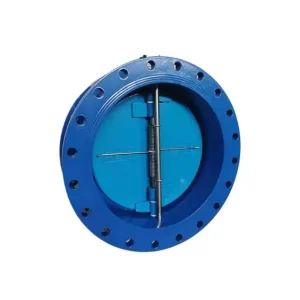
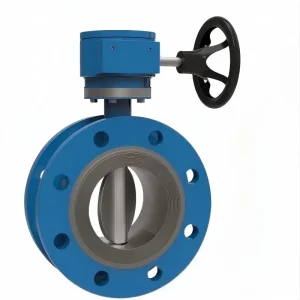
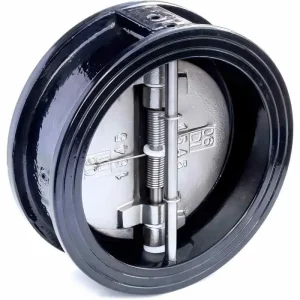
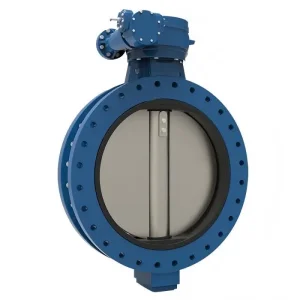
Select certified high-performance flow control and non-return units manufactured directly in our integrated foundries and cleanroom vulcanization lines.
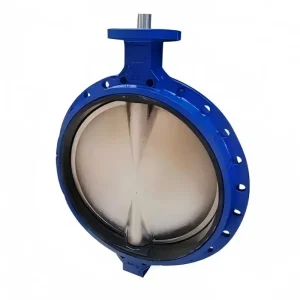
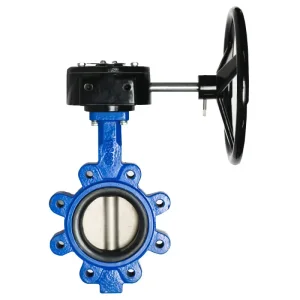
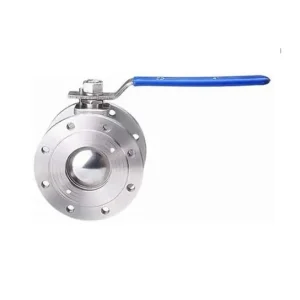
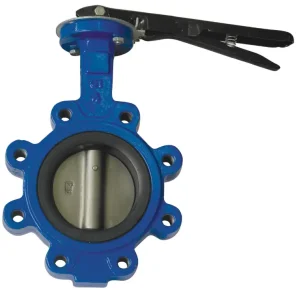
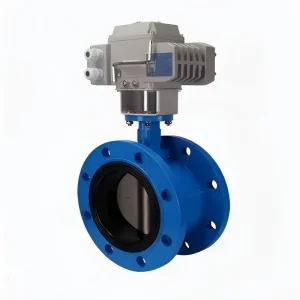
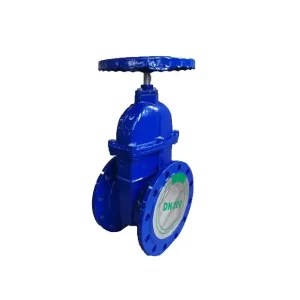
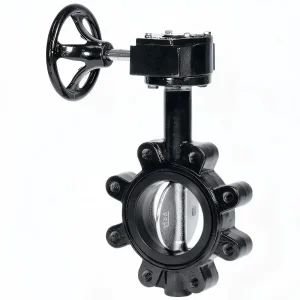
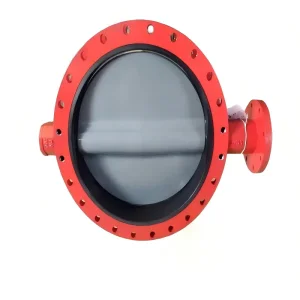
Global Commercial & Industrial Landscape of PTFE Lined Valves
In contemporary fluid engineering, backflow prevention within aggressive chemical media represents one of the most critical operational challenges for EPC contractors and plant operators worldwide. PTFE (Polytetrafluoroethylene) lined check valves—encompassing swing, wafer lift, ball, and dual-plate flanged geometries—serve as the first line of defense against reverse pressure surges, media back contamination, and catastrophic pump unit cavitation in chemical processing networks.
The global transition toward high-purity chemical manufacturing, lithium-ion battery cathode production, semiconductor wet etching, and desulfurization plants has dramatically accelerated the demand for lined flow control equipment. Unlike standard metal seated or vulcanized elastomer valves, a PTFE lined check valve combines the mechanical pressure containment of ductile iron (ASTM A395 / GGG40.3) or cast carbon/stainless steel bodies with the nearly universal chemical inertness of fluoropolymers. The global commercial market is increasingly prioritizing integrated manufacturers possessing captive foundries, ISO 9001 certified compounding, and automated lining facilities capable of preventing pinholes, stress cracking, and vacuum delamination.
Industry Macro Trends & Engineering Advancements
How modern valve manufacturing architectures are evolving to meet the demands of aggressive, high-temperature, and vacuum-cyclic fluid environments.
Advanced Isostatic Molding
Traditional transfer molding often created localized stress concentrators and density gradients. Modern Tier-1 factories utilize ultra-high-pressure isostatic pressing coupled with high-density paste extrusion, ensuring zero porosity, superior micro-crystallinity, and absolute resistance to permeation by nitric, hydrochloric, and hydrofluoric acids.
Mechanical Dovetail Anchoring
Under alternating thermal shock and sudden negative pressure conditions, unanchored linings collapse inward. Leading Chinese and global manufacturing plants employ dovetail micro-grooves machined directly into the cast body geometry. This locks the sintered PTFE/PFA lining into place, withstanding full industrial vacuum (-0.1 MPa) up to 150°C.
Dynamic Low-Cracking Dynamic Discs
Modern lined wafer and ball check valves feature aerodynamically contoured, fluoropolymer-encapsulated internal closures. With cracking pressures engineered as low as 0.02 bar, these systems prevent water hammer and reverse surges while drastically decreasing line resistance and pumping parasitic load across expansive pipeline arrays.
Localized Application Scenarios & Severe Duty Profiles
PTFE lined non-return valves are engineered for zero-tolerance process environments where standard metallic alloys (such as 316L, Hastelloy C-276, or Monel) suffer from localized pitting, intergranular stress corrosion, or excessive economic replacement cycles. Key deployment vectors include:
Chlor-Alkali & Pickling Lines
Used directly on chlorine cell headers, spent acid return lines, and steel pickling tanks (hydrochloric and hydrofluoric acids) where zero trace iron contamination is permissible.
Electronic Chemical Plants
Ultra-pure sulfuric acid and hydrogen peroxide circulation pipelines for semiconductor wafer fabrication, utilizing unpigmented virgin PTFE to eliminate ion leaching.
Mining Hydrometallurgy
Leaching circuits for nickel, cobalt, and lithium extraction, operating in severe slurries with high acidity where fluoropolymer ball check valves resist abrasive scaling.
Pharmaceutical Synthesis
Active Pharmaceutical Ingredient (API) reactors requiring clean-in-place (CIP) and steam-in-place (SIP) non-stick sealing configurations conforming to FDA 21 CFR 177.1550.
Integrated Engineering Solutions & Factory Sourcing Architecture
Selecting a high-quality PTFE lined check valve factory requires validating end-to-end quality control workflows. Procurement teams frequently face field failures caused by outsourced casting flaws or improper elastomer/fluoropolymer vulcanization. Tianjin Top Automation Equipment Co., Ltd. resolves this vulnerability through three decades of direct vertical manufacturing integration.
This macro approach provides global distributors and EPC contractors with complete trace-certified supply chains. Every finished lined valve undergoes 100% hydrostatic shell testing, low-pressure gas seat verification, and 15–20 kV high-frequency dielectric spark testing to ensure total absence of microscopic pinholes.
Foundry Traceability
Direct spectrographic analysis of each melt batch (carbon, silicon, manganese, phosphorus, magnesium nodularity) ensures fracture toughness and pressure containment.
Thermal Sintering Protocol
Computer-controlled heat cycle curves eliminate internal crystal orientation shears, providing dimensional stability under fluctuating pipeline loads.
Global Flange Compatibility
Precision multi-axis CNC drilling according to ASME B16.5 Class 150, EN 1092-1 PN10/PN16, JIS 10K, and Australian AS 2129 specifications.
Future Outlook & Material Roadmap (2025–2030)
As chemical synthesis processes scale toward extreme thermal cycles and sustainable operational footprints, the technology powering fluoropolymer valves is advancing rapidly. The forward-looking roadmap for check valve manufacturing focuses on four core pillars:
Anti-Static Conductive Linings
Incorporation of ultra-dispersed carbon nanotube (CNT) networks within PTFE matrices (surface resistivity < 10⁶ Ω) to eliminate static charge accumulation in explosive ATEX Class 0/1 solvent zones.
Modified Fluoro-Blends (TFM)
Adoption of second-generation PTFE (TFM) with tighter molecular structures, reducing permeation rates by 50% and improving springback recovery under repetitive mechanical impact.
Non-Invasive IoT Telemetry
Embedding non-intrusive acoustic emission and ultrasonic thickness monitoring sensors into outer ductile iron valve bodies to predict reverse flow disc chattering and lining wear in real time.
Zero-VOC Eco-Foundry Practices
Transitioning sand core processes to green binder chemistries and closed-loop scrap recycling, reducing the total embodied carbon of exported industrial valve assets.
Complete High-Performance Valve Series
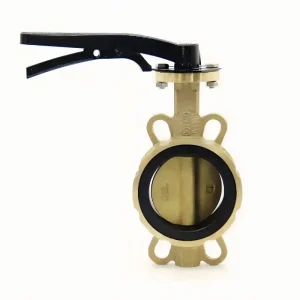
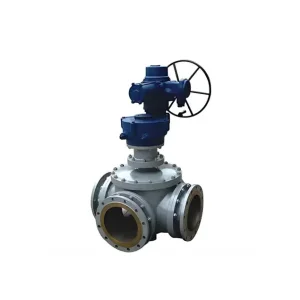
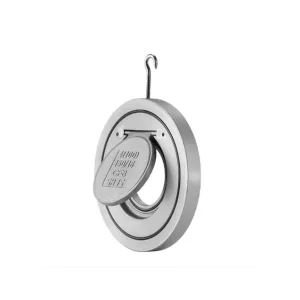
Direct-from-factory solutions manufactured to international standards. Browse complementary product lines produced across our 23,000 m² group manufacturing campus.
Frequently Asked Engineering Questions (FAQ)
In-depth answers to critical procurement, inspection, and application engineering questions.
