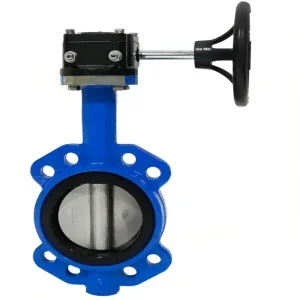
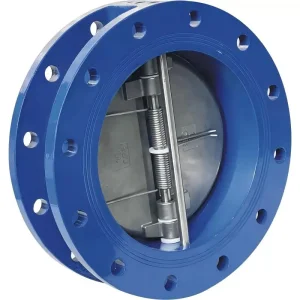
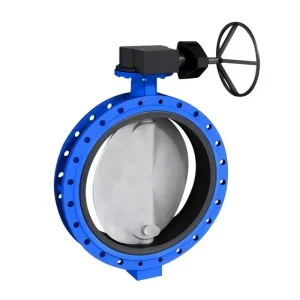
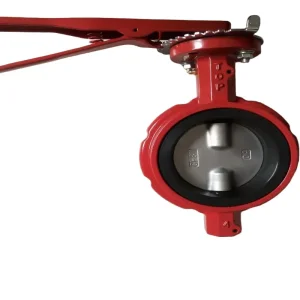
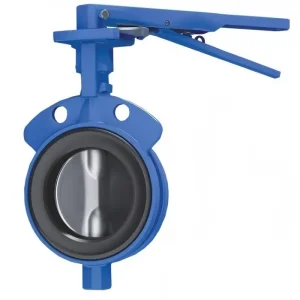
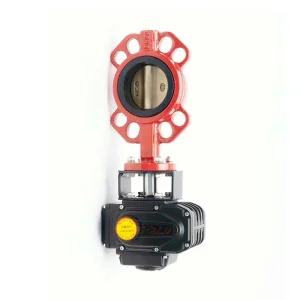
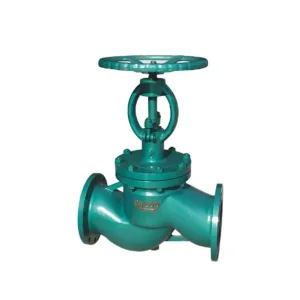
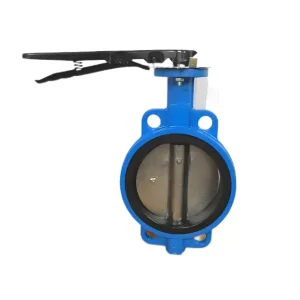
High-Integrity Butterfly & Flow Control Solutions
Explore our core quarter-turn valves and engineered non-return units, manufactured under certified ISO 9001/CE procedures with in-house physical and chemical quality verification.
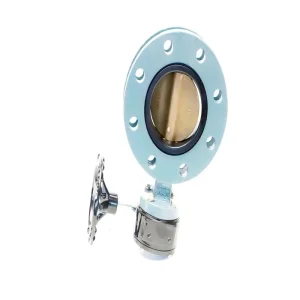
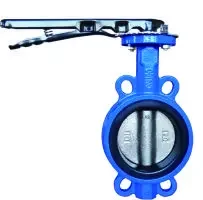
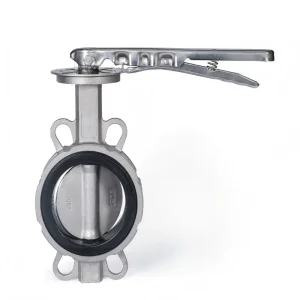
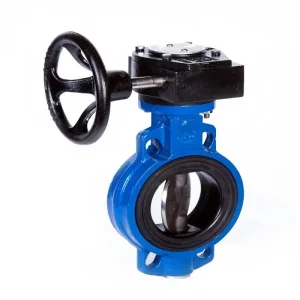
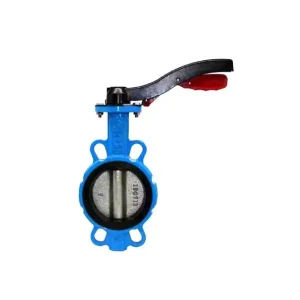
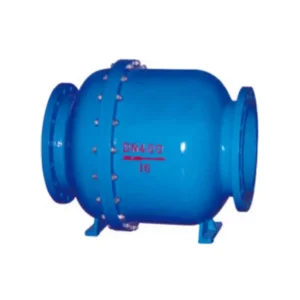
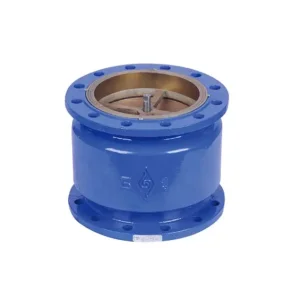
EPDM Lining Mechanics: Structural Integrity & Sealing Dynamics
In modern pipeline engineering, resilient-seated concentric butterfly valves are widely recognized for their structural compactness and dynamic sealing efficiency. However, operational longevity relies heavily on the compound formulation, bonding mechanics, and vulcanization kinetics of the EPDM liner.
Peroxide Curing vs. Sulfur Crosslinking
Standard commercial valves often employ sulfur-cured EPDM due to shorter molding cycle times. However, sulfur crosslinks exhibit low thermal stability, degrading rapidly above 90°C and leading to compression set fatigue. Our engineered EPDM formulations utilize peroxide curing mechanisms, producing covalent carbon-carbon bonds that withstand thermal excursions up to +120°C (or +150°C for custom high-temp grades).
This molecular configuration prevents hardening, cracking, and elastomer embrittlement during high-frequency cycling in cooling towers and municipal pumping stations.
Liner Geometry & Flange Seal Integration
Our butterfly valve liners feature molded-in circumferential o-ring ribs on both front and back faces. This integrated sealing geometry eliminates the requirement for supplementary flange gaskets during field installation between EN 1092-1 PN10/16 or ASME Class 150 flanges.
Furthermore, precision-engineered phenolic or aluminum rigid cartridge backings maintain liner dimensional stability under high differential pressures, preventing liner tear-out, axial slip, or displacement during turbulent throttling duty.
Hydrodynamic Profile & Torque Optimization
Fluid dynamics modeling informs our disc edge profiles, which are spherical-machined and hand-polished to a mirror finish (≤ Ra 0.4 μm). This smooth surface reduces operating friction when contacting the resilient EPDM liner.
By engineering the disc-to-seat interference fit with precision durometer compounds (68 to 72 Shore A), we achieve continuous bi-directional bubble-tight shutoff while simultaneously reducing breakaway torque by up to 22%, saving actuator sizing capital expenditures.
| Elastomer Designation | Polymer Base | Working Temp. Range | Tensile Strength | Media Resistance Characteristics | Primary Sector Fit |
|---|---|---|---|---|---|
| Peroxide-Cured EPDM | Ethylene Propylene Diene Terpolymer | -30°C to +130°C (+150°C peak) | ≥ 14.5 MPa | Exceptional resistance to hot water, treated potable water, dilute acids, ozone, alkalis, and chloramines. | Potable Water / HVAC / Desal |
| Food-Grade White EPDM | FDA 21 CFR 177.2600 Compliant | -25°C to +120°C | ≥ 12.0 MPa | Zero pigment leaching, taste-neutral, resistant to low-pressure clean-in-place (CIP) steam washdown. | Food, Beverage & Pharma |
| Nitrile (NBR) | Acrylonitrile Butadiene | -15°C to +85°C | ≥ 13.0 MPa | High resistance to hydrocarbons, lubricating oils, mineral fats, and fuel lines; poor ozone resistance. | Oily Wastewater / Gas Fuels |
| PTFE Lined over EPDM | Fluoropolymer + Elastomer Backer | -40°C to +180°C | ≥ 21.0 MPa | Near-universal chemical inertness; resilient EPDM backer supplies continuous mechanical loading. | Aggressive Acids / Chemicals |
Material Traceability Assurance (EN 10204 3.1)
Every batch of raw elastomer processed in our compounding facility is analyzed using moving die rheometer (MDR) curves to verify scorch time, vulcanization speed, and torque modulus. Tensile bars undergo batch destructive elongation and aging tests per ASTM D412 and ISO 37, ensuring our EPDM retains mechanical recovery properties throughout decades of embedded pipeline operation.
Integrated Manufacturing Infrastructure in Tianjin, China
Procuring valves via commercial export brokers exposes global infrastructure buyers to quality variances, batch inconsistencies, and uncontrolled delivery schedules. Tianjin Top Automation Equipment Co., Ltd. eliminates these risks by operating a vertically integrated manufacturing campus spanning casting, rubber compounding, machining, assembly, and pressure testing.
In-House Casting Foundry
Established as Tianjin Donglian Valve Factory in 1996, our group pours bodies and discs in ductile iron (EN-GJS-400-15 / ASTM A536 65-45-12), cast iron (GG25), WCB carbon steel, and aluminum bronze (C95800). Complete foundry ownership ensures direct spectrographic verification of metallurgical chemistry before raw billets reach machining bays.
Rubber Plant Heritage Since 1987
Operated via Tianjin Dongfang Rubber Factory, our in-house elastomer facility formulates, mixes, calenders, and vulcanizes every EPDM, NBR, and specialty seat. By formulating raw polymers directly rather than purchasing pre-molded sleeves from third-party suppliers, we prevent the use of degraded reclaim rubber and ensure uniform polymer crosslinking.
CNC Machining Centers
Equipped with horizontal machining centers (HMCs) and high-precision CNC lathes, valve bodies and shafts are turned and bored under strict geometric tolerancing. Our disc sealing contours and stem keyways are cut to tolerances within ±0.015 mm, eliminating runout and lateral deflection that can degrade EPDM seat resilience.
100% Hydrostatic Quality Rig
No valve leaves our facility untested. Every finished valve undergoes shell hydro-pressure testing at 1.5× nominal working pressure (PN16 → 24 bar) and resilient seat testing at 1.1× PN (PN16 → 17.6 bar), alongside low-pressure pneumatic air seating per ISO 5208 and API 598. Documented digital pressure logs accompany every export packing container.
Global Standards Compliance & Drinking Water Safety
Global utility authorities, municipal water boards, and international engineering procurement managers require stringent certification documentation to satisfy local health codes and structural safety regulations.
Drinking Water Hygienic Certifications
For municipal drinking water distribution, our selected models (including 4020G, 4020L, 4325G, and 4325L) comply with the Water Regulations Approval Scheme (WRAS) per BS 6920 standards. Our EPDM compounds undergo rigorous chemical migration, microbial growth, and cytotoxicity testing to guarantee zero contamination, zero lead, and zero VOC leaching into clean water pipelines.
CE Mark & Pressure Equipment Directive
Our valve designs are certified to EU Pressure Equipment Directive (PED 2014/68/EU) Category III Module H guidelines, carrying authentic CE conformity marks. The corporate quality apparatus operates under verified ISO 9001 (Quality Management), ISO 14001 (Environmental Stewardship), and ISO 45001 (Occupational Health & Safety) certifications, enabling continuous auditing by international classification bureaus.
Universal Multi-Standard Flange Compatibility
To support global supply chains, our wafer, lug, and double-flanged bodies are engineered with universal bolt hole centerlines. A single inventory unit can be installed between flanges drilled to EN 1092-1 PN10/PN16, ASME B16.1 Class 125, ASME B16.5 Class 150, JIS B2239 10K, and AS 2129 Table D/E, significantly reducing spare part inventory burdens for global EPC distributors.
Procurement Criteria for Engineering Contractors & OEMs
Procuring industrial butterfly valves for multi-million-dollar water treatment plants, offshore cooling systems, and municipal distribution grids requires rigorous supply chain qualification. Here is how our engineering protocols align with international procurement expectations:
Mill Test Certification (MTR)
Full chemical and mechanical composition analysis according to EN 10204 Type 3.1. Procurement officers receive certified documentation detailing yield strength, tensile limits, elongation percentages, and Charpy V-notch impact toughness values for every body and shaft heat number, eliminating metallurgical fraud risks.
Coating Integrity & Spark Testing
Valves are coated with electrostatically applied fusion bonded epoxy (FBE) to a uniform dry film thickness (DFT) ≥ 250 μm per DIN 30677-2. Every valve body undergoes non-destructive magnetic DFT gauge calibration and high-voltage holiday spark testing (at 1.5 kV) to verify 100% pinhole-free corrosion isolation in aggressive soils.
Actuator Standardization (ISO 5211)
Valve top flanges are precision CNC milled to match ISO 5211 mounting dimensions with double-D or keyed shaft profiles. This allows direct installation of pneumatic actuators, 4-20mA modulating electric drives, or manual worm gears without requiring custom brackets or alignment adapters.
Emerging Engineering Trends in Butterfly Valve Design
The industrial valve market is transitioning toward lower lifecycle costs, zero-emission plant boundaries, and digital smart-actuation protocols. Our R&D team implements design modernizations across our core lines:
Pinless Stem-to-Disc Engagement
Traditional butterfly designs utilize through-pins to lock the disc to the stem. Over years of thermal expansion and corrosive flow, pin bores can become primary leak paths or stress-corrosion fracture points. We have developed duplex-grade pinless butterfly designs using polygonal or spline drive shaft profiles entirely enclosed within the disc hub, eliminating fluid contact with the stem and avoiding localized shear points.
Low-Emission Shaft Sealing Systems
With global emissions compliance tightening under ISO 15848-1 standards, our secondary shaft sealing incorporates double O-ring chambers combined with an upper EPDM dust seal. This prevents atmospheric oxygen ingress from hardening internal elastomers and provides dual barrier protection against external leakage even during vacuum line conditions.
Smart Actuation & IoT Predictive Sensing
Modern water networks leverage SCADA systems to monitor valve operational health. Our automated valves integrate with intelligent electric quarter-turn actuators supporting Modbus, Profibus, and wireless HART. Embedded position transmitters monitor seating torque curves to deliver early predictive warnings for liner wear before catastrophic plant shutdowns occur.
Engineered Deployment Scenarios Worldwide
EPDM-lined butterfly valves provide cost-effective, dependable fluid isolation across municipal utilities and heavy process industries. Optimal operational performance depends on matching body metallurgy and disc trims to specific process chemistry:
Municipal Water Treatment & Transmission
Drinking water mains, filtration skids, and booster stations demand non-toxic, WRAS-approved components. Ductile iron bodies (EN-GJS-400-15) paired with 304 or 316 stainless steel discs and certified EPDM liners ensure low fluid friction, biological neutrality, and reliable bubble-tight shutoff over decades of buried or vaulted service.
HVAC District Cooling & Energy Central Plants
Chilled water loops operating between 4°C and 7°C, alongside condenser water circuits subject to seasonal thermal cycling up to 60°C, demand resilient liners that resist dynamic micro-deflections. Wafer and lug pattern butterfly valves provide space-efficient isolation at pump manifolds and cooling tower headers with minimal pressure drop.
Seawater Desalination & Marine Ballast
High sodium chloride concentrations, dissolved oxygen, and marine bio-fouling quickly corrode standard cast steels. By pairing vulcanized EPDM full-body liners with Aluminum Bronze (ASTM B148 C95800) or 2507 Super Duplex discs, our marine-rated valves resist pitting and crevice corrosion in reverse osmosis plant intake manifolds.
Engineering Questions Procurement Teams Ask
Review detailed engineering answers addressing elastomer life cycles, bubble-tight sealing criteria, international flange drilling, and factory acceptance procedures.
What distinguishes peroxide-cured EPDM from sulfur-cured liners?
How do you achieve zero leakage under EN 12266-1 Rate A?
Can EPDM-lined butterfly valves handle petroleum, hydrocarbons, or steam?
What certifications confirm your valves are safe for drinking water?
Why is having an in-house rubber factory advantageous for procurement?
How does the universal wafer body design simplify contractor stockholding?
Specialized Isolation & Non-Return Valve Range
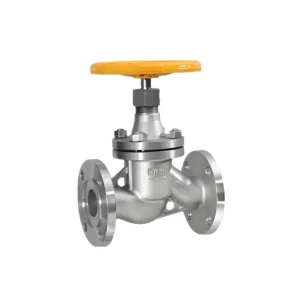
Review additional resilient-seated, backflow prevention, and specialized globe valves manufactured for complex project specifications, marine service, and municipal utilities.