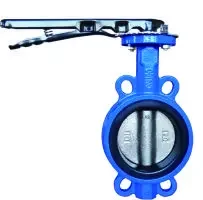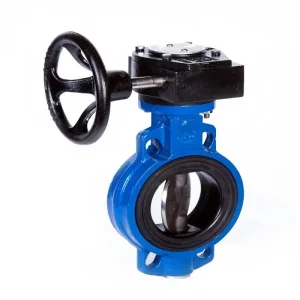
Precision Portfolio
Certified Water Pipeline Isolation & Control Solutions
Factory-engineered resilient seated butterfly valves and fluid control mechanisms built for municipal, desalination, HVAC, and industrial water processing infrastructure.
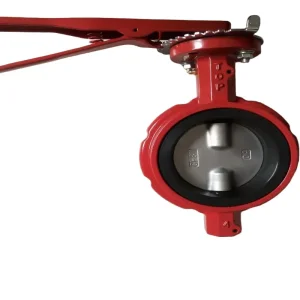
Wholesale Lugless Semi-Shaft Wafer Butterfly Valve - Durable & Reliable
View Specifications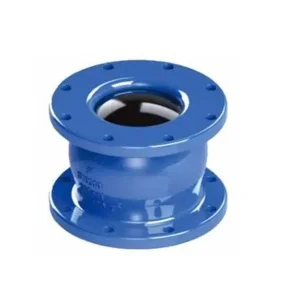
High-Quality High - Performance Silent Check Valve for Water Supply
View Specifications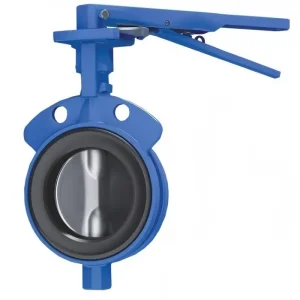
High-Quality EPDM Lining Butterfly Valve - Durable Corrosion Resistant
View Specifications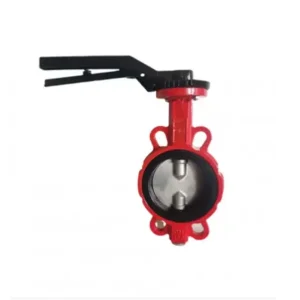
High-Quality Double Half Shaft Wafer Butterfly Valve
View Specifications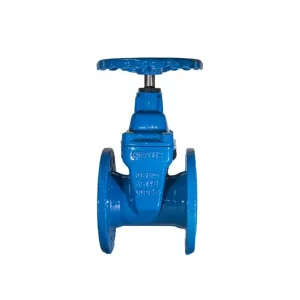
Wholesale Anti - Abrasion Elastic Seat Gate Valve with Reinforced Seat
View Specifications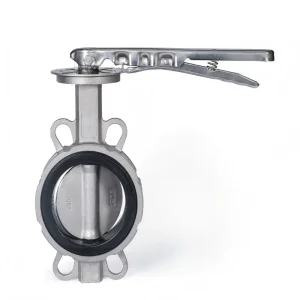
Wholesale Stainless Steel Butterfly Valve - Durable & Corrosion-Resistant
View Specifications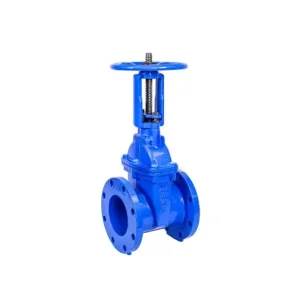
Wholesale Rising Stem Resilient Seat Gate Valve Supplier, Factory
View Specifications
Technical Whitepaper · Section 01
Global Procurement Dynamics & CE Regulatory Frameworks
An authoritative engineering review of international compliance benchmarks, CE marking under Directive 2014/68/EU (PED), and lifecycle total cost of ownership (TCO) evaluation in municipal and industrial waterworks.
PED 2014/68/EU & Harmonized Norms
Water-used butterfly valves installed in pressurized pipelines within the European Economic Area must comply with the Pressure Equipment Directive (PED). Manufacturers must maintain stringent Category I to III compliance through certified modules (e.g., Module H full quality assurance). Testing aligns with EN 12266-1 (Rate A zero-leakage testing) and EN 593 dimensional parameters, verifying shell structural integrity and elastomeric seating dynamics under transient pressure surges.
TCO & Operational Efficiency
Modern EPC contractors evaluate butterfly valve procurement beyond unit expenditure, focusing on dynamic lifecycle calculations. Low operating breakout torque, hydrodynamic disc design minimizing head loss (low Delta-P), and vulcanized seat technologies directly reduce pneumatic/electric actuator sizing, power draw, and maintenance downtime. Integrated testing eliminates downstream hydraulic hammering, securing critical infrastructure longevity over 30+ operating years.
Potable Water Sanitary Mandates
For drinking water transmission, CE marking must interface with regional potable approvals such as WRAS (Water Regulations Approval Scheme, UK), ACS (France), and DVGW (Germany). Raw elastomer compounds must be toxicologically pure, preventing microbiological colonization, chemical leaching, and organoleptic deterioration across temperature classifications from 0°C to +80°C.
Technical Whitepaper · Section 02
Macro-Industry Engineering Solutions
Targeted valve architectures tailored to overcome extreme hydrodynamic fatigue, electrochemical pitting, and high cavitation in complex global installations.
Municipal Potable Water Networks
Water distribution lines demand resilient-seated concentric butterfly valves featuring ductile iron bodies (EN-GJS-400-15/500-7) coated with electrostatic thermosetting fusion bonded epoxy (FBE ≥250 μm) compliant with GSK guidelines. The inclusion of certified EPDM seats compounds guarantees chemical stability against chloramines, eliminating leaching risk and minimizing mechanical degradation under variable hydraulic pressure.
Desalination & Seawater Intake
Seawater reverse osmosis (SWRO) facilities expose valves to severe chloride-induced crevice corrosion and pitting. Engineered solutions demand nickel-aluminum bronze (C95800/CuAl10Fe5Ni5), 2507 Super Duplex Stainless Steel, or 254SMO discs paired with high-grade vulcanized EPDM or fluoropolymer linings. Pinless semi-shaft configurations isolate the operating stem from line fluids, preventing galvanic couples.
District Energy & Industrial HVAC
Closed and open loop cooling systems, district cooling chilled water circuits, and condenser loops require rapid-response, bubble-tight shutoff valves. Double-offset high-performance butterfly valves equipped with PTFE/RPTFE energized seats and stainless steel discs accommodate thermal expansion cycles, high flow velocities up to 5 m/s, and micro-throttling modulating automation without cavitation chattering.
Technical Whitepaper · Section 03
Metallurgical Matrix & Structural Engineering Standards
Rigorous material selection matrix conforming to EN, ISO, and ASME piping schedules for optimal chemical and physical compatibility.
| Component | Material Standard | Available Grades | Operational Suitability | Compliance Marks |
|---|---|---|---|---|
| Body Casing | EN 1563 / ASTM A536 | Ductile Iron GGG40/50, WCB, SS304/316 | Potable, wastewater, industrial cooling | CE, PED 2014/68/EU |
| Disc Profiles | EN 10283 / ASTM A351 | CF8M (316), Ni-Al Bronze C95800, Duplex | Desalination, demineralized water, brine | WRAS Approved Disc |
| Elastomeric Seats | ISO 1629 Rubber Spec | In-house compounded EPDM, NBR, Viton, PTFE | Drinking water (-20°C to +120°C), hydrocarbons | WRAS, FDA 21 CFR 177.2600 |
| Drive Shafts | EN 10088-3 / ASTM A276 | SS410, SS420, 17-4PH, 316 Stainless Steel | High torque transmission, anti-blowout stem | ISO 5211 Direct Mount |
| Protective Layer | DIN 30677-2 | Fusion Bonded Epoxy (FBE) ≥250μm | Underground direct burial, submerged immersion | GSK Quality Assurance |
Technical Whitepaper · Section 04
Vertical Integration, Traceability & Regional Engineering Support
How end-to-end manufacturing control—from sand mold casting to computerized elastomer vulcanization—delivers risk-free integration for EPC contractors.
Foundry to Machining
With an in-house casting foundry operational since 1996 and an elastomer facility operating since 1987, casting metallurgy and seat vulcanization are strictly supervised on one unified manufacturing campus.
EN 10204 3.1 Traceability
Complete material tracking is documented with EN 10204 3.1 inspection certificates. Optical emission spectrometers verify casting heats, while laser coordinate measuring machines ensure tight dimensional tolerances.
Global Export Readiness
Installed across more than 50 countries, valves feature multi-standard drillings (EN 1092-2 PN10/PN16, ASME B16.1 Class 125/150, JIS B2239) and heavy-duty individual export packing to ensure zero transport abrasion.
Rapid Technical Dispatch
Dedicated project engineering support delivers tailored 3D CAD models, sizing verification, actuator torque margin calculations, and full compliance dossiers within 24 hours of technical inquiry receipt.
Procurement Knowledge Base
Frequently Asked Engineering & Procurement Questions
Direct technical clarifications regarding CE certifications, elastomer longevity, pinless shaft architectures, and actuator interface standards.
What specific modules verify CE marking for water butterfly valves?
Under the EU Pressure Equipment Directive (PED 2014/68/EU), valves categorized based on nominal diameter (DN) and maximum allowable pressure (PS) must follow conformity assessment routes such as Module H (Full Quality Assurance). This certifies internal casting integrity, documented welder/machinist qualifications, hydrostatic shell test factors of 1.5x PN, and seat tests of 1.1x PN under ISO 5208 / EN 12266-1.
Why is in-house elastomer vulcanization crucial for butterfly valve durability?
The resilient rubber seat is the primary failure component in water distribution networks. Outsourced third-party compounding often suffers from filler degradation and compression set failure. In-house rubber formulation (Tianjin Dongfang Rubber Factory heritage since 1987) ensures micro-controlled sulfur/peroxide curing cycles, consistent durometer hardness (65-75 Shore A), tensile strength, and certified compliance with potable standards.
What are the advantages of pinless semi-shaft disc-to-stem connections?
Traditional pinned discs create leak pathways through the pin drillings, accelerating galvanic corrosion between dissimilar metals. A spline or polygonal pinless semi-shaft architecture maintains the integrity of the disc face, eliminates potential leakage across the stem penetration, and delivers smooth, uncompromised hydrodynamic flow profiles with reduced dynamic torque.
How does ISO 5211 direct mounting simplify quarter-turn automation?
Standardized ISO 5211 top flanges (from F05 up to F30) coupled with standardized square or double-D stem heads eliminate the need for custom fabrication brackets. This ensures direct, play-free coupling to pneumatic scotch-yoke actuators, electric multi-turn smart units, or worm gearboxes, maintaining angular alignment and reducing hysteresis in critical modulating control applications.
Advanced Product Series
Heavy-Duty & Specialized Pipeline Flow Control
Extended industrial valve models engineered for specialized fluid dynamics, corrosive media isolation, and high-integrity backflow protection.
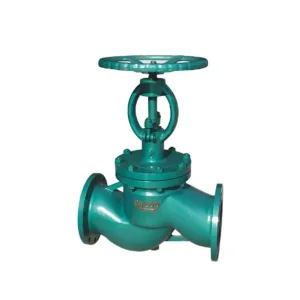
High-Quality High - Temperature - Vacuum Isolation Globe Valve
View Specifications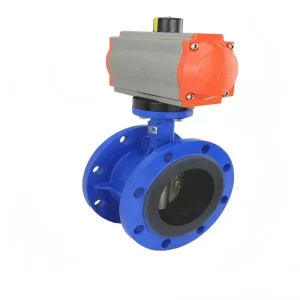
High-Quality Pneumatic Butterfly Valve - Reliable Flow Control Solution
View Specifications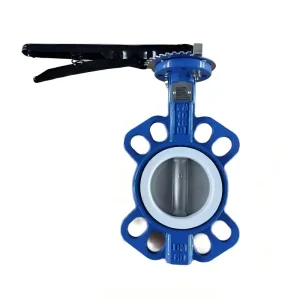
Wholesale PTFE Lined Cast Body Butterfly Valve Suppliers, Factory
View Specifications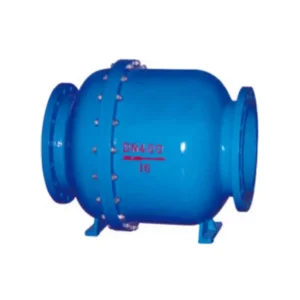
CE Certification Micro-Resistance Ball Check Valve Manufacturers
View Specifications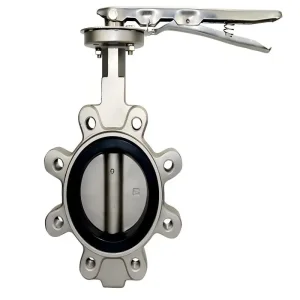
High-Quality LUG Stainless Steel Butterfly Valve - Durable & Reliable
View Specifications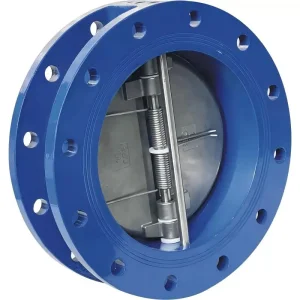
CE Certification Dual Plate Check Valve, Reliable Backflow Prevention
View Specifications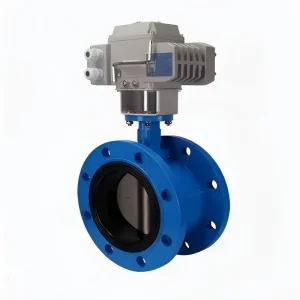
High-Quality High-Performance Electrical Butterfly Valve
View Specifications