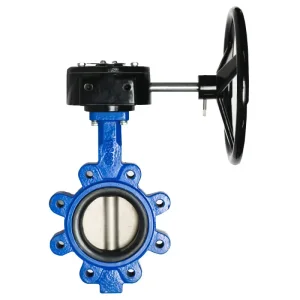
Certified Fire Protection & Flow Infrastructure
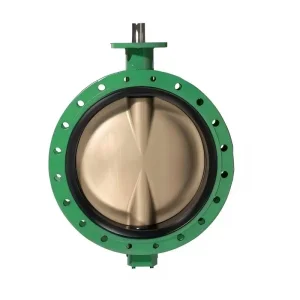
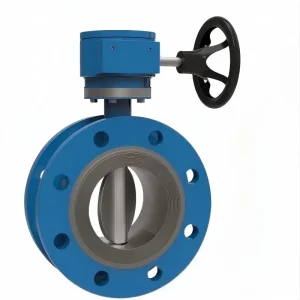
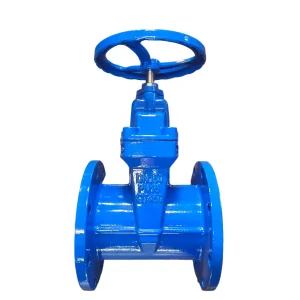
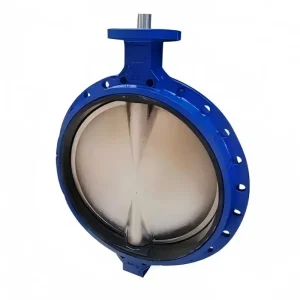
Explore our core engineering catalog engineered for industrial fire protection circuits, high-pressure utility services, and municipal water infrastructures.
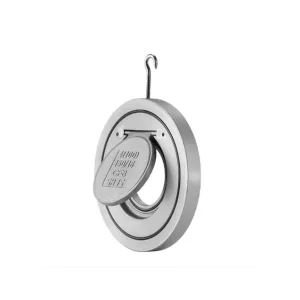
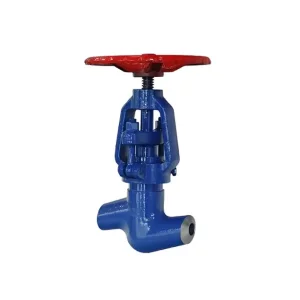
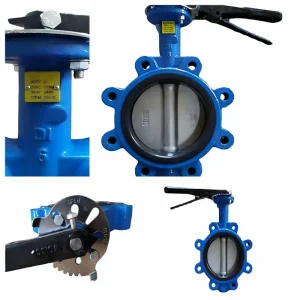
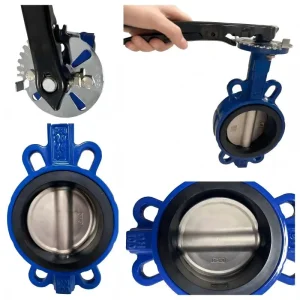
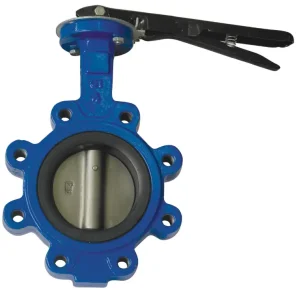
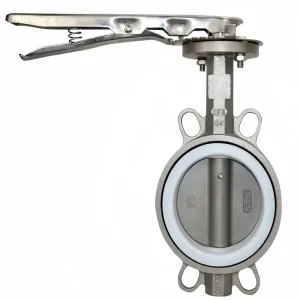
Global Landscape: Fireproof Facilities & Gate Valve Dynamics
Analyzing critical fail-safe mechanisms, thermal containment standards, and the engineering necessity of CE-marked isolation valves in modern industrial environments.
Thermal Integrity Standards
Modern fire safety regulations (such as EN 12266, ISO 10497, and API 607) dictate that valves operating within fireproof boundaries must prevent catastrophic internal and external leakage under extreme convective and radiant heat. A CE-marked fireproof facility gate valve maintains structural rigidity and wedge sealing even as pipeline ambient temperatures climb during flash fires.
Full-Bore Flow Optimization
Unlike standard throttle valves, resilient and metal-seated fireproof gate valves provide an unobstructed, straight-through, full-bore flow profile. This minimizes frictional pressure drop across fire hydrant circuits, automatic sprinkler headers, and chemical foam suppression lines, guaranteeing that target hydraulic water delivery rates are maintained during an emergency intervention.
Traceable CE Compliance
Under the European Union Pressure Equipment Directive (PED 2014/68/EU), fireproof gate valves undergo rigorous Module H design verifications, tensile strain analyses, and pressure testing. CE marking confirms that material composition, casting radiographic tests, and mechanical properties strictly adhere to European health, safety, and environmental standards.
The Vertical Integration Advantage: Tianjin Top Valve
How an in-house foundry, proprietary polymer vulcanization, and advanced CNC machining centers shorten industrial procurement cycles and ensure uncompromised quality.
Proprietary Elastomer Formulations
The single most vulnerable point in a gate or butterfly valve during low-to-medium thermal incidents is the seat seal. Because our corporate parent operates Tianjin Dongfang Rubber Factory (established in 1987), our EPDM, NBR, and specialized fire-resistant elastomeric components are compounded in-house. This complete control over polymer hardness, vulcanization bonding, and compression set prevents leakage during pressure surges.
Independent Modern Foundry
Founded alongside Tianjin Donglian Valve Factory (since 1996), our dedicated casting facility allows direct control over metallurgy. From ductile iron (GGG40/GGG50) to WCB carbon steel and corrosion-proof stainless steel (CF8/CF8M), each heat undergoes spectrometer analysis and radiographic inspection. This eliminates structural porosity, ensures thick wall consistency, and provides robust mechanical integrity for fire-rated valve housings.
Supply Chain Resiliency & Lead Time Control
By bypassing third-party contract foundries and trading intermediaries, Tianjin Top Valve slashes typical industrial production lead times by 30–45%. High-precision CNC machining centers handle stem bores, wedge faces, and flange drillings under continuous statistical quality control, ensuring rapid delivery to major global construction, marine, and energy projects.
Engineering Matrix: Fireproof Gate Valve Specifications
Comparative design data for procurement departments, project engineers, and pipeline architects.
| Design Parameter | Resilient Wedge Gate Valve | Rising Stem (OS&Y) Fire Valve | Metal-Seated DIN Gate Valve |
|---|---|---|---|
| Nominal Diameters | DN50 – DN600 (2" – 24") | DN50 – DN400 (2" – 16") | DN50 – DN1200 (2" – 48") |
| Pressure Rating | PN10 / PN16 / Class 125 / Class 150 | PN16 / PN25 / Class 150 / Class 300 | PN10 / PN16 / PN25 / PN40 |
| Body Materials | Ductile Iron (EN-GJS-450-10 / 500-7) | Cast Steel (WCB), Ductile Iron | Ductile Iron, Cast Steel, SS316 |
| Seat / Seal Type | EPDM/NBR Encapsulated Wedge | Fire-Resistant Nitrile / Stellite Ring | Bronze to Bronze / SS304 to SS304 |
| Visual Position Indicator | Optional stem indicator | Standard External Rising Stem | Optional gearbox indicator dial |
| Primary Certifications | CE (PED 2014/68/EU), WRAS, ISO 9001 | CE, Fire Safe Testing, ISO 9001 | CE, DIN EN 1171, ISO 14001 |
Market Trends & Global Procurement Requirements
Key technological shifts shaping industrial valve sourcing across Europe, North America, and emerging industrial hubs.
Intelligent Monitoring & Tamper Signaling
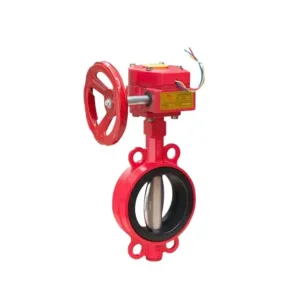
Global fire safety codes increasingly require real-time electrical feedback confirming valve status. Modern installations deploy OS&Y gate valves and wafer signal butterfly valves fitted with integrated supervisory switches. This prevents human error—such as an inadvertently closed supply valve during a fire event—by instantly alerting centralized SCADA systems.
Dual-Purpose Potable & Fire Line Materials
In municipal and high-rise commercial structures, dedicated fire mains frequently share supply risers with potable water loops. Procurement teams increasingly demand dual-certification valves: WRAS approval for potable water safety combined with CE mechanical certifications for fire isolation, eliminating the maintenance footprint of dual parallel distribution systems.
Corrosion Immunity via Fusion Bonded Epoxy (FBE)
Fire system valves frequently remain stationary in flooded loops for years before emergency deployment. Global procurement standards mandate electrostatically applied FBE coatings (minimum 250 microns) both internally and externally. This prevents rust binding, reduces wedge sliding friction, and ensures that the valve turns easily under critical conditions.
Frequently Asked Questions (FAQ)
Essential guidance for project engineers, supply chain managers, and procurement professionals.
What specific standards define a CE-certified gate valve for fireproof facilities?
A CE-certified valve destined for fireproof applications complies with the Pressure Equipment Directive (PED 2014/68/EU), conforming to harmonized manufacturing standards such as EN 1171, EN 1074-1/2, and EN 12266-1 for pressure testing. For explicit fire suppression applications, the valves follow EN 12845 (Fixed Firefighting Systems) and may include fire-safe testing per ISO 10497 or API 607, ensuring structural integrity and zero external leakage during a thermal event.
Why is a Rising Stem (OS&Y) gate valve preferred over Non-Rising Stem (NRS) in fire protection?
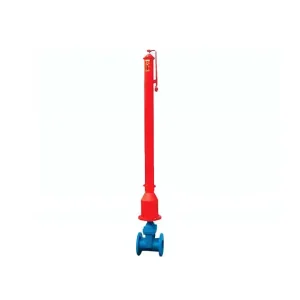
Outside Screw and Yoke (OS&Y) gate valves feature an external threaded stem that moves linearly with the internal wedge. When the valve is open, the stem is fully extended; when closed, the stem is recessed. This provides an immediate, foolproof visual indication of open/closed status for plant operators, emergency responders, and insurance inspectors. In contrast, NRS valves are reserved for space-constrained or underground installations where extension spindles are necessary.
How does Tianjin Top Valve ensure zero seat leakage across long operating lifecycles?
Zero leakage is achieved through vertical integration. Operating our own rubber plant since 1987 allows us to formulate high-resilience EPDM and NBR compounds that resist permanent compression set. The wedge core is fully encapsulated in rubber via automated vulcanization, preventing corrosive degradation of the metal core. Every single valve undergoes 100% hydrostatic shell testing (1.5x design pressure) and seat tightness testing (1.1x design pressure) in our laboratory prior to shipment.
What flange drilling and face-to-face dimensions are available for export?
Our valves can be machined to meet multiple international standards. Face-to-face dimensions comply with EN 558-1 Series 14 (DIN 3202 F4), Series 15 (DIN 3202 F5), and ASME B16.10. Flanges are drilled to EN 1092-2 (PN10/PN16/PN25), ASME/ANSI B16.1 Class 125, ASME B16.5 Class 150, BS 4504, or JIS B2239, making them a seamless drop-in fit for retrofit and new projects alike.
What documentation accompanies each export batch?
Every shipment includes an EN 10204 3.1 Mill Test Certificate detailing spectral chemical analysis and tensile mechanical test results, a Hydrostatic Pressure Test Report, a CE Declaration of Conformity, Coating Thickness Inspection Reports, and full dimensional inspection sheets. Third-party inspections (SGS, BV, TÜV) can also be accommodated upon request.
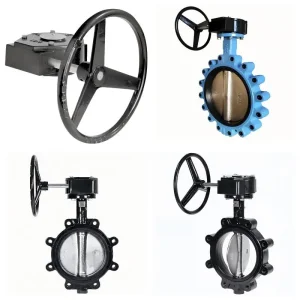
Comprehensive Valve Catalog: Factory Direct
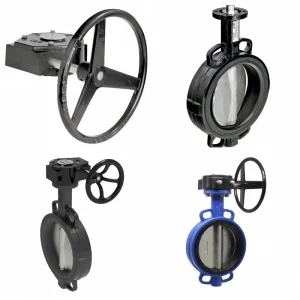
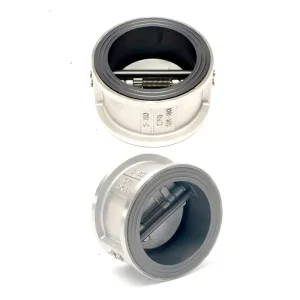
Engineered for high reliability across water distribution, HVAC networks, chemical handling, and fire extinguishing facilities.