
High-Performance WRAS Butterfly Valves for Nordic Deployments
Engineered to satisfy stringent British WRAS standard parameters while operating reliably across cold-climate closed hydronic systems, water processing works, and chemical applications throughout Helsinki, Tampere, and Oulu.
-
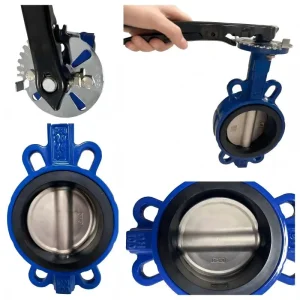 High-Quality WRAS Approved Butterfly Valve - High Performance & Durability 4020L Supplier, ManufacturersTechnical Specifications
-
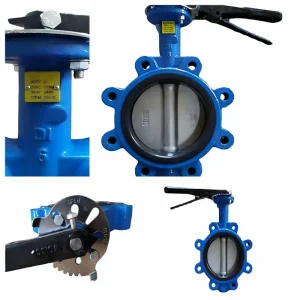 High-Quality WRAS Approved Butterfly Valve Lug Type 4325L Manufacturer, FactoriesTechnical Specifications
-
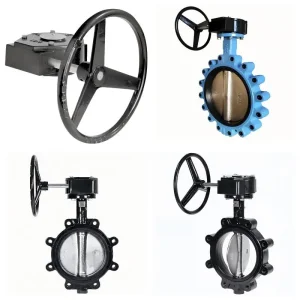 Wholesale WRAS Approved Lug Type Butterfly Valve 4325G Supplier, FactoriesTechnical Specifications
-
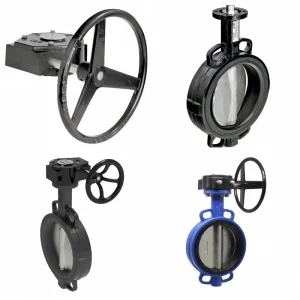 CE Certification WRAS Approved High-Performance Butterfly Valve 4020G Manufacturer, FactoriesTechnical Specifications
Industrial Modernization & Water Security in the Finland Landscape
A technical assessment of the integration of international valve certifications, sub-zero metallurgic endurance, and sustainable municipal infrastructure inside Finland's demanding industrial sectors.
Finland's Hydraulic & District Heating Standards
Finland operates some of the most technologically refined municipal networks in Europe. District heating (kaukolämpö) and cooling systems, combined with ultra-pure municipal drinking water grids, mandate that valves operate under tight thermal cycling without micro-leakage or elastomer hardening.
- Requirement for EN 1092-2 PN10/PN16 dimensional drilling.
- Stringent microbial inertness under BS 6920 / WRAS certification.
- EN-GJS-400-18-LT ductile iron body requirements for sub-zero fracture toughness.
Biorefining, Pulp & Paper In-Plant Demands
Finnish forest and bio-economy industries (UPM, Stora Enso, Metsä Group ecosystem) require robust resilient seated and lined butterfly valves that handle corrosive white and black liquors, condensate return, and process raw water without downtime.
- Full bonded or vulcanized EPDM/PTFE seats resistant to caustic washing.
- Pinless stem architectures preventing internal corrosive wash-out.
- ISO 5211 direct-mount automation interfaces for PLC and fieldbus telemetry.
Global Procurement & Supply Resilience
Finnish EPCs and mechanical contractors handling turnkey international projects increasingly demand factory-direct sourcing to eliminate unnecessary markups while preserving strict compliance documentation (EN 10204 3.1 certification).
- In-house foundry tracking chemical composition via optical emission spectrometers.
- Elastomer compounding directly verified from raw polymer to finished seal.
- Direct multimodal delivery routes through Helsinki and Kotka seaports.
Why WRAS Approval Matters in the Finnish Nordic Context
Although WRAS originates in the UK, its testing protocol under BS 6920 is globally respected as a primary benchmark for non-metallic components in contact with wholesome drinking water. In Finland, where water cleanliness standards are exceptionally high, WRAS-approved EPDM liners ensure no toxic leaching, no odor or flavor contamination, and zero growth of aquatic microorganisms across all flow velocities.
Send Inquiry NowComprehensive Macro-Engineering Valve Solutions
From ductile iron foundries to rubber formulation labs, Tianjin Top Valve controls the full lifecycle of high-grade butterfly valves for industrial engineering across Northern Europe.
In-House Foundry & Cold-Resilience
Our group foundry manufactures ductile iron (QT450-10 and QT400-18) tailored to maintain charpy impact absorption properties down to low temperatures, preventing catastrophic brittle fractures during Finnish winter cold snaps.
Proprietary Elastomer Compounding
Founded in 1987, our internal rubber facility compounds custom EPDM, NBR, and fluoroelastomers. Our WRAS-formulated EPDM maintains dimensional memory, dynamic elastic recovery, and bubble-tight bidirectional shut-off across tens of thousands of cycles.
Full Robotic Machining & CNC Tolerances
Every disc edge and stem shaft is finished via CNC precision centers. The resulting micro-finished spherical sealing rim reduces operating torque by 20–30%, directly downsizing required electric/pneumatic actuators and saving energy across automated installations.
Technological Evolution & Future Outlook (2025–2030)
Aligning valve manufacturing with Nordic digital twin standards, low-carbon lifecycle mandates, and predictive industrial automation.
Electric Arc Melting & Scrap Recycling
Transitioning toward 85%+ post-consumer scrap charging, reducing embodied carbon footprints in ductile iron bodies to conform with Finnish green building frameworks.
Zero-PFAS Resilient Liners
Researching bio-based polymers and ultra-durable fluoroelastomer alternatives that anticipate upcoming European chemical agency restrictions while retaining WRAS approvals.
Embedded Torque & Acoustic Sensors
Integrating non-intrusive seat-wear and cavitation detection transducers directly on actuation brackets for condition-based maintenance in remote utility installations.
Native LOD-400 BIM Integration
Delivering comprehensive 3D parametric CAD and BIM models with integrated CFD flow coefficient curves (Cv/Kv) for engineering design offices in Espoo and Vantaa.
Integrated Flow Control Solutions for Global & Nordic Buyers
Explore our complete manufacturing portfolio including check valves, actuated systems, semi-lug units, and chemically inert lined configurations engineered under strict ISO 9001 and CE directives.
-
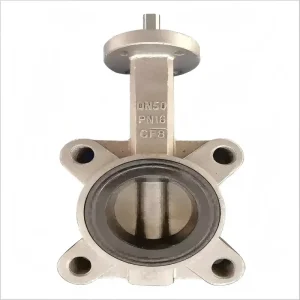 Wholesale Semi Lug Butterfly Valve - Durable & Versatile Flow Control Manufacturers, ManufacturerTechnical Specifications
-
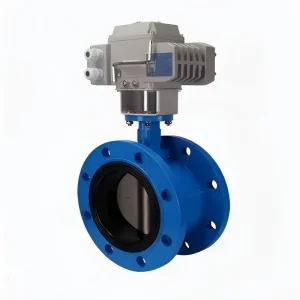 High-Quality High-Performance Electrical Butterfly Valve for Seamless Control Suppliers, ManufacturersTechnical Specifications
-
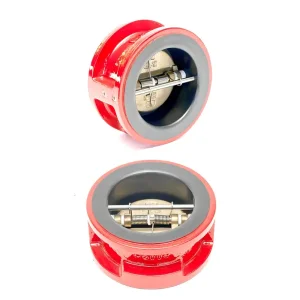 Wholesale Full Rubber Coated Check Valve Supplier, FactoriesTechnical Specifications
-
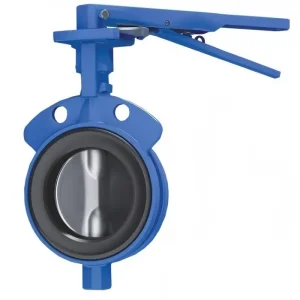 High-Quality EPDM Lining Butterfly Valve - Durable & Corrosion Resistant Suppliers, ManufacturersTechnical Specifications
-
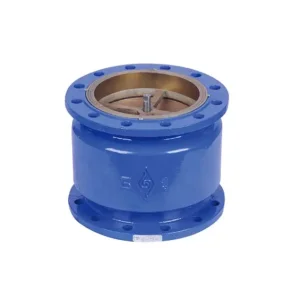 CE Certification Energy-Saving Silencer Check Valve Suppliers, SupplierTechnical Specifications
-
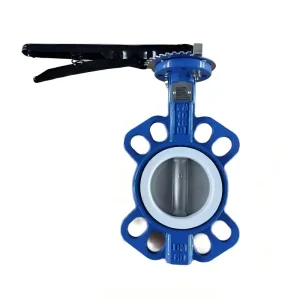 Wholesale PTFE Lined Cast Body Butterfly Valve Suppliers, FactoryTechnical Specifications
-
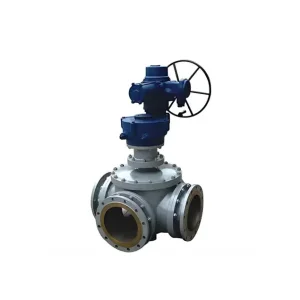 CE Certification Quick - Opening Three - Way Flange Ball Valve for Emergency Fluid Diversion Supplier, FactoryTechnical Specifications
-
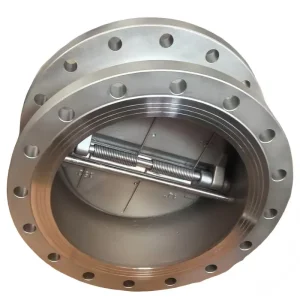 CE Certification Compact Low-Pressure Drop Wafer Lift Check Valve Supplier, FactoriesTechnical Specifications
Frequently Asked Questions: Sourcing & Compliance for Finland
Crucial engineering considerations covering installation, EN standards, cold-weather specifications, and international direct dispatch.
Are Tianjin Top Valve WRAS butterfly valves fully compliant with Finnish drinking water frameworks?
Yes. Our models 4020G, 4020L, 4325G, and 4325L utilize WRAS-certified resilient EPDM seats rigorously tested against BS 6920 standards. This guarantees that all non-metallic parts in contact with media leach no harmful organic compounds, prevent microbial growth, and leave taste and odor unaffected. This satisfies both Finnish municipal procurement criteria and broader European potable water directives.
How do your butterfly valves perform under sub-zero Finnish winter temperatures (-30°C to -40°C)?
For installations exposed to ambient freezing conditions, we supply valve bodies cast from low-temperature ductile iron (EN-GJS-400-18-LT / QT400-18L). Our metallurgic testing ensures specified V-notch Charpy impact values are maintained down to -40°C, eliminating catastrophic embrittlement. Moreover, our specialized low-temp EPDM elastomers preserve flexibility and sealing compression set down to -30°C without seat cracking.
What flange drillings and face-to-face dimensions are available for Nordic replacement projects?
Our butterfly valves are manufactured to EN 558-1 Series 20 (short face-to-face) and ISO 5752 series, ensuring direct drop-in replacement with legacy valves in Finland. Flange drillings are universal or multi-drilled to support EN 1092-1 / EN 1092-2 PN10, PN16, and ANSI Class 150 flanged connections.
What quality verification documentation accompanies each order delivered to Finland?
Every commercial delivery includes an inspection certificate to EN 10204 type 3.1. This dossier encompasses optical emission chemical spectroscopy of casting heats, tensile and elongation mechanical tests, rubber rheometer vulcanization traces, and 100% hydrostatic shell (1.5x PN) and seat (1.1x PN bubble-tight) pressure test logs in full compliance with EN 12266-1 / ISO 5208.
How are lead times and containerized transport arranged to Finland?
Our Tianjin factory is located within rapid transit distance of Tianjin Port. Standard production cycles range from 20 to 35 days depending on valve volume and actuation requirements. Consolidated containerized shipments are routed via direct ocean routes to the Ports of Kotka or Helsinki, with air express dispatch available for emergency spares.
