
Standard-Compliant Melbourne Fluid Solutions
Selected high-performance ball valves and isolation components certified for high pressure, emergency isolation, and hazardous chemical flow management.
-
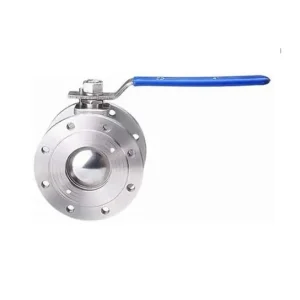
Melbourne Wholesale Stainless Steel Ultra - Thin Ball Valve with Fire - Safe Design
-
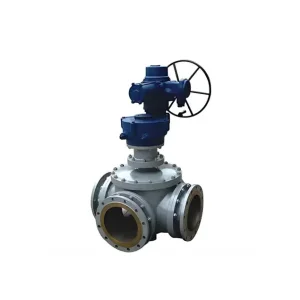
Melbourne CE Quick - Opening Three - Way Flange Ball Valve for Emergency Fluid Diversion
-
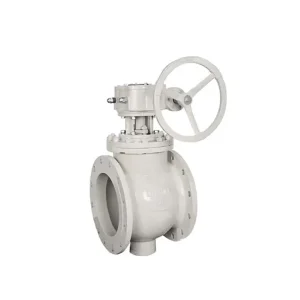
Melbourne CE Certification High - Pressure Eccentric Plug Valve for Industrial Hydrocarbons
-
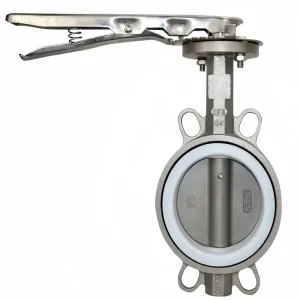
Melbourne CE Certified PTFE Lined Stainless Steel High Integrity Valve
Melbourne & Victoria Industrial Pipeline Realities
A rigorous examination of fluid dynamics, regulatory compliance, and mechanical specifications required for Victoria's expanding process, water treatment, and manufacturing facilities.
Greater Melbourne represents one of the most mechanically demanding municipal and industrial valve markets within the Asia-Pacific territory. From the sophisticated petrochemical networks clustered around the Altona industrial corridor to advanced biopharmaceutical production zones in Parkville, pipeline engineers encounter stringent operational parameters. A fundamental consideration across Victorian industrial facilities is structural compliance with the Pressure Equipment Directive under CE marking (PED 2014/68/EU) alongside harmonized standards such as AS 4087 (Metallic Flanges for Waterworks) and ASME B16.34 (Valves Flanged, Threaded and Welding End).
The transition toward decarbonized operations across Victoria—accelerated by major green hydrogen initiatives in the Latrobe Valley and wastewater recycling networks governed by Melbourne Water—has introduced exacting requirements for valve metallurgy and fugitive emissions containment. Ball valves deployed in these modern processing loops must not only secure bubble-tight bidirectional isolation (ISO 5208 Rate A) but also mitigate fugitive emissions under ISO 15848-1 qualification standards to prevent atmospheric hydrocarbon and VOC leakage.
API 607 Fire-Safe Certification
Thermal stability is verified through API 607 and ISO 10497 compliance, ensuring secondary graphite metal-to-metal sealing remains intact during external fire temperatures exceeding 1000°C.
Anti-Blowout Stems & Dual Sealing
Every quarter-turn stem is internally installed to eliminate expulsion risks under surging line pressures, integrated with PTFE/RPTFE primary thrust washers and secondary FKM Viton seals.
Corrosion-Resistant Foundry Control
Specialized austenitic alloys including CF8M (316 SS), Super Duplex 2205, and Monel castings undergo full spectroscopic metallurgical audits to withstand Port Phillip Bay's marine atmospheric chloride exposure.
In municipal desalination and water treatment services, such as the regional infrastructure connecting the Wonthaggi Desalination Plant to Melbourne’s reservoirs, valves must resist aggressive pitting corrosion caused by high chloride ions (PREn > 34). Our high-grade stainless steel casting and precision CNC ground spheres provide mirror-polished finishes (< Ra 0.4µm), significantly reducing operational torque while preventing micro-tear degradation in resilient fluoropolymer seating surfaces.
The Chinese Factory Advantage for Australian Procurement
Eliminate intermediary trading margins and optimize engineering customization through our vertically unified foundry, machining center, and testing facility.
Australian mechanical contractors and distribution partners historically faced lengthy delivery times and exorbitant price margins when ordering CE-marked and AS-compliant valve assets from European stockists. By partnering directly with our production facility in Tianjin, China, engineering teams operating in Victoria achieve substantial supply chain resilience.
| Evaluation Parameter | Conventional Trading Resellers | Direct Chinese Foundry & Production Campus |
|---|---|---|
| Traceability & Metallurgical QA | Secondary documentation; third-party unverified chemical certs | In-house spectroscopic analysis, EN 10204 3.1 certification, raw sand casting logs |
| Custom Engineering & Drill Patterns | Stock units only; costly field modifications required for AS 2129 Table E | CNC drilled directly to AS 2129, AS 4087, PN16, or ANSI Class 150/300 on line |
| Lead Times to Port of Melbourne | 16 to 26 weeks from European distributor networks | Expedited sea freight direct from Tianjin Port to Port of Melbourne in 18-22 days |
| Price Performance Ratio | Tier-3 markup layers (importer, regional wholesaler, reseller) | Direct ex-factory pricing with transparent volume manufacturing tiers |
Our operation houses its own elastomer compounding unit (operating continuously since 1987) and high-precision casting foundry (since 1996). Unlike assemblers who source unverified castings from disparate open markets, we formulate our own vulcanized elastomers (EPDM, Viton, NBR, PTFE) and cast our valve bodies under strict ISO 9001:2015 process protocols. This end-to-end oversight ensures absolute structural homogeneity, eliminating internal porosity defects that cause valve body sweating or premature pressure boundary failures under rapid thermal cycling.
Require AS 4087 or ASME B16.34 Compliant Ball Valves in Melbourne?
Speak directly with our technical team to request CAD models, 3D STEP files, EN 10204 3.1 material test reports, or customized actuation design calculations.
Send Inquiry NowIndustrial Quarter-Turn & Flow Control Valves for Melbourne Projects
Rigidly tested flanged, wafer, and lug pattern isolation valves designed for high-cycle process reliability across commercial, water supply, and industrial infrastructures.
-
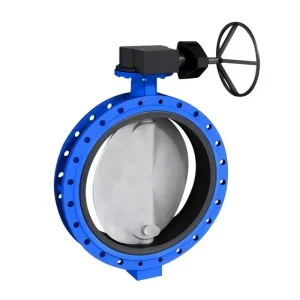
Melbourne Wholesale U Section Valve for Precise Flow Control
-
Melbourne CE Heavy - Duty Eccentric Plug Valve for Industrial Slurry
-
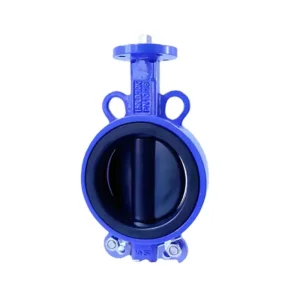
Melbourne Corrosion - Resistant Halar Lined Pinless Valve
-
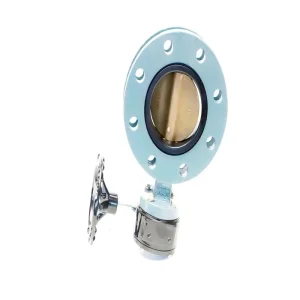
Melbourne High - Pressure Metal Hard - Seal Valve (CE/ISO/DIN/BS)
-
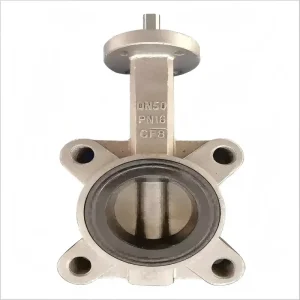
Melbourne Semi Lug Durable & Versatile Flow Control Valve
-
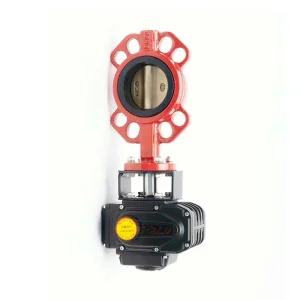
Melbourne High - Performance Pneumatic / Electric Actuator Wafer Valve
-
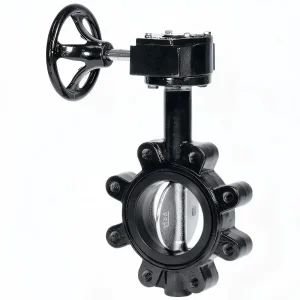
Melbourne CE Certified Heavy - Duty Gear Operated Isolation Valve
-
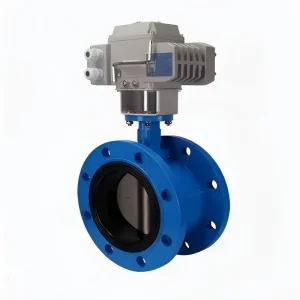
Melbourne High - Performance Modulating Electrical Process Valve
Engineering Solutions for Large-Scale Fluid Networks
Addressing structural challenges across cooling loops, municipal bulk water lines, petrochemical distillation, and automated mining pipelines.
Large infrastructure assets require robust mechanical redundancy. Modern industrial plant designers in Melbourne frequently demand smart actuation interfaces combined with SIL-3 (Safety Integrity Level) functional safety certifications. Ball valves engineered with direct-mounting ISO 5211 actuator pads eliminate bracket deflection, ensuring precise alignment between electric or pneumatic rotary actuators and internal stem keys.
For applications handling abrasive slurries—common in regional Victorian quarrying and mineral processing facilities—our hardened metallic seat surfaces (Stellite 6 or Tungsten Carbide HVOF coating) safeguard the valve interior against extreme mechanical erosion. Meanwhile, our three-way diverter ball configurations streamline complex piping arrangements by replacing multiple two-way isolation points with a single compact L-port or T-port assembly, reducing capital hardware expenditure and structural pipe-rack load burdens.
Double Block & Bleed (DBB)
Trunnion-mounted ball valves integrate dual spring-loaded seats with cavity relief venting, facilitating safe inline maintenance without interrupting active main line pressures.
Full Bore Flow Optimization
Unobstructed internal flow paths identical to pipeline inner diameters minimize head loss (Cv maximum), lowering long-term operating costs across heavy continuous pumping loops.
Automated SCADA Readiness
Fitted with fast-acting intelligent positioners (4-20mA feedback, Modbus, HART protocols), enabling complete remote telemetry integration across smart utility networks.
Frequently Asked Questions by Melbourne Engineers & Buyers
Authoritative technical clarifications addressing certification standards, material traceability, shipping logistics, and flange drillings.
