
Featured Flow Isolation & Diversion Valves for Philippine Infrastructure
Direct factory-manufactured valves meeting ASME B16.34, API 6D, and ISO 5211 criteria, calibrated for high-salinity maritime and tropical plant environments across the Philippine archipelago.
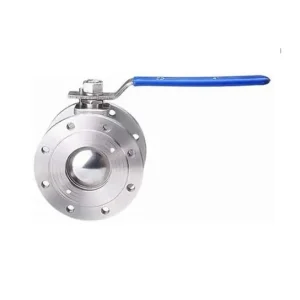
Philippines Marine Terminal: Fire-Safe Stainless Steel Ultra-Thin Ball Valve
Technical Datasheet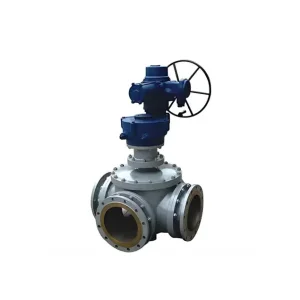
Luzon Power Plants: CE Quick-Opening 3-Way Flanged Diversion Ball Valve
Technical Datasheet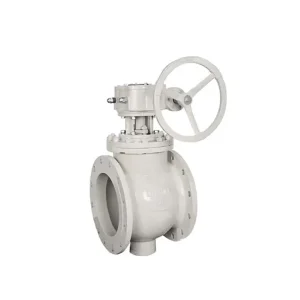
Batangas Refinery: High-Pressure Eccentric Heavy Duty Plug Valve
Technical Datasheet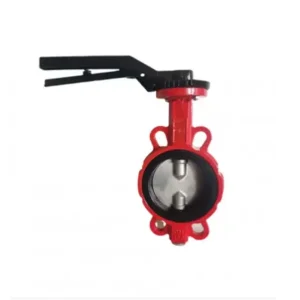
Philippine Bulk Water: High-Torque Double Half Shaft Wafer Butterfly Valve
Technical DatasheetThe Philippine Flow Control Market: Structural Growth & Demands
Accelerated infrastructure capital under the "Build Better More" initiative, massive concessions in bulk water distribution, dynamic geothermal exploration, and coastal LNG regasification hubs are drastically reshaping the technical baseline for valve procurement across the Philippines.
Municipal Water Modernization
With major utility concessions such as Maynilad and Manila Water aggressively tackling Non-Revenue Water (NRW) in the Greater Capital Region and regional water districts (Metro Cebu, Metro Davao, Cagayan de Oro) investing in desalination and gravity-fed aqueducts, there is critical demand for heavy-duty, zero-leakage resilient valves and full-port quarter-turn valves that prevent continuous hydraulic cavitation and head loss.
Geothermal & Thermal Energy Expansion
The Philippines stands as one of the world's premier geothermal energy producers, centered in Leyte, Albay, Negros, and North Cotabato. Geothermal steam is notoriously harsh, carrying non-condensable hydrogen sulfide (H2S), chlorides, silicates, and carbonates. Ball valves installed in wellhead isolation and steam separator bypass loops must counter extreme scaling, erosion, and sulfide stress cracking under cyclical high-enthalpy thermal shocks.
Mining, Nickel Slurry & Mineral Refining
From Surigao del Norte and Tubay to Palawan and Zambales, nickel laterite processing and high-pressure acid leaching (HPAL) plants transport abrasive slurries under aggressive chemical matrices. Standard gate and globe valves experience premature seat scoring and body erosion; robust metal-seated ball valves engineered with supersonic thermal-sprayed tungsten carbide or satellite coatings provide decisive longevity.
Selection Matrices & Metallurgy for Tropical Marine Environments
Deploying industrial valves in the Philippines requires meticulous metallurgical evaluation. With over 7,600 islands generating a pervasive tropical marine microclimate (high humidity, ambient salt fog, heavy monsoonal flash deluges), flow equipment must overcome both internal chemical corrosion and external galvanic degradation.
Floating Ball vs. Trunnion-Mounted Engineering
In Philippine process piping design, valve specifiers frequently weigh Floating Ball Valves against Trunnion-Mounted Ball Valves (TMBV). Floating designs leverage upstream line pressure to press the polished spherical ball directly against the downstream polymer seat, creating a dependable seal at low-to-medium pressures (Class 150 to Class 300, DN15 through DN200).
However, for large bore water mains, Batangas LNG receiving terminals, and high-pressure steam headers in power generation facilities, trunnion-mounted ball valves are imperative. By supporting the ball via upper and lower trunnion plates with self-lubricating PTFE/metal bearings, the operating torque is drastically curtailed, independent of differential pressure. Furthermore, spring-energized floating seats guarantee bidirectional, bubble-tight zero leakage (ISO 5208 Rate A) with mandatory Double Block and Bleed (DBB) isolation capability.
Elastomer & Thermoplastic Seating Compatibility
The continuous tropical heat and elevated ambient temperatures in the Philippines accelerate polymer aging, cold flow (creep), and thermal expansion. Our direct manufacturing process formulates and cures custom fluoropolymers and elastomers to guarantee dimensional stability:
- Virgin & Reinforced PTFE (RPTFE): Reinforced with 15% glass fiber or carbon; optimal for utility water, raw chemical distribution, and light steam up to 180°C.
- Devlon V-API & PEEK: Critical for high-pressure gas gathering and offshore platforms, offering structural yield resistance up to Class 2500 and operating envelopes reaching 250°C without plastic deformation.
- Metal-to-Metal Hard Facing: Utilizing Stellite #6, Tungsten Carbide (TC), or Chromium Carbide (CC) applied via High-Velocity Oxygen-Fuel (HVOF) spraying for abrasive nickel mine slurries and superheated geothermal steam up to 550°C.
| Material / Valve Grade | Common ASTM Specs | Corrosion & Stress Resistance Profile | Target Philippine Applications |
|---|---|---|---|
| WCB / Carbon Steel | ASTM A216 WCB / A105N | Good structural strength; requires epoxy external coating against coastal atmospheric corrosion. | Inland thermal power, non-corrosive steam lines, raw cooling water headers. |
| Austenitic Stainless (316/316L) | ASTM A351 CF8M / A182 F316 | Superior chloride pitting resistance (PREN ≥ 23); stands up to aggressive coastal humidity. | Bataan petrochemical, F&B processing, pharmaceutical, potable water chlorination. |
| Duplex & Super Duplex | ASTM A890 4A (2205) / 5A (2507) | Exceptional resistance to stress corrosion cracking, high yield strength, erosion resistance. | Seawater reverse osmosis (SWRO) desalination, marine ballast systems, geothermal condensates. |
| Nickel Aluminum Bronze | ASTM B148 C95800 | Immunity to marine biofouling and crevice corrosion under saline submerged environments. | Subic Bay / Batangas shipbuilding, offshore docks, open-loop seawater cooling systems. |
Direct Manufacturing Powerhouse vs. Third-Party Trading Intermediaries
For Philippine contractors, local sourcing often means purchasing through layers of stockists who inflate unit costs by 35% to 50% while offering fragmented technical warranties. Sourcing directly from our vertically integrated Tianjin production ecosystem delivers distinct procurement advantages.
Complete Vertical Integration
With our dedicated foundry pouring raw iron and carbon steel castings, and our heritage elastomer manufacturing plant operating since 1987, we exercise 100% control over chemistry, heat treatment, seat compounding, and vulcanization. No outsourced blanks; no opaque material origins.
Full In-House QA Verification
Every single valve undergoes rigorous hydrostatic shell testing at 1.5x nominal pressure and low-pressure air seat testing at 0.6 MPa in compliance with API 598 and ISO 5208. Spectrometric PMI alloy checks, ultrasonic thickness testing, and complete EN 10204 3.1 certification accompany each crate.
Optimized Logistics to Manila, Cebu & Davao
Positioned near Tianjin Port, we streamline direct maritime container shipping to Manila South Harbor, Manila International Container Terminal (MICT), Subic Port, Cebu International Port, and Davao Sasa Port. Delivery timelines are cut to 10-14 days sailing time, ensuring zero disruption to critical project schedules.
Archipelago Solutions: Custom Solutions for Regional Philippine Hubs
Operational requirements vary radically across the three major island groups. Our engineers tailor valve geometries, seat polymers, and actuation automation to the exact industrial realities of each economic corridor.
Luzon Industrial Belt
Key Locations: Batangas (LNG Terminals, Refineries), Bataan (Petrochemical & Power), Metro Manila (Bulk Potable Water & Wastewater).
Engineering Mandate: API 607 fire-safe rated flanged ball valves for hydrocarbon receiving; anti-static grounding springs (stem-to-ball, stem-to-body); WRAS-compliant resilient butterfly and gate valves for municipal distribution mains; high-efficiency check valves preventing catastrophic surge water-hammer in pump lift stations.
Visayas Marine & Energy Corridor
Key Locations: Cebu (Shipbuilding & Commercial Desalination), Leyte (Tongonan Geothermal Fields), Negros Occidental (Sugar Milling & Bioethanol Distilleries).
Engineering Mandate: Nickel aluminum bronze and Super Duplex ball and butterfly valves resistant to brackish harbor waters and high-salinity brine; heavy-duty knife gate and resilient seat valves handling bagasse slurry, cane juice, and high-temp molasses fermentation vessels.
Mindanao Resource Engine
Key Locations: Surigao & Agusan del Norte (Nickel & Gold Mining), Cagayan de Oro (Agri-Industrial & Processing), Davao (Power & Food Infrastructure).
Engineering Mandate: Hardened metal-seated ball valves (Stellite/TC coating) engineered to isolate slurry discharge with heavy tailings concentration; high-pressure eccentric plug valves for dense sludge; micro-resistance ball check valves ensuring zero clogs in mineral effluent discharge systems.
Audit-Ready Compliance for International Engineering Contractors
International EPC contractors executing critical infrastructure in the Philippines require uncompromising documentation, seamless third-party inspection access, and full traceability. We meet and exceed these specifications.
Standard Compliance Portfolio
Our ball, butterfly, gate, and check valves comply strictly with globally recognized harmonized standards:
- Design Standards: API 6D, ASME B16.34, ISO 17292, BS 5351, AWWA C504.
- Face-to-Face Dimensions: ASME B16.10, ISO 5752, DIN 3202, EN 558-1 Series.
- Flange Drilling: ASME B16.5 (Class 150/300/600/900), EN 1092-1 (PN10/16/25/40), JIS B2220 10K/20K.
- Testing & Inspection: API 598, ISO 5208 Rate A, API 607 (Fire-Safe), ISO 15848-1.
- Quality Systems: ISO 9001:2015, ISO 14001:2015, ISO 45001:2018, CE-PED Conformity.
Third-Party Inspection & Document Delivery
We actively facilitate witnessed inspections and vendor audits with world-class inspection authorities, including SGS, Bureau Veritas, TÜV Rheinland, and Lloyd’s Register, right at our Tianjin manufacturing plant prior to container crating.
Every consignment includes a comprehensive document binder containing: Certified Mill Test Reports (MTR 3.1) with full chemical and mechanical breakdown, Hydrostatic and Pneumatic Test Charts, NDT/NDE Examination Reports (RT, UT, PT, MT where specified), Certificate of Conformance, Painting Dry Film Thickness (DFT) Inspection Logs, and Valve Torque Performance Curve Sheets.
Frequently Asked Questions by Philippine Engineers & Specifiers
Clear, direct answers regarding technical specifications, flange compatibility, material resilience, sea transit, and local maintenance support.
How do you address the high salinity and tropical humidity corrosion in Philippine coastal plants?
For installations in high-salinity coastal areas such as Batangas, Subic, Cebu, and Davao, we recommend austenitic stainless steel (CF8M/316) or duplex alloys for all wetted components. For carbon steel bodies (WCB/A105N), our automated painting lines apply a robust marine-grade epoxy coating system: high-solids zinc primer (60-80 μm), micaceous iron oxide intermediate barrier (100-120 μm), and an aliphatic polyurethane topcoat (50-60 μm) with total dry film thickness (DFT) exceeding 250 μm, fully compliant with ISO 12944 Category C5-M (Marine High).
Can your ball and butterfly valves connect to existing JIS 10K, ANSI Class 150, and PN16 piping networks?
Yes. The Philippine pipeline market exhibits a unique hybrid of standards: legacy installations often follow Japanese JIS 10K/20K; modern utility networks utilize European EN 1092-1 PN10/PN16; and oil, gas, and power plants use ASME/ANSI B16.5 Class 150/300. Our wafer and lug butterfly valves feature multi-standard universal centering holes, while our flanged ball and gate valves are precision-machined via multi-axis CNC to exact bolt circle diameters (PCD), bolt hole quantities, and raised face dimensions for any specified standard.
What is the standard lead time and sea shipping duration from your factory to the Port of Manila or Port of Cebu?
Standard production lead times for cast carbon and stainless steel ball valves range from 20 to 35 calendar days depending on actuator requirements and batch quantities. From our factory in Tianjin, cargo is containerized and transferred to Tianjin Xingang Port within 24 hours. Direct vessel transit to Manila South Harbor or MICT averages 8 to 12 days; transit to Cebu International Port averages 12 to 15 days. For emergency outage shutdowns, expedited partial shipments via air freight into Ninoy Aquino International Airport (NAIA) or Clark (CRK) can be executed in under 5 days.
Why choose metal-seated ball valves over soft-seated valves for Philippine mining and geothermal services?
Soft seats (PTFE, RPTFE, Nylon) degrade rapidly when exposed to abrasive mineral particulates (nickel laterite, magnetite) or high-temperature geothermal steam carrying silicates and sulfides. Suspended solids embed directly into soft polymers, scoring the spherical ball and causing permanent seat blowout. Our metal-seated ball valves (MSBV) feature base metals of 316SS or Inconel with supersonic High Velocity Oxygen Fuel (HVOF) sprayed Tungsten Carbide or Stellite facing. The ball and seat rings are paired and precision hand-lapped to achieve Class V or Class VI shut-off, enduring continuous high-velocity particulate scouring without seal breakdown.
Are WRAS-approved butterfly valves suitable for Philippine Local Water District (LWD) projects?
Absolutely. The UK WRAS (Water Regulations Approval Scheme) certification is recognized globally as one of the most stringent potable water standards. Models 4020G, 4020L, 4325G, and 4325L utilize certified non-toxic, chloramine-resistant EPDM compounded in-house. These valves prevent microbial growth, elastomer leaching, and taste impairment, making them the premier choice for Philippine water districts, bulk water filtration plants, and luxury commercial real estate developments throughout BGC, Makati, and Cebu IT Park.
How do you guarantee batch traceability and material authenticity for EPC audits?
Every valve body casting is poured with an indelible, unique heat number directly cast into the outer shell. In our physical and chemical laboratory, optical emission spectrometry verifies chemical composition, while mechanical testers measure tensile, yield, and Charpy impact values. This data is archived and transcribed into a verified EN 10204 3.1 Material Test Certificate linked to the valve serial number. When your quality engineers audit the consignment, every valve can be traced back to the specific furnace heat and elastomer curing batch.
Check, Butterfly & Gate Valves for Integrated Philippine Projects
Explore our full line of non-return check valves, high-pressure metal-seated butterflies, PTFE-lined acid-resistant units, and resilient-seated gate valves built to international specifications.
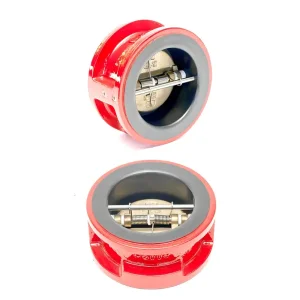
Manila Wastewater: Wholesale Full Rubber Coated Non-Clog Check Valve
Technical Datasheet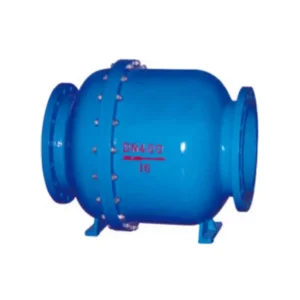
Mindanao Mining Drainage: CE Micro-Resistance Ball Check Valve
Technical Datasheet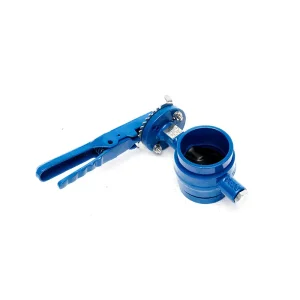
Philippine Fire Protection: High-Quality Grooved Manual Butterfly Valve
Technical Datasheet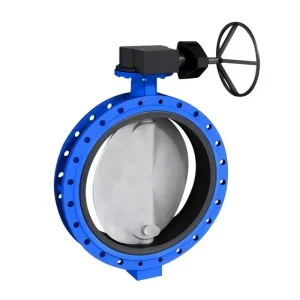
Metro Cebu Water District: Wholesale U-Section Butterfly Valve
Technical Datasheet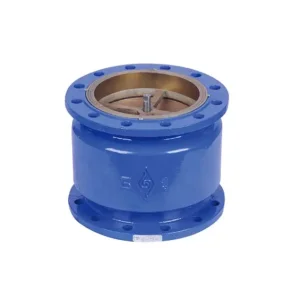
Commercial HVAC: CE Energy-Saving Silent Check Valve Anti-Hammer
Technical Datasheet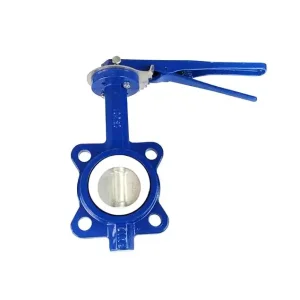
Visayas Chemical Plants: High-Quality PTFE Lined Pinless Butterfly Valve
Technical Datasheet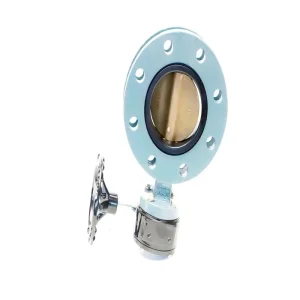
Geothermal Headers: ISO/DIN/BS High-Pressure Metal Hard Seal Butterfly
Technical Datasheet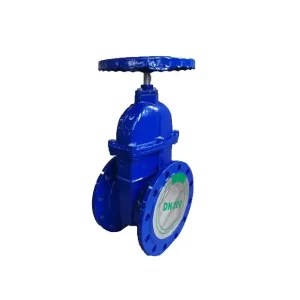
Philippine Aqueducts: CE DIN Elastic Resilient Seat Gate Valve
Technical DatasheetAccelerate Your Valve Procurement Timeline
Connect directly with our valve engineering division. We provide comprehensive bid documentation, tailored 2D/3D CAD drawings, MTR certifications, and factory-direct commercial quotations within 24 hours.
