
Direct Industrial Line
High-Performance Engineering Pipeline Showcase
Engineered for high-cycle isolation, zero-cavitation throttling, and severe operating service across global industrial plants.
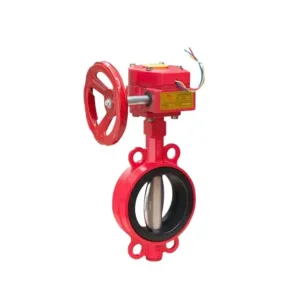
High-Quality Wafer Butterfly Valve – worm gear rubber lined butterfly valve Manufacturer, Factories
View Product Specs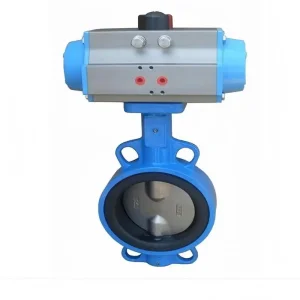
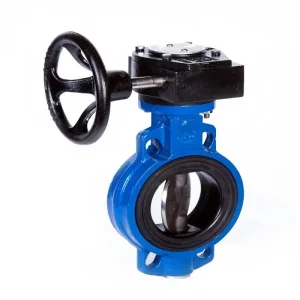
High-Quality Pneumatic Butterfly Valve - Efficient Flow Control Solution Suppliers, Factories
View Product Specs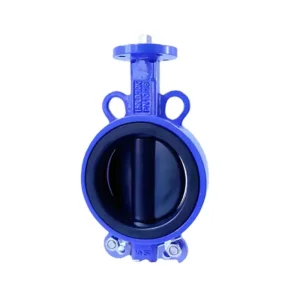
Wholesale Halar Lined Pinless Butterfly Valve Supplier, Manufacturer
View Product Specs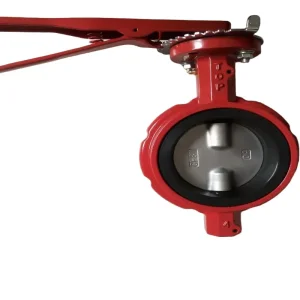
Wholesale Lugless Semi-Shaft Wafer Butterfly Valve - Durable & Reliable Manufacturer, Factory
View Product Specs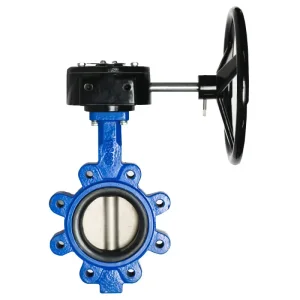
High-Quality Lug type Butterfly valve Suppliers, Manufacturers
View Product Specs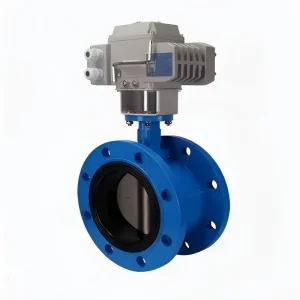
High-Quality High-Performance Electrical Butterfly Valve for Seamless Control Suppliers, Manufacturers
View Product Specs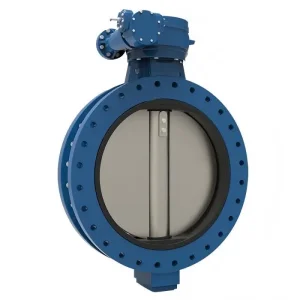
CE Certification Flanged Butterfly Valve - Durable & Efficient Flow Control Suppliers, Supplier
View Product Specs
Technical Innovation
Triple Eccentric Butterfly Valve (TOV) Engineering Paradigm
Deconstructing the geometry behind frictionless rotation, thermal compensation, and non-rubbing metal-to-metal bubble-tight sealing.
Offset 1 & Offset 2: Shaft Geometry
Offset 1 positions the shaft axis behind the sealing plane, providing an uninterrupted continuous seat track. Offset 2 moves the shaft centerline away from the pipeline bore, allowing instantaneous disc lift-off right as the stroke initiates, minimizing cycle friction and wear.
Offset 3: Inclined Conical Profile
The sealing cone axis is tilted relative to the pipe centerline. This geometry creates a cam-action, wedging effect without rubbing or jamming. Contact occurs only at the final point of shut-off, completely eliminating binding and guaranteeing zero operational galling.
Laminated vs. Solid Metal Trim
Available with stainless steel/graphite multi-layer laminated seals for resilient flex under extreme thermal fluctuations, or full Stellite-hardfaced solid metal seats engineered for erosive slurries, high temperatures up to +600°C, and cryogenic duty down to -196°C.
0 Leakage
API 598 & ISO 5208 Rate A
-196°C to +600°C
Cryogenic to Superheated Steam
Class 150-900
ASME B16.34 Rating Range
100,000+
Design Cycle Life Durability
Strategic Procurement
Global Sourcing Trends & Supply Chain Demands
How EPC contractors, offshore yards, and major utility consortiums evaluate total lifecycle costs and supply-chain integrity.
Fugitive Emission Reductions
With tightening environmental mandates (such as ISO 15848-1 Class AH and TA-Luft compliance), plants can no longer tolerate packing stem emissions. Advanced TOVs use live-loaded PTFE/graphite packing sets with dual anti-blowout stem designs to achieve ultra-low ppm containment.
Lightweighting vs. Gate & Ball Valves
For nominal sizes from DN300 to DN2000, traditional gate or trunnion ball valves present heavy structural penalties and elevated torque requirements. TOVs reduce valve face-to-face and payload weight by up to 60%, delivering major cost savings in skid engineering, structural steel, and actuator sizing.
Rigorous Factory Acceptance Criteria
Global procurement teams mandate comprehensive traceability: EN 10204 3.1 material certificates, radiographic (RT) and dye-penetrant (PT) inspections on pressure-retaining castings, ultrasonic testing (UT) on high-stress stems, and high-pressure gas testing to verify bubble-tight integrity.
Manufacturing Excellence
China Industry 4.0: Modern Valve Supply Resilience
Combining vertically integrated foundries, automated CNC machining clusters, and digital quality monitoring to support complex, high-volume project deliveries.
In-House Foundry Control
Operating dedicated foundry assets in Tianjin since 1996 enables metallurgical testing of melts—from ductile iron and WCB to CF8M, Duplex, and Monel—avoiding standard third-party casting porosities.
5-Axis CNC Precision
Triple offset conical profiles rely on high-precision machining tolerances. Digital CAM programming and 5-axis horizontal milling centers machine body seats and disc edges in a single setup for exact contour consistency.
Direct Elastomer & Trim
With proprietary rubber compounding capabilities dating back to 1987, plus automated hardfacing laser cladding for Stellite seats, complete sub-assembly processes remain internal without subcontracting dependencies.
100% Hydro & Gas Hydrotests
Every single manufactured unit is subjected to shell hydrostatic tests, bi-directional low-pressure pneumatic seat testing, and high-pressure differential seat verification in line with API 598 protocols before packaging.
Deployment Scenarios
Targeted Solutions Across Demanding Industries
Engineered to handle abrasive solids, rapid temperature swings, and chemical attack across mission-critical infrastructure.
| Operating Sector | Operational Parameters | Common Valve Failure Mode | Engineered TOV Solution |
|---|---|---|---|
| LNG & Cryogenics | -196°C, Methane, Ethylene, ASME 150/300 | Seat contraction, seal shrinkage, frozen stems | Extended bonnet design with drip plate, live-loaded stem packing, calibrated multi-layer 316L/graphite seat rings. |
| Refining & Hydrocarbons | +450°C, Hydrogen, FCCU catalyst slurries | Erosion of soft seats, thermal jamming of discs | Solid Stellite Gr. 6 hardfaced seat trim, non-rubbing cone-in-cone geometry, and firesafe certification to API 607. |
| District Energy & Geothermal | 25 bar, +180°C superheated water/steam | Degradation of EPDM seats, scale deposition | Metal-to-metal laminated seals with self-cleaning disc action to sweep away scale during closure stroke. |
| Desalination & Seawater | High chlorides, aggressive pitting risk | Rapid crevice corrosion, galvanic corrosion | Nickel Aluminum Bronze (NAB) bodies/discs, Monel shafts, and Duplex 2205/2507 alloys engineered to standard EN 1092-1 / ASME B16.5. |
Extended Product Spectrum
Comprehensive Industrial Valve Solutions
Discover our complementary line of resilient-seated, pinless, check, and severe-service specialty valves.
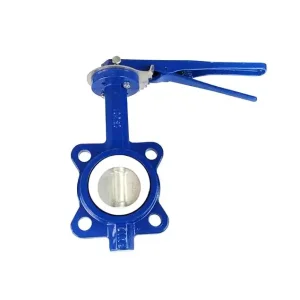
High-Quality PTFE Lined Pinless Butterfly Valve Supplier, Factories
View Product Specs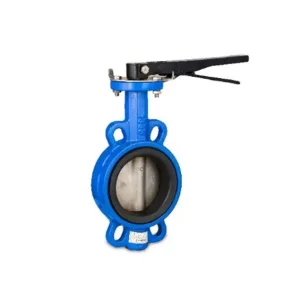
High-Quality Rubber Lined Pinless Butterfly Valve Supplier, Factories
View Product Specs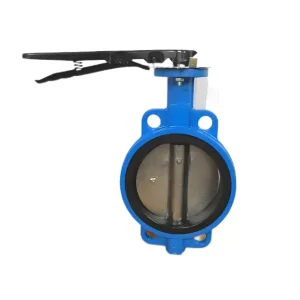
Wholesale Low - Pressure Wafer Type Butterfly Valve Supplier, Manufacturers
View Product Specs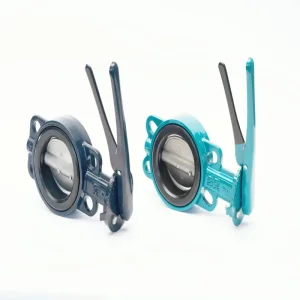
CE Certification Water-Safe Butterfly Valve for Efficient Flow Control Manufacturers, Manufacturer
View Product Specs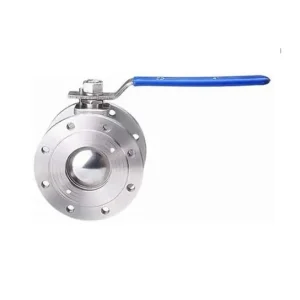
Wholesale Stainless Steel Ultra - Thin Ball Valve with Fire - Safe Design Supplier, Factories
View Product Specs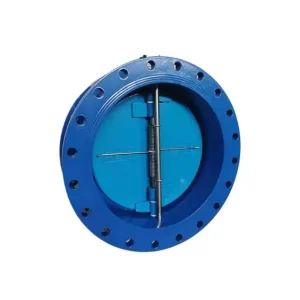
Wholesale Dual Plate Flange Type Check Valve Factories, Factory
View Product Specs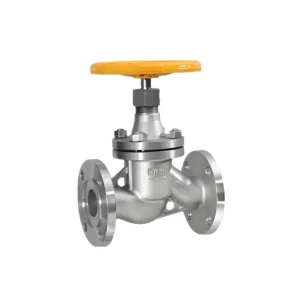
Wholesale Straight-Through Ammonia Globe Valve Manufacturers, Factory
View Product Specs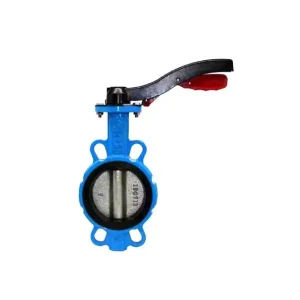
CE Certification Duplex Type Pinless Butterfly Valve Factories, Factory
View Product Specs
Technical Direct Answers
Frequently Asked Questions on Triple Offset Valves
In-depth responses to critical engineering, manufacturing, and procurement inquiries for pipeline engineers and buyers.
How does a Triple Eccentric Butterfly Valve achieve zero leakage compared to double eccentric designs?
▼
Double eccentric butterfly valves rely on an elastomer or PTFE seal ring where mechanical rubbing still occurs during the first 10-15 degrees of opening and closing strokes, leading to material creep and degradation under elevated temperatures. In contrast, the Triple Eccentric Butterfly Valve (TOV) introduces a third geometric offset: an inclined conical sealing angle. This creates a non-rubbing, cam-action wedging contact. The disc enters the seat only at the final point of closure, producing torque-seated metal-to-metal bubble-tight sealing without friction, compliant with API 598 zero-leakage standards.
What are the primary differences between laminated seats and solid metal seats?
▼
Laminated seats consist of alternating layers of metallic plates (commonly stainless steel 316L) and graphite or PTFE rings. This lamination provides spring-like elasticity to adapt to pipe thermal expansion and contraction, making it suitable for temperatures up to +425°C. Solid metal seats, usually overlaid with hardfacing alloys like Stellite Gr. 6 or Gr. 21, are engineered for high-temperature superheated steam (up to +600°C), abrasive catalyst slurries, and erosive media where graphite laminates could otherwise suffer wash-out.
Can Triple Eccentric Butterfly Valves handle true bi-directional flow shut-off?
▼
Yes. Modern precision-engineered triple offset butterfly valves are designed with symmetric shaft and seat geometry to provide bidirectional zero-leakage isolation. While line pressure in the preferred flow direction assists the disc into the conical seat, our heavy-duty stem design and high-strength shaft pin retention systems prevent shaft deflection in the reverse direction, guaranteeing full pressure-class shut-off conforming to API 598 and ASME B16.34 regardless of line orientation.
How does sourcing directly from Tianjin Top Valve guarantee supply chain reliability?
▼
Unlike trading companies or simple valve assemblers, Tianjin Top Valve integrates the group's manufacturing facilities: an independent casting foundry (established in 1996), our specialized rubber and elastomer plant (founded in 1987), and modern CNC machining centers on a unified 23,000 m² campus. We maintain complete metallurgical traceability from pig iron melting to shell testing, eliminating third-party sub-supplier delays, stabilizing project timelines, and lowering direct wholesale purchasing costs.
What documentation is provided to support international QA audits?
▼
Every shipment can be accompanied by an inspection dossier including EN 10204 Type 3.1 Material Test Reports (MTR) with heat chemistry and mechanical properties, API 598 pressure testing certificates, Non-Destructive Examination (NDE/NDT) reports (RT, UT, PT, MT where specified), API 607 Fire-Safe testing certificates, Fugitive Emission Test certificates (ISO 15848-1), and CE/PED compliance declarations.
