Direct Sourcing Catalog
Featured Industrial & Exhaust Valve Series (Part I)
Engineered across ductile iron, stainless steel, ceramic, and fluoropolymer configurations. Fabricated with our integrated foundry, CNC machining suites, and 100% pneumatic/hydrostatic seal verification.
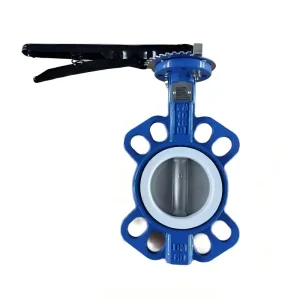
Wholesale PTFE Lined Cast Body Butterfly Valve Suppliers, Factory
View Specifications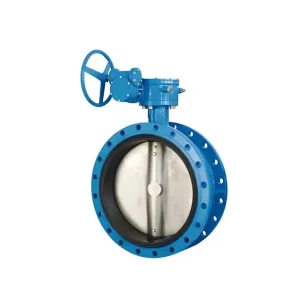
Wholesale Low - Torque Flange Type Butterfly Valve Supplier, Factory
View Specifications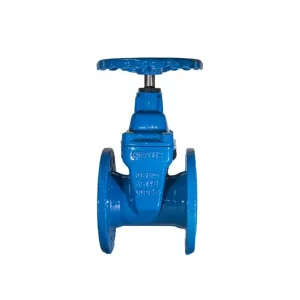
Wholesale Anti - Abrasion Elastic Seat Gate Valve with Reinforced Seat Suppliers, Supplier
View Specifications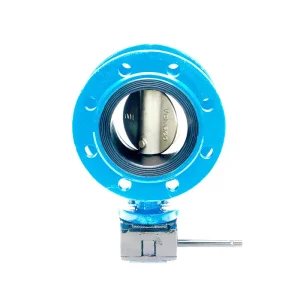
High-Quality Marine flange type manual operated butterfly valve Supplier, Manufacturers
View Specifications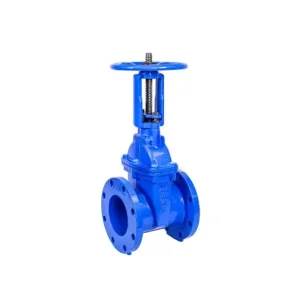
Wholesale Rising Stem Resilient Seat Gate Valve Supplier, Factory
View Specifications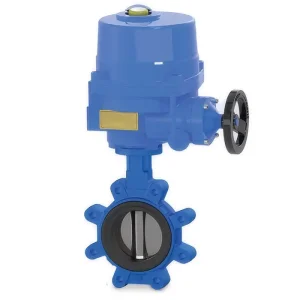
High-Quality Electrical butterfly valve Supplier, Manufacturer
View Specifications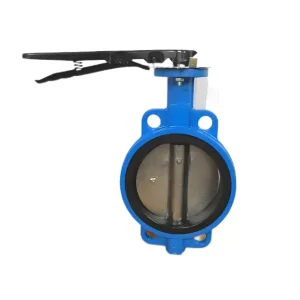
Wholesale Low - Pressure Wafer Type Butterfly Valve Supplier, Manufacturers
View Specifications
Industrial Status Report
Global Commercial Landscape: The Critical Role of Butterfly Exhaust Valves
In contemporary industrial infrastructure, butterfly valves deployed in exhaust, flue gas, and thermal discharge environments are no longer simple mechanical dampers. They function as precision regulatory instruments designed to withstand severe thermal expansion, acidic gas condensation, rapid cycle fatigue, and extreme pressure differentials.
Thermal Cycling Resilience
Industrial exhaust streams in combined-cycle power systems, regenerative thermal oxidizers (RTOs), and heavy diesel marine manifolds undergo extreme temperature swings ranging from ambient 20°C up to 650°C (1200°F) within short operational cycles. Standard resilient elastomeric seats disintegrate rapidly under continuous thermal radiation, demanding precision metallic clearances and graphite-infiltrated seals.
Corrosive Condensate Resistance
Flue gases containing sulfur oxides (SOx), nitrogen oxides (NOx), carbon monoxide, and volatile organic compounds (VOCs) create an aggressive sulfuric and carbonic acid slurry when exhaust streams drop below the acid dew point. Tianjin Top Valve utilizes PTFE-lined stainless discs, ceramic disc inserts, and Hastelloy overlays to mitigate catastrophic wall thinning and pitting corrosion.
Aerodynamic Throttling & Low Torque
Managing vast cubic-meter exhaust flow requires specialized disc hydrodynamic profiling. Offset triple-eccentric geometries minimize seat friction during actuation, drastically lowering operational torque profiles. This prevents actuator stalling in automated emissions monitoring and emergency shutdown sequences across commercial manufacturing complexes.
Strategic Horizons
Global Trends Driving Butterfly Valve Exhaust System Evolution
As international environmental regulations tighten and decarbonization mandates take legal effect worldwide, the technical parameters demanded by global procurement departments are rapidly shifting from basic isolation devices toward high-precision, low-emission mechanical instruments.
Stringent Fugitive Emission Mandates
Regulatory frameworks such as ISO 15848-1 and EPA Method 21 now enforce near-zero external leakage rates for exhaust valve packing glands. Stem sealing designs have pivoted toward live-loaded graphite chevron packing combined with secondary elastomeric O-rings to eradicate hazardous air pollutant bypass into occupied mechanical rooms.
Lightweight Castings & Compact Geometries
Modern naval vessels, container ships, and industrial exhaust stacks possess rigorous weight and envelope limits. Wafer and lug butterfly designs displace massive gate and globe structures by delivering up to 70% weight savings and 80% face-to-face space reduction without sacrificing structural pressure retention.
Digital Twin & Smart Actuation
The integration of HART, Modbus, and Profibus digital positioners on pneumatic and electric butterfly actuators allows real-time thermal drift telemetry, torque cycle trend logging, and predictive maintenance notifications, preventing sudden catastrophic plant stoppages.
Ceramic & Advanced Polymer Hybridization
Where high-velocity ash, catalyst dust, or particulate matter scour metal discs, specialized hybrid designs—such as Tianjin Top Valve’s ceramic disc butterfly series—deliver wear resistance orders of magnitude higher than standard 316 stainless steel or ductile iron coatings.
Comparative Matrix
Engineering Specification Matrix: Exhaust Valve Types vs Service Environments
Selecting the optimal exhaust butterfly valve involves evaluating operating temperature, chemical reactivity of the exhaust gas, particulate loading, allowable leakage rates, and mechanical actuation speed. The table below represents direct guidance from our factory application engineers.
| Valve Category & Architecture | Seat & Disc Formulation | Operating Temp Range | Pressure Rating | Primary Industrial Exhaust Application | Fugitive Emissions Class |
|---|---|---|---|---|---|
| Concentric Resilient Seated Wafer | Ductile Iron Body / EPDM or NBR Compound | -20°C to +120°C | PN10 / PN16 / Class 150 | Low-temp scrubber discharge, building exhaust air, water vapor vent | ISO 15848-1 Class B |
| PTFE-Lined Corrosive Gas Butterfly | Cast Steel or DI / Pure PTFE & PFA Liner | -30°C to +180°C | PN10 / Class 150 | Chemical manufacturing fumes, acid vapor scrubbers, chlorine exhaust | ISO 15848-1 Class A (Hermetic) |
| High-Performance Double Offset | 316SS or WCB Body / Reinforced R-PTFE Seat | -50°C to +260°C | Class 150 / Class 300 | Turbine exhaust extraction, VOC abatement, marine engine bypass | ISO 15848-1 Class A |
| Triple Offset Metal-Sealed (TOV) | CF8M / Stellite 21 Hardfaced Metal-to-Metal | -196°C to +650°C | Class 150 up to Class 600 | High-temperature flue gas, catalytic cracking, hot blast furnace vents | API 622 / ISO 15848 Class AH |
| Ceramic Disc Wafer / Flange | Alumina (Al2O3) or Zirconia Disc / Metal Core | -20°C to +450°C | PN10 / PN16 / PN25 | Abrasive fly ash exhaust, coal-fired boiler flue gas, cement kiln exhaust | Zero Particulate Erosion |
Global Deployment Scenarios
Localized Operational Scenarios & Sector-Specific Deployments
Exhaust stream dynamics vary drastically across regional regulatory frameworks and geographic operating conditions. Our wholesale supply networks support bespoke adaptations for the following major operating theaters.
Marine & Shipbuilding Exhaust Scrubbers
Under IMO MARPOL Tier III emissions targets, ocean-going container vessels and tankers utilize wet exhaust gas scrubbers to neutralize sulfur oxides. Our marine flanged butterfly valves and aluminum bronze discs withstand continuous exposure to hot marine exhaust gases coupled with hyper-saline ocean cooling wash water, preventing galvanic failure and preserving vessel operational certificates.
Combined Cycle & Cogeneration (CHP) Power
In cogeneration facilities, turbine exhaust gas must be diverted either through Heat Recovery Steam Generators (HRSG) or through a rapid-acting bypass stack. Our high-pressure metal seal hard-seal butterfly valves maintain tight shutoff against 550°C gas flows, maximizing thermal efficiency across district heating schemes in Northern and Eastern Europe.
Semiconductor & Cleanroom VOC Abatement
Fabrication facilities (fabs) across East Asia and North America vent solvent vapors, silane, and toxic etchant exhaust. Our PTFE-lined cast body butterfly valves guarantee non-reactive, contamination-free operation, preventing micro-particulate contamination while enduring automated throttling cycles driven by rapid industrial PLC systems.
Metallurgical Smelting & Blast Furnace Gas
Smelting exhausts contain heavy burdens of abrasive sinter dust, sulfur, and high CO concentrations. Our anti-abrasion elastic seat designs and ceramic disc configurations prevent rapid wall erosion, providing stable flow throttling across blast furnace off-gas distribution channels.
Industrial Drying & Kiln Operations
Cement manufacturing, paper pulp drying, and asphalt plants generate hot, moisture-laden particulate exhausts. Low-torque flange and wafer butterfly valves ensure reliable damper modulation even when ash buildup creates substantial mechanical resistance at the disc interface.
District HVAC Central Plant Venting
Chilled water plants, cooling towers, and boiler emergency exhaust ducts utilize WRAS-approved and CE-certified butterfly valves for reliable air isolation, pressure stabilization, and emergency smoke extraction during municipal infrastructure fire emergencies.
Verified Authority
Vertical Manufacturing Integration: The Tianjin Top Valve Advantage
Why do EPC contractors, valve stockists, and industrial plant operators in over 50 countries contract directly with Tianjin Top Automation Equipment Co., Ltd.? The answer lies in total, end-to-end manufacturing sovereignty without intermediary markups.
In-House Foundry Metallurgy (Est. 1996)
Operating through Tianjin Donglian Valve Factory since 1996, our foundry pours ductile iron (QT450-10), cast steel (WCB), stainless steel (CF8/CF8M), and nickel aluminum bronze (C95800) under spectrographic elemental monitoring. This eliminates raw casting porosity that causes catastrophic exhaust wall failure.
Proprietary Rubber & Seat Compounding (Est. 1987)
A valve’s sealing life is directly dictated by its elastomer chemistry. Operating Tianjin Dongfang Rubber Factory since 1987, we compound, formulate, and vulcanize our own EPDM, NBR, Viton, and silicone seats. By controlling molecular cure states in-house, we eliminate premature embrittlement caused by hot exhaust gas contact.
100% Shell & Seat Hydrostatic Verification
We enforce complete compliance with ISO 5208, API 598, and EN 12266 pressure testing. Every single valve body and seat is pressure-tested on automated testing benches before packing. We reject statistical sampling in favor of absolute unit-by-unit verification, backed by certified mill test reports (EN 10204 3.1).
Innovation Horizon
Technology Roadmap: Butterfly Exhaust Valves for 2030 and Beyond
Future-proofing fluid infrastructure requires anticipation of radical changes in fuel sources, operational temperatures, and automated process telemetry. Our R&D engineering department has committed resources to the following critical product frontiers.
Hydrogen & Ammonia Exhaust Compatibility
As power generation and maritime shipping adopt hydrogen blends and green ammonia, exhaust gases exhibit higher water-vapor contents and localized combustion temperature spikes. We are formulating specialized nickel-alloy matrix discs and high-purity ceramic coatings to prevent hydrogen embrittlement and high-temperature nitriding erosion.
Nanostructured Thermal Barrier Discs (TBC)
Utilizing plasma-spray physical vapor deposition, next-generation butterfly discs will feature micro-thin ceramic thermal barrier coatings. This isolates the structural ductile iron or carbon steel core from direct flame and ultra-high flue gas impingement, extending mechanical operating limits by over 200°C without requiring cost-prohibitive superalloys.
Autonomous AI Actuation & Edge Analytics
Collaborating with industrial automation partners, our electric actuation systems will embed edge-computing microchips capable of calculating remaining useful seat life based on continuous thermodynamic backpressure and actuation resistance monitoring, directly syncing with enterprise SCADA architectures.
Strategic Implementation
Macro Industry Solutions: Engineering Value for Wholesale Buyers & EPCs
Procuring industrial valves for massive megaprojects requires a robust balance of logistical certainty, certification compliance, and lifecycle cost economics. Here is how Tianjin Top Valve streamlines procurement operations for global engineering partners.
Total Cost of Ownership (TCO) Reduction
By consolidating body casting, elastomer vulcanization, precision machining, and export packaging inside our 23,000 m² campus in Tianjin, we eliminate subcontractor margins. Wholesale purchasers typically achieve a 20% to 35% reduction in direct unit procurement expenditure while receiving higher grade metallurgy and verified seat compounds.
Standardization Across Multi-National Codes
Global engineering, procurement, and construction (EPC) projects frequently contend with conflicting national flange and face-to-face specifications on the same jobsite. We supply butterfly exhaust and process valves drilled to EN 1092-2 (PN10/PN16), ASME/ANSI B16.5 / B16.47, JIS B2220, and BS 4504, accompanied by comprehensive bilingual 2D/3D CAD models.
Logistical Proximity to Major Maritime Hubs
Our facility in Dongli District, Tianjin, is situated within immediate trucking distance of Tianjin Port (Xingang)—Northern China’s premier maritime hub. This ensures direct container consolidation, reduced transit demurrage, customized heavy export crating, and rapid customs clearance for urgent scheduled project turnovers.
Engineering Help Desk
Frequently Asked Questions: Exhaust & Butterfly Valve Engineering
In-depth technical answers addressing valve selection, thermal calculations, elastomer limits, and operational troubleshooting directly provided by our quality engineering division.
What differentiates an exhaust butterfly valve from a standard liquid service butterfly valve?
Standard liquid service valves are optimized for hydrodynamic laminar flow, moderate temperatures (typically under 120°C), and continuous elastomeric wet lubrication. Exhaust butterfly valves operate in high-temperature compressible gas environments containing hot particulates, volatile vapors, and thermal expansion differentials. They require specialized disc clearances to prevent thermal binding within the body bore, expanded stem journal clearances, live-loaded high-temperature graphite or ceramic packing rings, and seat materials (such as reinforced Viton, PTFE, or metal-to-metal hard seals) specifically formulated to resist scorching and oxidation.
How do you calculate seat material suitability for acidic flue gas exhaust streams?
The primary factor is the flue gas composition and whether the operational cycle drops below the acid dew point (typically between 120°C and 150°C for sulfur-bearing fuels). If temperatures remain consistently above 180°C, fluorocarbon elastomeric seats can experience degradation, mandating pure PTFE lining (up to 180°C–200°C) or triple-offset metal-to-metal seating using high-nickel alloys such as Hastelloy C-276 or Inconel 625. If the exhaust drops below dew point and condensates form, standard EPDM swells and disintegrates; our chemical-grade virgin PTFE-lined cast body butterfly valves provide complete, impervious barrier isolation against corrosive sulfuric, nitric, and hydrochloric condensation.
Can butterfly valves be used for precision throttling in exhaust damper systems?
Yes, provided the disc operates within its effective linear throttling range—typically between 20° and 70° of opening. Below 20°, high-velocity exhaust gas scrubbing causes cavitation-like wire-drawing across the seat; above 70°, the incremental flow gain is minimal. For proportional throttling applications, we equip our butterfly valves with precision electric or pneumatic positioners featuring 4–20mA feedback loops, combined with aerodynamic contoured discs or ceramic wear components to prevent turbulent chatter and mechanical hysteresis.
What certifications are provided for marine scrubber exhaust installations?
Marine installations demand strict verification under classification society standards. Tianjin Top Valve manufactures marine-grade flanged and wafer butterfly valves that satisfy the material, mechanical, and pressure requirements of societies such as DNV, ABS, LR, BV, and CCS. Discs are commonly cast in nickel aluminum bronze (ASTM B148 C95800) or Duplex 2205/2507 to resist hyper-saline scrubber washwater. Full 3.1 material traceability certificates, hydrostatic shell test certificates, and coating thickness verification documents are provided with every wholesale shipment.
How does Tianjin Top Valve prevent shaft seizure in high-temperature exhaust cycles?
Differential thermal expansion between the valve body, stem shaft, and sleeve bearings is the leading cause of valve seizure in hot gas lines. We engineer our exhaust and high-temperature butterfly valves with increased engineering tolerances between the 17-4PH or 316SS stem and the body journal. Furthermore, we replace standard bronze bushings with high-lubricity sintered graphite-impregnated or carbon-bushings, and provide an elongated bonnet neck to displace the actuator mounting flange from radiant pipeline heat, ensuring smooth, non-stick quarter-turn actuation.
What is your standard production lead time and minimum order quantity (MOQ) for wholesale orders?
Because our group owns both the casting foundry and the rubber compounding facility, we maintain large inventories of semi-finished valve bodies (DN40 to DN1200) and seat liners. Standard wholesale orders are commonly dispatched in 15 to 25 business days. Custom alloy runs (such as Duplex stainless steel or specialized PTFE wall thicknesses) generally ship in 30 to 40 days. Minimum order quantities vary based on nominal diameter; contact our sales engineering department at [email protected] for customized container consolidation terms.
Comprehensive Valve Catalog
Featured Industrial & Exhaust Valve Series (Part II)
Complementary flow isolation, non-return check valves, and high-pressure steam/vacuum globe valves engineered to international ANSI, DIN, BS, and JIS standards.
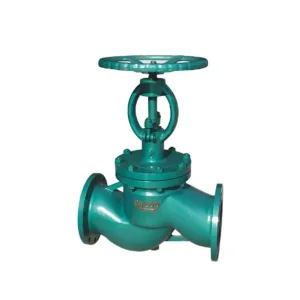
High-Quality High - Temperature - Vacuum Isolation Globe Valve for Vacuum Heat Suppliers, Factory
View Specifications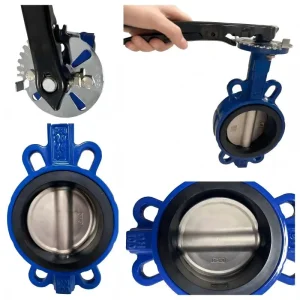
High-Quality WRAS Approved Butterfly Valve - High Performance & Durability 4020L Supplier, Manufacturers
View Specifications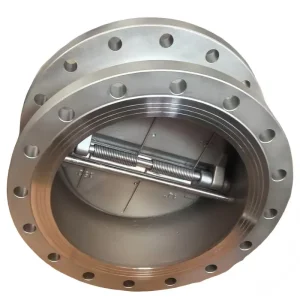
CE Certification Compact Low-Pressure Drop Wafer Lift Check Valve Supplier, Factories
View Specifications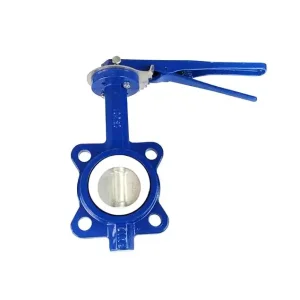
High-Quality PTFE Lined Pinless Butterfly Valve Supplier, Factories
View Specifications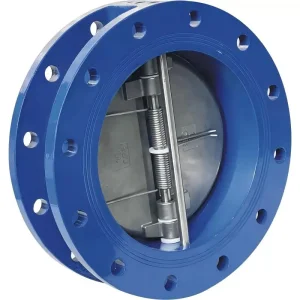
CE Certification Dual Plate Check Valve, Reliable Backflow Prevention Device Suppliers, Manufacturer
View Specifications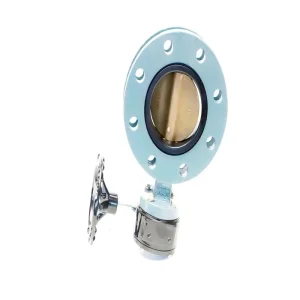
Wholesale CE/ISO/DIN/BS High Pressure Metal Seal Hard Seal Butterfly Valve Manufacturers, Manufacturer
View Specifications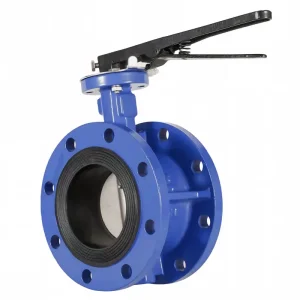
CE Certification Flanged Butterfly Valve with Lever Actuator - Durable & Reliable Manufacturers, Factory
View Specifications