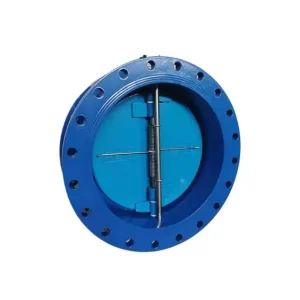
High-Performance Pipeline Valve Solutions
Direct-from-foundry precision valves engineered for demanding isolation duty across municipal water, steam evacuation, chemical plants, and heavy thermal loops.
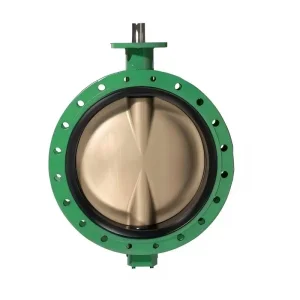
High-Quality Water Used Flanged Butterfly Valve - Durable & Efficient Manufacturer, Factories
Explore Specification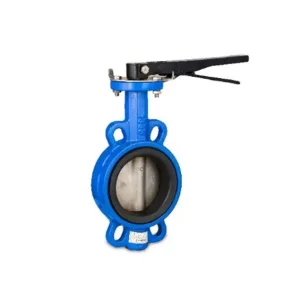
High-Quality Rubber Lined Pinless Butterfly Valve Supplier, Factories
Explore Specification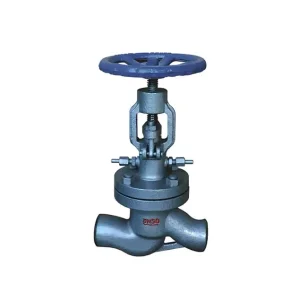
High-Quality Water Seal Globe Valve with Quick - Closing Feature Manufacturers, Manufacturer
Explore Specification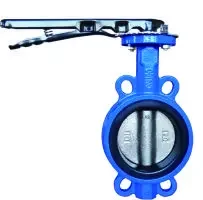
Wholesale Wafer Butterfly Valve - Durable & Efficient Flow Control Solution Suppliers, Factory
Explore Specification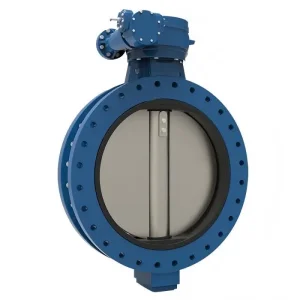
CE Certification Flanged Butterfly Valve - Durable & Efficient Flow Control Suppliers, Supplier
Explore Specification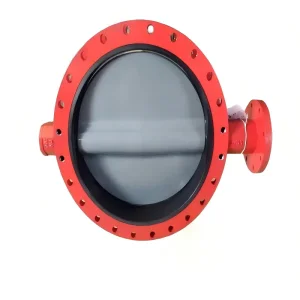
Wholesale Ceramic Disc Wafer Butterfly Valve - Durable & Efficient Design Supplier, Factories
Explore Specification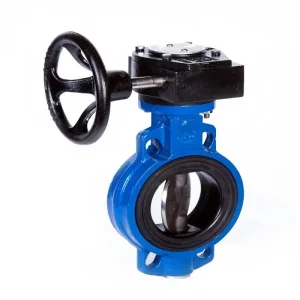
High-Quality Wafer Butterfly Valve – worm gear rubber lined butterfly valve Manufacturer, Factories
Explore Specification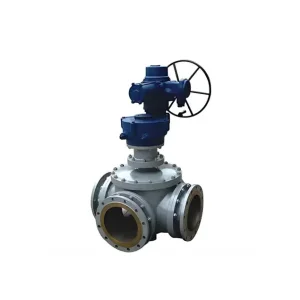
CE Certification Quick - Opening Three - Way Flange Ball Valve for Emergency Fluid Diversion Supplier, Factory
Explore SpecificationEngineering Paradigm: The Architecture of Vacuum Isolation Globe Valves
A comprehensive examination of fluid mechanics, Knudsen molecular flow regimes, and hermetic boundary sealing in high-integrity thermodynamic loops.
In modern industrial process engineering, fluid isolation within negative pressure and ultra-high vacuum regimes presents distinct challenges that conventional gate or butterfly valves cannot satisfy. The vacuum isolation globe valve was conceived to solve the problem of micro-leakage at the atmospheric boundary. Unlike conventional positive-pressure lines where internal pipeline pressure compresses the fluid outward against packing rings, vacuum environments create an inverse pressure differential. Atmospheric air at 101.325 kPa constantly attempts to penetrate the process boundary, causing air in-leakage, thermal oxidation, process medium contamination, and severe cavitation within downstream turbomachinery.
The technological evolution of high-quality vacuum isolation globe valves transitioned through three distinct engineering eras. During early development, simple dual-gland braided graphite packing was standard. However, thermal cycling and physical stem friction caused packing consolidation, resulting in vacuum decay rates exceeding 1.0 mbar·l/s. The second generation introduced specialized water-sealed or secondary lantern-ring chambers, which introduced a pressurized barrier fluid (often demineralized water) into the stuffing box to prevent air ingress. While effective for condenser steam evacuation systems, lantern-ring designs remain vulnerable to barrier-fluid migration into dry vacuum processes. The contemporary third generation utilizes multi-ply hydroformed metal bellows (Inconel 718 or 316Ti) combined with live-loaded Belleville spring packing configurations, achieving true hermetic isolation with helium mass spectrometer leak rates lower than 1 × 10⁻⁹ mbar·l/s.
Hermetic Metal Bellows Core
Multi-ply bellows assemblies laser-welded directly to the valve stem and bonnet abolish dynamic leak paths, guaranteeing zero fugitive atmospheric air intrusion under extreme molecular flow conditions.
Stellite Hardfaced Trims
Cobalt-base alloy (Stellite No. 6 / No. 21) plasma hardfacing on both disc and body seating profiles resists galling, wire-drawing, and thermodynamic scouring under high-velocity sub-atmospheric steam.
Optimized Fluid Aerodynamics
Computational Fluid Dynamics (CFD) guided contoured globe geometry minimizes pressure drops across the tortuous flow path while mitigating vortex shedding and acoustic vibration during transient evacuation.
Global Enterprise Sourcing Demands & Performance Standards
Cross-standard engineering criteria for EPC contractors, power utility consortiums, and chemical engineering authorities.
Global procurement specialists across North America, the European Union, the Middle East, and the Asia-Pacific region demand rigorous valve qualifications to prevent catastrophic plant shutdowns. In power generation, specifically subcritical, supercritical, and ultra-supercritical thermal power stations, the integrity of the condenser vacuum system directly correlates with overall thermal cycle efficiency. A minor atmospheric leak into the vacuum condenser loop degrades turbine backpressure, demanding elevated coal or natural gas consumption and increasing parasitic carbon emissions. Consequently, procurement protocols mandate compliance with ASME B16.34, API 623, BS 1873, and ISO 15848-1 emission constraints.
| Engineering Parameter | Standard Water-Sealed Globe Valve | High-Vacuum Bellows Isolation Valve | Governing Engineering Standard |
|---|---|---|---|
| Primary Sealing Mechanism | Secondary liquid barrier lantern ring + graphite | Multi-ply hermetic hydroformed metallic bellows | MSS SP-117 / EN 13709 |
| Helium Mass Spectrometer Leak Rate | ≤ 1 × 10⁻⁴ mbar·l/s | ≤ 1 × 10⁻⁹ mbar·l/s (Class AH Tightness) | ISO 15848-1 / DIN EN 12266 |
| Vacuum Level Suitability | Coarse to Medium Vacuum (100 to 0.1 mbar) | High to Ultra-High Vacuum (10⁻¹ to 10⁻⁸ mbar) | ASME B16.34 / API 623 |
| Body Casting Integrity | ASTM A216 WCB / EN 1.0619 (Radiography Level III) | ASTM A351 CF8M / Super Duplex / WCB (Level II 100%) | ASTM E446 / ASME Sec. VIII |
| Maintenance & Service Cycle | Periodic packing retorque every 3,000 hrs | Maintenance-free for > 10,000 full stroke cycles | BS 1873 / API 641 |
| Stem Friction Dynamic Torque | High friction across compacted packing sleeves | Ultra-low frictionless linear elastic movement | ISO 5211 Actuation Match |
Procurement Notice: Sourcing managers must ensure that supplier declarations specify third-party fugitive emission test certs conforming to ISO 15848-1 Class AH, combined with full EN 10204 3.1 chemical and mechanical material test reports (MTR) covering raw casting bodies and hydroformed bellows elements.
China Factory 4.0: Supply Chain Resilience & Manufacturing Superiority
How complete vertical integration from self-operated foundries to autonomous CNC machining centers drives unmatched reliability, short lead times, and global cost leadership.
The global industrial valve supply chain has undergone structural reconfiguration. Traditional component assembly shops relying on multi-tier outsourcing regularly encounter erratic metallurgical quality, non-metallic inclusion defects, porous castings, and protracted lead times. China Factory 4.0 infrastructure fundamentally eliminates these vulnerabilities by bringing the complete production lifecycle—from metallurgical melting and pattern design to high-precision machining and robotic laser cladded hardfacing—into a centralized ecosystem.
Operating dedicated foundry infrastructures (dating from long-standing manufacturing traditions) coupled with state-of-the-art polymer and elastomer compounding plants, modern Chinese production facilities control metallurgical grain structures directly. Utilizing lost-foam and automated resin-sand moulding lines, valve body castings achieve ASTM A216 WCB, ASTM A351 CF8, CF8M, and nickel-aluminum bronze alloys with micro-porosity levels far superior to standard sand casting. Real-time direct-reading optical emission spectrometers (OES) verify carbon, sulfur, silicon, and trace element chemistry prior to pouring, safeguarding cryogenic toughness and high-temperature creep strength.
5-Axis CNC Precision
High-rigidity horizontal and vertical machining centers execute disc profiles, stem micro-finishes (Ra < 0.2 µm), and bonnet sealing faces in single-setup operations to ensure zero runout alignment.
In-House Rubber Plant
Direct ownership of specialized compounding plants allows proprietary vulcanization of EPDM, FKM, and PTFE seats for resilient isolation valves, ensuring optimal compression set performance.
Robotic Hardfacing
Automated Plasma Transferred Arc (PTA) welding applies wear-resistant cobalt alloys uniformly across valve seats, eliminating porosity and micro-cracking common in manual welding methods.
100% Comprehensive NDT
Every critical casting undergoes radiographic (RT), ultrasonic (UT), liquid penetrant (PT), and hydrostatic pressure testing according to API 598 and EN 12266-1 before clearance for packaging.
Cross-Sector Critical Operations & Commercial Landscape
Deploying vacuum isolation globe valves to safeguard efficiency, purity, and environmental compliance across premier global industries.
Thermal & Nuclear Power Generation
Condenser air-removal, steam turbine exhaust de-aeration, and feed-water heater vacuum headers operate continuously at negative pressures. Vacuum isolation globe valves prevent ambient oxygen ingress, protecting titanium and admiralty brass condenser tubes from pitting corrosion.
Semiconductor & Polysilicon CVD
Ultra-pure chemical vapor deposition (CVD) and atomic layer deposition (ALD) processing lines mandate absolute hermetic isolation. Valves built with electro-polished CF8M stainless bodies prevent cross-contamination by toxic, pyrophoric precursors such as silane and arsine.
Cryogenic LNG & Liquid Hydrogen
Vacuum jacketed insulated piping (VIP) networks demand isolation valves with extended cold bonnets and multi-layer bellows. These maintain vacuum insulation levels down to 10⁻⁵ mbar, curbing boil-off gas (BOG) losses during liquid hydrogen transfers at -253°C.
Aerospace Thermal Vacuum Simulation
Spacecraft altitude chambers require rapid evacuation down to molecular regimes. Vacuum isolation globe valves deliver predictable conductance values and minimal outgassing rates, permitting rapid pump-down cycles without elastomeric contamination.
Petrochemical & VOC Vapor Recovery
Fugitive emission mitigation standards like Clean Air Act regulations and TA-Luft penalize volatile organic carbon leakage. Live-loaded bellows globe valves trap carcinogenic benzene, butadiene, and aromatic solvents under sub-atmospheric extraction without atmospheric loss.
Pharmaceutical Freeze-Drying (Lyophilization)
Bulk antibiotic and vaccine freeze-drying requires sterile vacuum boundaries. High-precision sanitary stainless steel globe valves maintain sterility throughout deep-vacuum sublimations and steam-in-place (SIP) thermal sanitation runs.
Localized Engineering Deployments & Performance Case Studies
Real-world thermodynamic data and root-cause solutions in severe operating environments.
Case 1: 1000MW Ultra-Supercritical Plant
Challenge: Excessive dissolved oxygen (DO > 15 ppb) in condenser hotwell causing premature boiler feedwater pipe failure due to air ingress via standard packed-gland isolation valves.
Deployment: Retrofitted DN150 PN25 Inconel bellows vacuum isolation globe valves featuring auxiliary live-loaded graphitic secondary packing.
Result: Dissolved oxygen dropped below 3 ppb; condenser turbine backpressure improved by 0.42 kPa, conserving over 1,800 metric tons of standard coal annually.
Case 2: Polysilicon Fluidized Bed Reactor
Challenge: Trichlorosilane (TCS) gas recovery lines experienced packing blowout and immediate atmospheric moisture reaction, forming toxic corrosive hydrochloric acid plumes.
Deployment: Replaced gate designs with full 316L bellows globe isolation units featuring Stellite 6 trims and helium leak certification to 10⁻⁹ mbar·l/s.
Result: Over 18 months of continuous cycling without packing degradation, zero fugitive alerts, and complete mitigation of hazardous downtime events.
Case 3: Marine LNG Carrier Cold Box
Challenge: Cyclic temperature drops down to -162°C created severe stem binding and seat leakage across conventional cryogenic valves during bunkering operations.
Deployment: Installed extended-bonnet vacuum isolation globe valves manufactured from cryogenically impact-tested ASTM A351 CF8M with dual linear guide stems.
Result: Bubble-tight bi-directional isolation achieved; boil-off venting reduced by 14% across intercontinental LNG transport passages.
Frequently Asked Questions: Industrial Vacuum Isolation Valves
In-depth engineering answers covering materials science, installation, leak-rate verification, and maintenance protocols.
High-Integrity Check, Butterfly & Flow Control Valves
Complete your flow-control architecture with fully certified non-return, high-pressure metal seal, and fast-acting industrial valves.
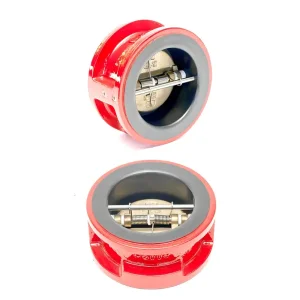
Wholesale Full Rubber Coated Check Valve Supplier, Factories
Explore Specification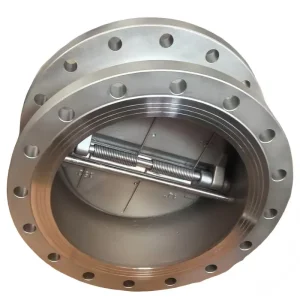
CE Certification Compact Low-Pressure Drop Wafer Lift Check Valve Supplier, Factories
Explore Specification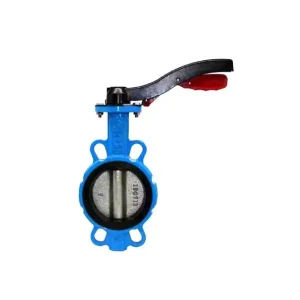
CE Certification Duplex Type Pinless Butterfly Valve Factories, Factory
Explore Specification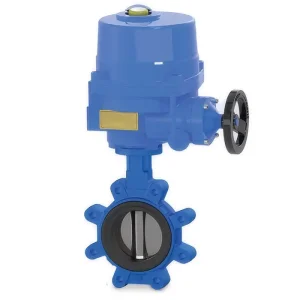
High-Quality Electrical butterfly valve Supplier, Manufacturer
Explore Specification
Wholesale CE/ISO/DIN/BS High Pressure Metal Seal Hard Seal Butterfly Valve Manufacturers, Manufacturer
Explore Specification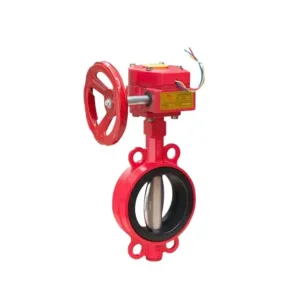
Wholesale Fire-Fighting Wafer Signal Butterfly Valve Supplier, Factory
Explore Specification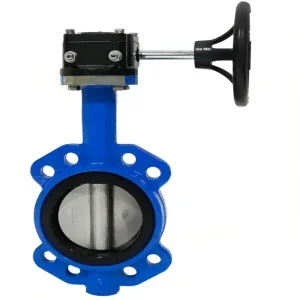
CE Certification Wafer Butterfly Valve,water usage butterfly valve Suppliers, Factories
Explore Specification