
Primary Heavy-Duty Flow Control Solutions
Explore our core engineered valves certified to global ASME, DIN, and ISO standards, fully manufactured in our group facilities with direct quality control.
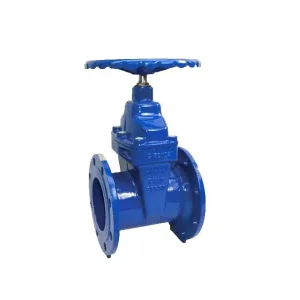
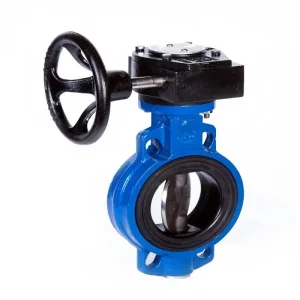
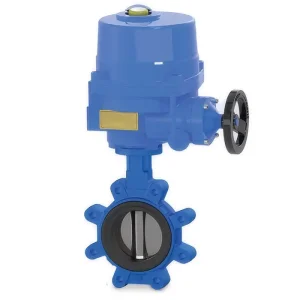
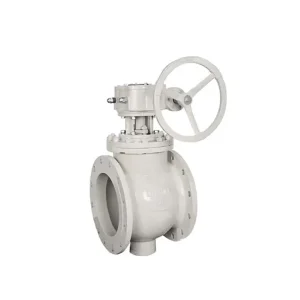
The Evolution of Fluoropolymer-Lined Butterfly Isolation Valves
Overcoming permeation, thermal elongation, and structural creep in ultra-hazardous and high-purity fluid applications.
In modern chemical processing, hydrometallurgy, battery slurry refinement, and semiconductor wet bench infrastructure, fluid handling systems are exposed to extreme corrosion, micro-permeation, and stringent cleanroom mandates. Standard metallic alloys—including Hastelloy C-276, Titanium, and Nickel alloys—often suffer from localized pitting, intergranular stress corrosion cracking, and astronomical procurement lead times. This operational bottleneck catalyzed the industrial adoption of PTFE (Polytetrafluoroethylene) lined butterfly valves as the definitive solution for harsh chemical control.
Unlike conventional elastomeric-seated valves (such as EPDM or NBR), PTFE delivers near-universal chemical inertness across the entire 0 to 14 pH continuum. However, the deployment of PTFE in industrial quarter-turn isolation has historically encountered three critical engineering hurdles: fluoropolymer cold flow (mechanical creep) under mechanical compression, molecular permeation of small-molecule acidic gases (such as dry chlorine, wet hydrogen chloride, and hydrofluoric acid), and differential thermal expansion between the fluoroplastic liner and the metallic cast ductile iron body.
Material Science: Virgin PTFE vs. Modified PTFE (TFM) vs. PFA Liners
Tianjin Top Automation Equipment Co., Ltd. (operating our specialized foundry and elastomer plants established in 1987 and 1996) integrates advanced polymer sintering and transfer molding methodologies to surpass standard market specifications. Modern lined valve longevity relies heavily on the specific grade of fluoropolymer deployed:
- Virgin PTFE (Polytetrafluoroethylene): Offers unrivaled chemical non-reactivity and low operating torque coefficients. Ideal for continuous temperatures up to 180°C (356°F) and standard concentration mineral acids. However, under cyclic dynamic pressure loads, virgin PTFE requires resilient elastomeric backing cushions to maintain consistent seating contact.
- Modified PTFE (e.g., Dyneon™ TFM™ 1600): A chemical modification incorporating a perfluoroalkoxy vinyl ether modifier. Modified PTFE features a significantly denser molecular polymer chain structure, reducing molecular voids, decreasing permeation rates by up to 60%, and slashing creep tendency under constant mechanical compression by 50%.
- Molded PFA (Perfluoroalkoxy): Utilized predominantly for high-integrity encapsulation of the valve disc. Because PFA is melt-processable, it yields superior disc adhesion, pinhole-free crystalline uniformity, and allows for thicker minimum barriers (typically 3.0 mm to 5.0 mm), which prevents liner collapse under full industrial vacuum conditions.
| Performance Parameter | Standard Virgin PTFE | Modified TFM™ PTFE | Melt-Molded PFA | Conventional Hastelloy C |
|---|---|---|---|---|
| Operating Temperature | -29°C to +180°C | -40°C to +200°C | -40°C to +200°C | -196°C to +400°C |
| Acid Resistance (HCl, H2SO4, HF) | Complete Inertness | Complete Inertness | Complete Inertness | Subject to Pitting in Wet HF |
| Permeation Resistance | Standard Industrial | Ultra-Low (60% Lower Void Ratio) | Near-Zero (Melt Crystalline) | Impermeable (Metal) |
| Full Vacuum Stability (-1.0 bar) | Requires Retaining Grooves | Engineered Dovetail Locking | Direct Core Mechanical Bonding | Inherent Rigid Stability |
| Spark Testing Verification | 14 kV (Non-Destructive) | 20 kV (High-Dielectric) | 20 kV (High-Dielectric) | Not Applicable (Conductive) |
Global Enterprise Procurement Demands: Addressing Chronic Failure Modes
Why Tier-1 EPC contractors, international chemical producers, and OEMs audit beyond cosmetic exterior finishes.
Liner Collapsing Under Industrial Vacuum
Standard butterfly liners can suck away from the body during transient negative pressures or rapid pump shutdowns. Our manufacturing features precision-machined dovetail locking channels in the ductile iron body casting, anchoring the PTFE liner permanently in place even under continuous 0.01 bar absolute pressures.
Stem Passage Fugitive Emissions
Volatile organic compounds (VOCs) and toxic acid vapors often leak through upper stem packings due to side-thrust wear. We engineer a triple-barrier live-loaded sealing mechanism: primary spherical disc-hub seal, secondary energized elastomer O-rings, and Belleville spring pre-loaded PTFE V-rings compliance with ISO 15848-1 and TA-Luft.
Bi-Directional Bubble-Tight Seat Integrity
Many lined butterfly valves provide tight sealing in only one flow direction. Our precision two-piece split body design compresses the PTFE liner against a resilient internal elastomer energizer (silicone or Viton®), ensuring Class VI zero-leakage isolation (API 598 / EN 12266-1) across the full bidirectional differential pressure range.
Engineered Fluid Solutions for Critical Process Environments
Providing operational dependability where fluid contamination or equipment failure carries catastrophic costs.
Chlor-Alkali & Wet Chlorine Synthesis
Wet chlorine gas, caustic soda (NaOH), and hydrochloric acid (HCl) synthesis rapidly corrode common metallic valves through nascent oxygen oxidation. Tianjin Top Valve PTFE-lined butterfly valves integrate virgin TFM liners with high-purity PFA encapsulated discs, eliminating iron ion leaching and resisting severe chemical attack during continuous chlor-alkali electrolysis cycles.
Lithium, Cobalt & Nickel Precursor Refining
Hydrometallurgical extraction of battery-grade lithium carbonate, nickel sulfate, and cobalt hydroxide demands continuous slurry piping handling hot, concentrated sulfuric acid and organic extractants. Our heavy-wall (minimum 3.5mm) molded PTFE liners and one-piece disc-stem designs resist abrasive crystal erosion and chemical degradation simultaneously.
Ultra-High Purity (UHP) Chemical Distribution
Modern microelectronics wafer fabrication requires ultra-clean handling of etching acids (electronic-grade HF, nitric, phosphoric acid). Our valves are molded in controlled environments, subjected to high-resistivity DI water ultrasonic cleaning, and assemble without pigment fillers to prevent trace metal or particle contamination in wafer wet cleaning systems.
Aggressive Wet Flue Gas Desulfurization (FGD) & Acid Leaching
Coal-fired power utilities and copper-gold leach extraction plants run acidic gypsum slurries with high chloride contents. Standard rubber liners swell or peel away when exposed to dissolved hydrocarbons or low pH conditions. Our dovetail-locked fluoropolymer liners provide complete protection against severe abrasive slurry abrasion and acidic scaling.
Active Pharmaceutical Ingredient (API) Batch Synthesis
Pharmaceutical synthesis requires frequent CIP (Clean-In-Place) and SIP (Steam-In-Place) sanitation cycles utilizing harsh sanitizers followed by high-pressure saturated steam. The non-stick, FDA 21 CFR 177.1550 compliant PTFE contact surfaces prevent cross-batch contamination, eliminate biofilm growth, and guarantee absolute physiological safety.
Comprehensive Compliance, Localized Logistics & In-House Foundry Control
Traceable manufacturing heritage from raw metallurgy casting to final hydrostatic and spark verification.
A critical vulnerability in global valve procurement is the reliance on multi-tiered trading brokers who source castings from unverified third-party foundries and elastomer seats from uncertified subcontractors. Tianjin Top Automation Equipment Co., Ltd. eliminates these risks through deep vertical integration. Operating on a 23,000 m² campus in Tianjin, China, our group incorporates Tianjin Donglian Valve Factory (established 1996) and Tianjin Dongfang Rubber Factory (established 1987).
Every single valve produced follows a rigorously audited technical trail:
- In-House Foundry Metallurgy: Ductile iron (ASTM A395 / GGG40.3), cast carbon steel (WCB), and stainless steel (CF8/CF8M) bodies are poured directly in our foundry. Spectral chemical analysis and optical metallography tests are performed on every batch to guarantee zero porosity and eliminate mechanical stress fractures under piping loads.
- In-House Elastomeric Compounding: Because our group has compounded high-elasticity rubber cushions since 1987, the energizing silicone, Viton®, or EPDM layers placed beneath the PTFE liner are formulated with low compression set characteristics. This guarantees that the valve retains dynamic sealing torque even after thousands of operational cycles.
- 100% Non-Destructive High-Voltage Spark Testing: In strict compliance with DIN EN 14430 and ASTM G62 standards, 100% of all PTFE and PFA wetted surfaces undergo electrostatic spark testing at up to 20,000 Volts (20 kV) before final factory sign-off. Any micro-void, pinhole, or structural defect is detected and rejected immediately.
- Global Actuation Standardization: Every butterfly valve body includes an integral ISO 5211 direct-mounting top flange. Whether specifying manual worm gears, pneumatic double-acting actuators, or intelligent electric positioners (HART / Profibus protocols), our valves pair seamlessly without expensive custom bracket fabrication.
Technical Roadmap: Next-Generation Valve Innovation
Anticipating the technological demands of future mega-scale chemical and hydrogen processes.
Conductive Antistatic Fluoropolymer (ATEX Zone 0)
Standard PTFE is an electrical insulator susceptible to dangerous electrostatic charge buildup in volatile solvent or combustible chemical lines. Our technical roadmap incorporates carbon-nanotube doped PTFE and PFA liners with surface resistivity under 106 Ohms, providing intrinsically safe ATEX Zone 0 explosive protection.
IoT-Enabled Torque Signature Monitoring
Integrating non-invasive micro-strain sensors within the valve neck assembly allows remote transmitters to measure dynamic opening/breakaway torque. Unusual torque shifts detect polymer swelling, abrasive crystallization, or seat wear well before catastrophic line leakage occurs, transitioning plants to predictive maintenance.
Nano-Composite Micro-Permeation Barriers
For high-concentration nitric acid and sulfur trioxide applications, we are developing multi-layer composite liners incorporating chemically exfoliated graphene nano-platelets. These platelets establish a tortuous path for migrating gas molecules, reducing permeation rates across corrosive boundaries by an additional 85%.
Specialty Municipal, Waterworks & Industrial Process Valves
Explore further configurations manufactured in our group facilities, from WRAS-approved water valves to heavy chemical liners.
Engineering Questions Answered: PTFE Lined Butterfly Valves
Essential selection, installation, and reliability guidance for piping engineers and procurement officers.
