
High-Integrity Valve Portfolio · Upstream & Pipeline Ready
Engineered to handle extreme hydraulic differentials, erosive particulate streams, and toxic sour hydrocarbon media. Verified by rigorous in-house hydro testing.
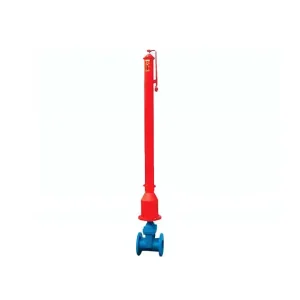
High-Quality Buried Elastic Seat Gate Valve for Reliable Flow Control Supplier, Factories
Technical Datasheet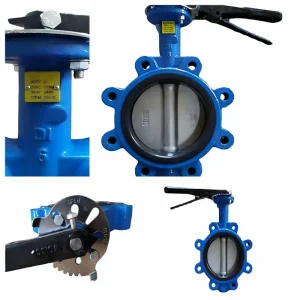
High-Quality WRAS Approved Butterfly Valve Lug Type 4325L Manufacturer, Factories
Technical Datasheet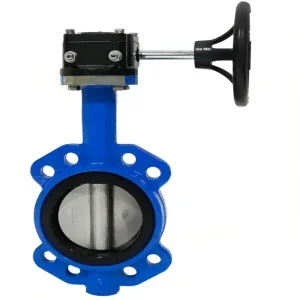
CE Certification Wafer Butterfly Valve,water usage butterfly valve Suppliers, Factories
Technical Datasheet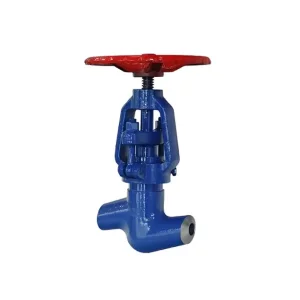
High-Quality High Temperature And High Pressure Power Station Globe Valve Manufacturers, Manufacturer
Technical Datasheet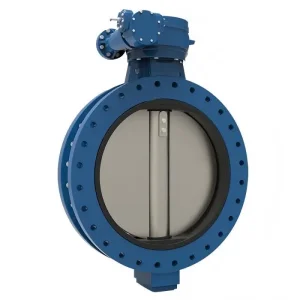
CE Certification Flanged Butterfly Valve - Durable & Efficient Flow Control Suppliers, Supplier
Technical Datasheet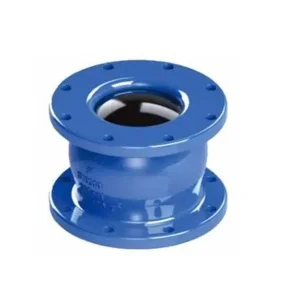
High-Quality High - Performance Silent Check Valve for Water Supply Systems Supplier, Manufacturers
Technical Datasheet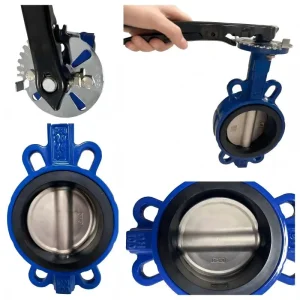
High-Quality WRAS Approved Butterfly Valve - High Performance & Durability 4020L Supplier, Manufacturers
Technical Datasheet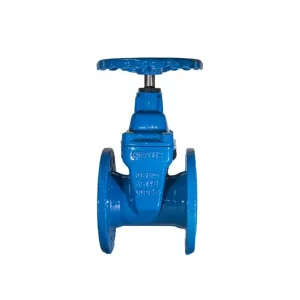
Wholesale Anti - Abrasion Elastic Seat Gate Valve with Reinforced Seat Suppliers, Supplier
Technical DatasheetThe Strategic Pivot to High-Integrity Plug Valves in Global Hydrocarbon Transport
The global energy market requires uncompromised pipeline isolation integrity. In the modern extraction and distribution of crude oil, wet gas, and refined petrochemicals, conventional isolation valves often experience catastrophic packing failure, cavity debris buildup, and seat degradation. High-quality oil and gas plug valves—engineered in modern certified factories—have emerged as the gold standard for severe, high-cycle, and contaminated multi-phase applications.
Unlike gate valves that feature extensive internal body cavities where particulates settle and impede travel, or standard ball valves susceptible to seal entrapment, modern eccentric and pressure-balanced lubricated plug valves operate with a rotational wiping action. As the plug rotates across its stationary seat, it shears away accumulated waxes, asphaltites, and scale, ensuring bubble-tight shut-off (ISO 5208 Rate A) even within abrasive slurries, heavy hydrocarbons, and high-velocity gas lines.
"The severe operational stresses encountered in offshore FPSO offloading, shale fracking gathering manifolds, and sour gas desulfurization units have pushed global procurement away from generic hardware toward vertically integrated valve factories capable of verifying chemical metallurgy and elastomeric formulation in-house."
Key Macro-Drivers Reshaping Energy Infrastructure Procurement
Three critical technical requirements are dictating engineering specifications across North America, the Middle East, Europe, and the Asia-Pacific region:
1. Mandatory Compliance with ISO 15848-1 and EPA Method 21: Fugitive emissions of methane and volatile organic compounds (VOCs) now carry severe regulatory penalties. Modern plug valve stem-sealing configurations employ live-loaded graphite packing systems coupled with secondary elastomeric O-rings to deliver hermetic external sealing under fluctuating thermal regimes (-29°C to +200°C).
2. Mitigating Cavity Overpressure in High-Differential Flow: In thermal liquid expansion scenarios, conventional trunnion ball valves require complex internal spring-loaded seats to relieve trapped body-cavity pressure. Plug valves circumvent this vulnerability entirely. Eccentric and pressure-balanced inverted plug architectures do not contain enclosed, isolated cavities when fully open or closed, eliminating the risk of catastrophic hydraulic burst.
3. Slurry and Proppant Resistance: In unconventional shale gas extraction, returns contain significant volumes of fracture proppant sand. The hard-faced sealing surfaces of plug valves—often overlaid with Stellite No. 6, tungsten carbide, or electro-less nickel plating (ENP)—withstand sand erosion far better than soft-seated gate or floating ball configurations.
Standard Design Criteria
- Governing DesignAPI 6D / ASME B16.34
- Face-to-Face SpecsASME B16.10 / API 6D
- Flange DimensionsASME B16.5 / B16.47
- Fugitive EmissionsISO 15848-1 / API 641
- Fire Safe StandardAPI 607 / ISO 10497
- Testing StandardAPI 598 / API 6D
- Sour Service NACEMR0175 / ISO 15156
- Pressure ClassesClass 150 to 2500
- Body MaterialsWCB, LCC, CF8M, 4A, 6A
Why Chinese Integrated Foundries Outperform Fragmented Supply Chains
Vertical control from raw molten melt to computerized dynamic torque testing eliminates intermediate logistics markups and guarantees 100% metallurgical traceability.
Captive Metallurgy & Foundry
Operating our own heavy casting facility ensures complete control over carbon equivalence, ferrite ratios in austenitic steels, and low-temperature Charpy impact performance. By eliminating outsourced raw castings, porosity and micro-cracking defects are identified and remediated before secondary machining.
In-House Rubber Plant (Since 1987)
Through Tianjin Dongfang Rubber Factory, our custom elastomeric formulations (EPDM, High-Fluorine FKM, Hydrogenated Nitrile HNBR, and Viton GLT) are mixed, vulcanized, and cured in-house. This eliminates explosive decompression failure under rapid high-pressure gas depressurization.
Multi-Axis CNC Machining Cells
The critical dimensional tolerances of eccentric plugs and spherical body seat faces require sub-micron precision. High-torque horizontal CNC machining centers bore, mill, and turn bodies and plugs in single setups, eliminating runout and guaranteeing consistent breakaway torque.
Chemical & Physical Analytics
Our Dongli District laboratory runs continuous optical emission spectrometry (OES), ultrasonic wall-thickness scanning, liquid penetrant testing (PT), magnetic particle inspection (MPI), and high-pressure cryogenic helium mass-spectrometry leak detection for severe gas services.
| Evaluation Parameter | Tier-1 Integrated Chinese Factory (Top Valve Group) | Fragmented Assembler / Trading Broker | Western Legacy OEM (Tier-1 Brand) |
|---|---|---|---|
| Casting & Shell Provenance | In-house foundry (Tianjin Donglian, est. 1996), direct 3.1 MTR | Third-party generic jobbing foundries, high defect risk | Outsourced global casting, rebranded and marked up |
| Seat Compound Integrity | Proprietary compounding (Tianjin Dongfang Rubber, 1987) | Generic commercial O-rings, unknown polymer purity | Proprietary compounds, high replacement spare cost |
| Pressure Test Verification | 100% Shell & Seat hydro + low-pressure air on every unit | Statistical batch sampling (often only 1 out of 10) | 100% hydro test with extensive documentation premium |
| Production Lead Time | 4 to 6 weeks for standard alloys; fast-track custom runs | 12 to 16 weeks subject to subcontractor delays | 26 to 40+ weeks due to complex bureaucratic backlog |
| Total Cost of Acquisition | Direct factory baseline, optimized logistics via Tianjin Port | Unstable pricing, recurring quality failure costs | 250% – 400% brand markup with long lead overhead |
Field Application Engineering: Upstream, Midstream & Refinery Operations
Plug valves are engineered to perform in critical locations where other valve types fail mechanically. The selection between lubricated pressure-balanced plug valves, sleeved non-lubricated valves, and high-performance eccentric designs depends on line media, thermal cycles, and cycle frequency.
1. Wellhead Manifold & Sand Separation Gathering (Upstream)
During early-life crude oil extraction, unrefined reservoir streams carry high concentrations of formation sand, drill cuttings, H2S, and saline brine. Conventional wedge gate valves fail because sand bridges the bottom seat pocket, preventing full closure. High-performance inverted pressure-balanced plug valves utilize dynamic grease sealant injection to provide both an impenetrable sealing barrier and a protective coating over metal surfaces during high-velocity slurry flow.
2. Gas Compressor Stations & Custody Transfer Isolation (Midstream)
High-pressure interstate natural gas transmission involves large-diameter lines (Class 600, 900, and 1500). Fast shutoff speed and low pressure drop are vital. Lubricated plug valves provide a straight-through venturi or regular port geometry with negligible flow turbulence. The single quarter-turn (90°) actuation enables emergency shutdown (ESD) within seconds via pneumatic, hydraulic, or electric actuators without inducing dangerous water-hammer shocks.
3. Refinery Fluid Catalytic Cracking (FCCU) & Coking Service (Downstream)
In refinery delayed coking and catalytic cracking, temperatures routinely exceed 400°C with heavy hydrocarbon vapors prone to thermal solidification. Conventional ball valve cavities pack solid with carbonaceous coke. Metal-to-metal seated eccentric plug valves rotate cleanly away from the body seat upon initiation of opening, preventing sliding friction that would scour sealing faces. In combination with purge ports, they deliver years of maintenance-free service.
4. Offshore Subsea Flowlines & FPSO Turret Manifolds
Subsea installations require maximum pressure containment with zero tolerance for external leakage. Fully welded or bolted flanged plug valves cast from 25Cr Super Duplex Stainless Steel (UNS S32750) or Inconel 625 clad carbon steel resist chloride pitting and stress corrosion cracking in deep-water environments, delivering maintenance intervals exceeding 20 years.
Alloy Selection by Duty
- Sweet Crude & GasASTM A216 WCB / WCC
- Low Temp / ArcticASTM A352 LCC / LCB
- Sour Service (H2S)NACE MR0175 + Inconel
- Corrosive Brine/AcidDuplex 2205 / Super 2507
- Refinery AlkylationMonel 400 / Alloy 20
- Plug CladdingStellite 6 / ENP Coating
- Sleeve PolymersVirgin PTFE / PFA / PEEK
Engineering Evaluation Checklist for Global Valve Purchasing Teams
A structured technical protocol for EPC QA/QC managers and supply chain directors auditing Chinese plug and industrial valve manufacturing plants.
1. Material Test Reports (EN 10204 3.1 & 3.2)
Verify that raw material heat numbers match final machined body and plug components. The factory must furnish optical emission chemical spectroscopy data and physical mechanical tensile, yield, and elongation reports with full traceability to the pouring ladle.
2. Fire-Safe Validation (API 607 / ISO 10497)
In downstream hydrocarbon service, valves must withstand a direct 30-minute burn at temperatures up to 1000°C without catastrophic structural rupture. Ensure the factory possesses third-party witnessed fire-test certification with verifiable through-seat and external leakage metrics.
3. Double Block and Bleed (DBB) Testing
For custody metering and critical isolation, verify whether the plug valve architecture conforms to API 6D DBB or DIB-1 / DIB-2 parameters. Testing requires simultaneous cavity venting under differential upstream and downstream pressure to confirm zero cross-contamination.
4. Operating Torque & Actuator Sizing Margins
Verify calculated breakaway, running, and reseat torque curves under maximum operational differential pressure (ΔP). A minimum safety safety factor of 1.35 (standard service) or 1.5 (slurry/heavy crude) must be engineered into automated gearbox and actuator mounting brackets.
Precision Flow Control: Gate, Check & Butterfly Valve Technologies
Complementary high-reliability valves manufactured within our Tianjin industrial group, serving heavy process, petrochemical utilities, and transport lines.
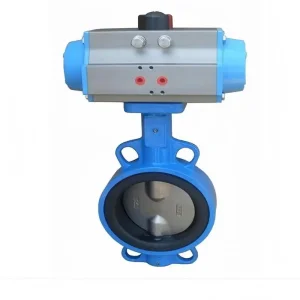
High-Quality Pneumatic Butterfly Valve - Efficient Flow Control Solution Suppliers, Factories
Technical Datasheet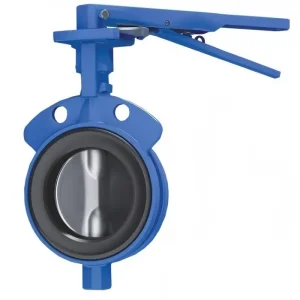
High-Quality EPDM Lining Butterfly Valve - Durable & Corrosion Resistant Suppliers, Manufacturers
Technical Datasheet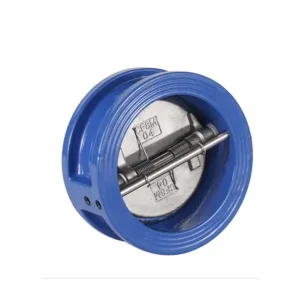
High-Quality High - Performance Dual Plate Wafer Check Valve for High - Flow Pipeline Systems Manufacturer, Factory
Technical Datasheet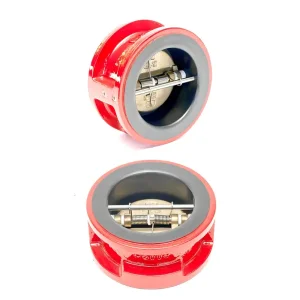
Wholesale Full Rubber Coated Check Valve Supplier, Factories
Technical Datasheet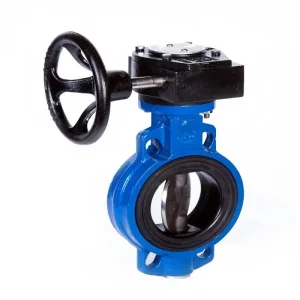
High-Quality Wafer Butterfly Valve – worm gear rubber lined butterfly valve Manufacturer, Factories
Technical Datasheet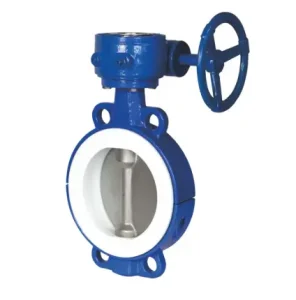
Wholesale PTFE Lined Butterfly Valve - Durable & Corrosion Resistant Manufacturers, Manufacturer
Technical Datasheet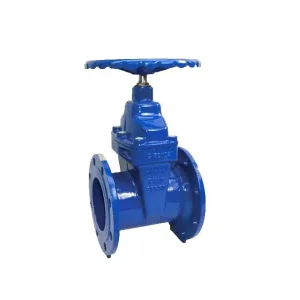
High-Quality Non-Rising Stem Elastic Seat Sealing Gate Valve Manufacturer, Factory
Technical Datasheet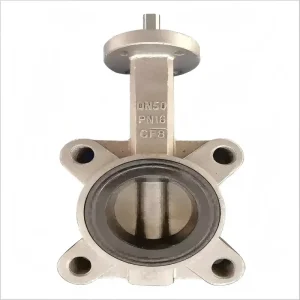
Wholesale Semi Lug Butterfly Valve - Durable & Versatile Flow Control Manufacturers, Manufacturer
Technical DatasheetFrequently Asked Engineering Questions: Oil & Gas Valve Sourcing
Direct responses from our chief metallurgical engineers and quality directors on design limits, materials, and international certifications.
Audit Our Factory · Request Custom Valve Specifications
Connect directly with our engineering team in Tianjin, China. Whether you need Class 1500 eccentric plug valves, WRAS-approved water butterfly valves, or custom-alloy check valves, our foundry and CNC lines deliver unmatched lead times, traceability, and competitive direct-source pricing.
Direct Sales: [email protected] | Tel: +86-22-84913799 | WhatsApp: +86 195 0199 8923
