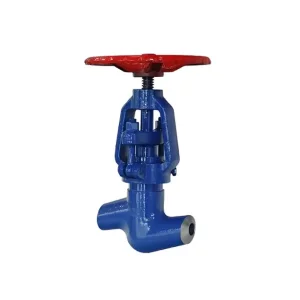
Precision Flow Control & Isolation Solutions
Direct factory manufacturing: In-house metallurgy, precision CNC machining, and automated pressure testing across international standards (ASME, DIN, BS, JIS).
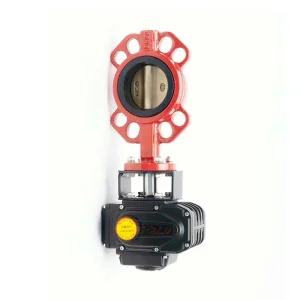
High-Quality Actuator Wafer Butterfly Valve Supplier, Manufacturers
View Technical Specs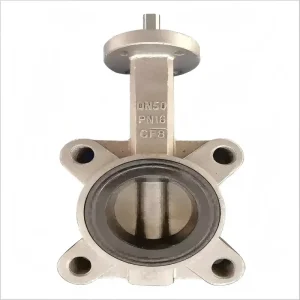
Wholesale Semi Lug Butterfly Valve - Durable & Versatile Flow Control Manufacturers, Manufacturer
View Technical Specs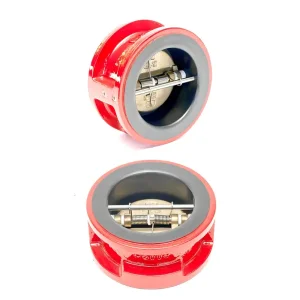
Wholesale Full Rubber Coated Check Valve Supplier, Factories
View Technical Specs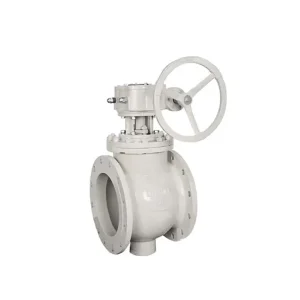
CE Certification High - Pressure Eccentric Plug Valve for Oil and Gas Supplier, Manufacturer
View Technical Specs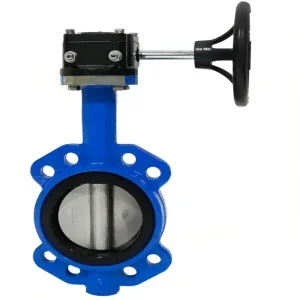
CE Certification Wafer Butterfly Valve,water usage butterfly valve Suppliers, Factories
View Technical Specs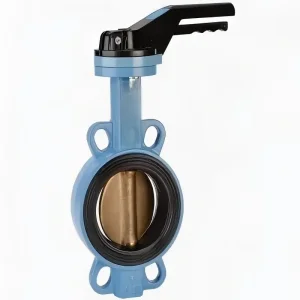
CE Certification Bronze Disc Wafer Butterfly Valve - Durable & Efficient Manufacturers, Factory
View Technical Specs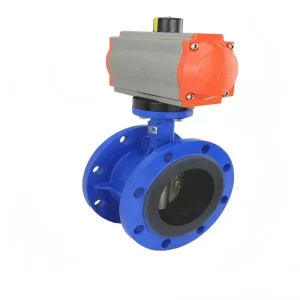
High-Quality Pneumatic Butterfly Valve - Reliable Flow Control Solution- Lug butterfly valve, flanged butterfly valve Suppliers, Manufacturers
View Technical Specs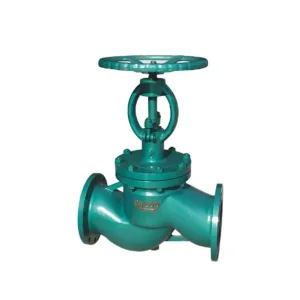
High-Quality High - Temperature - Vacuum Isolation Globe Valve for Vacuum Heat Suppliers, Factory
View Technical SpecsProcurement Engineering: Anti-Ammonia Globe Valve Systems
A deep dive into metallurgical challenges, fugitive emissions prevention, and mission-critical specifications required by international plant operators and EPC contractors.
Hermetic Stem Containment
Anhydrous ammonia (NH3) poses severe respiratory hazards and environmental risks. Conventional stem packing designs are inherently vulnerable to thermal cycling wear. Our anti-ammonia globe valves integrate multi-ply hydroformed Hastelloy or 316L stainless steel bellows seals combined with a secondary emergency O-ring/graphite packing chamber, ensuring zero fugitive emissions conforming strictly to ISO 15848-1 Class A and TA-Luft standards.
- Zero leakage to atmosphere (≤ 10−6 mg/s·m)
- 10,000 full-stroke endurance cycling verified
Cryogenic Impact Toughness
Liquid ammonia vaporizes rapidly, generating sudden localized drop temperatures approaching -33.34°C at atmospheric pressure and down to -50°C in sub-cooling refrigeration stages. Standard carbon steels undergo ductile-to-brittle transition, leading to catastrophic brittle failure. We engineer valve bodies from normalized low-temperature cast steels (ASTM A352 LCB/LCC) or austenitic stainless steel (ASTM A351 CF8/CF8M) with Charpy V-notch testing down to -46°C.
- Charpy impact energy ≥ 27 Joules at -46°C
- Copper-free metallurgy (0.00% copper alloys)
Optimized Hydrodynamic Trim
Ammonia systems are acutely sensitive to pressure transients and cavitation flashing. Our globe valve plug trims feature a parabolic contour and guided seating geometry surfaced with Stellite alloy hardfacing or virgin PTFE/RPTFE soft seating. This guarantees bubble-tight Class VI shut-off under fluctuating discharge pressures, prevents wire-drawing erosion across the seat ring, and minimizes hydrodynamic cavitation.
- Conical plug design for high-precision throttling
- Back-seating stem design for packing isolation
Worldwide Engineering Deployment & Duty Profiles
Supplying EPC mega-projects across North America, the European Union, the Middle East, and Asia-Pacific in compliance with stringent safety and environmental regulations.
Industrial Cold Storage
Large-scale distribution centers and food processing facilities depend on high-efficiency NH3 refrigerant loops (R717). Valves function as master isolation units on liquid receivers, compressor discharge headers, and evaporator feed stations, sustaining long intervals without gland maintenance.
R717 RefrigerationFertilizer & Chemical Plants
Haber-Bosch synthesis loops, urea reactors, and nitric acid production trains operate under elevated pressures up to PN160 and fluctuating thermal gradients. Globe valves ensure safe fluid metering, emergency isolation, and pressure regulation without hazardous vapor venting.
Haber-Bosch LoopsMarine Ammonia Bunkering
As maritime shipping accelerates decarbonization, green ammonia is emerging as a premier zero-carbon bunker fuel. Our anti-ammonia globe valves fulfill marine class society rules (DNV, LR, ABS, BV) for cryogenic bunkering manifolds, fuel conditioning skids, and vapor return lines.
Green Marine BunkeringSCR DeNOx Power Systems
Thermal power plants and waste-to-energy stations utilize aqueous or anhydrous ammonia injection in Selective Catalytic Reduction (SCR) systems to eliminate nitrogen oxides (NOx). High-precision throttling globe valves provide stable mass flow dosing under constant duty cycles.
SCR DeNOx Exhaust| Engineering Parameter | LCB / LCC Low-Temp Cast Steel | CF8M / 316 Stainless Steel | WCB Normalized Cast Steel |
|---|---|---|---|
| Governing Standard | ASTM A352 / EN 10213-3 (1.6220) | ASTM A351 / EN 10213-4 (1.4408) | ASTM A216 / EN 10213-2 (1.0619) |
| Operating Temperature | -46°C to +150°C | -196°C to +300°C | -29°C to +200°C |
| Pressure Ratings | Class 150 - 600 / PN16 - PN100 | Class 150 - 900 / PN16 - PN160 | Class 150 - 300 / PN16 - PN40 |
| Stem Sealing Barrier | Bellows Seal (Hastelloy/316Ti) + O-Ring | Welded Bellows + Loaded Chevron PTFE | Dual PTFE V-Ring + Graphite Backup |
| Seat Leakage Rate | ANSI / FCI 70-2 Class VI / EN 12266 Rate A | ANSI / FCI 70-2 Class VI / Bubble-Tight | ANSI / FCI 70-2 Class V / Rate B |
| Primary Target Media | Sub-zero liquid NH3, CO2 cascade loops | Corrosive wet ammonia, ammonium nitrate | Ambient gaseous ammonia, flash return lines |
Foundry, Metallurgy & Elastomer Synthesis
Vertical integration eliminates sub-tier subcontracting vulnerabilities. Our industrial group unites foundry casting, proprietary elastomer compounding, precision CNC milling, and non-destructive examination under one roof.
In-House Foundry Metallurgy (Est. 1996)
Through Tianjin Donglian Valve Factory, raw ingot selection and electrical induction melting are subject to real-time optical emission spectrometry. Every melt heat code is tracked, verifying that trace elements like phosphorus, sulfur, and copper are strictly limited to prevent Stress Corrosion Cracking (SCC) in ammonia atmospheres.
- Zero copper content guaranteed
- EN 10204 3.1 & 3.2 material traceability
Custom Elastomer Plant (Est. 1987)
Operated via Tianjin Dongfang Rubber Factory, our in-house rubber lab compounds proprietary EPDM, chloroprene (Neoprene), and fluorocarbon formulations engineered specifically for media compatibility. Ammonia accelerates swelling and embrittlement in inferior rubbers; our compounding ensures low compression set and zero explosive decompression.
- Tested across pure anhydrous liquid & gaseous NH3
- Resistant to refrigeration compressor lubricants
100% Non-Destructive Testing (NDT)
Pressure envelope integrity is guaranteed prior to crating. Shell hydrostatic testing reaches 1.5× design pressure, while high-pressure helium mass spectrometer sniff testing verifies that bellows assemblies, body-to-bonnet gaskets, and stuffing boxes achieve zero micro-porosity leakage under operating conditions.
- Helium leak detection to 10−9 mbar·l/s
- Radiographic (RT) and dye-penetrant (PT) inspection
Next-Gen Ammonia Infrastructure: Digitalization & Hydrogen Economy
Ammonia (NH3) is recognized as the ultimate hydrogen energy carrier. Our forward research lab is driving four major innovation tracks to support the green energy transition.
IoT Smart Valve Telemetry
Integrated acoustic emission sensors and micro-transducers installed within the globe valve bonnet monitor micro-leakage, stem torque variance, and bellows cycle life, transmitting predictive maintenance data via WirelessHART or LoRaWAN protocols.
Severe Service Laser Cladding
Application of advanced Tungsten Carbide and Stellite 21 overlays via high-velocity robotic laser cladding on valve discs and seats, increasing abrasive slurry resistance and extending cavitation resistance up to 400% in high differential pressure throttling.
Deep Cryogenic Extended Bonnets
Pioneering extended column gas vapor seal bonnets engineered in compliance with BS 6364 for green ammonia cracking and deep refrigerated liquefied hydrogen/ammonia co-processing facilities operating down to extreme cryogenic boundaries.
Additive Topology Optimization
Leveraging metal 3D printing (SLM) for internal fluid flow galleries, reducing flow resistance (Kv / Cv improvement of 18%), lowering overall valve body weight, and eliminating parasitic pressure drops across massive cold-chain transport networks.
Worldwide Compliance & Localized Engineering Support
Navigating regional hazardous gas directives and pressure equipment mandates with certified documentation and responsive engineering services.
International Code Certifications
Our complete anti-ammonia and industrial valve range holds validated compliance for pressure boundaries under Pressure Equipment Directive (PED 2014/68/EU Module H) with CE marking, UKCA for British industrial infrastructure, EAC (TR CU 010 & 032) for Eurasia, and Canadian Registration Numbers (CRN) across all provinces.
Port Logistics & Global Delivery
Based in the Wuxia Industrial Park, Dongli District, Tianjin, our facilities enjoy direct, multi-lane container truck access to Tianjin Port—Northern China’s maritime gateway. Standard products ship with customized export fumigated timber crates, vapor-barrier desiccants, and protective flange covers to protect machined surfaces.
Dedicated Engineering Support
Procurement teams and design institutes receive comprehensive engineering submittal packages within 24 hours. Our technical bureau generates full 3D CAD models (STEP, IGES), 2D dimensional schematics, flow coefficient calculation curves (Cv/Kv values), and comprehensive Material Test Reports (MTRs).
Frequently Asked Questions: Anti-Ammonia Valves
Direct technical clarity for piping designers, chemical engineers, plant managers, and industrial purchasing directors.
Why are copper and yellow brass alloys strictly prohibited in ammonia globe valves?
Ammonia rapidly reacts with copper and copper-bearing alloys (such as brass, bronze, and aluminum bronze) in the presence of trace moisture to synthesize complex cuprammonium ions: [Cu(NH3)4]2+. This chemical complex induces severe, catastrophic Stress Corrosion Cracking (SCC) and rapid intergranular embrittlement across the alloy structure. Consequently, our anti-ammonia globe valves are engineered with 100% copper-free metallurgy, relying on high-grade carbon steel (WCB, LCB, LCC), 304/316 stainless steel, ductile iron, and specialized nickel alloys for all body, trim, stem, and bushing components.
What is the structural difference between a bellows seal globe valve and a conventional gland-packed valve?
A conventional globe valve relies entirely on compressive friction between flexible graphite or PTFE packing rings and the reciprocating valve stem to maintain containment. Over time, cycling, friction, and thermal expansion cause gradual packing degradation, permitting fugitive gaseous ammonia emissions. In contrast, a bellows seal globe valve encloses the reciprocating stem within a hermetically welded, flexible metallic bellows cartridge (commonly multi-ply Hastelloy C-276 or SS316Ti) that expands and contracts with valve travel. This provides a continuous physical metallic barrier with zero dynamic friction paths to atmosphere. As a secondary safeguard, an auxiliary gland packing chamber sits above the bellows to guarantee failsafe containment.
Which body materials should be specified for sub-zero liquid ammonia lines down to -46°C?
For service temperatures between -29°C and -46°C, ASTM A352 Grade LCB or LCC normalized low-temperature cast steels are the recommended standard. These alloys undergo specialized heat treatment regimens and mandatory Charpy V-notch impact testing to ensure fracture toughness and prevent brittle catastrophic failure. For temperatures lower than -46°C down to -196°C (such as deep refrigerated carrier terminals), austenitic stainless steels conforming to ASTM A351 Grade CF8 or CF8M must be selected, combined with extended bonnets to keep the stem packing gland above freezing temperatures.
How does the valve design address thermal expansion of trapped liquid ammonia?
Liquid ammonia exhibits an exceptionally high coefficient of volumetric thermal expansion (substantially higher than water). If liquid ammonia becomes trapped in a closed cavity—such as an isolated valve bonnet or between seat seals—subsequent ambient heat gain causes rapid hydrostatic pressure build-up, potentially exceeding the valve pressure boundary burst strength. Globe valves are fundamentally safer than standard floating ball valves in this regard because the globe valve fluid cavity remains in continuous communication with the upstream or downstream piping during the stroke. For critical liquid service, an internal equalization relief port or pressure-equalizing disc is engineered into the assembly.
Can Tianjin Top Valve supply valves with full material test certificates conforming to EN 10204 3.1?
Yes. Every valve batch manufactured in our facility is shipped with certified EN 10204 3.1 Inspection Certificates detailing chemical heat analysis (OES spectrometry), mechanical tensile strength, yield point, elongation, and Charpy impact energy values. Furthermore, we accommodate third-party inspection agencies (such as SGS, Bureau Veritas, DNV, and TÜV) to witness shell pressure tests, seat tightness tests, and NDT examinations for EN 10204 3.2 sign-off.
What end connections and flange drilling standards are available for international projects?
We supply globe valves with raised face (RF), ring-type joint (RTJ), tongue-and-groove, butt-weld (BW), and socket-weld (SW) ends. Flange drillings are machined to ASME B16.5 (Class 150, 300, 600, 900), EN 1092-1 / DIN (PN16, PN25, PN40, PN64, PN100), and JIS B2220 (10K, 20K, 30K). Face-to-face dimensions strictly follow ASME B16.10, EN 558 series 1, or DIN 3202 standards to ensure drop-in replacement across international pipeline systems.
Severe Service & Infrastructure Valve Portfolio
Explore our complementary gate, check, high-temperature globe, and specialty butterfly valves engineered for chemical, waterworks, power, and industrial process plants.
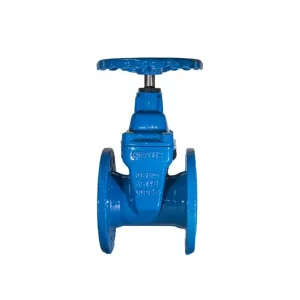
Wholesale Anti - Abrasion Elastic Seat Gate Valve with Reinforced Seat Suppliers, Supplier
View Technical Specs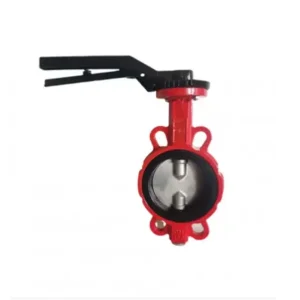
High-Quality Double Half Shaft Wafer Butterfly Valve Supplier, Manufacturer
View Technical Specs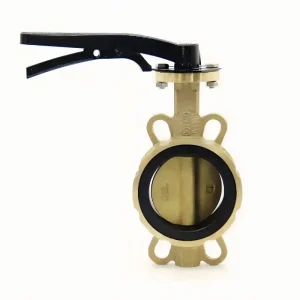
High-Quality Aluminum Bronze Butterfly Valve - Durable & Corrosion Resistant Suppliers, Manufacturer
View Technical Specs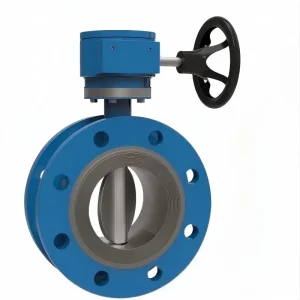
High-Quality Flange Type Butterfly Valve - Durable and Efficient Flow Control Supplier, Manufacturer
View Technical Specs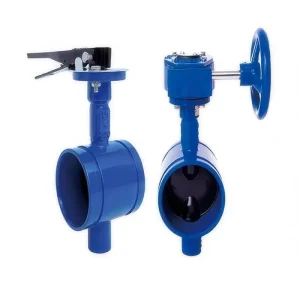
High-Quality Grooved End Butterfly Valve - Durable & Reliable Flow Control Suppliers, Supplier
View Technical Specs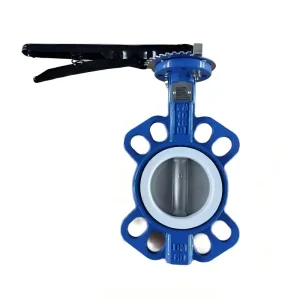
Wholesale PTFE Lined Cast Body Butterfly Valve Suppliers, Factory
View Technical Specs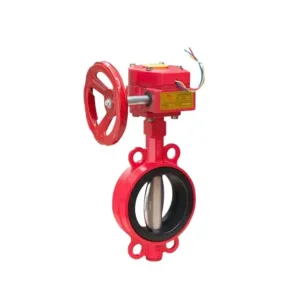
Wholesale Fire-Fighting Wafer Signal Butterfly Valve Supplier, Factory
View Technical Specs