
CE Certification WRAS Water Butterfly Valve Suppliers & Factories
Precision-engineered resilient seated butterfly valves for potable, municipal, and industrial fluid systems. Certified compliance with BS 6920, EN 593, and EU Pressure Equipment Directive (PED 2014/68/EU) direct from Tianjin manufacturing hubs.
High-Integrity Valve Solutions (Batch A)
Engineered for high-duty cycles, zero-leakage isolation, and prolonged service life under extreme environmental pressures.
-
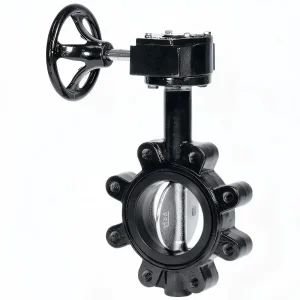
CE Certification Gear Operated Butterfly Valve - Durable & Reliable Supplier Supplier, Factory
-
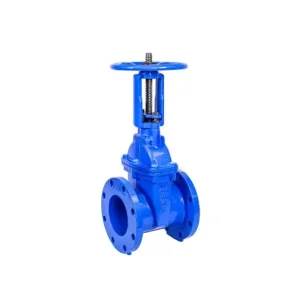
Wholesale Rising Stem Resilient Seat Gate Valve Supplier, Factory
-
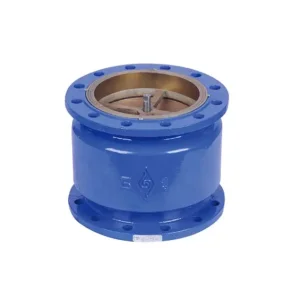
CE Certification Energy-Saving Silencer Check Valve Suppliers, Supplier
-
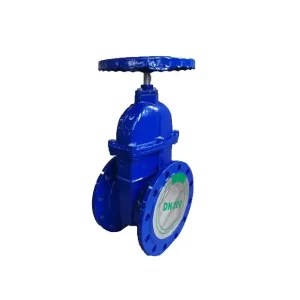
CE Certification German Standard Elastic Seat Gate Valve Manufacturers, Manufacturer
-
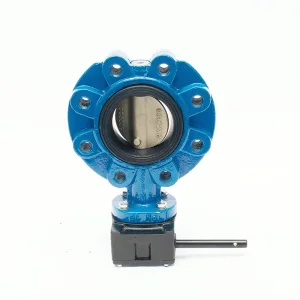
High-Quality Marine Centric Lug type manual operated butterfly valve Manufacturers, Factory
-
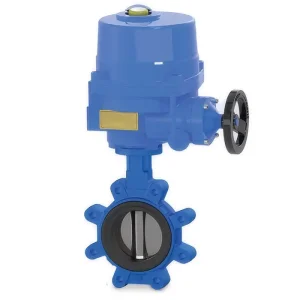
High-Quality Electrical butterfly valve Supplier, Manufacturer
-
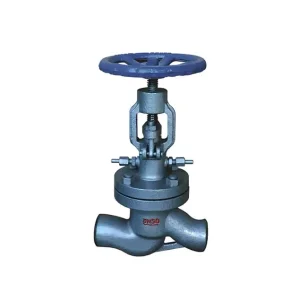
High-Quality Water Seal Globe Valve with Quick - Closing Feature Manufacturers, Manufacturer
-
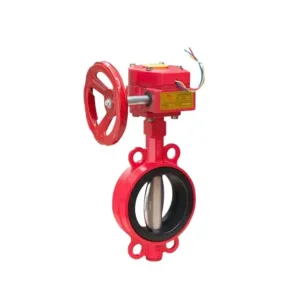
Wholesale Fire-Fighting Wafer Signal Butterfly Valve Supplier, Factory
Engineering Anatomy of Certified WRAS Butterfly Valves
Potable water pipelines require valves that provide total hydrodynamic efficiency while eliminating the risk of toxic leaching or bio-film accumulation. Water Regulations Approval Scheme (WRAS) certification is the definitive benchmark for mechanical components in direct contact with wholesome water within the UK and internationally respected water networks.
WRAS Material Non-Toxicity (BS 6920)
Every elastomer component, particularly the resilient seat liner, undergoes rigorous extraction tests. We ensure zero cytotoxic leachates, non-enhancement of microbial growth (aquatic bacteria), and complete odor/flavor neutrality across potable cycles up to 85°C.
- In-house EPDM compounding since 1987
- Zero phenolic or nitrosamine compounds
- Immersion durability in high chloramine water
CE / PED 2014/68/EU Conformance
Structural body integrity complies with Module H of the Pressure Equipment Directive. Fully validated ductile iron bodies (EN-GJS-450-10) resist pressure surges, fluid-hammer harmonics, and pipeline bending moments without mechanical micro-fissuring.
- EN 1092-2, ASME B16.1 flange drilling
- Hydrostatic shell proofing at 1.5 × PN rating
- Bi-directional bubble-tight shut-off (ISO 5208)
Dry-Shaft & Pinless Engineering
By integrating concentric pinless disc geometries with vulcanized, wide-face cartridge seats, process water remains strictly isolated from the valve stem, eradicating galvanic corrosion paths and shaft galling entirely.
- Double O-ring anti-blowout stem design
- Low actuation breakaway torque profiles
- ISO 5211 top flange for effortless automation
Why Tier-1 EPCs Source WRAS Valves from Tianjin Hubs
In global valve procurement, structural pricing competitiveness is insufficient if quality assurance is fractured between sub-contractors. Our vertically integrated footprint removes middleman markup and establishes end-to-end quality governance.
In-House Casting Foundry
Direct induction electric furnace casting ensures chemical composition precision for ductile iron (QT450-10) and aluminum bronze (C95800). Complete control of nodularity (>85%) prevents microporosity and pressure failure under surging operational cycles.
Dedicated Elastomer Compounding
Founded in 1987, our internal rubber laboratory formulates EPDM specifically for chlorine/chloramine longevity and low compression set. We never outsource the vulcanization process, avoiding the common failure point of third-party elastomeric degradation.
CNC Machining & Dimensional Repeatability
High-torque multi-axis CNC machines grind spherical disc surfaces to mirror finishes (Ra ≤ 0.4 µm). This drastically reduces operational torque, prevents seat tear during high-frequency cycling, and lowers required actuator sizing specifications.
Full Direct Traceability (MTR 3.1)
From metallurgical spectrometer heat records to pressure chart recordings and WRAS batch certificates, every single valve is etched with a permanent QR matrix code ensuring comprehensive EN 10204 3.1 verification for engineering audits.
Engineering Metrology: Standard Commercial vs. WRAS Water Valves
Comparing critical mechanical configurations for drinking water infrastructure.
| Engineering Attribute | Standard Commercial Water Valve | CE / WRAS Certified Top Valve Specification |
|---|---|---|
| Elastomeric Liner | Commercial-grade blended EPDM / SBR | Virgin Peroxide-Cured WRAS-Grade EPDM (BS 6920) |
| Body Coating System | Liquid industrial enamel, 80–120 µm | Electrostatic Fusion Bonded Epoxy (FBE) ≥ 250 µm |
| Stem Isolation | Wetted stem configuration with drive pins | Dry-Shaft Pinless Spline / Hexagonal Sealing Interface |
| Microbiological Evaluation | None verified; high biofilm vulnerability | Zero Growth of Aquatic Microorganisms (BS 6920 Clause 6) |
| Leakage Classification | ISO 5208 Rate B or C (acceptable seepage) | ISO 5208 Rate A / EN 12266-1 Rate A (Absolute Zero Bubbles) |
Macro Trends Transforming Water Butterfly Valve Technologies
Global climate challenges, rapid urbanization, and stringent regional health directives are fundamentally changing municipal fluid control requirements.
Smart City Actuation & IoT Monitoring
Modern distribution grids demand integration of intelligent modulating actuators equipped with predictive torque sensing and Modbus/Profibus telemetry to detect seat calcification before leakage occurs.
Transition to Lead-Free & Nickel-Safe Alloys
Stringent European drinking water regulations (EU Drinking Water Directive 2020/2184) require zero heavy-metal leaching. Spheroidal graphite iron combined with SS316 or C95800 discs completely displaces standard cast bronze materials.
Energy Conservation via Flow Optimization
Hydrodynamically shaped curved-disc designs offer elevated Cv coefficients, substantially diminishing system pressure drops and reducing long-term pumping energy expenditures across extensive water transport pipelines.
Macro-Sector Applications & Field Implementations
Our CE and WRAS-approved butterfly valves operate continuously in mission-critical civil installations worldwide.
Municipal Potable Water Networks
Installed across metropolitan distribution mains, primary pumping stations, and high-rise pressure-reducing chambers. Provides reliable isolation without biological risk or disruption to public health lines.
Seawater Desalination Plants (RO)
Equipped with nickel aluminum bronze (C95800) or duplex stainless steel (2205/2507) discs. Resists high-chloride pitting, cavitation, and crevice corrosion during reverse osmosis pre-treatment and permeate conveyance.
HVAC & District Energy Cooling
Wafer and lug patterns fitted for secondary chilled-water loops and cooling tower circuits. Delivers tight bi-directional shut-off under heavy vibration and wide ambient temperature differentials.
Fire Protection Sprinkler Systems
Grooved and wafer signal butterfly valves integrated with supervisory gearboxes and internal limit switches, ensuring rapid line diagnostics and compliance with civil safety firefighting networks.
Overcoming Global Procurement Complexities
Purchasing teams face stringent vendor registration audits, risk mitigation pressures, and strict timeline demands. Here is how our production framework supports large-scale contracting.
Comprehensive Documentation Packages
We supply full engineering dossiers: general arrangement drawings, weld/casting non-destructive testing (NDT), coating thickness checks, pressure charts, and valid WRAS/CE conformity certificates for seamless consulting engineer sign-off.
Lead Time Predictability via In-House Supply
Because we do not rely on outsourced foundries or third-party rubber compounders, unexpected supply chain disruptions are avoided. Our typical production runs maintain standard project turnaround within 25–35 days.
Logistical Proximity to Tianjin Port
Located in the Wuxia Industrial Park, Dongli District, our group ships directly via Tianjin Port—Northern China’s maritime gateway. Cargo reaches Europe, the Middle East, Southeast Asia, and the Americas on reliable schedules.
Frequently Asked Questions: WRAS & Water Valve Standards
Direct technical answers addressing certification, metallurgy, installation, and elastomer lifespans.
What makes WRAS approval critical for water butterfly valves?
+
How does CE certification apply to industrial butterfly valves?
+
What are the key benefits of in-house rubber compounding?
+
Wafer vs. Lug vs. Double Flanged: Which should be selected?
+
Lug: Threaded inserts allow dead-end service and downstream line removal under pressure.
Double Flanged: Recommended for large-diameter lines (DN350+) to handle ground movements and pipe stress.
Can these butterfly valves be supplied with electric/pneumatic actuators?
+
What standard epoxy coating thickness is applied to valve bodies?
+
High-Integrity Valve Solutions (Batch B)
Explore our specialized industrial assemblies for severe abrasive, chemical, and potable water distribution duties.
-
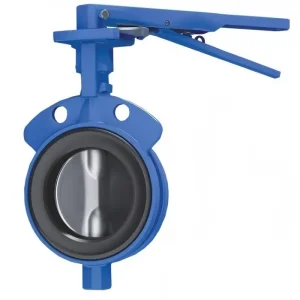
High-Quality EPDM Lining Butterfly Valve - Durable & Corrosion Resistant Suppliers, Manufacturers
-
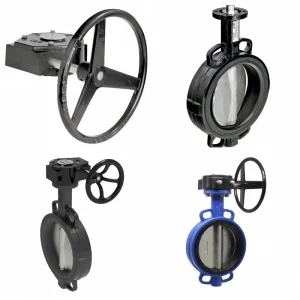
CE Certification WRAS Approved High-Performance Butterfly Valve 4020G Manufacturer, Factories
-
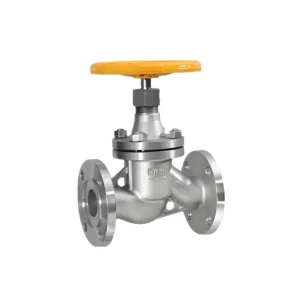
Wholesale Straight-Through Ammonia Globe Valve Manufacturers, Factory
-
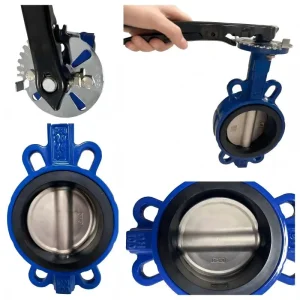
-
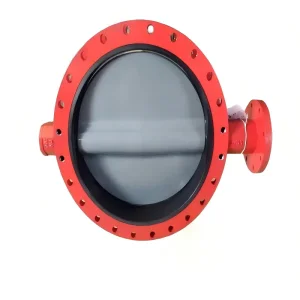
Wholesale Ceramic Disc Wafer Butterfly Valve - Durable & Efficient Design Supplier, Factories
-
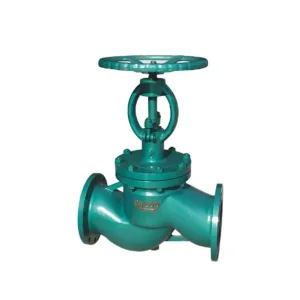
High-Quality High - Temperature - Vacuum Isolation Globe Valve for Vacuum Heat Suppliers, Factory
-
-
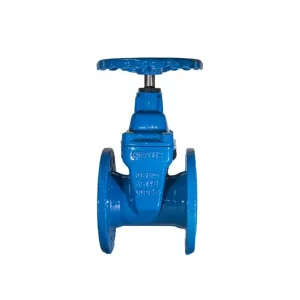
Wholesale Anti - Abrasion Elastic Seat Gate Valve with Reinforced Seat Suppliers, Supplier
