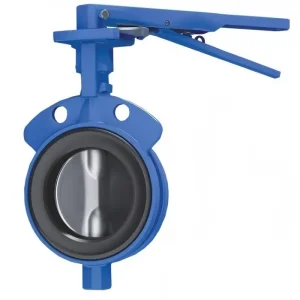
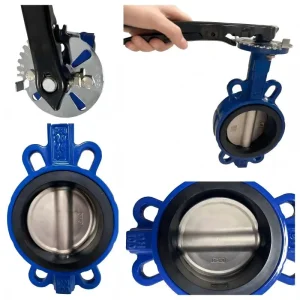
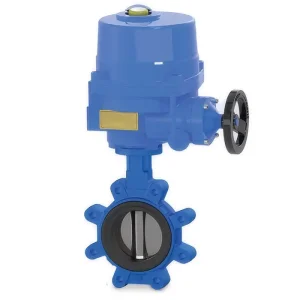
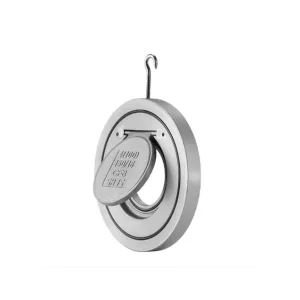
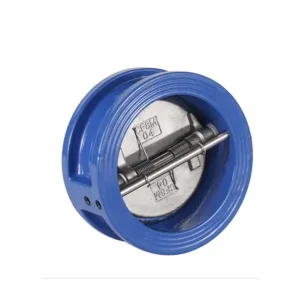
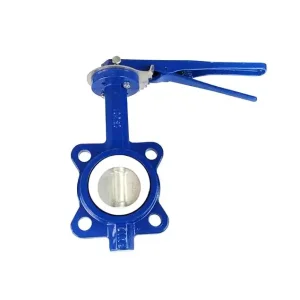
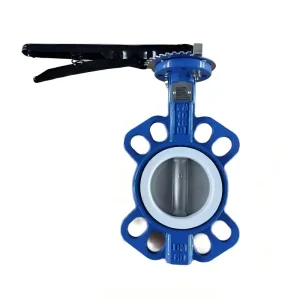
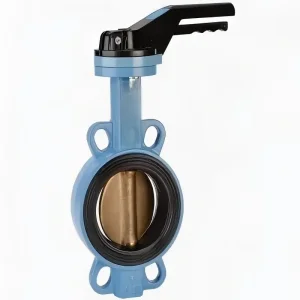
High-Integrity Butterfly, Check & Globe Valves
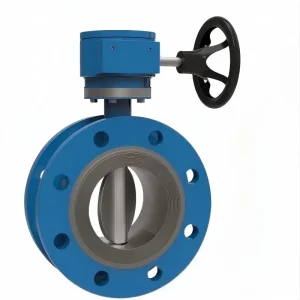
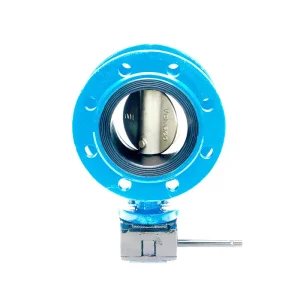
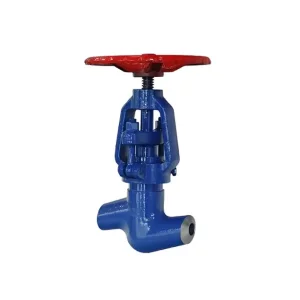
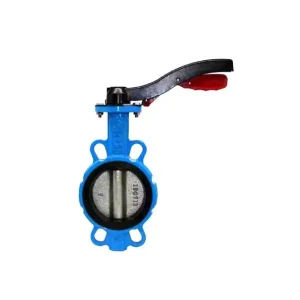
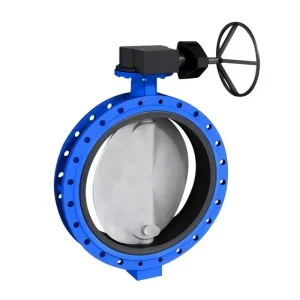
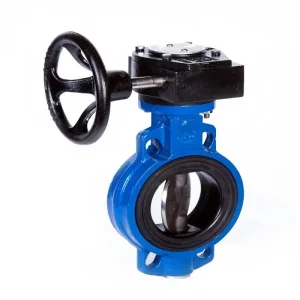
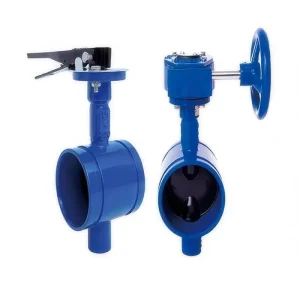
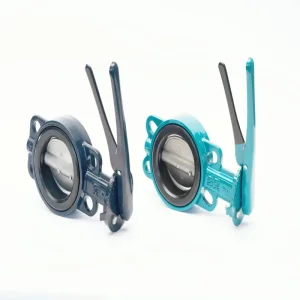
Direct factory supply manufactured in accordance with European Pressure Equipment Directive (PED 2014/68/EU). All units undergo 100% shell hydrostatic and bidirectional zero-leakage seat tests.
Macro Engineering Trends & Industrial Procurement Realities
Why Tier-1 EPC contractors, utility authorities, and industrial valve distributors are moving away from non-integrated assembly brokers toward vertically certified foundries and elastomer compounders.
Supply Chain Consolidation & PED Compliance
International infrastructure projects under European and Middle Eastern capital allocations increasingly mandate strict compliance with the European Pressure Equipment Directive (PED 2014/68/EU Module H / CE mark). Procurement committees no longer accept self-declarations without full traceability back to molten charge chemical analyses (EN 10204 3.1 certification). Operating our own foundry allows Tianjin Top Valve to eliminate third-party casting uncertainties, guaranteeing EN-GJS-400-15 / EN-GJS-500-7 ductile iron structural density with zero porosity.
Elastomer Vulcanization as the Single Point of Failure
Industry failure data shows that 82% of premature resilient seated butterfly valve decommissionings originate from rubber seat tearing, compression set loss, or chemical swelling. Group entity Tianjin Dongfang Rubber Factory (operating since 1987) develops custom EPDM, NBR, Viton (FKM), and PTFE formulations in-house. By tightly regulating carbon black dispersion, vulcanization curing cycles, and cross-linking density, our seats maintain continuous elasticity across 50,000+ mechanical cycles.
Digital Twin Integration & Automation Readiness
Modern process plants demand valves equipped for digital telemetry. Our resilient seated valves are cast with standardized ISO 5211 top mounting flanges, machined to precise concentricity to accept quarter-turn electric and pneumatic actuators without bracket deflection. Stem design features blow-out proof splined or square drives designed according to EN 593 and API 609, guaranteeing smooth torque transmission without hysteresis for mission-critical supervisory control and data acquisition (SCADA) systems.
Engineering Distinction: Unlike trading houses that assemble outsourced components from dispersed subcontractors, Tianjin Top Automation Equipment Co., Ltd. operates an integrated 23,000 m² campus in Dongli District, Tianjin. We control the metallurgy at the furnace, the polymer physics in the internal mixer, and the micro-inch dimensional tolerance at our multi-axis CNC cells.
Sector-Specific Flow Control Solutions
Detailed material matrices and hydrodynamic engineering adapted to severe operational conditions across major global industrial sectors.
Municipal Potable Water Networks
Valves deployed in drinking water transport require non-toxic, biologically inert linings that resist biofilm formation. Our WRAS-approved models (4020G, 4020L, 4325G, 4325L) feature NSF/WRAS-certified drinking-water-grade EPDM liners coupled with fusion-bonded epoxy (FBE) electrostatic body coatings of minimum 250 µm thickness, preventing electrochemical leaching and bacterial adhesion in compliance with BS 6920 and EN 12266-1.
Desalination & Marine Offshore Systems
Seawater reverse osmosis (SWRO) and shipboard ballast systems induce rapid pitting and crevice corrosion in standard austenitic steels. For these aggressive chloride duties, we manufacture CE-certified wafer and flanged butterfly valves utilizing Nickel Aluminum Bronze (C95800 / CuAl10Fe5Ni5) and Duplex Stainless Steel (2205 / 2507) discs, isolated from galvanically mismatched ductile iron bodies via thick virgin EPDM or vulcanized soft liners.
HVAC & District Energy Networks
Chilled water loops and dual-temperature district heating lines operate under continuous modulation, exposing valve stems to cyclic torsional fatigue. Our concentric resilient seated butterfly valves feature anti-blowout dual O-ring stem seals and bronze or self-lubricating PTFE bushings, preventing air ingestion under vacuum conditions and providing bubble-tight shut-off across PN10, PN16, and Class 150 pressure regimes.
Chemical Processing & Corrosive Media
For aggressive mineral acids, caustics, and solvent transfer pipelines, we supply virgin PTFE/PFA fully lined pinless butterfly valves. The disc and body are fully encapsulated with high-density isostatically molded PTFE (minimum 3.0 mm thickness) over a resilient silicone elastomer energizing backing, creating a hermetic seal against chemical penetration with operating temperatures ranging from -30°C to +180°C.
| Component | Material Specification | Applicable Standards | Operational Boundary & Ideal Media |
|---|---|---|---|
| Valve Body | Ductile Iron (EN-GJS-400-15 / 500-7 / ASTM A536 65-45-12) | EN 1563, ASTM A536 | Pressure classes PN10, PN16, PN25, ANSI Class 125/150. High tensile resistance. |
| Disc (Standard) | Stainless Steel (CF8, CF8M, 1.4408, 1.4301) | ASTM A351, EN 10213 | Potable water, wastewater, general utility, mild chemical solutions. |
| Disc (Marine/Severe) | Nickel Aluminum Bronze (C95800) / Duplex 2205 (1.4462) | ASTM B148, EN 10283 | Seawater cooling, marine ballast, high-chloride desalination plants, brine lines. |
| Resilient Seat | Drinking-Water Grade EPDM (Ethylene Propylene Diene) | WRAS, FDA 21 CFR 177.2600 | -20°C to +120°C. Ideal for drinking water, municipal systems, hot water heating. |
| Hydrocarbon Seat | NBR (Nitrile Butadiene Rubber) Oil-Resistant | EN 682, ISO 4633 | -15°C to +85°C. Compressed air, natural gas, fuel oils, oily wastewater. |
| Chemical Liner | PTFE / PFA Encapsulated Silicone Resilient Backing | ISO 1043-1, ASTM D4894 | -30°C to +180°C. Highly corrosive chemicals, concentrated acids, ultra-pure water. |
Engineering Roadmap: Digitalization & Extended Valve Life
Architecting next-generation flow control systems through composite elastomer synthesis, low-torque disc hydrodynamics, and Industrial IoT lifecycle telemetry.
Peroxide-Cured Elastomer Matrix
Transitioning primary potable water EPDM compounds to advanced peroxide cross-linking. Peroxide curing eliminates extractable sulfur donors, elevates upper temperature resilience to 135°C continuous, and decreases long-term compression set from 28% to under 14%, extending field seat elasticity beyond 25 years.
CFD Pinless Cam-Contoured Discs
Implementation of computational fluid dynamic (CFD) modeling to refine disc profile hydrofoil geometry. The pinless internal spline drive eliminates through-disc pins that create localized vortices, decreasing flow coefficient resistance ($C_v$ optimization up to 18%) and cutting system pump energy consumption across municipal pumping schemes.
Zero-Pin-Hole Electrostatic FBE
Upgrading factory automated coating line to robotic electrostatic fluid-bed induction application. Achieving uniform 300 µm Holiday-free epoxy film with superior peel adhesion to ASTM D4541 (>15 MPa), offering enhanced cathodic disbondment resistance against aggressive soil chemistry for buried distribution pipelines.
Smart Valve Condition Monitoring
Embedding localized non-intrusive torque strain transducers and acoustic emission cycle sensors directly within the ISO 5211 top flange. Enables predictive maintenance alerts to identify elastomer wear or cavitation initiation before total seal integrity degradation occurs in unattended pump booster stations.
Strict Global Compliance & Localized Support Architecture
A rigorous five-tier inspection protocol backing every valve shipped from our Tianjin production lines to over 50 export destinations worldwide.
Metallurgical & Polymer Quality Control
Our on-site physical and chemical laboratory performs optical emission spectrometry (OES) chemical verification on every melting furnace batch. We conduct tensile and elongation tests in compliance with EN 1563, alongside rheological cure curve analysis, Mooney viscosity checks, and hardness testing on every batch of formulated rubber compounds.
100% Hydrostatic & Pneumatic Proof Testing
Zero sampling compromises. 100% of manufactured valves undergo high-pressure hydrostatic shell testing at 1.5× PN rating and low-pressure pneumatic seat testing at 1.1× PN rating according to ISO 5208 Rate A (zero allowable bubble leakage) and EN 12266-1. Test logs are digitally archived and retrievable via unique cast heat traceability numbers.
Port Logistics & Worldwide Project Expediting
Strategically situated in Dongli District, Tianjin, our facility enjoys rapid arterial expressway connections to Tianjin Xingang Port—one of Asia's premier maritime shipping hubs. We manage full custom export packaging using fumigated solid-timber crates with individual vapor-barrier bubble wraps, ensuring zero transit rust or elastomer degradation across transatlantic or transpacific routes.
Frequently Asked Procurement & Engineering Questions
In-depth technical answers addressing valve standards, material selection, certification frameworks, and manufacturing controls.
What specific requirements govern CE certification under PED 2014/68/EU for resilient seated butterfly valves?
Under the European Pressure Equipment Directive (PED 2014/68/EU), valves intended for industrial fluid networks are categorized based on their nominal diameter (DN), maximum allowable pressure (PS), and the hazardous classification of the conveyed fluid (Group 1 dangerous vs. Group 2 non-dangerous fluids). For DN > 25 mm carrying Group 1 fluids or DN > 32 mm up to large municipal diameters with Group 2 fluids, compliance mandates conformity assessment modules (such as Module H for full quality assurance). Tianjin Top Valve holds CE compliance covering comprehensive shell design calculation verification, casting non-destructive testing (NDT), EN 10204 3.1 material traceability, and hydrostatic pressure testing according to EN 12266-1.
How does an in-house rubber seat factory directly benefit EPC contractors and long-term plant owners?
Most commercial valve assembly brands outsource elastomer molding to third-party commercial rubber shops that optimize for low raw polymer cost, leading to excessive filler materials (such as low-grade calcium carbonate) and inconsistent vulcanization cycles. Our affiliate entity, Tianjin Dongfang Rubber Factory (operating since 1987), mixes proprietary compound formulations right on our Tianjin campus. We control polymer grade (raw DuPont or Lanxess EPDM), vulcanization accelerator agents, anti-degradants, and molding pressure. This prevents premature seat hardening, cracking, chemical swelling, and seal detachment under high-velocity pipeline flow, guaranteeing bubble-tight ISO 5208 Rate A shut-off over prolonged service life.
What are the mechanical differences between pinned and pinless disc-to-stem connections in butterfly valves?
Pinned butterfly valves utilize through-pins (taper pins or dowel pins) drilled through the disc hub and valve stem to transmit operating torque. While economical to manufacture, these pins penetrate the flow path, creating potential localized leak paths, galvanic corrosion cells, and stress concentrations that can shear under severe water hammer. Our pinless butterfly valve architecture utilizes a precision-broached internal spline, double-D, or square-drive interface entirely sealed inside the disc hub and dry shaft. The disc exterior remains smooth and uninterrupted, eliminating through-disc penetrations, lowering turbulent drag, and facilitating rapid field replacement of the resilient seat.
Which standards govern international flange drilling and face-to-face dimensions for your product range?
Our butterfly valve designs adhere strictly to international face-to-face dimensions defined in EN 558-1 Series 20 (wafer short), Series 16 (wafer long), and Series 13/14 (flanged), equivalent to ISO 5752 and API 609 Table 3. The universal body casting geometry incorporates multi-standard through-hole or threaded lug drillings designed to mate seamlessly with EN 1092-2 (PN6/PN10/PN16/PN25), ASME/ANSI B16.1 Class 125 and B16.5 Class 150, BS 10 Table D/E, and JIS B2238/B2239 10K flanges. This universal compatibility eliminates sizing and drilling mismatches for international EPC contractors managing multi-regional pipeline packages.
How do you guarantee bubble-tight isolation in dual plate check valves and silent check valves under low backpressure?
Achieving zero leakage under low differential backpressures (< 0.5 bar) is a common challenge in check valves. Our dual plate wafer check valves utilize torsion spring-assisted disc closure (manufactured from Inconel or stainless steel 316) that drives the twin plates shut prior to flow reversal, eliminating water hammer shock. The seat incorporates vulcanized resilient elastomer rings (EPDM or NBR) molded with a micro-lip profile that flexes under minimal fluid pressure, guaranteeing positive bubble-tight closure compliant with ISO 5208 Rate A even in low-head gravitational drainage lines.
What testing documentation and mill certification can be supplied with each production release?
Every commercial delivery can be accompanied by an inspection certificate conforming to EN 10204 Type 3.1. This comprehensive quality dossier includes optical spectrometry chemical analysis reports for body and disc castings, mechanical tensile and elongation test certificates, elastomer physical property data (hardness, tensile strength, compression set), hydrostatic shell pressure test charts (holding duration 1.5× PN), pneumatic bidirectional seat test records (1.1× PN), and dry-film coating thickness (DFT) verification logs.
Engineered Valves for Water, Chemical & Marine Service
Explore our specialized range of WRAS-certified, EPDM-lined, PTFE-encapsulated, and non-return check valves manufactured to exact customer project specifications.