
Industrial Core Exhibition
Featured Slurry, Butterfly & Check Flow Control Units
Factory-direct engineered valves meeting strict CE, WRAS, and DIN manufacturing tolerances for high corrosive, abrasive, and municipal handling.
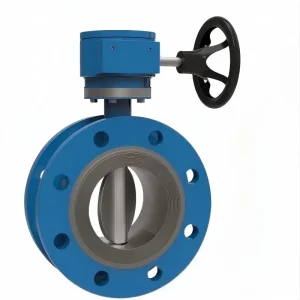
High-Quality Flange Type Butterfly Valve - Durable Flow Control
Explore Specifications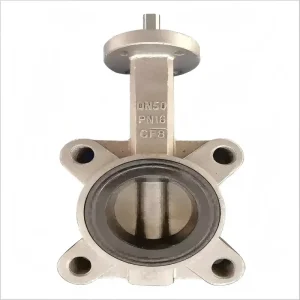
Wholesale Semi Lug Butterfly Valve - Durable & Versatile
Explore Specifications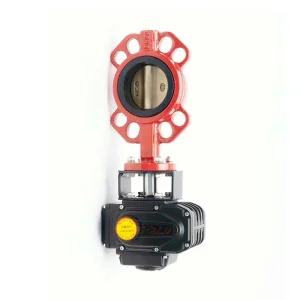
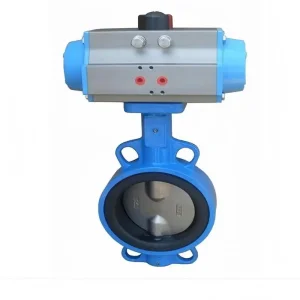
High-Quality Actuator Wafer Butterfly Valve Engineering
Explore Specifications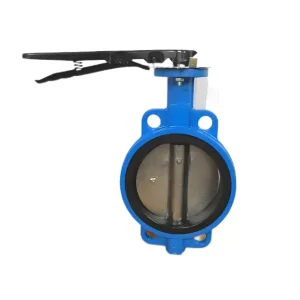
Wholesale Low - Pressure Wafer Type Butterfly Valve
Explore Specifications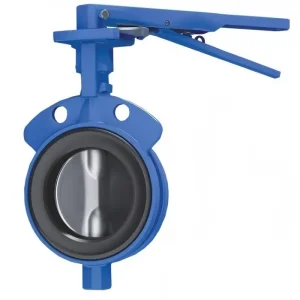
High-Quality EPDM Lining Butterfly Valve - Corrosion Resistant
Explore Specifications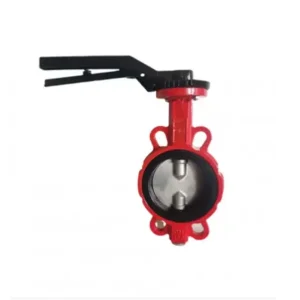
High-Quality Double Half Shaft Wafer Butterfly Valve
Explore Specifications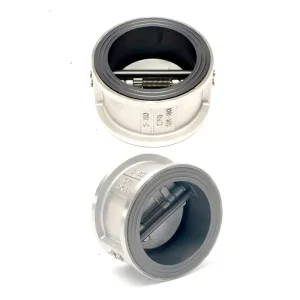
CE Certification Compact Wafer Lift Check Valve Low Drop
Explore Specifications
Strategic Procurement Intelligence
Global Procurement Imperatives for Polymeric Knife Gate Valves
Navigating abrasive media, chemical leaching, and total operational expenditure in modern liquid-solid separation infrastructures.
TCO Optimization & Anti-Corrosion
Traditional cast-iron or carbon-steel valves fail prematurely in acidic tailing slurries and aggressive chlor-alkali circuits. Global EPCs are mandating thermoplastic polymer bodies to eliminate localized pitting and galvanic degradation, radically extending field lifecycle intervals.
Zero Galvanic Attack
70% Weight Reduction
Shearing Viscous Particulate Matter
Pulp slurry, mining tailings, and municipal sludge accumulate in conventional valve seats, causing line jamming. Modern PVC knife gate valves utilize beveled surgical-grade stainless or composite gates that shear through high-viscosity media without seat compaction.
Self-Cleaning Geometry
Uni/Bi-Directional
Strict Regulatory Conformity (CE / PED)
Importing into the European Single Market and tier-1 industrial zones necessitates strict compliance with CE Marking and PED 2014/68/EU. Structural pressure retention, non-destructive polymer stress verification, and raw traceability are non-negotiable prerequisites.
PED 2014/68/EU
ISO 9001:2015
100%
Hydrostatic Leak Testing
Shell & seat verified according to EN 12266-1
50+
Export Destinations
Trusted by municipal utilities and EPCs worldwide
1987
In-House Elastomer Legacy
Tianjin Dongfang Rubber Factory compounding expertise
0%
Fugitive Gate Emissions
Multi-layer adjustable PTFE/EPDM gland packing
Cross-Sector Engineering
Macro-Industrial Solutions & Process Integration
From extreme seawater desalination plants to closed-loop chemical reclamation networks, discover engineered valve topologies tailored for demanding processing regimes.
Desalination & Brine Recovery
High-salinity reverse osmosis brine induces severe crevice corrosion in standard valves. Thermoplastic PVC/CPVC knife gate assemblies eliminate chlorination damage while handling heavy sand backwash.
Anti-ScalingHypochlorite Resistant
Mining Tailings & Beneficiation
Slurry transport systems demand razor-sharp cutoff capabilities. Reinforced PVC valve bodies integrated with heavy-duty EPDM sleeves isolate mineral fines, ensuring jam-free cycling.
Abrasion ResistanceZero Cavity Clogging
Wastewater Treatment Systems
Effluent channels contain filamentous debris, micro-abrasives, and methane pockets. Knife gate designs effortlessly sever rags, paper, and fibrous cakes to maintain absolute downstream boundary shutoff.
Sludge ThickeningAerobic Digestion
Pulp, Paper & Biomass
Bleaching agents, peroxides, and dense lignocellulosic wood chips challenge legacy valve seats. Our specialized polymeric knife valves withstand chemical bleaching whilst cutting stringy biomass.
Fibre ShearingAcid-Base Stable
Authoritative Engineering Data
Material Performance & Operational Matrices
Comparative analysis of polymeric knife gate architecture vs traditional metallic gate configurations under hostile fluid conditions.
| Evaluation Parameter | Industrial PVC/CPVC Knife Gate | Standard Ductile Iron Gate | Stainless Steel (316) Knife Gate | PTFE-Lined Slurry Valve |
|---|---|---|---|---|
| Acid/Alkali Resistance (pH 1-13) | Immune to oxidation/acid attack | Severe corrosion / Rapid rust scaling | Chloride pitting susceptibility | High chemical resistance |
| Slurry Shearing Mechanism | Stainless 304/316/Polymer Beveled Blade | Wedge seating (Prone to jamming) | Beveled precision gate | Elastomer pinch or encapsulated gate |
| Installed Weight (DN200) | Approx. 18 - 25 kg | Approx. 75 - 95 kg | Approx. 65 - 80 kg | Approx. 70 - 90 kg |
| Seat Leakage Classification | ANSI / FCI 70-2 Class VI (Bubble-Tight) | Class IV - V (Resilient Dependent) | Class IV (Metal) / Class VI (Soft) | Class VI (Bubble-Tight) |
| CE PED Regulatory Category | Category I / II Fluid Group 1 & 2 | Standard SEP / Category I-III | Category I - III Fluid Dependent | Category II / III |
| Operating Torque Demands | Low friction coefficient (< 40 Nm) | High friction / Heavy scaling torque | Moderate (60 - 100 Nm) | Medium to High |
Manufacturing Authority
Three Decades of Integrated Rubber & Valve Engineering
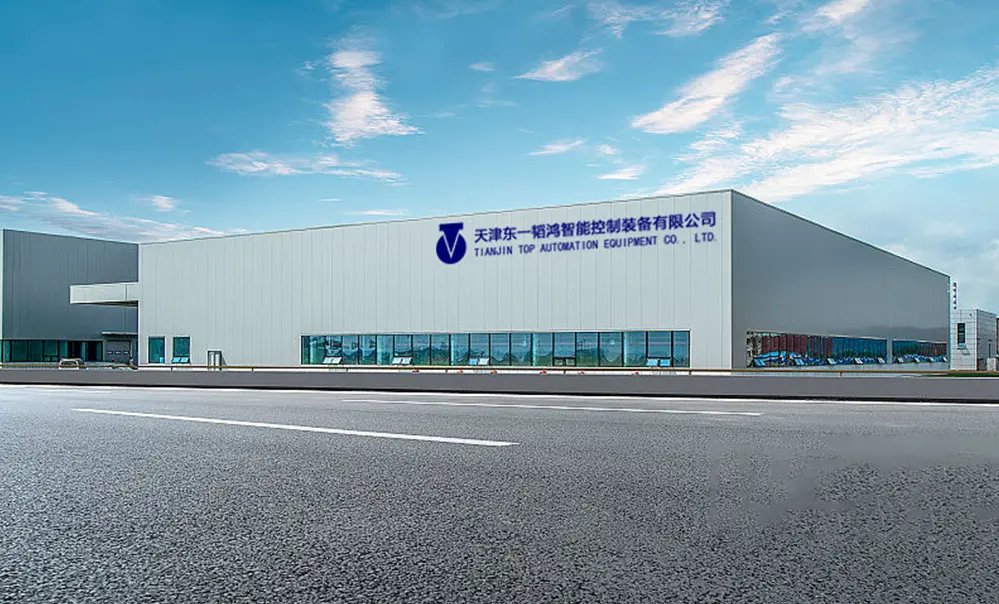
Established as an engineering-driven ecosystem in Tianjin, China, Tianjin Top Automation Equipment Co., Ltd. operates with direct heritage tracing back to Tianjin Donglian Valve Factory (established 1996) and our dedicated compounding facility, Tianjin Dongfang Rubber Factory (operating since 1987).
The sealing integrity of any knife gate or butterfly valve rests upon elastomer compound stability. By vulcanizing, compounding, and milling our own proprietary EPDM, NBR, and fluoroelastomers under strict laboratory oversight, we assure zero-compromise mechanical resiliency and certified bubble-tight shutoff across extreme pressure transitions.
- In-house metallurgical foundry & advanced polymer compounding facilities
- Automated CNC machining centers guaranteeing knife blade micro-tolerances
- 100% individual pressure testing (shell & seat) prior to cleanroom crating
- Certified ISO 9001, ISO 14001, ISO 45001, CE, and WRAS approvals
Future Engineering Trends
Technology Roadmap & Sustainable Valve Automation
Discover how advanced polymer nanotechnology, digital twin telemetry, and decarbonized manufacturing transform industrial valve lifespans.
Phase 01: Next-Gen Composites
Graphene-Infused PVC Formulations
Integrating graphene nanoplatelets within industrial PVC matrices increases tensile yield by 38% and significantly impedes polymer stress relaxation under cyclic thermal surges, pushing operational pressure envelopes to new thresholds.
Phase 02: Intelligent Actuation
Predictive Maintenance & IIoT
Integrating piezoelectric acoustic sensors within the gate packing gland detects sub-visual micro-cavitation and packing erosion before fluid bypass occurs, transmitting diagnostics via IO-Link directly to DCS networks.
Phase 03: Green Lifecycle
Closed-Loop Polymer Circularity
Engineering 100% recyclable thermoplastic bodies paired with non-vulcanized thermoplastic elastomer seals, reducing embedded manufacturing carbon footprint by up to 52% across municipal and industrial EPC scopes.
Global Delivery Framework
Localized Engineering Support & Compliance Assurance
Mitigating international logistics friction through comprehensive technical auditing, export packaging, and rapid project delivery pathways.
Standard Flange Adaptability
Our valves are configured to mount seamlessly into international piping lines without site modification, offering multi-standard bolt patterns including EN 1092-1 PN10/PN16, ASME B16.5 Class 150, JIS 10K, and AS 2129 Table E.
Direct Technical Dossiers & MTRs
Every shipment includes full Mill Test Reports (MTRs) according to EN 10204 3.1, comprehensive CE Declarations of Conformity, detailed dimensional drawings, torque curves, and installation guidelines.
Rapid Sea & Rail Freight Logistics
Strategically situated in Dongli District, Tianjin, our facilities leverage immediate proximity to Tianjin International Port. Valves undergo customized vacuum bubble wrapping and reinforced seaworthy wooden crating.
Complete Pipeline Lineup
Certified High-Performance Butterfly, Gate & Check Catalog
Explore our additional lineup of factory-manufactured resilient-seated industrial valve lines exported to infrastructure projects globally.
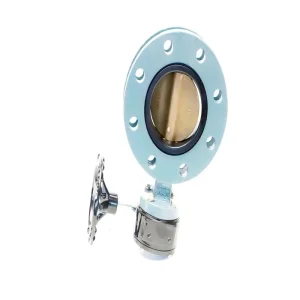
Wholesale CE/ISO/DIN High Pressure Metal Hard Seal Valve
Explore Specifications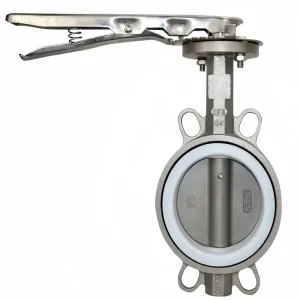
CE Certification PTFE Lined Stainless Steel Butterfly Valve
Explore Specifications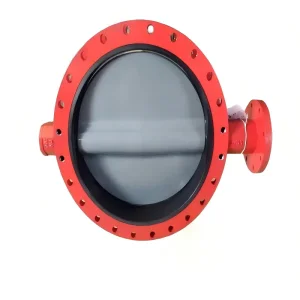
Wholesale Ceramic Disc Wafer Butterfly Valve - Durable
Explore Specifications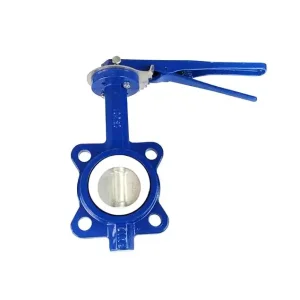
High-Quality PTFE Lined Pinless Butterfly Valve
Explore Specifications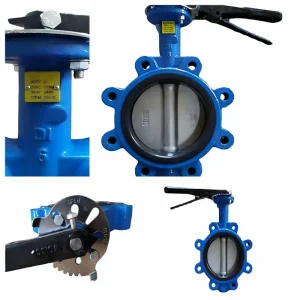
High-Quality WRAS Approved Butterfly Valve Lug Type 4325L
Explore Specifications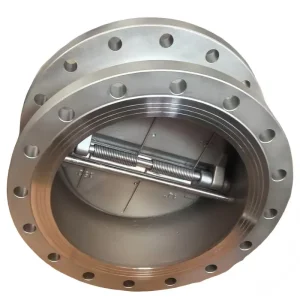
CE Certification Low-Pressure Drop Wafer Lift Check Valve
Explore Specifications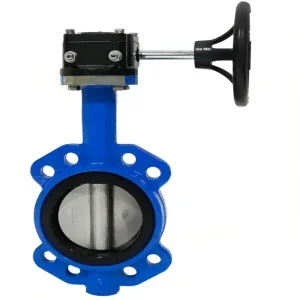
CE Certification Wafer Water Usage Butterfly Valve
Explore Specifications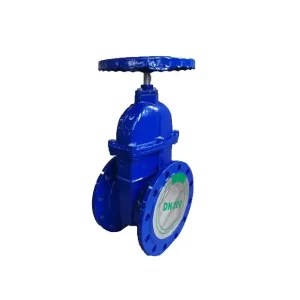
CE Certification German Standard Elastic Seat Gate Valve
Explore Specifications
Technical Clarifications
Frequently Asked Technical Questions (FAQ)
Detailed insights addressing mechanical tolerances, actuation interfaces, chemical compatibility, and testing protocols.
What does CE Certification signify for industrial knife gate and butterfly valves?
CE marking under the Pressure Equipment Directive (PED 2014/68/EU) guarantees that the valve's shell thickness, pressure boundaries, material safety coefficients, and hydrostatic testing conform strictly to Harmonized European Standards. Every CE certified unit undergoes rigorous destructive and non-destructive examination to ensure failure-free pressure containment.
How does an in-house rubber factory impact valve longevity?
Because elastomer seats govern the cycle life of resilient valves, relying on outsourced rubber often results in batch variations. Through Tianjin Dongfang Rubber Factory (operating since 1987), we control compound recipes, vulcanization temperatures, and polymer elasticity in-house, preventing compression set failures and chemical embrittlement.
Can PVC knife gate valves handle dry granular solids or heavy slurries?
Yes. The precision-machined beveled edge of the knife gate acts as a mechanical guillotine, cleaving through compacted powders, wet pulp, and dense mineral tailings. The absence of internal body cavities eliminates particulate accumulation zones that jam standard ball or wedge gate designs.
What actuation options are compatible with these valve configurations?
Our valves incorporate standard ISO 5211 direct mounting flanges. They can be furnished with handwheels, chainwheels, double-acting or spring-return pneumatic actuators, bevel gears, or multi-turn electric modulating actuators (4-20mA, Modbus, Profibus) with manual overrides.
What is the standard turnaround time for custom engineered valve orders?
Standard configuration valves in sizes DN50 to DN300 are commonly dispatched within 10 to 15 business days. Highly customized configurations (special alloy blades, ceramic seats, explosion-proof actuation) typically ship within 25 to 35 business days directly from our Tianjin campus.
Are potable water and sanitary certificates provided with shipments?
Yes. For drinking water pipelines, select valve lines carry official WRAS (Water Regulations Advisory Scheme) approvals. Material contact test declarations confirming compliance with FDA standards and CE migration restrictions are available on request with technical order documentation.
