
Featured Industrial Valve Solutions (Part I)
Explore our precision-engineered, pressure-tested industrial valve inventory engineered across ductile iron, stainless steel, and specialized alloy metallurgy with rigorous PED CE, WRAS, and DIN conformity.
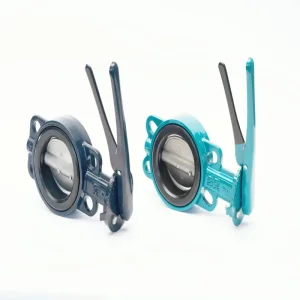
CE Certification Water-Safe Butterfly Valve for Efficient Flow Control Manufacturers
Product Details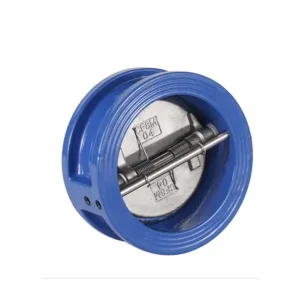
High-Quality High-Performance Dual Plate Wafer Check Valve Pipeline Systems
Product Details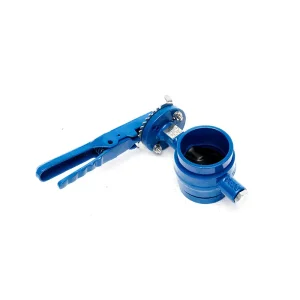
High-Quality Grooved Type Manual Butterfly Valve Suppliers, Manufacturers
Product Details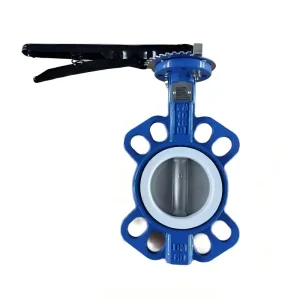
Wholesale PTFE Lined Cast Body Butterfly Valve Suppliers, Factory
Product Details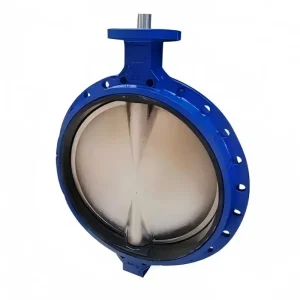
Wholesale Single Flange Butterfly Valve Flow Control Supplier
Product Details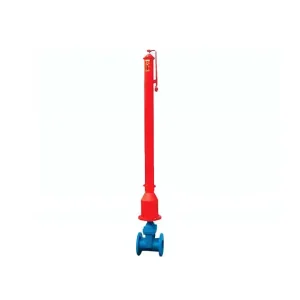
High-Quality Buried Elastic Seat Gate Valve Flow Control Factories
Product Details
Wholesale Wafer Butterfly Valve Durable & Efficient Flow Solution
Product Details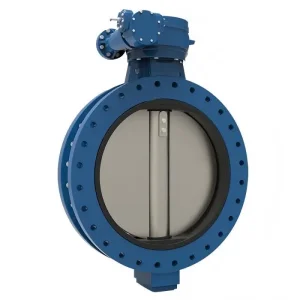
CE Certification Flanged Butterfly Valve Flow Control Suppliers
Product DetailsEvolutionary Trajectory: Engineering the Light Weight Ball Valve
Modern piping engineering demands a departure from bulky, oversized valve bodies. Today's industrial ball valves synthesize structural topology optimization, high-strength metallurgy, and European CE/PED conformity to achieve up to a 45% mass reduction without compromising burst strength or fugitive emission barriers.
Finite Element Topology Optimization
Traditional ball valve designs relied on heavy cast walls to provide arbitrary safety factors. Contemporary manufacturing utilizes computer-aided FEA (Finite Element Analysis) stress-mapping. By removing dead-weight metal from low-stress hydrostatic zones and reinforcing primary load axes around the stem journal and seat pockets, engineers create an ultra-thin yet exceptionally stiff pressure boundary.
Torque Attenuation & Seat Chemistry
Mass reduction extends beyond the valve shell into the dynamic internal architecture. By pairing mirror-polished micro-ground balls (roughness Ra < 0.1 µm) with proprietary self-lubricating PTFE/RPTFE or chemically bonded carbon-filled compounds, dynamic operational torque is decreased by 30% to 50%. This enables smaller actuators, smaller power supplies, and lighter overall skid footprints.
Fugitive Emissions: ISO 15848-1 Class A
Lightweight valve engineering cannot sacrifice containment. CE-marked ball valves are constructed with live-loaded dynamic stem seals utilizing Belleville spring washers and engineered primary O-rings backing secondary grafoil/PTFE chevrons. This guarantees bubble-tight stem packing resilience through thermal cycles ranging from -46°C to +200°C.
Global Procurement Mandates: Deciphering CE Certification & Safety Compliance
For international EPC contractors and distribution networks supplying the European Union, the United Kingdom, and the Americas, compliance is an unyielding threshold. A CE-marked lightweight ball valve represents full legal conformity with the Pressure Equipment Directive (PED 2014/68/EU), under Module H / H1 full quality assurance verification.
PED 2014/68/EU Conformity Framework
Valves operating above 0.5 bar fall under the jurisdiction of the EU PED directive. Depending on nominal diameter (DN) and maximum allowable pressure (PS), ball valves are categorized into Categories I, II, III, or IV. CE-certified factories operate audited quality control tracks, issuing EN 10204 3.1 or 3.2 Material Inspection Certificates with complete heat-number melt traceability for pressure-retaining bodies, bonnets, and bolting materials.
- Tensile & Charpy V-Notch Impact Testing: Ensuring sub-zero ductile fracture prevention down to -46°C for low-temperature carbon steel (A352 LCC/LCB) and austenitic stainless steels (CF8M/CF3M).
- Non-Destructive Examination (NDE): 100% radiographic or ultrasonic testing on cast sections subject to critical localized shear stresses.
- Proof Pressure Verification: Hydrostatic shell test conducted at 1.5× the nominal pressure rating, and seat leakage verified against EN 12266-1 Rate A (zero allowable leakage).
Procurement Lifecycle Economics (TCO)
Procurement directors evaluate lightweight ball valves through Total Cost of Ownership (TCO) calculations. Weight directly dictates logistics freight, pipeline support structural costs, and seismic engineering requirements:
China Factory 4.0: Supply Chain Resilience & Process Precision
Modern Chinese valve manufacturing is driven by fully integrated, data-driven smart manufacturing campuses. From sand-casting foundries and raw rubber formulation to multi-axis CNC cells and digitized hydrostatic testing, in-house vertical integration guarantees unmatched supply chain resilience.
In-House Foundry Control
Electric induction furnaces coupled with optical emission spectrometers ensure batch-by-batch spectral validation of elemental chemistry (C, Cr, Ni, Mo, and trace elements) before metal pouring.
Elastomer Compounding
Internal rubber compounding plants (heritage since 1987) synthesize custom EPDM, NBR, FKM, and Viton formulations with verified compression set and chemical resistance properties.
5-Axis CNC Precision
Simultaneous 5-axis machining centers complete boring, threading, seat contouring, and top-flange drilling in a single setup, achieving positional tolerances within 0.008 mm.
Automated Hydro Testing
100% of finished valves undergo digital pressure testing where shell and dual-seat leakage curves are captured electronically, logged into the cloud ERP, and linked to serial numbers.
Global Industrial Applications & Specialized Installation Scenarios
Where does mass reduction deliver pivotal technological and economic value? Lightweight ball valves find mission-critical utility in environments where structural inertia, weight thresholds, space constraints, and high cycle frequencies coincide.
Offshore & Marine Topside Skids
On offshore platforms and FPSO processing units, total dead weight directly dictates hull buoyancy and structural steel requirements. Replacing ANSI 150/300 flanged valves with lightweight wafer ball valves or ultra-thin compact units reduces cantilever stress on structural pipe racks during seismic and high-sea swell vibrational events.
Modular Skid Packages & Cryogenics
OEM hydrogen refueling skids, membrane water treatment skids, and nitrogen generation systems require high-density component layout. The reduced face-to-face and weight of CE-certified ball valves enable compact manifolding, shorter pipe spools, and reduced dynamic thermal inertia during rapid cryogenic chill-down phases.
Cleanroom HVAC & High-Purity Utilities
In semiconductor and pharmaceutical clean utility distribution (purified water, clean dry air, inert purge gas), lightweight stainless steel (CF3M/316L) ball valves eliminate exterior zinc flaking. Integrated ISO 5211 direct-mount actuator pads eliminate cumbersome bracket extensions, preventing dust retention pockets.
Technical Engineering Matrix: Lightweight Ball Valve vs. Traditional Cast Ball Valve
Comprehensive performance metrics comparing topological lightweight ball valves with legacy standard cast valves across mechanical, operational, and regulatory parameters.
| Engineering Attribute | CE Lightweight Ball Valve (Topological) | Standard Legacy Cast Ball Valve | Procurement & Technical Advantage |
|---|---|---|---|
| Specific Weight (DN50 / 2") | 4.8 kg – 5.6 kg | 8.5 kg – 11.2 kg | 35%–50% structural load decrease on pipe hangers |
| Pressure Boundary Standard | EN 12516-1, ASME B16.34, PED 2014/68/EU | ASME B16.34 (oversized cast wall) | Fully audited EU legal market access without surplus deadweight |
| Breakaway Torque (PN16/40) | 18 Nm – 24 Nm | 38 Nm – 52 Nm | Allows downsizing of pneumatic/electric actuator frame sizes |
| Stem Seal System | Live-loaded Belleville with Dual Chevron + FKM | Standard single-gland PTFE packing ring | Meets ISO 15848-1 Class AH/BH fugitive emission compliance |
| Mounting Interface | Direct-Mount ISO 5211 (low profile pad) | Raised bracket and separate mechanical coupler | Eliminates backlash, minimizes height, reduces hysteresis |
| Shell Proof Pressure | 1.5× PN Rating (100% Factory Hydrostatic Tested) | 1.5× PN Rating (Sample / Batch Tested) | Zero catastrophic fracture risk; verified 100% component safety |
Engineering & Procurement FAQ: Ball Valve Specifics
Direct answers addressing technical integrity, European regulatory mandates, material certificates, and factory operational capabilities.
What defines a "Light Weight" ball valve without sacrificing pressure integrity under CE / PED rules?
A lightweight ball valve achieves weight reduction through calculated FEA engineering rather than simply thinning wall boundaries haphazardly. Under EN 12516-1 and ASME B16.34 calculation rules, minimum wall thickness is strictly derived from allowable material stress, internal design pressure, and corrosion allowance. By utilizing precision investment casting (silica sol process) or forged bar stock, wall thickness variations are kept within ±0.2 mm tolerances, avoiding the unnecessary 3–5 mm casting padding commonly added in archaic sand casting. Furthermore, compact wafer configurations and optimized ball cavity geometries remove non-functional metal mass while retaining a full 1.5× hydrostatic burst safety factor.
Which specific PED 2014/68/EU certification modules apply to industrial ball valves?
Under the European Union Pressure Equipment Directive 2014/68/EU, industrial ball valves are classified into categories based on state of medium (gas or liquid), fluid hazard group (Group 1 hazardous or Group 2 non-hazardous), and the product of Pressure × Volume (PS × DN). While small valves (DN ≤ 25) fall under Sound Engineering Practice (SEP), larger diameters fall under Category I (Module A), Category II (Module D1/E1), and Category III/IV (Module H/H1). Our manufacturing facility operates under an audited Module H Full Quality Assurance System certified by EU Notified Bodies, empowering us to apply the CE mark across comprehensive pressure ratings with complete conformity declarations.
How do lightweight ball valves satisfy Fire-Safe testing standards (API 607 / ISO 10497)?
Even with optimized lightweight shell profiles, fire-safe compliance is maintained through secondary metal-to-metal seating architecture. In normal operation, the fluid is sealed bubble-tight against soft seats (PTFE, RPTFE, PEEK). During an active fire exposure (760°C to 980°C for 30 minutes), the soft seat disintegrates, allowing the floating or trunnion ball to shift slightly downstream under line pressure against an integral metal lip machined into the valve body. This secondary metal-to-metal seal limits internal leakage well within API 607 permissible rates. Simultaneously, high-purity flexible graphite body gaskets and secondary stem rings prevent exterior fire-fed leakage.
Can Tianjin Top Valve supply EN 10204 3.1 material test certificates for ball and butterfly valves?
Yes. Every batch of valves released from our Tianjin production campus is accompanied by an authentic EN 10204 Type 3.1 inspection certificate. This document declares actual chemical composition percentages from ladle spectroscopy analysis, tensile strength (Rm), yield strength (Rp0.2), elongation (A), and Charpy impact energy values (J). We also provide full documentation for hydrostatic shell test pressure (bar), pneumatic seat leak test (bar), non-destructive testing (PT/MT/RT if specified), and dimensional inspection compliance.
What are the lead times and custom OEM capabilities for skid manufacturers?
Because our corporate group controls an independent foundry, rubber vulcanization lines, and CNC machining centers, standard CE-marked lightweight ball and butterfly valves are dispatched within 15–25 calendar days. For custom OEM specifications—such as proprietary face-to-face dimensions, customized ISO 5211 actuator coupling brackets, special stem extension heights for cryogenic/insulated lines, or exotic alloys (Hastelloy C276, Super Duplex 2507, Aluminum Bronze)—engineered drawings are finalized within 48 hours, with first-article production batches completed within 35–45 days.
Featured Industrial Valve Solutions (Part II)
Browse our high-performance butterfly, marine lug, quick-opening ball, and severe-service globe valve solutions tested to international pressure equipment and flow standards.
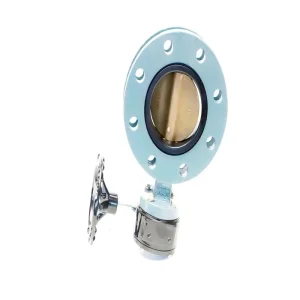
CE/ISO/DIN/BS High Pressure Metal Seal Hard Seal Butterfly Valve
Product Details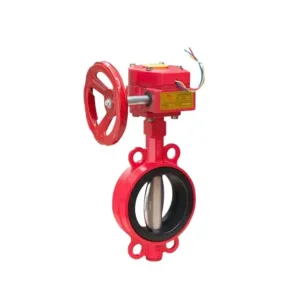
Wholesale Fire-Fighting Wafer Signal Butterfly Valve Supplier, Factory
Product Details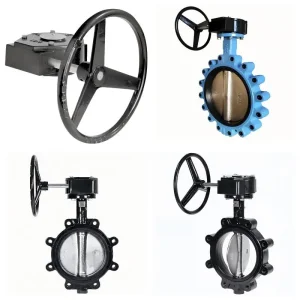
Wholesale WRAS Approved Lug Type Butterfly Valve 4325G Factories
Product Details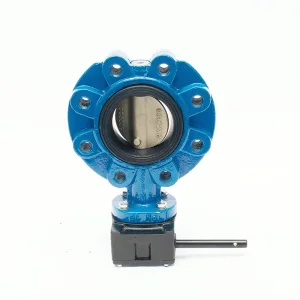
High-Quality Marine Centric Lug Manual Operated Butterfly Valve
Product Details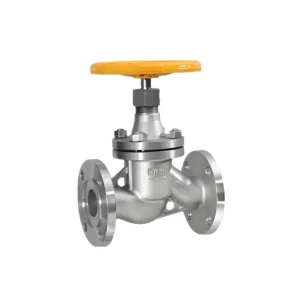
Wholesale Straight-Through Ammonia Globe Valve Factory
Product Details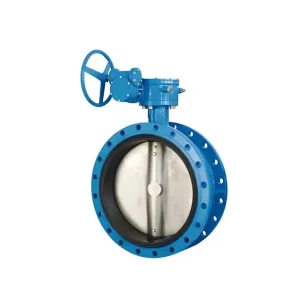
Wholesale Low-Torque Flange Type Butterfly Valve Supplier
Product Details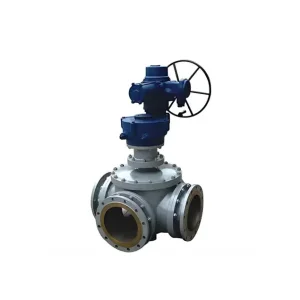
CE Quick-Opening Three-Way Flange Ball Valve Diversion Factory
Product Details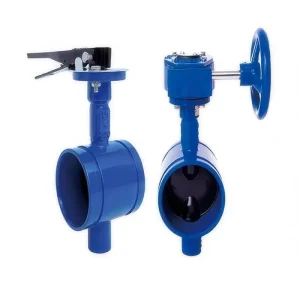
High-Quality Grooved End Butterfly Valve Flow Control Suppliers
Product DetailsAccelerate Your Valve Specification Process
Whether calculating Cv flow coefficients for high-pressure emergency diversion, validating elastomer compatibility for chemical handling, or requesting certified 3D CAD/STEP models for modular skid piping layouts, our bilingual engineering team delivers comprehensive technical dossiers within 24 hours.
