PED 2014/68/EU Module H Conformity · ISO 9001

CE Certification Double Offset Butterfly Valve Suppliers & Manufacturer

Engineered high-performance double eccentric butterfly valves providing zero-leakage bidirectional isolation, low operational torque, and severe-service resilience across industrial steam, seawater, chemical, and district energy pipeline infrastructures.

Primary Lineup

Featured Industrial Butterfly & Flow Control Valves

Precision-cast valve assets engineered in our vertically integrated foundry and machining plants, fully compliant with EN 593, API 609, and international pressure testing standards.
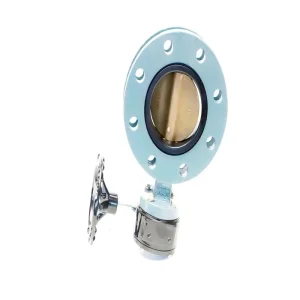
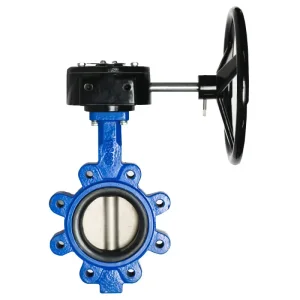
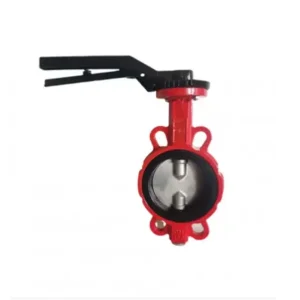
High-Quality Rubber Lined Pinless Butterfly Valve Supplier, Factories
Resilient Seated · Pinless
High-Quality Rubber Lined Pinless Butterfly Valve Supplier, Factories
Explore Valve Specs
Wholesale CE/ISO/DIN/BS High Pressure Metal Seal Hard Seal Butterfly Valve Manufacturers, Manufacturer
Severe Duty · Metal Seated
Wholesale CE/ISO/DIN/BS High Pressure Metal Seal Hard Seal Butterfly Valve Manufacturers, Manufacturer
Explore Valve Specs
High-Quality Lug type Butterfly valve Suppliers, Manufacturers
Full Lug · Dead-End Service
High-Quality Lug type Butterfly valve Suppliers, Manufacturers
Explore Valve Specs
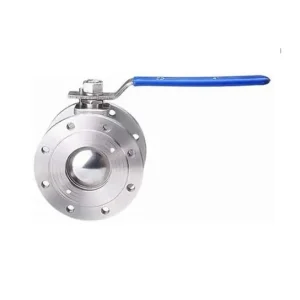
Wholesale Stainless Steel Ultra - Thin Ball Valve with Fire - Safe Design Supplier, Factories
Process Valve · Fire-Safe
Wholesale Stainless Steel Ultra - Thin Ball Valve with Fire - Safe Design Supplier, Factories
Explore Valve Specs
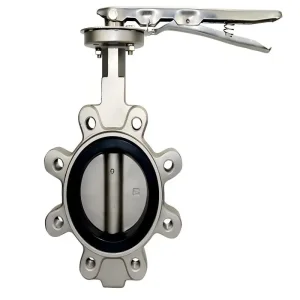
High-Quality LUG Stainless Steel Butterfly Valve - Durable & Reliable Supplier, Manufacturer
CF8M / SS316 · Corrosive Duty
High-Quality LUG Stainless Steel Butterfly Valve - Durable & Reliable Supplier, Manufacturer
Explore Valve Specs
High-Quality Double Half Shaft Wafer Butterfly Valve Supplier, Manufacturer
Optimized Cv · Split Stem
High-Quality Double Half Shaft Wafer Butterfly Valve Supplier, Manufacturer
Explore Valve Specs
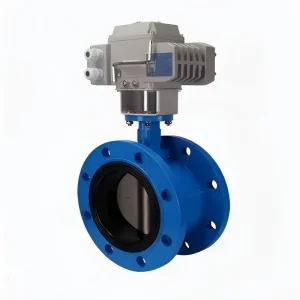
High-Quality High-Performance Electrical Butterfly Valve for Seamless Control Suppliers, Manufacturers
Actuation Ready · Modulating
High-Quality High-Performance Electrical Butterfly Valve for Seamless Control Suppliers, Manufacturers
Explore Valve Specs
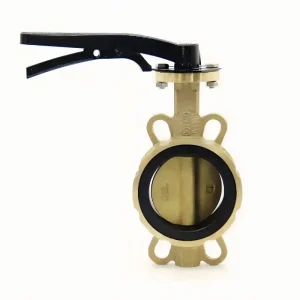
High-Quality Aluminum Bronze Butterfly Valve - Durable & Corrosion Resistant Suppliers, Manufacturer
C95800 Alloy · Seawater / Marine
High-Quality Aluminum Bronze Butterfly Valve - Durable & Corrosion Resistant Suppliers, Manufacturer
Explore Valve Specs
Technical Engineering Monograph

Double Offset Kinematic Principles & CE PED Regulatory Compliance

The Double Offset Butterfly Valve (also designated as a High-Performance Butterfly Valve or HPBV) represents a substantial engineering evolution over concentric resilient-seated valve architectures. While concentric designs rely upon continuous mechanical friction between the disc edge and the elastomer sleeve across the complete 90-degree rotary stroke, the double offset configuration employs two discrete geometric displacements to systematically optimize cycle longevity and seat sealing integrity.

Kinematic Mechanics of Dual Eccentricity

The structural geometry is engineered around two distinct axes of offset:

  • Offset 1 (Stem Shaft Behind the Sealing Plane): The center line of the valve stem shaft is displaced axially behind the sealing face of the valve seat. This establishes a continuous, uninterrupted 360-degree sealing contact perimeter without penetrating the elastomeric or plastomeric seating profile.
  • Offset 2 (Shaft Displaced from Pipeline Centerline): The stem axis is offset laterally from the exact centerline of the pipe bore. When rotation begins, this eccentricity produces an immediate camming action. Within the initial 1 to 3 degrees of opening rotation, the disc lifts cleanly off the valve seat ring, completely eliminating circumferential scuffing, elastomer galling, and frictional material wear.

This camming trajectory significantly reduces the operational breakout and dynamic torque requirements, permitting engineering teams to downsize pneumatic actuators and electric multi-turn gear assemblies. Operational lifetimes are routinely increased from 20,000 cycles typical of standard concentric valves to upwards of 200,000 continuous cycles in modulating or throttling process regimens.

CE Certification & The Pressure Equipment Directive (PED 2014/68/EU)

Exporting high-performance industrial valves to the European Economic Area (EEA) legally mandates stringent conformity with the Pressure Equipment Directive 2014/68/EU (PED). For industrial piping networks exceeding Category I classification, CE marking requires third-party notified body surveillance (e.g., Module H full quality assurance).

Conformity demands complete traceability of pressure boundary materials under EN 10204 Type 3.1 certification. Every ductile iron (EN-GJS-400-15), cast steel (WCB/1.0619), or austenitic stainless steel (CF8M/1.4408) pressure-containing casting is subjected to strict carbon equivalent calculations, tensile verification, Charpy V-notch impact validation at sub-zero service temperatures, and non-destructive examination (NDE) including radiographic and liquid penetrant testing.

Design & Engineering Matrix
  • Design StandardsAPI 609 Cat. B / EN 593
  • Nominal DiametersDN50 to DN2400 (2" to 96")
  • Pressure ClassesPN10, PN16, PN25, Class 150/300
  • Face-to-Face SpecsEN 558 Series 20 / ISO 5752
  • Tightness ClassISO 5208 Rate A / EN 12266-1
  • PED Certification2014/68/EU Module H / CE
  • Fire Safety StandardsAPI 607 7th Ed. / ISO 10497
  • Fugitive EmissionsISO 15848-1 Class AH / BH
  • Actuator FlangeISO 5211 Direct Mounting Pad
Commercial Landscape

Global Market Drivers & Industrial Adoption Trends

The structural transition from legacy heavy gate and globe valves toward double eccentric butterfly valve architectures across high-efficiency municipal, energy, and marine infrastructure.

District Energy & Decarbonization

High-efficiency combined heat and power (CHP) networks and central cooling utilities in Northern and Eastern Europe require tight sealing up to 200°C. Double offset valves with reinforced PTFE (R-PTFE) or laminated metal seals deliver long-term bubble-tight isolation, significantly reducing thermal distribution losses.

Modern Industrial Plant Weight Optimization

Engineering, Procurement, and Construction (EPC) firms managing offshore installations, FPSOs, and modular process skids prioritize double offset wafer and lug butterfly valves over bulky gate valves. HPBVs achieve up to a 70% weight reduction and an 80% footprint decrease, preserving structural integrity without compromising pressure envelopes.

Fugitive Emissions & Decarbonization Mandates

With international standards such as ISO 15848-1 and TA-Luft setting tighter methane and volatile chemical emission boundaries, our double offset designs implement live-loaded PTFE or flexible graphite packing rings with anti-blowout dual-retained stem safety systems, ensuring compliance under severe thermal cycling.

Manufacturing Capability

Vertical Production Integration in Tianjin, China

Combining an in-house foundry with specialized elastomer vulcanization and CNC centers ensures complete metallurgical, mechanical, and delivery control.

Captive Foundry Control

Our dedicated foundry eliminates reliance on third-party raw castings. Direct spectral chemical analysis and microstructure verification of nodular iron and cast steels occur prior to pouring, eliminating internal porosity defects.

Elastomer & Polymer Lab (Since 1987)

Leveraging our internal rubber manufacturing facility, seat elastomeric compounds (EPDM, NBR, FKM) and modified PTFE compositions undergo strict rheometer, compression set, and tensile tests to guarantee long seating resilience.

Micron-Tolerance CNC Machining

Multi-axis horizontal machining centers finish disc camming edges, spherical sealing contours, and double offset stem tunnels in a single fixturing pass, maintaining precise dimensional tolerances within ±0.01mm.

100% Hydrostatic Shell & Seat Testing

Every single manufactured valve undergoes automated hydrostatic shell testing at 1.5× design pressure and dual-direction high-pressure pneumatic/hydrostatic seat closure testing per ISO 5208 Rate A criteria before shipping.

System Implementations

Specialized Industrial & Localized Flow Applications

Configured metallurgical alloys, sealing systems, and operator trims engineered to resist cavitation, abrasion, and aggressive process fluids.

Seawater Desalination

Engineered with Nickel Aluminum Bronze (ASTM B148 C95800) or Super Duplex stainless steel (2507) discs to prevent pitting, crevice corrosion, and biofouling in high-salinity RO facilities.

Marine & Shipbuilding

Installed across commercial ballast water treatment (BWTS), bilge management, and marine scrubber systems requiring space efficiency, corrosion resistance, and rapid quarter-turn isolation.

Chemical & Petrochemical

Configured with virgin PTFE or PTFE-lined stainless bodies (CF8/CF8M) for aggressive acid, chlor-alkali, and volatile aromatic chemical transfer where elastomer vulcanization would fail.

Industrial Steam Systems

Featuring reinforced R-PTFE or stellite hard-faced metal seats to handle low-to-medium pressure saturated and superheated steam lines up to 250°C without seat extrusion or degradation.

HVAC Hydronics & Municipal District Cooling

Optimized hydrodynamic discs minimize pressure loss and turbulence across chilled water circuits, primary cooling towers, and commercial high-rise pumping stations, cutting operational energy costs.

1987
Rubber Expertise Founded
23,000 m²
Factory Campus Footprint
50+
Global Export Markets
100%
Pressure Tested Before Dispatch
Procurement Engineering

EPC Procurement Verification & Supply Chain Assurance

Evaluating critical audit factors and compliance criteria demanded by international engineering contractors and tier-1 procurement managers.

Material Test Certificates (EN 10204 3.1)

Global buyers require 100% heat traceability from the raw ingot to the final valve. We provide full chemical assay composition, mechanical elongation, yield and tensile limits, and hardness testing reports linked to each pressure boundary cast heat batch.

Actuation Integration (ISO 5211)

Modern process loops necessitate standardized actuation. Our valves feature integral ISO 5211 top flanges with normalized square, keyed, or double-D stems, allowing direct, backlash-free bracket mounting of pneumatic, electric, or hydraulic actuators.

Total Cost of Ownership (TCO) & Field Maintenance

Double offset geometry minimizes elastomer wear, reducing routine maintenance interventions. Field-replaceable seat rings allow quick on-site reconditioning without removing the valve body or disconnecting actuation couplings from the main line.

Comprehensive Portfolio

Specialty High-Performance & Non-Return Valve Systems

Explore our extensive range of high-integrity check valves, ceramic disc butterfly valves, and motorized automation solutions manufactured for critical process pipelines.
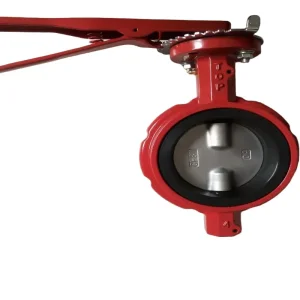
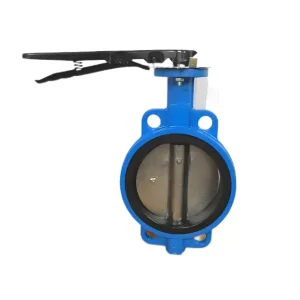
Wholesale Lugless Semi-Shaft Wafer Butterfly Valve - Durable & Reliable Manufacturer, Factory
Semi-Shaft · Wafer Pattern
Wholesale Lugless Semi-Shaft Wafer Butterfly Valve - Durable & Reliable Manufacturer, Factory
Explore Valve Specs
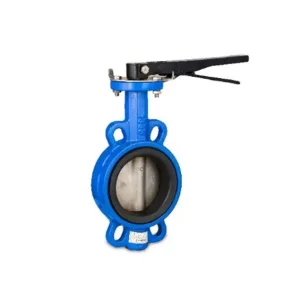
Wholesale Low - Pressure Wafer Type Butterfly Valve Supplier, Manufacturers
Water & HVAC · Wafer Body
Wholesale Low - Pressure Wafer Type Butterfly Valve Supplier, Manufacturers
Explore Valve Specs
Wholesale Ceramic Disc Wafer Butterfly Valve - Durable & Efficient Design Supplier, Factories
Abrasive Slurry · Ceramic Disc
Wholesale Ceramic Disc Wafer Butterfly Valve - Durable & Efficient Design Supplier, Factories
Explore Valve Specs
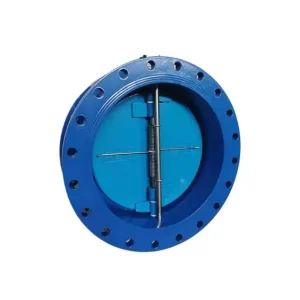
Wholesale Dual Plate Flange Type Check Valve Factories, Factory
Non-Return · Flanged Body
Wholesale Dual Plate Flange Type Check Valve Factories, Factory
Explore Valve Specs
CE Certification Compact Low-Pressure Drop Wafer Lift Check Valve Supplier, Factories
CE PED Certified · Low Head Loss
CE Certification Compact Low-Pressure Drop Wafer Lift Check Valve Supplier, Factories
Explore Valve Specs
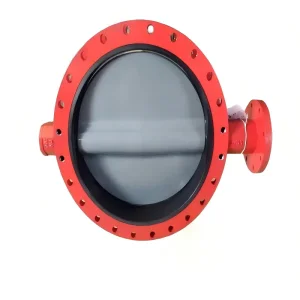
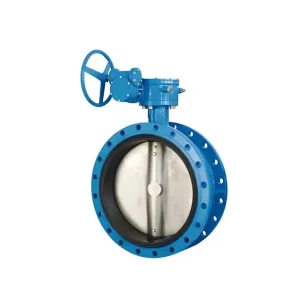
Wholesale Low - Torque Flange Type Butterfly Valve Supplier, Factory
Low Operating Torque · Flanged
Wholesale Low - Torque Flange Type Butterfly Valve Supplier, Factory
Explore Valve Specs
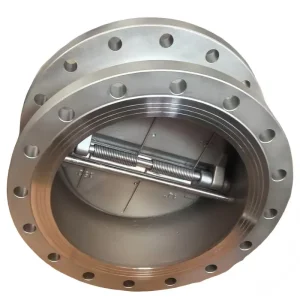
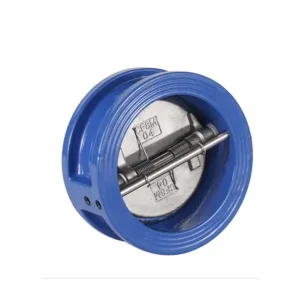
High-Quality High - Performance Dual Plate Wafer Check Valve for High - Flow Pipeline Systems Manufacturer, Factory
High Flow · Dual Plate Wafer
High-Quality High - Performance Dual Plate Wafer Check Valve for High - Flow Pipeline Systems Manufacturer, Factory
Explore Valve Specs
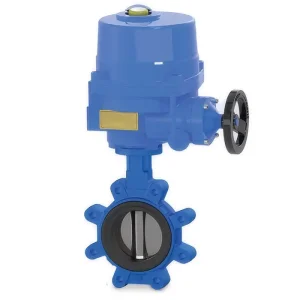
High-Quality Electrical butterfly valve Supplier, Manufacturer
Integrated Actuator · Smart Loop
High-Quality Electrical butterfly valve Supplier, Manufacturer
Explore Valve Specs
Technical Clarifications

Frequently Asked Questions: Double Offset Butterfly Valves

Detailed engineering and procurement insights addressing pressure ratings, testing standards, sealing mechanics, and custom factory configurations.

What is the core difference between double offset and triple offset butterfly valves?

While both valve types utilize eccentric stems to minimize seat friction, the double offset butterfly valve utilizes two offsets (stem displaced behind the seat face and lateral from the pipe bore) paired with a circular elastomeric (EPDM, NBR) or fluoropolymer (PTFE, R-PTFE) seat ring. A triple offset valve introduces a third conical geometric offset on the seating angle, producing friction-free seating designed exclusively for laminated metal-to-metal seating under extreme operating temperatures (up to 500°C+). For the vast majority of applications up to 200°C and PN25/Class 150 pressure ranges, double offset valves provide superior bubble-tight sealing and lower torque requirements at a significantly more competitive purchase cost.

What exact documentation validates CE conformity under the European Pressure Equipment Directive (PED)?

Conformity under PED 2014/68/EU Module H requires a certified EU Declaration of Conformity with third-party Notified Body accreditation, permanent CE marking applied to the valve rating plate indicating the body identification number, and certified EN 10204 Type 3.1 Material Test Reports covering the valve body, disc, and stem metallurgy. Furthermore, comprehensive hydrostatic shell and seat pressure testing records per EN 12266-1 must be cataloged for the valve unit before dispatch.

Can double offset butterfly valves provide reliable bi-directional bubble-tight shutoff?

Yes. Premium double offset valves incorporate an energized, self-adjusting seat configuration—often utilizing an internal elastomeric core ring or corrosion-resistant metallic energizing spring beneath the R-PTFE seat ring. This geometry harnesses line pressure from both forward and reverse directions to drive the seat tightly against the disc sealing contour, verifying zero leakage according to ISO 5208 Rate A and API 598 bi-directional test standards.

Why is an in-house rubber factory advantageous for a butterfly valve manufacturer?

In resilient-seated and high-performance valves, the seating elastomer dictates operational longevity, swelling resistance, and seal integrity. Operating an in-house rubber compounding and vulcanization facility allows our group to maintain strict chemical formulations of EPDM, NBR, and Viton. This eliminates inconsistent vulcanization batches, prevents premature elastomer hardening, and ensures compliance with global drinking water approvals such as WRAS and NSF 61.

What connection configurations are available for double eccentric butterfly valves?

Our valves are engineered in Wafer, Full Lug (tapped holes for isolated dead-end service without downstream flange support), Double Flanged (short and long pattern according to EN 558 Series 13, 14, and 20), and Grooved End architectures. Flange drilling is fully customizable to match EN 1092-1 (PN10/16/25), ASME B16.5 (Class 150/300), and JIS standards.

How do double offset butterfly valves lower actuator sizing and energy expenditure?

Because the dual-cam eccentricity mechanism unseats the disc within the initial fractions of rotational movement, breakout dynamic friction is virtually eliminated. This lowers the peak closing and opening torque by 30% to 50% relative to standard concentric valves of comparable nominal diameters. Consequently, procurement teams can select smaller, more economical electric or pneumatic actuators, lowering capital expenditures and cutting system power consumption.