
Engineered Flow Control Assemblies (Series 01)
Direct factory selection of CE-marked valves engineered for critical isolation, throttling, and backflow prevention across thermal, industrial, and potable water circuits.
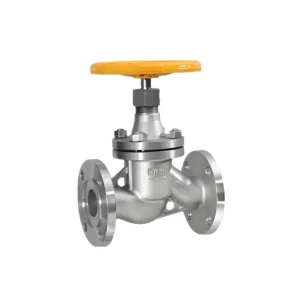
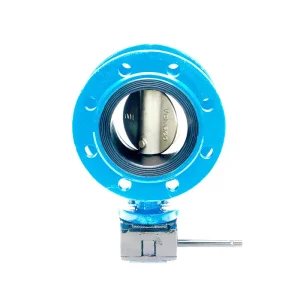
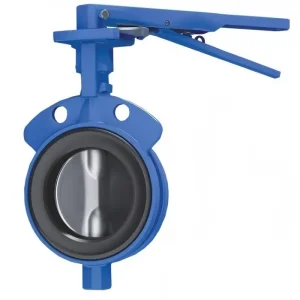
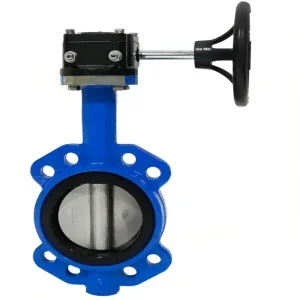
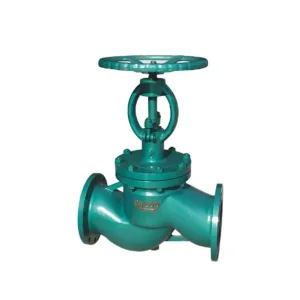
Cast Steel Globe Valves: Industrial Context & Engineering Demand
In modern industrial infrastructure, globe valves remain the gold standard for linear throttling and positive isolation under severe differential pressures, supercritical steam, and cryogenic extremes.
Global Energy & Decarbonization
Thermal power, carbon capture, utilization, and storage (CCUS) and hydrogen-ready combined cycle gas turbine (CCGT) plants demand high-integrity cast carbon and chrome-moly steel (ASTM A216 WCB/WCC, A217 WC6/WC9) globe valves capable of withstanding thermal cycling without stem binding or gland leakage.
- Enhanced resistance to cavitation and erosion
- Zero fugitive emissions under ISO 15848-1 Class A
- Reliable linear control for heat exchangers
Refining & Petrochemical Reliability
Continuous chemical processes rely on globe valves for high-pressure letdown and steam headers. Globe designs with parabolic plugs ensure fine flow tuning where rotary valves suffer from trim wash and nonlinear gain errors at low opening percentages.
- Hardfaced Stellite 6 trim for wear life
- Pressure seal bonnet designs for Class 900+
- Bolted bonnet with spiral wound graphite gaskets
CE / PED 2014/68/EU Compliance
European Union directives enforce Module H compliance for pressure equipment. As an audited manufacturer, our casting metallurgy, NDT examination (RT/UT/MT/PT), and hydrostatic shell testing are certified to satisfy European safety margins without third-party delay.
- Full traceability from ladle heat to final crating
- EN 10204 Type 3.1 material test certifications
- Design verification to EN 13709 and EN 12516
China Direct Factory Efficiency: Vertical Metallurgy to CNC Testing
Operating our own foundry since 1996 and dedicated rubber vulcanization plant since 1987, Tianjin Top Automation Equipment eliminates intermediary markups and supply chain volatility.
Integrated Foundry
Direct pouring of WCB, WC6, LCB, CF8M, and duplex alloys. Strict spectrographic verification prevents impurity spikes before mold pouring.
5-Axis CNC Machining
Micro-finished seating angles and non-rotating burnished stems minimize operating torque while extending packing life through smooth gland finishes.
In-House Lab & NDT
Charpy impact tests down to -46°C, tensile evaluations, dye penetrant, and radiographic evaluations directly verified prior to assembly approval.
Port Logistics Proximity
Located in Tianjin Dongli District, direct motorway access to Tianjin Port allows rapid container dispatch, reducing port-side staging times by days.
Cast Steel Globe Valve Technical Specifications Matrix
Comparative design metrics across common configurations conforming to BS 1873, ASME B16.34, and EN 13709 standards.
| Pattern Type | Typical Standard | Pressure Class | Seating Interface | Ideal Media / Application |
|---|---|---|---|---|
| T-Pattern Straight Way | BS 1873 / EN 13709 | Class 150 – 600 (PN16-100) | Flat or Plug Type (Stellite Coated) | Main steam lines, boiler feed water, throttling duty |
| Y-Pattern (Oblique) | ASME B16.34 | Class 600 – 2500 | Stellite 6 / 21 Overlay | High-pressure power generation; reduced pressure drop |
| Angle Pattern (90°) | ASME B16.34 / API 600 | Class 150 – 1500 | Parabolic Regulating Disc | Piping direction transitions, slurries, flashing services |
| Bellows Sealed Globe | EN 13709 / API 602 | Class 150 – 300 (PN16-40) | Multi-ply Hastelloy/SS Bellows | Toxic chemicals, ammonia, thermal oil, zero emission target |
| Vacuum Isolation Globe | Proprietary High-Vacuum | Vacuum to 1.6 MPa | Water sealed / O-Ring double barrier | Thermal power condenser evacuation, vacuum metallurgical ovens |
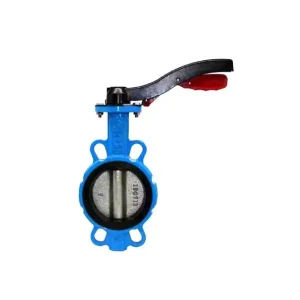
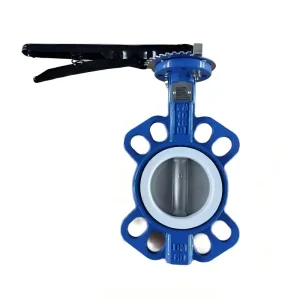
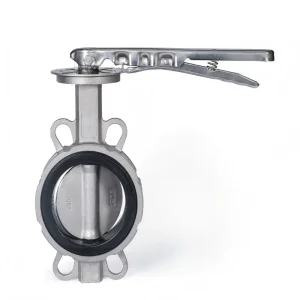
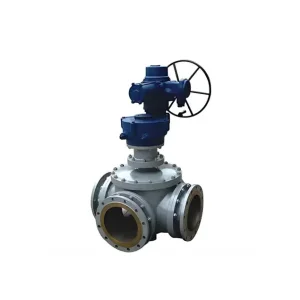
Engineered Flow Control Assemblies (Series 02)
Extended scope of specialized shut-off, high-pressure diversion, and resilient seating solutions designed to integrate with modern plant automation systems.
Frequently Asked Questions for Valve Procurement Specialists
Essential guidance on certifications, materials, engineering tolerances, and delivery protocols for international engineering projects.
Q1: How does CE marking under PED 2014/68/EU affect valve supply?
CE certification confirms conformity to the EU Pressure Equipment Directive (PED). For industrial cast steel globe valves, this requires verified casting chemistry, third-party audited welding and NDT personnel, hydrostatic proof tests at 1.5x design pressure, and EN 10204 Type 3.1 material traceability, ensuring legally compliant deployment across European projects.
Q2: Why select a Cast Steel Globe Valve over a Gate or Ball Valve?
While gate and standard ball valves excel in simple on/off isolation with minimal pressure drop, globe valves are uniquely engineered for linear throttling and severe differential pressures. The disc moves parallel to flow lines, providing precise flow throttling without the seat chatter and cavitation erosion that typically damages gate wedges.
Q3: How does Tianjin Top Valve manage casting porosity and shell defects?
Because we operate our own foundry, we avoid third-party scrap quality risks. Melt chemistry is verified before tapping via arc spectrometers. Molds utilize optimized riser feeding to eliminate shrink pockets. Key pressure zones undergo visual inspection, dye penetrant, and selective radiographic testing per ASME B16.34 requirements.
Q4: What trim hardfacings are available for high-temperature steam?
For saturated and superheated steam services above 260°C (500°F), we deposit Stellite 6 (CoCr-A) weld overlays on both disc and body seating rings. This achieves a surface hardness exceeding 40 HRC, preventing galling, thermal wire drawing, and high-velocity steam erosion over long operational periods.
Q5: What are the lead times for custom flanged drilling and non-standard face-to-face?
Standard DIN (EN 558 series 1) and ASME (B16.10) configurations ship from stock or routine production within 25–35 days. Custom drillings (JIS 10K/20K, BS 10 Table D/E) or specialized bonnet extensions for cryogenic or vacuum service can be accommodated within 40–50 days via our dedicated CNC machining setup.
Q6: How is zero fugitive emission ensured around the stem gland?
Our cast steel globe valves incorporate precision-burnished stems with finishes below Ra 0.4 µm, paired with die-formed flexible graphite rings flanked by anti-extrusion braided carbon caps. For toxic, lethal, or volatile organic compounds (VOC), multi-ply stainless steel bellows seal bonnets provide complete hermetic isolation.
