
Featured CE-Certified Lug Butterfly Valves for Canadian Projects
Heavy-duty, fully threaded lug assemblies designed for bi-directional end-of-line isolation, ASME B16.5 flange alignment, and low-temperature Arctic testing.
-
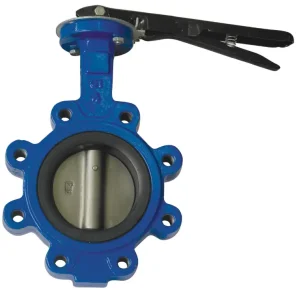
Canadian Municipal Grade Manual Lug Butterfly Valve
View Engineering Specs -
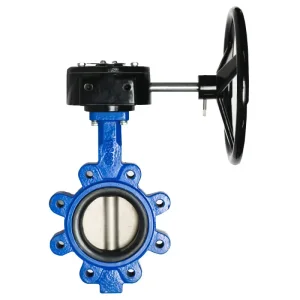
Heavy-Duty Full Lug Bi-Directional Valve Assembly
View Engineering Specs -
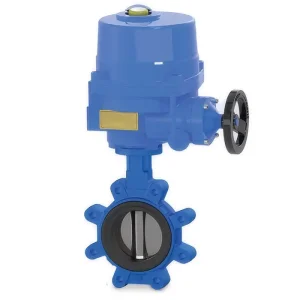
Intelligent Electric Actuated Lug Valve for SCADA
View Engineering Specs -
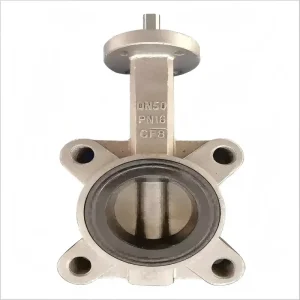
Versatile Semi-Lug Centering Pattern Butterfly Valve
View Engineering Specs
Lug Butterfly Valve Deployment Across Canada: Engineering Realities, Regulatory Compliance, and Macro-Industrial Demands
In modern process piping and utility transport architectures, the lug-style butterfly valve occupies an irreplaceable strategic position. Unlike wafer alternatives that rely on clamping between pipeline flanges via continuous through-studs, lugged butterfly valves feature cast-in, precision-machined threaded eyes along the periphery of the valve body. This structural geometry allows each pipeline flange to be bolted independently using individual hex bolts. Consequently, lug valves enable downstream pipeline dismantling, pigging procedures, pump maintenance, or valve inspection while maintaining full upstream pressure in dead-end service without secondary blind flanges.
For Canadian EPCs (Engineering, Procurement, and Construction), design consultants, and municipal utility operators spanning British Columbia, Alberta, Ontario, and Quebec, the procurement of lug butterfly valves represents an intersection of rigorous statutory compliance and unforgiving operational environments. From the cryogenic permafrost conditions of the Northwest Territories to the heavy bitumen extraction operations of the Athabasca Oil Sands, industrial flow control hardware must survive thermal shocks, mechanical pipeline stresses, and corrosive process chemistries.
1. The Canadian Local Industrial Landscape & Critical Application Realities
Canada boasts one of the most resource-intensive yet ecologically regulated industrial frameworks on earth. Deploying quarter-turn lug butterfly valves across Canadian provinces involves navigating distinct micro-climatic and sectoral conditions:
- Alberta & Saskatchewan (Hydrocarbon Refining, SAGD & Tailings Management): In Steam-Assisted Gravity Drainage (SAGD) facilities and oil sands upgrading terminals near Fort McMurray, process cooling water, produced water recycle systems, and lime softening plants require resilient-seated and high-performance metal-seated lug butterfly valves. Body metallurgy must prevent brittle fracture during winter turnarounds when external ambient temperatures plummet to -45°C. ASTM A352 grade LCC and LCB cast low-temperature carbon steels, combined with 17-4PH stainless steel blowout-proof stems, are essential to eliminate field failure risks.
- Ontario & Quebec (District Energy, Clean Hydropower & Pulp Paper): Ontario's dense commercial building corridors (such as downtown Toronto's deep lake water cooling networks) and Quebec's vast hydroelectric stations demand large-diameter lug butterfly valves with minimal head loss and bubble-tight resilience. In secondary treatment circuits of pulp and paper mills along the Saint Lawrence River, chlorinated bleach solutions and black liquor distillates necessitate high-nickel disc alloys (such as Monel, Hastelloy C276, or aluminum bronze) or virgin PTFE/PFA thick-encapsulated linings to resist aggressive cavitation and stress corrosion cracking (SCC).
- British Columbia (LNG Terminals, Seawater Cooling & Coastal Mining): Port terminals in Prince Rupert and Kitimat handling liquefied natural gas (LNG) pre-treatment utilities, combined with open-pit copper-gold mines in the Cariboo region, encounter salt spray and slurry abrasion. In these installations, aluminum bronze (ASTM B148 C95800) and duplex stainless steels (2205 / 2507) paired with vulcanized abrasion-resistant polyurethane or carboxylated nitrile elastomers guarantee prolonged MTBF (Mean Time Between Failures).
2. The Global Industrial Dynamic & Supply Chain Realignment
Globally, the quarter-turn industrial valve market is experiencing a profound transition driven by industrial decarbonization, hydrogen economy integration, water reclamation gigaprojects in arid zones, and stringent fugitive emission mandates (ISO 15848-1 and EPA Method 21). Historically, multi-turn wedge gate valves dominated municipal mains and industrial utility headers. However, their extreme physical weight, costly vertical footprint, susceptibility to seat sediment entrapment, and labor-intensive multi-rotation actuation have accelerated their replacement with high-performance lug butterfly valves.
A modern concentric or double-eccentric lug butterfly valve weighs up to 70% less than a comparable cast steel gate valve while providing bi-directional drop-tight shut-off in a fraction of the face-to-face dimension (complying with ISO 5752 series 20 and API 609 Table 3). This dramatic reduction in dynamic mechanical weight simplifies seismic structural engineering on pipe racks, reduces vessel displacement loads in offshore and marine environments, and diminishes actuation power requirements by over 50%—aligning directly with global energy efficiency directives.
Bi-Directional Dead-End Authority
Engineered with individual tapped lug threads conforming to ASME B1.1 (UNC) and metric ISO standards, permitting pipe disconnection on either valve side under maximum allowable differential pressure (ΔP).
Dual CE (PED) & CRN Readiness
Manufactured under strict ISO 9001 and PED 2014/68/EU Module H accreditation. Comprehensive metallurgical charge documentation is archived to accelerate Canadian Provincial CRN issuance.
ISO 5211 Direct Actuation Pad
Precision-machined top mounting flanges enable direct coupling with electric, pneumatic, or electro-hydraulic actuators without cumbersome brackets, minimizing hysteresis and backlash in modulating loops.
Engineering Comparison: Lug vs. Wafer vs. Gate Valves in Canadian Cold Environments
The selection matrix below summarizes performance boundaries evaluated by Canadian facility engineers when approving isolation hardware for long-term municipal and hydrocarbon distribution headers:
| Evaluation Parameter | Resilient-Seated Lug Butterfly Valve | Wafer Butterfly Valve | Cast Steel Wedge Gate Valve |
|---|---|---|---|
| Dead-End Service Capability | Full rated differential pressure (ΔP) without blind flange. | Prohibited. Upstream pressure pushes disc/seat out without mating flange. | Permitted, but requires secondary retaining support due to weight. |
| Thermal Expansion Resilience | High. Individual short bolt lengths minimize thermal elongation loosening. | Poor. Long through-studs contract/expand drastically under sub-zero cycles. | Moderate. Body cavity thermal binding risk during phase shifts. |
| Pipeline Weight Burden | Extremely compact. Approx. 25% to 30% of gate valve mass. | Lightest. Approx. 20% of gate valve mass. | Extremely heavy. Demands dedicated secondary structural pipe supports. |
| Maintenance & Turnaround Time | Rapid quarter-turn seat/disc rebuild; line can be serviced in sections. | Must isolate and drain both pipe sections to dismount valve. | Demands high labor, seat lapping, bonnet gasket repacking. |
| Fugitive Emissions Control | Standard ISO 15848-1 compliance via live-loaded O-rings / V-ring packing. | Standard ISO 15848-1 compliance available. | High stem packing friction; vulnerable to multi-turn packing wear. |
3. Technical Roadmap & Material Metallurgy: From In-House Elastomers to Cold-Grade Castings
A valve's field performance is irrevocably tied to the integrity of its raw components. Unlike assembled-valve traders, our integrated group footprint encompasses dedicated manufacturing verticals: Tianjin Donglian Valve Factory (foundry & machining operating since 1996) and Tianjin Dongfang Rubber Factory (elastomer formulation operating since 1987). This synergy provides decisive engineering advantages for demanding markets such as Canada:
Proprietary Elastomer Compounding & Vulcanization: In resilient-seated lug butterfly valves, elastomer failure is the primary root cause of leakage. Rapid temperature swings across Canadian seasonal shifts cause standard commercial rubbers to suffer glass transition embrittlement or severe compression set. Compounding our own rubber allows our materials engineers to formulate high-density EPDM (Ethylene Propylene Diene Monomer) with optimized sulfur/peroxide curing. This enables steady elastic memory across a temperature envelope of -40°C to +135°C, offering certified WRAS drinking water safety and resistance to chloramine degradation in modern municipal filtration loops.
Pinless Disc-to-Stem Mechanical Torque Transmission: Conventional butterfly valves rely on taper pins driven through the disc and stem to anchor movement. In high-cycle modulating services or corrosive media, pin holes act as focal points for crevice corrosion, galvanic pitting, and premature shearing. Our lug valve architecture utilizes an engineered double-D or broached square spline pinless drive. By isolating the stem entirely from the line fluid and sealing with internal primary and secondary shaft O-rings, we eliminate pin leak paths and guarantee maintenance-free torque delivery throughout hundreds of thousands of operational cycles.
Casting Integrity & Sub-Zero Metallurgical Verification: Pressure-retaining lug bodies are poured in our automated green-sand and lost-foam foundry lines. Ductile iron bodies conform strictly to EN-GJS-400-15 (ASTM A536 Grade 65-45-12), ensuring superior elongation and shock resistance. For hydrocarbon, gas processing, and extreme low-temperature Canadian projects, our induction furnaces pour low-temperature carbon steel (ASTM A352 LCC / LCB) and high-purity austenitic stainless steel (ASTM A351 CF8M / CF3M). Every heat undergoes spectral chemical analysis and cryogenic Charpy V-notch testing at -46°C, accompanied by 100% hydrostatic shell testing at 1.5× working pressure and seat testing at 1.1× working pressure.
4. Macro-Industry Solutions: Turnkey Flow Isolation Packages
We do not simply deliver hardware; we collaborate with EPC engineering departments to deliver comprehensive skid-ready, automated flow packages configured to Canadian job site specifications:
Potable Municipal Water Networks
WRAS-approved, NSF-61 matching non-toxic EPDM seats with 316SS discs, compliant with AWWA C504 dimensions, designed for potable transmission, filtration backwash, and reservoir pump stations.
District Energy & Geothermal HVAC
Bi-directional bubble-tight lug valves rated up to 25 bar (Class 150), equipped with thermal insulation neck extensions to prevent ambient condensation and icing in central chiller plants.
Mining Slurries & Tailings Dewatering
Abrasive-duty configurations incorporating silicon carbide ceramic discs, hardened stellite trims, or replaceable vulcanized polyurethane liners resistant to high-velocity particle erosion.
Frequently Asked Questions: Lug Butterfly Valve Sourcing for Canada
Precise engineering answers addressing metallurgical traceability, Canadian provincial requirements, pressure testing, and actuator sizing.
How does your CE certification correlate with Canadian Registration Number (CRN) requirements?
What materials do you specify for Canadian outdoor installations exposed to -40°C?
Why is full lug body design preferred over wafer style for pump isolation headers?
Can your factory supply lug butterfly valves drilled to ASME Class 125/150 and PN16?
How does vertical manufacturing of rubber seats improve valve service life?
What automation options are provided for remote SCADA integration in Canada?
Need Tailored Lug Valve Specifications for an Upcoming Canadian Project?
Our valve engineering specialists furnish comprehensive dimension drawings, 3D CAD/STEP models, flow coefficient (Cv) curves, torque calculations, and material qualification certificates within 24 hours.
Send Inquiry Now • Connect with Valve EngineersComprehensive Valve Production Portfolio: High-Pressure, Sanitary & Check Systems
Explore our complete manufacturing lineup serving Canadian chemical refining, water treatment, HVAC chilling, and mechanical fire networks.
-
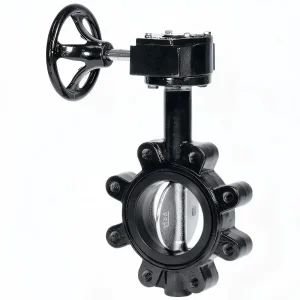
Heavy-Duty Worm Gear Operated Industrial Butterfly Valve
View Engineering Specs -
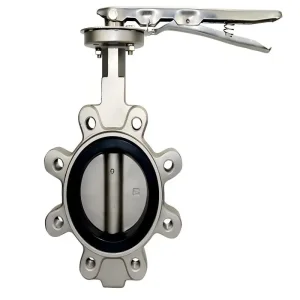
Corrosion-Resistant 316 Stainless Steel Lug Butterfly Valve
View Engineering Specs -
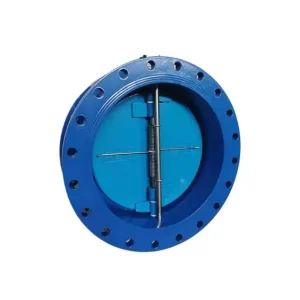
Anti-Water Hammer Dual Plate Flanged Check Valve
View Engineering Specs -
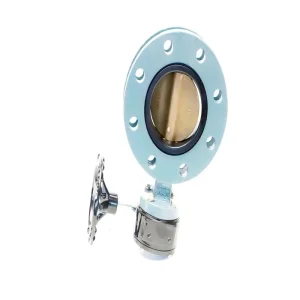
High-Pressure Metal-to-Metal Hard Seal Butterfly Valve
View Engineering Specs -
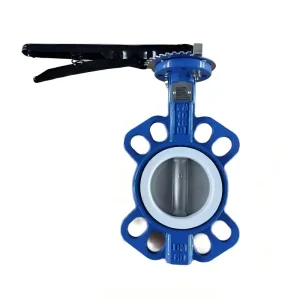
Acid & Alkali Resistant PTFE-Lined Butterfly Valve
View Engineering Specs -
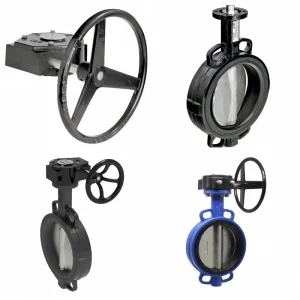
WRAS Potable Water High-Performance Valve 4020G
View Engineering Specs -
Compact Concentric Resilient Wafer Butterfly Valve
View Engineering Specs -
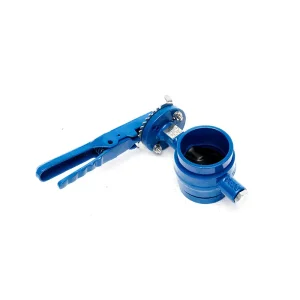
Quick-Clamp Grooved End Butterfly Valve for Fire Protection
View Engineering Specs
