
Precision High-Pressure Flow Control & Process Pipeline Valves
Factory-tested solutions verified via 100% shell hydrostatic and bidirectional zero-leakage seat tests. Each valve incorporates precision CNC machining and proprietary compounding from our integrated facilities.
The Global Industrial Landscape for High-Pressure Plug Valves
High pressure plug valves represent the apex of severe service fluid isolation. As global infrastructure faces deeper exploration wells, pressurized hydrogen networks, abrasive tailings extraction, and high-purity chemical processes, the demand for durable quarter-turn metallic and lubricated plug valves has evolved from standard utility isolation to highly specialized engineering.
Severe Oilfield Exploration & Frac Service
In unconventional shale basins, fracturing manifolds and high-pressure cement trucks demand valves capable of handling up to 15,000 PSI (105 MPa) with extreme sand concentrations. Conventional ball valves suffer cavity particulate entrapment; pressure-balanced inverted plug valves ensure unimpeded quarter-turn reliability.
- API 6A / 16C manifold compatibility
- High velocity abrasive proppant resistance
- Zero cavity seat entrapment design
Mining Tailings & Autoclave Slurry Isolation
Hydrometallurgical extraction circuits (High-Pressure Acid Leach - HPAL for nickel and cobalt) operate at temperatures exceeding 250°C and pressures up to 5 MPa in sulphuric acid. Our specialized eccentric and sleeved plug valves utilize titanium or duplex alloy cores with Stellite overlays to eliminate erosion grooves.
- Titanium Gr. 2/5 and Alloy 20 options
- Self-cleaning wiping seat mechanics
- Continuous anti-scale plug geometry
Refining & Hazardous Petrochemical Isolation
Hydrocracking, ethylene cracking, and alkylation units operate under aggressive thermal cycling and strict volatile organic compound (VOC) emissions mandates. Pressure-balanced lubricated plug valves provide dynamic secondary sealant injection capabilities, restoring bubble-tight shutoff while live in pipeline service.
- ISO 15848-1 Class AH fugitive emission tightness
- Online sealant re-injection port under full differential
- Fire-safe verified to API 607 / ISO 10497
Engineered Field Solutions Across Regional Industrial Basins
Operational conditions vary significantly between the frozen permafrost of North American shale corridors, high-salinity offshore platforms in Southeast Asia, and deep subterranean desert gas injectors in the Middle East. Discover our tailored plug valve design adaptations.
Permian & Montney Shale Hydraulic Fracturing
Challenge: Frac trees handle high-velocity slurries containing 20/40 mesh ceramic proppant at up to 10,000 PSI with severe pressure pulsations.
Engineering Solution: Dynamic inverted pressure-balanced plug architecture forged from AISI 4130 alloy steel with HVOF-applied Tungsten Carbide (WC-Co-Cr) coating (>68 HRC). Eliminates gate chatter and seat cavity scouring.
Arabian Gulf Sour Crude & Acid Gas Injection
Challenge: Aggressive wet H₂S and CO₂ sour environments triggering sulfide stress cracking (SSC) and hydrogen-induced cracking (HIC).
Engineering Solution: Full NACE MR0175/ISO 15156 metallurgy compliance. Bodies cast or forged in Inconel 625 clad or Super Duplex UNS S32750 with PTFE-carbon composite low-friction sleeves preventing metal binding.
Western Australian Iron Ore Slurry Transmission
Challenge: Long-distance high-pressure slurry pipelines transporting magnetite iron concentrate at 150 Bar where particulate sedimentation causes stuck valves.
Engineering Solution: Eccentric plug geometry with round port flow passages. The plug rotates out of contact with the nickel-alloy hardfaced body seat instantaneously upon opening, preventing frictional wear and scale build-up.
North Sea Subsea Tie-Back & Manifold Isolation
Challenge: Extreme external hydrostatic pressures, cryogenic decompression, and inaccessible maintenance cycles requiring a minimum 25-year operational lifecycle.
Engineering Solution: Monoblock forged F53 / F55 body constructions with double trunnion plug supports, dual metal-to-metal secondary emergency seals, and ROV-operated worm gearbox actuation conforming to ISO 13628-8.
Comparative Engineering: High Pressure Plug vs. Ball vs. Gate Valves
When pipeline designers choose an isolation mechanism for severe, erosive, or high-pressure cycling service, the mechanical topology of the valve body dictates operational survival. Review how plug valves compare to other standard valve designs.
| Evaluation Parameter | High Pressure Balanced Plug Valve | Trunnion-Mounted Ball Valve | Slab Through-Conduit Gate Valve |
|---|---|---|---|
| Sealing Contact Area | Extensive wide-area tapered conical contact. High resistance to particulate gouging. | Narrow circular line contact. Prone to abrasive scratching by solids. | Flat parallel planar contact. Debris can scratch seats during travel. |
| Internal Body Cavities | Zero dead cavities. Medium passes cleanly through plug port without sediment settling. | Cavities exist behind seat rings; susceptible to solids accumulation and blockage. | Lower bonnet pocket prone to sedimentation, impeding complete wedge travel. |
| Abrasive Slurry Tolerance | Superior Self-cleaning wiping action protects machined sealing surfaces. | Moderate Spring-loaded seats can jam when particles bypass wiping seals. | Low-Moderate Requires flushing ports to prevent seat binding. |
| Online Seal Restoration | Yes: High-pressure synthetic sealant re-injection re-energizes seal during operation. | No: Requires full teardown or secondary temporary soft sealant seal. | No: Gate repack or seat ring replacement requires complete pipeline depressurization. |
| Actuation Stroke Speed | Quarter-turn (90°) rapid shutoff within 1–2 seconds via pneumatic/hydraulic actuator. | Quarter-turn (90°) fast operation. | Multi-turn rising stem; slow cycling requiring high stroke time (30–90 seconds). |
| Pressure Class Capability | ASME Class 150 to 2500 / API 2,000 to 15,000 PSI (Full cold working pressure). | ASME Class 150 to 2500 / API 2,000 to 10,000 PSI. | ASME Class 150 to 2500. |
Future Valve Roadmap: Smart Monitoring & Decarbonization
Tianjin Top Valve's continuous R&D is pioneering the integration of digital health tracking and next-generation metallurgy to ensure compliance with net-zero mandates and CCUS projects.
Acoustic Acoustic Leak Detection & Smart Diagnostics
Equipping high-pressure plug bonnets with non-invasive piezoelectric acoustic sensors and wireless HART transmitters. The system detects micro-turbulent internal leakage and monitors seat friction coefficient shifts before physical valve passing occurs.
Low Fugitive Emission Packing (ISO 15848-1 AH)
Proprietary live-loaded graphite-PTFE hybrid packing systems with Belleville spring washers that maintain continuous compressive sealing stress across thousands of thermal cycles from -50°C to +400°C without packing retightening.
Supercritical CO₂ & Hydrogen Embrittlement Defense
Development of dense atomic lattice barrier overlays using Laser Cladding with Inconel 625 and ceramic nanocomposites to prevent high-pressure hydrogen permeation and explosive decompression in carbon capture (CCUS) pipelines.
Vertical Foundry Integration & Modern Supply Chain Resilience
Tianjin Top Automation Equipment Co., Ltd. brings decades of dedicated manufacturing strength to international valve procurement. Rooted in the industrial heart of Tianjin since 1987 (Tianjin Dongfang Rubber Factory) and 1996 (Tianjin Donglian Valve Factory), our production eliminates trading intermediaries.
Independent Modern Casting Foundry
Having an independent foundry on our 23,000 m² campus allows total chemical metallurgy verification before machining begins. We pour ductile iron (GGG40/50), WCB, LCB, CF8M, and nickel-aluminum bronze with direct optical emission spectrometer (OES) melt validation.
- Zero porosity vacuum casting guarantees
- EN 10204 3.1 chemical & physical certification
- Shortened casting procurement cycle (-35% lead time)
Proprietary In-House Rubber Compounding
The rubber seat and sealing compound is the single most vulnerable point of failure in pipeline valves. Our dedicated elastomer subsidiary compounds, molds, and vulcanizes custom EPDM, NBR, Viton, and PTFE formulations to control Shore A hardness, compression set, and chemical resilience in-house.
- WRAS-approved potable water elastomers
- Extreme explosive decompression (AED) resistant
- Consistent batch vulcanization tracking
Strategic Port Logistics & Fast Dispatch
Located in Wuxia Industrial Park, Dongli District, our facility has swift highway arterial access to Tianjin Port (Xingang), northern China's largest maritime shipping gateway. This allows rapid container staging, minimal inland freight cost, and expedited ocean transit to Europe, the Middle East, and the Americas.
- Direct access to international container lines
- Heavy export crating with vapor-barrier seal bags
- Complete digital shipping document packages (COO, Form E)
Localized Compliance, International Approvals & Field Support
Procurement teams require comprehensive certification trails before authorizing plant installation. Our quality assurance architecture adheres to strict global auditing frameworks, backed by remote live video factory audits and localized technical service networks.
ISO Triple Management
Fully certified and audited under ISO 9001:2015 (Quality), ISO 14001:2015 (Environmental Stewardship), and ISO 45001:2018 (Occupational Health & Safety).
CE-PED Compliance
Pressure Equipment Directive (PED 2014/68/EU) Module H certification, ensuring European conformity for pressure vessels and high-pressure valve piping systems.
WRAS Drinking Water
Selected resilient seat valve models (e.g., 4020G, 4020L, 4325G, 4325L) comply with the UK Water Regulations Approval Scheme for public potable networks.
Flange Standards
Precision flange drilling and face-to-face dimensions produced strictly to ASME B16.5, ASME B16.10, EN 1092-1 PN10/16/25/40, DIN 3202, BS 5155, and JIS 10K/20K.
High-Pressure Plug Valve Technical Q&A (FAQ)
Essential insights covering operational maintenance, selection criteria, seat compounding, and custom actuator integration compiled by our senior field engineering teams.
What distinguishes a pressure-balanced inverted plug valve from a standard sleeved plug valve?
In a standard sleeved plug valve, the plug is inserted upright into an elastomer sleeve (typically PTFE), which functions exceptionally well in chemical isolation up to ASME Class 300. However, under high-pressure classes (ASME Class 600, 900, 1500, or 2500), line pressure forces an unbalanced plug tightly into the body taper, resulting in excessive operating torque or mechanical seizure.
In contrast, a pressure-balanced inverted plug valve positions the tapered plug upside down. Internal balancing channels and check valves equalize line pressure between the top and bottom cavities of the plug. An internal spring mechanism maintains uniform plug seating stress regardless of pipeline pressure surges, allowing smooth quarter-turn rotation even at 10,000 PSI differential pressures.
How does the dynamic secondary sealant injection system function in lubricated plug valves?
Our lubricated plug valves feature a high-pressure button-head sealant fitting with an integral internal ball check valve. When high-viscosity synthetic lubricant is injected using a mobile hydraulic sealant gun, the compound travels through internal distribution grooves milled into the tapered sealing surface of the plug.
This compound forms a renewable hydraulic film across the metal-to-metal interface, achieving bubble-tight shutoff, protecting the metallic surface from corrosive chemicals, and freeing plugs that have experienced galling during prolonged shutdown intervals.
What types of industrial valves does Tianjin Top Valve manufacture across its facilities?
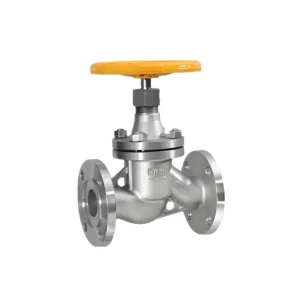
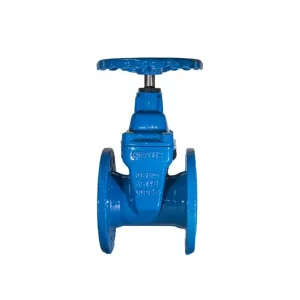
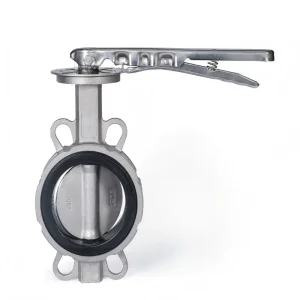
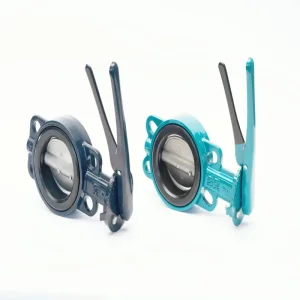
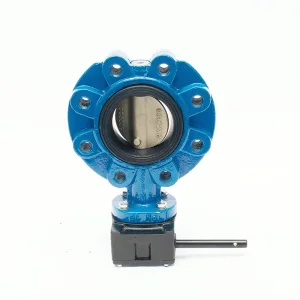
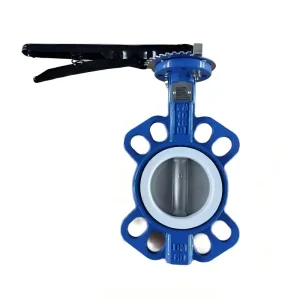
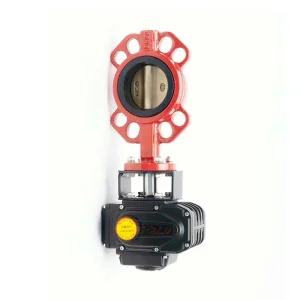
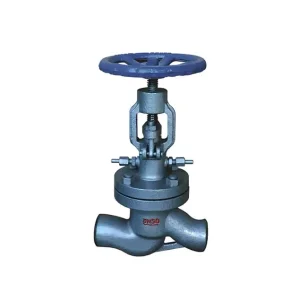
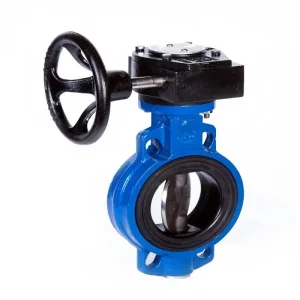
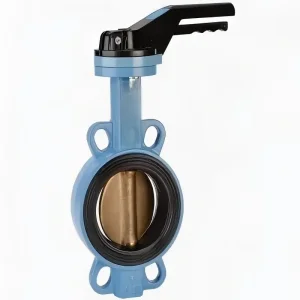
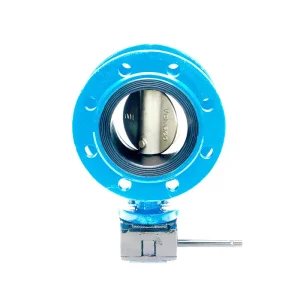
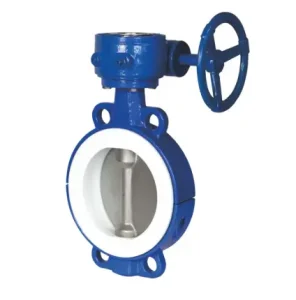
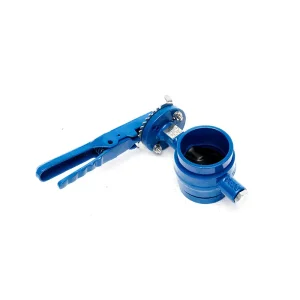
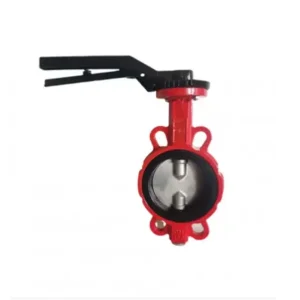
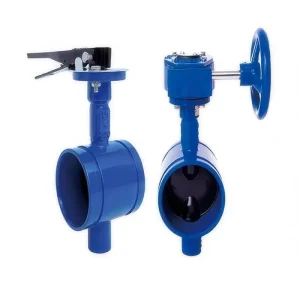
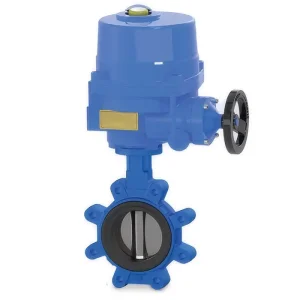
Our production base manufactures resilient-seated butterfly valves (wafer, lug, double-flanged, and grooved-end patterns), check valves (dual plate, wafer lift, silent, and ball type), resilient seat gate valves (rising stem OS&Y, non-rising stem NRS, buried service, and DIN standard), globe valves (for potable water, industrial ammonia, vacuum, and power station steam service), as well as three-way ball valves and eccentric high-pressure plug valves.
Are your butterfly valve lines approved for potable drinking water installations?
Yes. Specific flagship configurations, including models 4020G, 4020L, 4325G, and 4325L, are officially certified under the WRAS (Water Regulations Approval Scheme) for drinking water infrastructure. These feature non-toxic, bacteriologically inert EPDM liners compounded in our dedicated rubber facility.
Why is having an in-house rubber seat and casting foundry critical for procurement quality?
Most valve failures stem from elastomer seat degradation or hidden metallurgical casting voids. Because our group operates Tianjin Dongfang Rubber Factory (since 1987) and Tianjin Donglian Valve Factory (since 1996), we compound raw polymers and pour molten ductile iron, carbon steel, and stainless steel in-house.
This provides 100% component batch traceability, guarantees consistent Shore A hardness and vulcanization integrity, and eliminates third-party supply chain bottlenecks.
Can Tianjin Top Valve supply products conforming to DIN, ASME, BS, and JIS standards?
Absolutely. Our multi-axis CNC machining centers drill flanges and machine face-to-face dimensions precisely to ASME/ANSI B16.5 (Class 125/150/300/600/900/1500/2500), European EN 1092-1 (PN6/PN10/PN16/PN25/PN40), German DIN 3202 F4/F5, British BS 5155, and Japanese JIS 10K/20K specifications. Detailed engineering submittal drawings are supplied prior to manufacturing release.
How does your quality control department execute pressure testing before international export?
Every unit undergoes mandatory testing according to API 598 or EN 12266-1 prior to packaging. This includes a hydrostatic shell test at 1.5 times the cold working pressure (CWP), followed by high-pressure and low-pressure hydrostatic/pneumatic seat leakage tests at 1.1 times CWP to confirm zero-leakage shutoff. Hydrostatic test charts and EN 10204 3.1 inspection certificates are provided with every order.
Specialized Heavy-Duty Marine, Water & Chemical Valves
Browse our additional factory product lines engineered for municipal water systems, shipbuilding, and severe industrial processing plants worldwide.
Request A Tailored Technical Quotation & 3D CAD Models
Provide your operating pressure class, medium characteristics, pipe size, and flange drilling standards. Our engineering team in Tianjin responds within 24 hours with complete datasheets, material declarations, and competitive factory pricing.
