
Industrial Specification Portfolio
Certified Potable & Process Infrastructure Hardware
Explore factory-direct industrial flow components compliant with European Pressure Equipment Directives (PED) and stringent drinking water migration standards.
Industry Macro Intelligence
Global Landscape of WRAS & CE Certified Water Control Infrastructure
Stringent microbial limits, aging distribution networks, and stringent contamination directives have catalyzed a critical transformation in commercial and municipal valve specifications.
UK BS 6920 Compliance
WRAS (Water Regulations Advisory Scheme) accreditation mandates non-leaching elastomer chemistry. Every batch of internal EPDM is subjected to rigorous cytotoxic, microbial growth, and organoleptic testing to prevent water contamination.
PED 2014/68/EU Directive
CE marking confirms pressure safety limits under rigorous conformity assessment modules. Shell bursting resistance, casting wall-thickness verification, and traceability documentation ensure total compliance across the European Union.
Lifecycle Economics
Modern EPC firms require low total cost of ownership (TCO). Zero-cavity designs and pinless spline disc assemblies eliminate bacterial accumulation and reduce dynamic torque, lowering operating power consumption by up to 22%.
Complete Material Traceability
Complete traceability from EN 10204 3.1 chemical inspection certificates to spectrometer metallurgical analysis. Ductile iron GGG40/50 and stainless steel components guarantee long-term fatigue strength.
100%
Bi-directional Hydro Testing
37+
Years Rubber Vulcanization Exp
50+
Destination Export Countries
Zero
Allowable Leakage (Rate A)
Localized Deployment
Engineered Use-Case Scenarios Across Global Markets
Field-proven performance across varied fluid media, corrosive soil conditions, and high-pressure transmission networks.
Municipal Clean Water Works
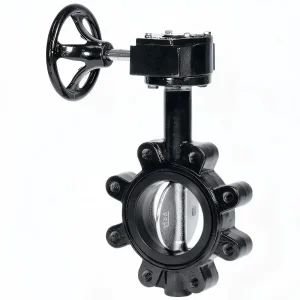
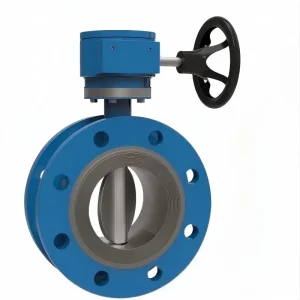
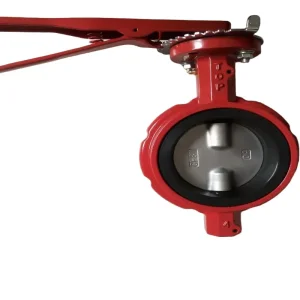
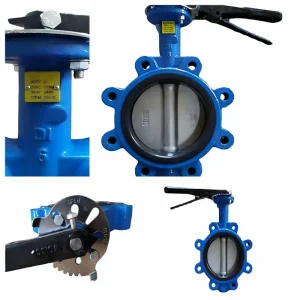
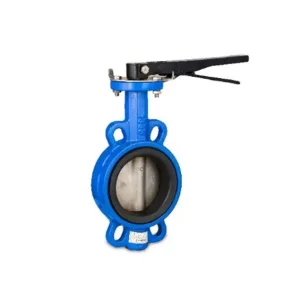
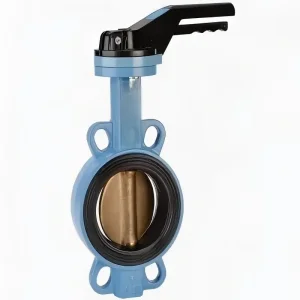
Installed across metropolitan intake, transmission, and reservoir balancing loops. WRAS-certified resilient seated butterfly valves (4020G, 4325L) eliminate organic biofilm buildup and prevent water stagnation with their streamlined disc geometry.
Commercial HVAC & District Cooling
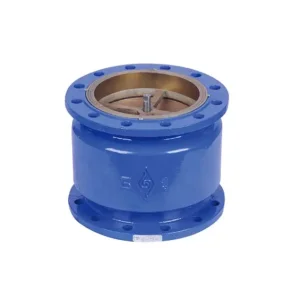
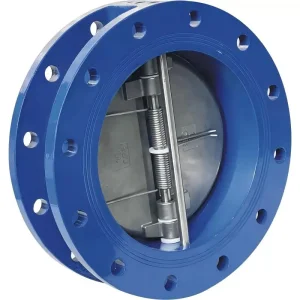
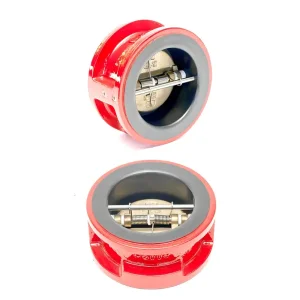
Engineered for high-duty cycling in chiller plant headers and variable flow heat pump circuits. Our dual-plate and silent check valves eliminate hydraulic water hammer surges, safeguarding pumps and metering instrumentation.
Desalination & Seawater Isolation
Configured with nickel aluminum bronze (C95800) discs and vulcanized EPDM/FKM rubber linings. These units resist aggressive chloride pitting in reverse osmosis bypass lines and intake pump stations.
Future Engineering Outlook
Next-Generation Water Valve Technology Roadmap
Strategic advancements in intelligent flow automation, self-lubricating composites, and digital lifecycle monitoring.
Phase 1: Materials Science
Advanced Polymeric Formulations
Upgrading internal liner life through nano-composite EPDM crosslinking. Reduces compression set by 30% under continuous 16-bar hydrostatic pressure.
- Enhanced resistance to chloramine and ozone degradation
- Zero leaching of heavy metal micro-elements
- Extended thermal stability up to 130°C for district heating
Phase 2: Digitalization
Smart IIoT Actuation & Telemetry
Integrating positioners, torque strain sensors, and acoustic flow telemetry directly into ISO 5211 direct-mount actuation flanges.
- Real-time seal wear prediction via anomaly algorithms
- Modbus, Profibus, and LoRaWAN long-range communications
- Autonomous pipeline cavitation and surge throttling
Phase 3: Sustainability
Carbon-Neutral Manufacturing
Transitioning ductile iron induction furnaces to green electricity and utilizing low-friction ceramic hybrid disc coatings.
- Over 95% recyclable component manufacturing cycle
- Hydrodynamic disc profiles reducing system head loss by 14%
- Epoxy powder coatings meeting EN 14901 environmental criteria
Full Engineering Production
Integrated Flow Protection & Check Valve Systems
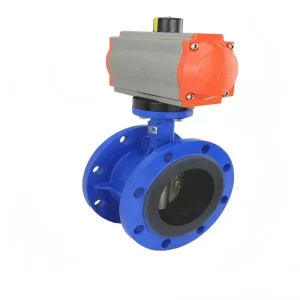
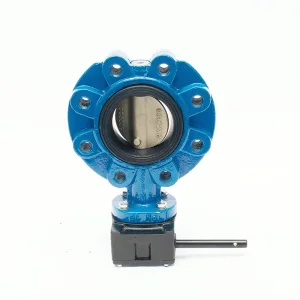
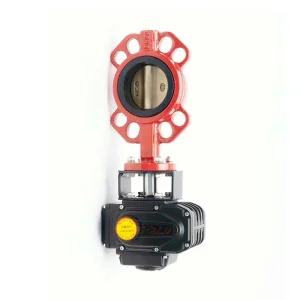
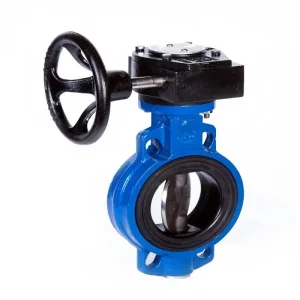
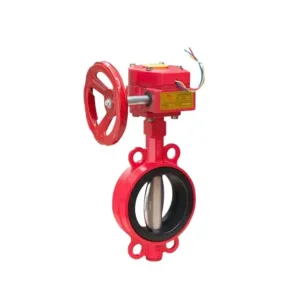
Comprehensive range of factory-assembled valves, backflow prevention assemblies, and actuated flow solutions.
Technical Clarifications
Frequently Asked Questions by Valve Engineers & Procurement Teams
Direct technical answers regarding factory compliance, material certifications, pressure classes, and global delivery schedules.
What distinguishes WRAS-approved valves from conventional industrial valves?
WRAS certification verifies non-metallic materials (elastomer seats, O-rings, epoxy liners) against the British BS 6920 standard. This guarantees the valve does not leach chemicals, impart odor/flavor, cause water discoloration, or foster microbial colonization in drinking water infrastructure.
How does in-house rubber compounding ensure sealing longevity?
Operating our dedicated rubber vulcanization plant since 1987 enables precise formula control for EPDM and NBR compounds. We control vulcanization kinetics, cross-link density, and hardness to prevent seat deformation and premature degradation under high cycle rates.
Which pressure testing standards are applied prior to dispatch?
Each unit undergoes 100% hydrostatic shell testing at 1.5× PN rating and bi-directional seat leakage testing at 1.1× PN rating, in strict accordance with EN 12266-1 and ISO 5208 Rate A (zero detectable leakage).
Can you supply valves to international flange drilling specifications?
Yes. Our multi-drilled and dedicated pattern butterfly and gate valves support EN 1092-2 (PN10/PN16), ASME/ANSI B16.1 Class 125/150, AS 2129 Table D/E, and JIS B2239 10K/16K flange standards.
What documentation accompanies OEM/EPC shipments?
Standard delivery documentation packages include EN 10204 Type 3.1 Material Test Reports (MTRs), CE Declaration of Conformity, hydrostatic pressure test certificates, coating thickness dry-film inspection logs, and WRAS material declaration letters.
What is the typical manufacturing turnaround for customized configurations?
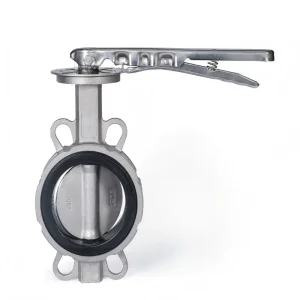
Standard wafer and lug resilient seated valves are maintained in inventory. Custom assemblies—such as special alloy disc combinations, pneumatic or electric actuation packages, and marine coatings—generally ship within 3 to 4 weeks via direct sea freight from Tianjin Port.
