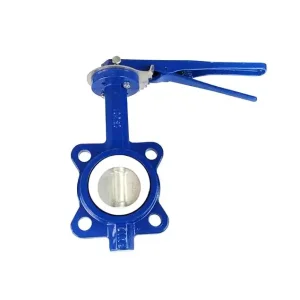
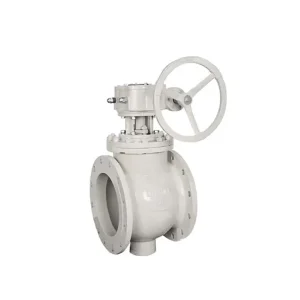
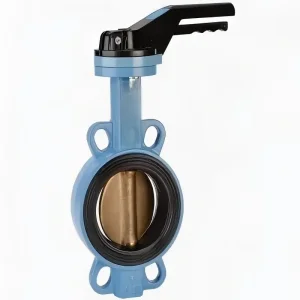
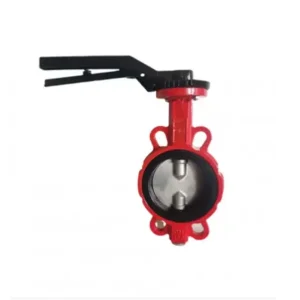
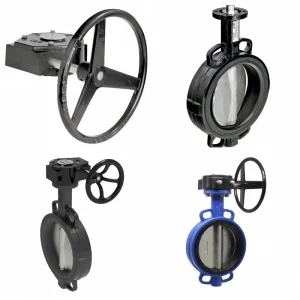
Standard & Custom Industrial Valve Portfolio
Explore our factory-direct resilient seated assemblies. Every model is certified under strict EU standards, manufactured across our integrated foundry and rubber vulcanization plants.
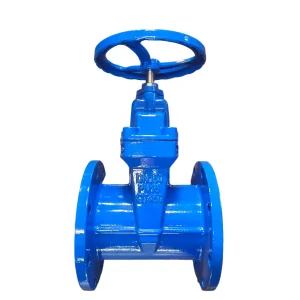
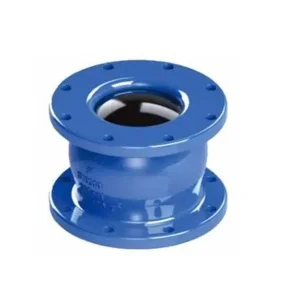
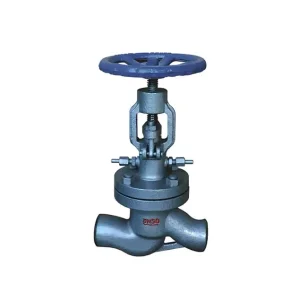
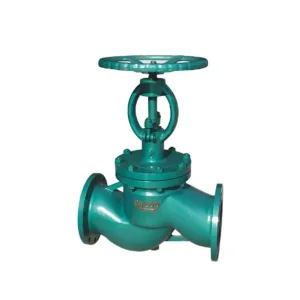
Overcoming Fluid Inertia in Viscous & Slurry Hydraulic Architectures
Modern sewage transport, mineral tailings decanting, and stormwater retention facilities require check valves that completely eliminate hinge-pin seizure, mechanical disc chatter, and high-velocity water hammer.
Full-Bore Unobstructed Waterway
Traditional swing and dual-plate check valves place shafts, springs, and disc flaps directly in the centerline flow, triggering severe turbulence, rag snagging, and high parasitic head loss. The CE certified wafer ball check valve employs an eccentric or inclined displacement chamber where the elastomeric coated ball moves entirely outside the flow stream during forward motion, ensuring a completely clear hydraulic conduit.
Dynamic Rotary Self-Cleaning Action
Unlike stationary discs that seat continuously along identical contact tracks, the vulcanized ball inside our check valve freely rotates across all three axes during opening and closing cycles. This continuous rotation prevents localized abrasive wear, scours particulate matter or bio-slimes from the seating surface, and guarantees bubble-tight shut-off even when handling municipal sludge containing up to 8% dissolved and suspended solids.
Ultra-Compact Wafer Architecture
With plant footprints shrinking and skid equipment modules requiring dense piping integration, the wafer configuration drastically diminishes face-to-face dimensions compared to bulky cast-iron flanged bodies. Weighing up to 65% less than conventional swing non-return valves, it minimizes cantilevered pipeline loads, simplifies maintenance removal between EN 1092-2 PN10/16 flanges, and drastically cuts installation man-hours.
The Worldwide Transition Toward Anti-Clog, Energy-Efficient Non-Return Systems
Tightening ecological regulations, escalating municipal energy costs, and stringent European CE compliance directives have shifted procurement parameters from low purchase price to lifecycle total cost of ownership (TCO).
European Union Directives: Urban Wastewater Directive & PED
Under the European Union's revised Urban Wastewater Treatment Directive (Directive 91/271/EEC recast), pumping stations must maintain rigorous energy efficiency levels while eliminating fugitive emissions and unplanned overflow spills. Conventional valves with pin-joint hinges fail frequently due to synthetic wet wipes, fibrous plastics, and thick biological sludges. Water utilities across Germany, the UK, France, and Scandinavia now mandate non-slam, non-clogging ball check valves carrying certified CE marking under PED 2014/68/EU Module H, alongside EN 12050-4 compliance for wastewater lifting plants.
The Cost of Parasitic Head Loss in Global Water Distribution
In high-capacity pumping architectures, flow resistance equates directly to continuous electrical consumption. A throttled valve flap or misaligned swing seat generates substantial pressure drops (ΔP), forcing variable-frequency drive (VFD) booster pumps to expend excess megawatts annually. The wafer ball check valve provides a straight-line flow profile with minimal Reynolds friction factors, reducing parasitic pressure loss by 28% to 42% compared to dual-plate or lift-type non-return designs.
Engineering Traceability: From In-House Foundry to Pressure Bench
Tianjin Top Automation Equipment Co., Ltd. operates with an uncompromised supply chain heritage. Backed by Tianjin Donglian Valve Factory (foundry operations since 1996) and Tianjin Dongfang Rubber Factory (elastomer formulation since 1987), every wafer ball check valve body is cast from EN-GJS-400-15 or EN-GJS-500-7 ductile iron, then mated with in-house compounded NBR or EPDM encapsulated solid aluminum/carbon steel spherical cores. We eliminate third-party sub-tier supply volatility, guaranteeing 100% material traceability and certified pressure containment for project engineers worldwide.
CE Certification & International Standards Verification
International EPC tenders and municipal authorities require documented mechanical validation, material test certificates (MTC 3.1), and precise acoustic non-slam confirmation before installation approval.
PED 2014/68/EU Module H Audit
Our wafer ball check valves undergo comprehensive Design Examination and Full Quality Assurance certification (Module H), ensuring the pressure-retaining ductile iron shell, wall thicknesses, and hydrostatic shell ratings comply strictly with European harmonized norms for Group 1 and Group 2 fluids under PN10, PN16, and Class 150 duty cycles.
EN 12050-4 Wastewater Validation
Compliance with EN 12050-4 certifies the valve's capability to operate reliably in wastewater lifting plants without back-siphoning or blockage. Valves are subjected to dynamic ragging simulation tests, continuous cyclic slam tests, and backpressure seal evaluation from a nominal 0.2 bar up to maximum design pressure without drip loss.
Zero-Leakage EN 12266-1 Rate A
Every single unit undergoes high-pressure hydrostatic body testing at 1.5 × PN (24 bar for PN16) and low/high-pressure resilient seat closure testing at 1.1 × PN. Certified to achieve Rate A (zero detectable gas/liquid bubbles), our precision-vulcanized elastomer ball ensures immediate shut-off and absolute environmental barrier isolation.
Hydraulic Performance & Operational Comparison Matrix
Comparing critical mechanical and fluid dynamics attributes across mainstream non-return valve technologies.
| Valve Structural Type | Solids / Slurry Tolerance | Water Hammer Mitigation | Flow Resistance (ΔP) | Mounting Orientation | Maintenance Lifecycle |
|---|---|---|---|---|---|
| Wafer Ball Check Valve (Tianjin Top) | Superior (≤ 8% Solids) | Soft Reseating (Non-Slam) | Extremely Low | Vertical & Horizontal | 10+ Years (Zero Internal Pins) |
| Dual Plate Wafer Check Valve | Poor (Rags snag on shaft) | Moderate (Spring Assisted) | Moderate (Center obstruction) | Horizontal Preferred | 3-5 Years (Spring/Pin Fatigue) |
| Conventional Swing Check Valve | Moderate (Risk of hinge hang-up) | High (Severe Slam Tendency) | Low to Moderate | Horizontal Only | 4-6 Years (Hinge bush wear) |
| Silent Lift Check Valve | Very Low (Clean Fluids Only) | Excellent (Spring damped) | High (Contoured disc head) | Vertical / Horizontal | 5-7 Years (Guide stem scaling) |
Specialized Field Applications & Harsh Environments
Engineered for extreme duties where fluid crystallization, aggressive chemical content, or heavy particulates rapidly disable ordinary flow control mechanisms.
Municipal Raw Sewage & Lift Stations
Submersible wet-well pumps face catastrophic blockages when fibrous wipes, sanitary rags, and solid sediments catch on valve shafts. Our wafer ball check valve provides unobstructed spherical travel. Upon pump de-energization, backpressure guides the buoyant rubber ball onto the machined ductile iron seat instantly, providing quiet, non-slam reflux suppression.
Mining Tailings & Slurry Transport
Mineral processing circuits carry highly abrasive quartz, silica fines, and heavy copper/gold slurries that scour metallic discs within weeks. Our check balls feature ultra-thick natural rubber or polyurethane encapsulation over a high-density metal core. The flexible elastomer absorbs particle impacts elastically, preventing erosive grooving and maintaining seal integrity under continuous wear.
Seawater Desalination & Brine Discharge
Reverse osmosis (RO) plants and marine ballast loops deal with severe pitting and galvanic attack. By combining epoxy-coated ductile iron bodies with high-alloy discs, or casting entire valve shells in nickel aluminum bronze (C95800) with peroxide-cured EPDM elastomer balls, our check valves provide lifetime resistance to high-salinity seawater and concentrated brine rejects.
Biogas Digestion & Agricultural Slurry
Anaerobic digestion plants process viscous manure, food wastes, and organic slurries generating entrained hydrogen sulfide (H2S) gases. Traditional spring-loaded mechanisms suffer severe spring embrittlement. The gravity-and-flow operated ball check valve requires zero metallic internal springs, utilizing FKM or specialty NBR compounds to prevent hydrocarbon degradation.
Industrial Chemical Effluent Lines
Paper mills, textile dyeing plants, and metallurgical pickling rinse systems require acid and alkali neutralization lines. Our advanced ball check valves can be delivered with PTFE linings or electro-fused epoxy coatings, preventing aggressive media from touching the metal substrate while handling cyclic hydraulic surges safely.
HVAC Chilled & Condenser Water Circuits
In high-rise commercial structures and district cooling central energy plants, reverse surge pressures when heavy chiller secondary pumps trip can create devastating acoustic water hammer. The cushioned rubber-to-metal seating of our wafer ball check valve absorbs kinetic energy smoothly, safeguarding delicate plate heat exchangers and flow sensors.
From Smelting Furnace to Precision Valve Assembly
Total physical and chemical laboratory control over ductile iron grain structure and elastomer vulcanization curves guarantees unmatched batch repeatability.
Metallurgical Casting
Ductile iron (QT450-10 / EN-GJS-400-15) poured in our group-owned foundry with spectrometer confirmation of spheroidization rate (>90%).
Rubber Formulation
Tianjin Dongfang Rubber Factory (since 1987) compounds and hot-moulds high-purity NBR, EPDM, or FKM around precision-balanced cores.
CNC Machining
Sealing bores and wafer clamping faces machined within 0.02 mm tolerances to assure exact concentricity and bubble-tight seat alignment.
Electrostatic Epoxy
Fluidized-bed electrostatic fusion-bonded epoxy (FBE) applied at ≥250 μm thickness, tested with 15kV spark holiday detectors for zero pinholes.
Full Assembly & Trace
Cleanroom-grade assembly where each casting heat number and rubber vulcanization batch is permanently recorded and QR-coded.
100% Hydrostatic Test
Every single valve undergoes shell testing at 1.5 × PN and seat sealing testing at 1.1 × PN per ISO 5208 and EN 12266-1 standards.
Acoustic Slam Audit
Dynamic backflow verification checking closing deceleration rate, ensuring zero chatter, bounce, or hydraulic pressure spike generation.
Export Packaging
Individual cushioning, corrosion-inhibitor film wrapping, and reinforced solid plywood crating engineered for heavy multi-modal sea freight.
Next-Generation Smart Check Valve Engineering (2026–2030)
Advancing fluid mechanics through computational hydrodynamics, smart sensor integration, and zero-carbon metallurgical manufacturing.
CFD Particle Tracking & Asymmetric Chambers
Our R&D engineering center is utilizing supercomputing Computational Fluid Dynamics (CFD) modeling to formulate asymmetric internal deflection contours. By mapping shear stress vectors of multi-phase liquid-solid slurries, the internal cavity minimizes vortex shedding and guarantees the ball settles into its guide pocket with zero hydrodynamic flutter even at velocities exceeding 4.5 m/s.
IoT Acoustic Signature & Predictive Maintenance
Modern smart pumping stations require remote predictive monitoring. Upcoming smart wafer ball check valves incorporate non-intrusive piezo-electric vibration and acoustic pulse sensors embedded directly into the valve cover flange. By continuously transmitting acoustic reseating signatures via LoRaWAN or Modbus, municipal operators detect wear anomalies weeks before an unplanned shutdown.
Bio-Based & Ultra-Dense Polyurethane Elastomers
In accordance with global circular economy goals, Tianjin Top Valve's chemical compounding team is pioneering high-density cast polyurethane (CPU) spheres derived from renewable polyols. These compounds exhibit 350% higher tensile tear strength and 400% greater abrasion resistance compared to conventional rubbers, extending valve operational lifespans in severe mining service.
Frequently Asked Technical & Procurement Questions
Detailed answers prepared by senior fluid mechanics and compliance engineers for piping designers, EPC project managers, and utility inspectors.
Can wafer ball check valves be installed in both vertical and horizontal pipelines?
Yes. In vertical pipeline orientations, the flow direction must strictly be upward so that gravity acts alongside hydraulic backpressure to guide the ball down onto the sealing seat when the pump stops. In horizontal pipelines, our valves feature an engineered inclined track or internal rail guide ensuring the ball rolls freely into the sealing seat without lateral jamming or eccentric misalignment, provided the fluid velocity remains within the recommended 1.0 to 3.5 m/s operating window.
What is the minimum cracking pressure and reseating differential required?
Thanks to the optimized buoyancy of our hollow or composite-core elastomer balls, the cracking pressure is exceptionally low—typically between 0.03 bar and 0.05 bar (0.43 to 0.72 psi). To establish a 100% drip-tight seal (EN 12266-1 Rate A), a minimum static reverse backpressure of 0.2 bar (approximately 2 meters of fluid head) is required. This low head threshold makes them ideal for low-pressure drainage trenches and gravity transfer loops.
How does the CE Certification PED 2014/68/EU Module H protect procurement teams?
Module H certification certifies Full Quality Assurance covering the complete engineering life cycle: finite element analysis (FEA) of ductile iron pressure boundaries, raw casting chemical composition, CNC machining accuracy, non-destructive examination (NDE), and serialized hydrostatic testing. A third-party European Notified Body audits our Tianjin manufacturing facilities directly, confirming that valves installed in European projects satisfy all legal safety mandates under the Pressure Equipment Directive without project delay risk.
What elastomer compounding is recommended for wastewater versus petroleum-contaminated water?
For standard municipal wastewater, storm run-off, raw sewage, and potable water, we specify high-tensile EPDM compounded in-house by Tianjin Dongfang Rubber Factory, offering exceptional resistance to chloramines, ozone, and biological fouling across -10°C to +110°C. If wastewater contains hydrocarbon run-off, petroleum grease, or industrial solvents, our NBR (Nitrile) compounds provide outstanding chemical stability and swelling resistance from -10°C to +85°C. For high-temperature or aggressive chemical acids, Viton (FKM) balls are supplied.
How does a wafer ball check valve eliminate destructive water hammer?
Water hammer occurs when high reverse flow velocity develops before a check valve fully closes, causing a violent slamming impact against the seat. Because our spherical ball has minimal travel distance and ultra-low inertia compared to heavy hinged swing discs, it tracks fluid deceleration curves immediately. The elastomeric outer layer further acts as an acoustic kinetic shock absorber upon contact with the metal seat, eliminating hammer spikes and protecting pipeline pipe joints.
What flange drilling standards are compatible with your wafer body designs?
Our wafer bodies feature universal locating centering lugs designed to fit seamlessly between EN 1092-2 PN10, PN16, ASME/ANSI B16.1 Class 125, ASME B16.5 Class 150, British BS 10 Table D/E, and Japanese JIS 10K flanges. Because the valve body sits snugly within the bolt circle without through-bolt threads on smaller diameters, installation is swift and bolt shear stresses are significantly reduced.
What is the typical maintenance frequency and how is inspection carried out?
Because there are zero hinge pins, shafts, internal springs, or packing glands, wafer ball check valves are practically maintenance-free. Under typical municipal sewage conditions, inspection is recommended every 5 to 7 years. Inspection is accomplished simply by loosening the top cover plate bolts without dismounting the valve from the line; the ball can be lifted out, cleaned, measured for wear tolerances, and replaced in less than 15 minutes.
What documentation and certification packages are delivered with export shipments?
Every shipment is accompanied by a comprehensive EN 10204 Type 3.1 Material Test Certificate covering chemical analysis, elongation, and tensile strength, a certified Hydrostatic Pressure Test Report (Shell & Seat), CE Declaration of Conformity under PED 2014/68/EU, coating thickness and holiday test logs (≥250 μm FBE), and customized operation & maintenance (O&M) manuals in English.
Advanced Industrial Flow Control Assemblies
Discover our complementary flow isolation, process throttling, and severe-service solutions backed by our complete Tianjin manufacturing facility.