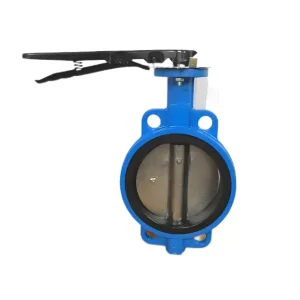
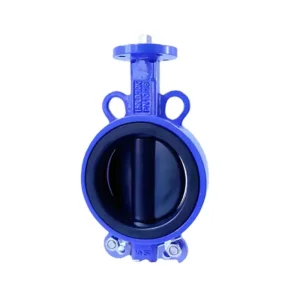
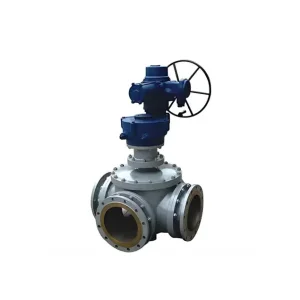
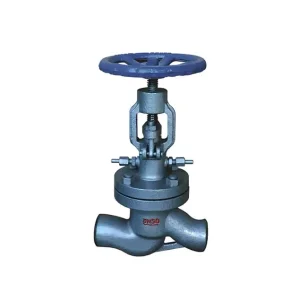
High-Performance Pipeline Valve Solutions (Batch I)
Our integrated manufacturing facilities produce high-integrity fluid control hardware, adhering to strict EN, DIN, and ASME manufacturing tolerances.
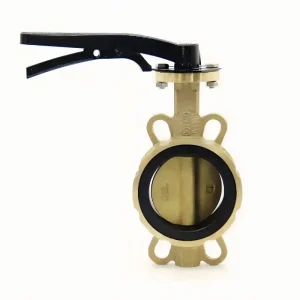
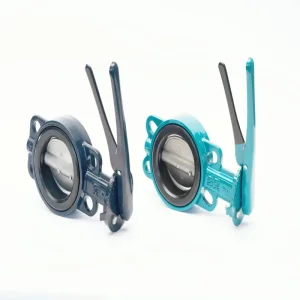
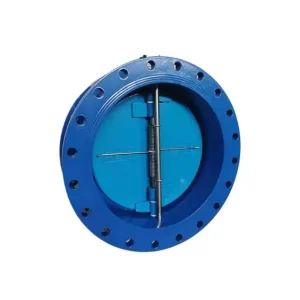
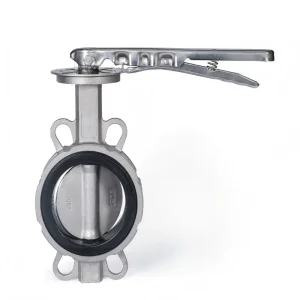
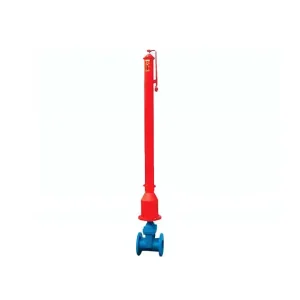
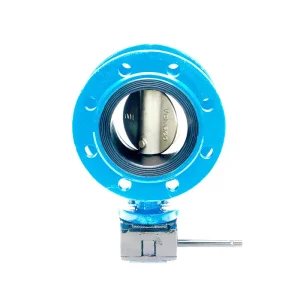
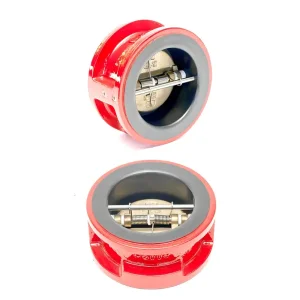
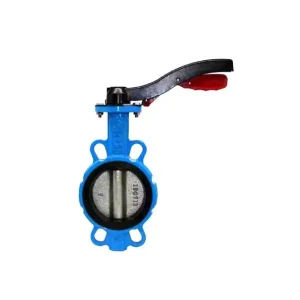
Engineering Blueprint: CE-Certified PN Cast Iron Ball Valves in Modern Fluid Architecture
In modern municipal district heating, industrial water treatment, civil hydronic loops, and chemical utility networks, the CE Certification PN Cast Iron Ball Valve serves as a reliable isolation element balancing mechanical rigidity, corrosion allowance, and cost efficiency. Operating across nominal pressure bands of PN6, PN10, PN16, PN25, and PN40, cast iron and ductile iron ball valves must withstand dynamic hydraulic transients, external piping loads, and aggressive chemical cleaners while guaranteeing EN 12266-1 Rate A zero-leakage isolation.
Tianjin Top Automation Equipment Co., Ltd. (operating alongside Tianjin Donglian Valve Factory established in 1996 and Tianjin Dongfang Rubber Factory established in 1987) engineers cast iron ball valves backed by in-house induction melting cupolas, dynamic rubber compounding, CNC machining cells, and robotic testing benches. This white paper articulates the material metallurgy, European Pressure Equipment Directive (PED) compliance pathways, digital valve automation trends, and supply chain manufacturing practices that define our industrial valve exports to over 50 countries worldwide.
CE Certification Framework: PED 2014/68/EU Module H & European Standards
A rigorous breakdown of compliance protocols governing pressure containment, mechanical toughness, and material traceability for the European single market.
PED 2014/68/EU Categorization
Under the European Pressure Equipment Directive 2014/68/EU, valves are classified into Categories SEP (Sound Engineering Practice), I, II, or III based on nominal size (DN), maximum allowable pressure (PS), and the fluid hazardousness group (Group 1 dangerous or Group 2 non-dangerous liquids and gases). Our foundry holds Full Quality Assurance (Module H) certification, permitting CE marking with designated Notified Body oversight for critical pressure service.
EN 10204 Type 3.1 Traceability
Every melt batch processed in our Tianjin foundry undergoes spectrographic chemical assays, tensile testing, elongation analysis, and Brinell hardness verification. Inspection documentation is cataloged digitally and delivered via mill test certificates compliant with EN 10204 3.1, tying physical heats directly to the valve body stamp, ensuring complete forensic traceability across critical infrastructure deployments.
Zero-Leakage Pressure Verifications
Our Quality Assurance division subjects 100% of manufactured PN cast iron ball valves to hydrostatic and pneumatic tests under EN 12266-1 and ISO 5208. Shell hydrostatic pressure tests reach 1.5× PN rating, while bidirectional seat closure testing reaches 1.1× PN rating, guaranteeing absolute zero visible bubble penetration across soft-seated PTFE and reinforced carbon-filled configurations.
| Nominal Rating | Shell Test Pressure (Water) | Seat Closure Test (Water) | Low Pressure Air Test | Standard Compliance |
|---|---|---|---|---|
| PN10 (1.0 MPa) | 1.5 MPa (15.0 Bar) | 1.1 MPa (11.0 Bar) | 0.6 MPa (6.0 Bar) | EN 12266-1 / ISO 5208 / EN 1983 |
| PN16 (1.6 MPa) | 2.4 MPa (24.0 Bar) | 1.76 MPa (17.6 Bar) | 0.6 MPa (6.0 Bar) | EN 12266-1 / ISO 5208 / EN 1983 |
| PN25 (2.5 MPa) | 3.75 MPa (37.5 Bar) | 2.75 MPa (27.5 Bar) | 0.6 MPa (6.0 Bar) | EN 12266-1 / ISO 5208 / EN 1983 |
| PN40 (4.0 MPa) | 6.0 MPa (60.0 Bar) | 4.4 MPa (44.0 Bar) | 0.6 MPa (6.0 Bar) | EN 12266-1 / ISO 5208 / EN 1983 |
Metallurgical Matrix: Grey Cast Iron (GG25) vs Ductile Iron (GGG40/50)
Understanding the microstructural mechanics, impact resistance, and thermal expansion limits of ferrous casting substrates.
Grey Cast Iron (EN-GJL-250 / GG25)
Characterized by laminar flake graphite embedded in a pearlitic iron matrix, GG25 provides superior internal vibration dampening and compressive strength. It is the premier, economical valve body choice for steady municipal water circuits, low-pressure steam, and commercial HVAC chilled water lines operating under PN6 to PN16 constraints, up to 120°C.
- Tensile Strength: 250 N/mm²
- Graphite Morphology: Lamellar flake
- Impact Resistance: Modest (brittle under sudden bending loads)
Ductile Iron (EN-GJS-400-15 / GGG40)
Treated with magnesium nodulizers during ladle refining, the carbon precipitates into spheroidal nodules. This eliminates internal notch stress concentrations, yielding 15% elongation before rupture. GGG40 ball valves are specifically mandated in district heating, high-surge fire pumping, and installations exposed to dynamic thermal water hammer.
- Tensile Strength: 400 N/mm²
- Yield Strength: 250 N/mm² (with 15% elongation)
- Impact Resistance: High Charpy V-notch energy absorption
Internal Trims & Sealing Pairs
Our cast iron ball valves feature precision mirror-polished balls made of AISI 304 or AISI 316 stainless steel, or hard chrome-plated brass for standard utility water. Primary sealing relies on pure virgin PTFE, glass-filled PTFE (15%), or carbon-impregnated seats backed by fluoroelastomer FKM or EPDM energized O-rings for bidirectional low-torque tightness.
- Ball Spherical Tolerance: < 0.015 mm with Ra 0.2 µm finish
- Stem: Anti-blowout 17-4PH or AISI 316 with dual O-rings
- Seat Range: -20°C to +180°C operating envelopes
China Factory 4.0: Vertical Foundry Integration & Supply Chain Resilience
Eliminating third-party subcontracting risks through autonomous raw casting, internal rubber vulcanization, and robotic CNC finishing.
Autonomous Casting Foundry
Founded in 1996, our Tianjin Donglian Valve foundry controls continuous sand preparation, lost foam casting, and electric induction furnaces. Operating on a consolidated 23,000 m² industrial campus (12,000 m² enclosed buildout), internal iron casting ensures structural density free of sub-surface blowholes and inclusions.
Proprietary Elastomer Chemistry
Our affiliated Tianjin Dongfang Rubber Factory has been synthesizing, compounding, and vulcanizing industrial polymer seals since 1987. From potable WRAS-compliant EPDM compounds to aggressive oil-resistant NBR and high-temperature FKM formulations, our chemical labs formulate elastomers precisely calibrated for elastic recovery and anti-compression set.
CNC Machining Precision
Flange faces (DIN 3202 F4/F5, EN 558 series), stem bores, and seat cavities are machined using multi-axis horizontal CNC machining centers in single-clamping operations. This achieves orthogonal alignment tolerances under 0.02 mm, dramatically reducing initial operational breakaway torque and boosting overall cycle longevity.
Rapid Port Logistics
Situated within the Wuxia Industrial Park in Tianjin, our logistics center enjoys rapid highway connectivity to Xingang (Tianjin Port)—the largest multimodal maritime shipping hub in Northern China. This logistical proximity cuts domestic transit friction, expediting sea freight despatches across Rotterdam, Hamburg, Antwerp, Singapore, and Jebel Ali.
Technical Roadmap & Future Outlook (2025–2030)
Addressing the shifting paradigm toward smart hydronic balancing, fugitive emission mitigation, and sustainable casting production.
IoT & Modbus Actuation Integration
Our upcoming generation of automated PN cast iron ball valves features direct ISO 5211 mounting pads coupled with brushless 24V/230V smart electric actuators. Featuring embedded BACnet, Modbus RTU, and IO-Link fieldbus protocols, our smart valves report real-time torque profiles, cycle frequency, and partial-stroke testing (PST) telemetry directly into SCADA networks for predictive maintenance.
Fugitive Emission Containment (ISO 15848-1)
In response to stringent Net-Zero carbon initiatives, we are engineering low-emission dynamic stem packings. Utilizing live-loaded Belleville washer springs, double chevron PTFE V-rings, and secondary graphite backup rings, our PN valves achieve ISO 15848-1 Class AH/BH qualification, eliminating volatile greenhouse fugitive gas leakage across commercial and light industrial pipelines.
Circular Green Foundry Technology
Transitioning toward low-carbon metallurgy, our foundry operations incorporate 85% recycled clean ferrous scrap, powered by high-efficiency medium-frequency induction power units. Closed-loop silica sand reclamation systems recover 94% of casting mold sand, driving down the embodied carbon footprint per manufactured valve ton to satisfy European Environmental Product Declarations (EPD).
Macro-Industry Engineering Solutions
Custom-engineered valve configurations deployed across mission-critical municipal, energy, and process infrastructure.
District Heating & Thermal Hydronics
Hot water networks operating at 110°C–140°C present severe cavitation and elastomer oxidation challenges. Our ductile iron GGG40 PN16/PN25 ball valves incorporate carbon-reinforced PTFE seats with stainless steel trim, resisting magnetite sludge accumulation and maintaining ultra-low operating torque across seasonal shutdowns.
Potable Water & Desalination Utilities
Compliant with international drinking water safety standards (including WRAS formulation methodologies), our valves utilize electrostatically applied fusion bonded epoxy (FBE) powder coatings (min 250 µm thickness, DIN 30677-2). Paired with non-toxic lubricant compounding, our assemblies eliminate bacteriological colonization and heavy metal leaching.
Industrial Process & Mining Slurry
For applications conveying abrasive fines, entrained solids, or mild industrial chemical effluents, we supply valves equipped with ceramic balls and Stellite hard-faced seats. The cast iron exterior provides heavy-walled mechanical casing stiffness, while hardened internal components resist abrasive scouring and erosive cavitation.
Localized Support & Compliance Assurance Framework
Cross-referencing dimensional standards to ensure flawless mechanical interchangeability into legacy piping networks.
Procurement engineers across Europe, the Americas, and the Asia-Pacific region require certainty that replacement valves match legacy piping bolt circles, face-to-face dimensions, and bore clearances without field modifications. Tianjin Top Valve produces iron ball valves conforming to all mainstream regional standards:
European Standard (EN / DIN)
Face-to-face dimensions strictly adhere to EN 558 Series 14 (DIN 3202 F4) short pattern and Series 15 (DIN 3202 F5) long pattern. Flange drillings are engineered to EN 1092-2 for PN10, PN16, PN25, and PN40 with raised face (Type B) sealing ridges.
American Standard (ASME / ANSI)
For North American industrial projects and marine facilities, flange configurations are supplied compliant with ASME B16.1 Class 125 and Class 250 iron flanges, with face-to-face matching ASME B16.10, ensuring drop-in replacement capability.
British & Japanese Norms (BS / JIS)
Our CNC machining cells support dual-drilled and custom pattern flanges, including BS 10 Tables D/E, BS EN 1092, and Japanese JIS B2239 10K / 16K cast iron flange interfaces for global naval, marine, and export equipment integration.
Global Enterprise Sourcing Checklist: Cast Iron Ball Valves
Essential quality checkpoints EPCs and municipal procurement directors must verify before contract award.
Chemical & Nodularity Verification
Insist on microstructural verification reports confirming graphite spheroidization higher than 85% (per ISO 945) for ductile iron. Low nodularity causes embrittlement under hydraulic surge conditions.
Wall Thickness & Pressure Derating
Confirm minimum casting wall thicknesses adhere to EN 1983 / EN 12516-3. Ensure temperature derating curves account for maximum operating conditions without plastic seat deformation.
Coating Dielectric Pinhole Testing
Ensure epoxy coatings undergo 100% high-voltage spark testing (up to 1.5–2.0 kV) to detect micro-porosity, preventing corrosion of iron substrates beneath the paint.
Actuator Sizing & Safety Factor
Specify a minimum actuator sizing safety margin of 25%–30% above catalog break-away torque to prevent valve seizure after extended dormant intervals in scale-forming water systems.
Traceable Material Test Reports
Demand EN 10204 Type 3.1 inspection certification matching the physical heat number cast directly on the valve body for complete legal, safety, and operational traceability.
Export Packaging Integrity
Verify that valves are sealed with end flange protectors, wrapped in moisture-resistant vapor barriers, and packed in reinforced, heat-treated plywood crates (ISPM-15 compliant) for safe ocean shipment.
Frequently Asked Questions (FAQ) for Engineering & Sourcing Teams
In-depth answers addressing metallurgical selection, PED certification criteria, and installation best practices.
What is the practical difference between PN10, PN16, and PN25 cast iron ball valves?
The "PN" prefix designates "Pression Nominale" in bar according to European standard EN 1333. A PN10 valve is rated for a continuous cold working pressure of 10 bar (1.0 MPa), PN16 for 16 bar (1.6 MPa), and PN25 for 25 bar (2.5 MPa). The mechanical difference lies in casting wall thickness, flange outside diameter, pitch circle diameter (PCD), bolt hole count, and seat backing elastomer durometer. For instance, DN100 PN10 features 4 bolt holes, while DN100 PN16 requires 8 bolt holes, preventing accidental cross-mating in high-pressure loops.
When should engineers specify Ductile Iron (GGG40) instead of Grey Cast Iron (GG25)?
Grey cast iron (GG25 / EN-GJL-250) has low elongation (<0.5%) and should strictly be limited to static, non-critical low-pressure applications (PN6 to PN16, up to 120°C) without severe water hammer or sudden thermal shocks. Ductile iron (GGG40 / EN-GJS-400-15) features spherical graphite nodules, providing 15% elongation and high impact toughness. GGG40 must be specified for buried distribution mains, pumped discharge lines subject to water hammer, district heating loops up to PN25, sub-zero outdoor installations (-10°C to -20°C), and any facility covered by stringent seismic or pressure transient design requirements.
How does CE Certification apply to Cast Iron Ball Valves under the EU PED 2014/68/EU?
Under Pressure Equipment Directive 2014/68/EU, valves fall under Sound Engineering Practice (SEP) or Categories I, II, or III depending on the product of Pressure × Volume (PS·DN) and the fluid state (gas vs liquid; Group 1 dangerous vs Group 2 non-dangerous). Valves categorized as SEP cannot bear the CE mark, whereas Category I, II, and III valves must undergo conformity assessment and bear the CE mark with the Notified Body identification number. Our factory operates under PED Module H (Full Quality Assurance), meaning an accredited EU Notified Body audits our complete design, foundry, machining, assembly, and test documentation.
Can cast iron ball valves be automated with pneumatic or electric actuators?
Yes. All our modern PN cast iron ball valves are designed with integral ISO 5211 top mounting flanges and standardized square or keyed drive shafts. This enables direct, bracketless mounting of double-acting or spring-return pneumatic actuators and quarter-turn electric actuators. Direct mounting eliminates mechanical hysteresis, ensures precise alignment between actuator spindle and valve stem, and extends stem packing lifespan by avoiding side-load forces.
What seat materials are available, and what are their respective temperature limits?
Standard utility water valves utilize virgin PTFE (Polytetrafluoroethylene), rated from -20°C to +150°C, offering near-universal chemical inertness and low friction. For higher pressure or district heating applications up to 180°C, we utilize RPTFE (PTFE reinforced with 15% glass fiber or 25% carbon), which significantly reduces cold flow and increases compressive modulus. For heavy industrial slurries, abrasive fines, or temperatures exceeding 200°C, we provide metal-to-metal seats with satellite overlays or high-purity alumina/zirconia ceramic trims.
How does Tianjin Top Valve ensure zero porosity in iron castings?
Because we operate our own foundry, we control molten iron chemistry using automated thermal analysis and optical emission spectrometers before pouring. Deoxidizing ladle additions and controlled pouring temperatures minimize gas entrapment. Furthermore, every single valve body undergoes hydrostatic shell testing at 1.5 times the nominal pressure rating per EN 12266-1. Critical valve batches also undergo ultrasonic testing (UT) and magnetic particle inspection (MPI) to identify and reject any casting with internal shrinkage or structural imperfections.
What internal corrosion protection is applied to cast iron ball valves?
Standard cast iron and ductile iron bodies receive an electrostatically applied, thermally cured fusion-bonded epoxy (FBE) powder coating, adhering to DIN 30677-2. The coating thickness is strictly controlled between 250 µm and 300 µm, followed by high-voltage holiday detection testing. For aggressive industrial fluids, bodies can be lined with Halar (ECTFE), PTFE, or rubber, while internal balls and stems are precision-machined from corrosion-resistant austenitic stainless steel (AISI 304 or AISI 316).
What documentation is supplied with an export shipment of CE-marked valves?
Standard documentation packages accompanying shipments include: (1) EN 10204 Type 3.1 Material Inspection Certificates covering chemical composition and mechanical properties; (2) Hydrostatic and Pneumatic Factory Acceptance Test (FAT) Reports per EN 12266-1; (3) Official CE Declaration of Conformity referencing the PED 2014/68/EU Module H certificate; (4) Coating Thickness and Spark Test Inspection Reports; and (5) Comprehensive Operation and Maintenance Manuals with exploded parts schematics.
High-Performance Pipeline Valve Solutions (Batch II)
Explore our extended portfolio of resilient-seated, wafer, lugged, and specialized three-way diversion flow control assemblies.