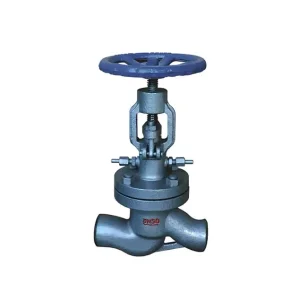
Precision-Engineered Flow Control Series (Batch 01)
Direct from our integrated manufacturing base in Dongli District, Tianjin. Built with proprietary foundry metallurgy, high-grade elastomeric formulations, and stringent hydrostatic shell/seat testing.
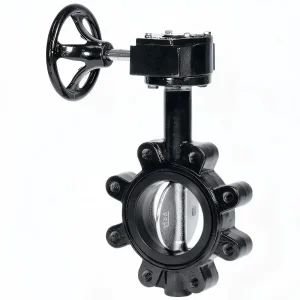
CE Certification Gear Operated Butterfly Valve
View Specifications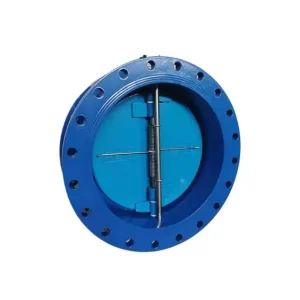
Wholesale Dual Plate Flange Type Check Valve
View Specifications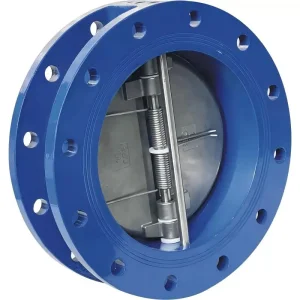
CE Certification Dual Plate Check Valve
View Specifications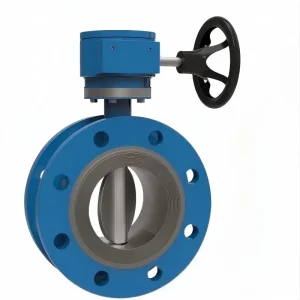
High-Quality Flange Type Butterfly Valve
View Specifications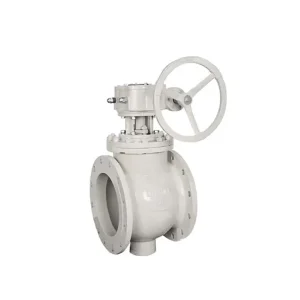
CE Certification High - Pressure Eccentric Plug Valve
View Specifications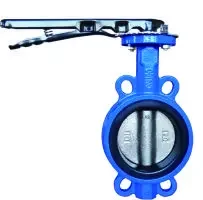
Wholesale Wafer Butterfly Valve - Resilient Seated
View Specifications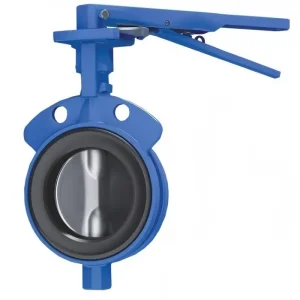
High-Quality EPDM Lining Butterfly Valve
View Specifications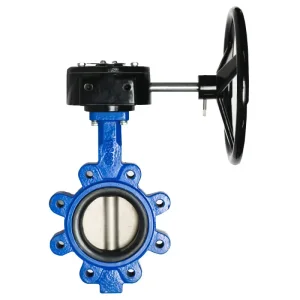
High-Quality Lug Type Butterfly Valve
View SpecificationsThe Critical Role of Marine Fire-Resistant Butterfly Valves in Global Shipping
International Maritime Organization (IMO) mandates under SOLAS II-2 Regulation 10 require unfailing containment of flammable fluids, heavy fuel oil (HFO), low-sulfur marine gas oil (MGO), and marine firefighting systems during a flashover or prolonged engine room fire.
Fire Testing Regimes: ISO 19921 / 19922
Unlike standard land-based API 607 burn tests, maritime classification rules require adherence to ISO 19921/19922 standards. Fire-resistant butterfly valves must withstand an open hydrocarbon flame exceeding 900°C for at least 30 minutes under dynamic operating pressure without external leakage, followed by an immediate proof pressure re-test.
CE & Pressure Equipment Directive
For EU vessel deployment and European EPC shipyards, CE conformity under Directive 2014/68/EU (PED) Module H (Full Quality Assurance) is legally non-negotiable. It mandates 100% material heat tracking, EN 10204 3.1 certification, ultrasonic disc testing, and non-destructive examination (NDE) of cast hulls.
Decarbonization & Dual-Fuel Retrofits
With modern merchant shipping retrofitting for alternative green fuels (LNG boil-off, bio-methanol, and ammonia bunkering), butterfly valves in containment holds require dual-certified fire-tight and low-temperature sealing properties, mitigating volatile boil-off gas risks during fire emergencies.
Engineering Notice: Resilient Sealing Degradation & The Metal Backup Mandate
In standard resilient seated valves, elastomer liners (such as standard EPDM or NBR) disintegrate within minutes when exposed to temperatures exceeding 350°C. For marine machinery spaces and bilge fire-isolation boundaries, a CE-certified marine fire-resistant butterfly valve incorporates a precision Inconel 625 or Stellite secondary metal seat. When the soft seal decomposes, line pressure forces the disc against this machined secondary barrier, limiting leakage well within the strict thresholds of ISO 10497 / API 607.
Engineering Architecture: In-House Casting to Precision Assembly
Operating an independent foundry (since 1996) and dedicated rubber seat formulation facility (since 1987) allows Tianjin Top Valve to eliminate supply chain variance and control every grain of alloy and polymer blend.
Marine Metallurgy Selection Criteria
Seawater combined with fire hazard creates one of the most violent operating environments in fluid handling. We cast our marine valve hulls in strictly audited metallurgical formulations:
- Nickel-Aluminum Bronze (C95800 / Cu3): Exceptional biofouling resistance, high mechanical toughness, and zero spark generation in explosive oil tanker holds.
- Duplex & Super Duplex (2205 / 2507): High yield strength (>550 MPa) paired with PREN > 42, engineered for ballast water chlorination and scrubber effluent loops.
- Austenitic Stainless (CF8M / 316L): Cryogenic and high-temp operational envelope with cryogenic firesafe seat configurations.
- Nodular Ductile Iron (GGG40.3 / EN-GJS-400-18U-LT): Charpy V-notch impact tested at -20°C for non-vital fire-protected machinery rooms.
Dynamic Double & Triple Offset Geometry
To prevent elastomeric shear and reduce actuation torque under emergency quick-closing conditions:
- Offset 1 (Shaft Axis): Shaft positioned behind the sealing plane, ensuring continuous 360-degree contact without split disc pins.
- Offset 2 (Centerline Bias): Shaft eccentric to pipe centerline, lifting disc immediately off the seat upon 2 degrees of rotation, reducing seat rubbing and wear.
- Offset 3 (Conical Cone Angle): Triple eccentric design utilizing right-angle seating geometries, converting rotational torque into pure compression for zero galling during fire conditions.
- Blowout-Proof Stem System: Meets API 609 / ISO 5211 with internal shoulder retention, preventing stem ejection under thermal pressure expansion.
| Valve Type / Class | Primary Fire Standard | Seat Architecture | Leak Rate During Fire | Seawater Resistance | Typical Marine Systems |
|---|---|---|---|---|---|
| Dual-Offset Fire-Safe Butterfly | ISO 19921 / API 607 8th Ed. | EPDM/PTFE + Inconel 625 Matrix | Class A (Cold) / Class IV (Burn) | Excellent (NAB / Duplex) | Fuel Oil Transfer, Bilge & Ballast |
| Triple-Offset Metal Seated | ISO 10497 / BS 6755 Pt. 2 | Laminated SS316 + Flexible Graphite | Zero Bubble Tight | Superior (Titanium / Ni-Al-Br) | LNG Cargo, Tanker Manifold, Deluge |
| Resilient Seated Wafer/Lug | EN 593 (Non-Fire Rated) | Vulcanized EPDM / NBR In-house | Seat Fails above 260°C | Moderate (Epoxy Coated Ductile) | Potable Water, Marine HVAC Chillers |
| Quick-Closing Marine Globe Valve | SOLAS Reg. II-2 | Stellite Coated Solid Plug | EN 12266-1 Rate A | Good (Cast Bronze) | Emergency Fuel Tank Isolation |
Mission-Critical Marine Application Scenarios
Where failure is not an option: analyzing installation parameters across commercial vessels, combatant ships, and offshore energy infrastructure.
Machinery Space Category 'A'
Engine rooms and boiler rooms carry intense thermal loads. Fire-resistant butterfly valves serve as the emergency trip barrier for heavy fuel oil settling tanks and thermal oil distribution loops, preventing hydrocarbon feeding into the flame zone.
FPSO Topsides & Deluge
Floating Production Storage and Offloading vessels face open-ocean saltwater exposure combined with hydrocarbon processing risks. Valves with super duplex 2507 disc metallurgy actuate reliably in high-pressure foam deluge water monitors.
Tanker Cargo Manifolds
Chemical and crude tankers require lug and double-flanged butterfly valves capable of bi-directional dead-end isolation. Lugged valves permit pipe spool disassembly on the downstream side while holding full rated pressure.
Ballast Water Management (BWMS)
Electro-chlorination and UV-based BWMS create corrosive micro-environments. Fire-safe marine butterfly valves positioned along hull penetrations prevent bulk water ingress during an onboard structural emergency.
The Next Era of Marine Flow Safety Architecture
How smart actuators, additive zero-loss trims, and alternative fuel certifications are reshaping marine safety specifications.
SIL 2 / SIL 3 Fail-Safe Actuation
Integration with marine Emergency Shutdown (ESD) architectures requires pneumatic scotch-yoke or electro-hydraulic actuators featuring fire-shield blankets tested to UL 1709. In the event of control line severance, mechanical fail-safe spring packs drive the valve to a tight seal in under 1.5 seconds.
Alternative Marine Fuels Testing
As global shipping transitions to green methanol and liquid ammonia, valve seats must resist extreme cryogenic flash temperatures and aggressive chemical embrittlement while retaining certified ISO 19921 flame resistance. Top Valve is advancing FFKM fluorocarbon and metal-braided graphene matrices.
Real-Time Integrity Sensors
Future marine safety regulations will favor cyber-physical valves equipped with internal strain gauges and acoustic emission sensors. By detecting micro-leakage before a valve reaches its burn boundary, preventative alarms notify ship automation systems through Modbus TCP or NMEA 2000 marine buses.
Frequently Asked Questions by Marine Engineers & Shipbuilders
Authoritative technical answers to key compliance, metallurgy, and procurement inquiries.
Specialty Marine & Pipeline Product Catalog (Batch 02)
Engineered for extreme duties across global fleets, industrial desalination facilities, chemical tankers, and high-pressure steam distribution.
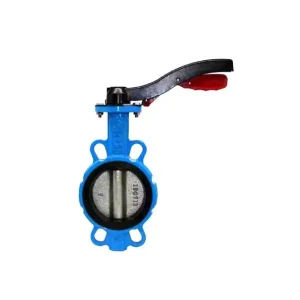
CE Certification Duplex Type Pinless Butterfly Valve
View Specifications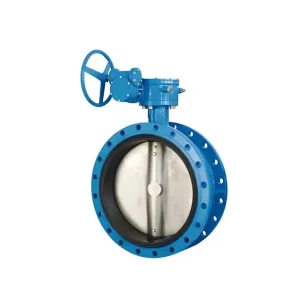
Wholesale Low - Torque Flange Type Butterfly Valve
View Specifications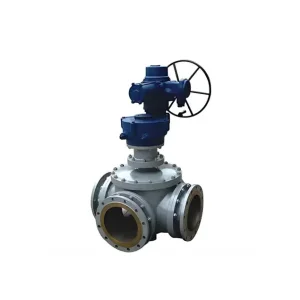
Quick - Opening Three - Way Flange Ball Valve
View Specifications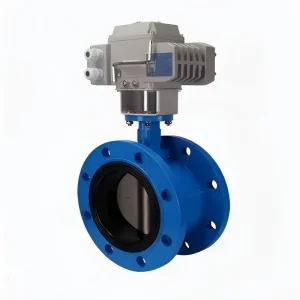
High-Performance Electrical Butterfly Valve
View Specifications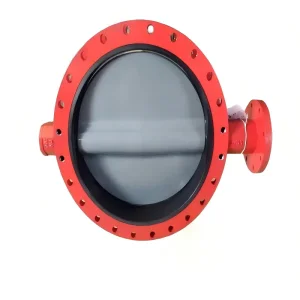
Ceramic Disc Wafer Butterfly Valve
View Specifications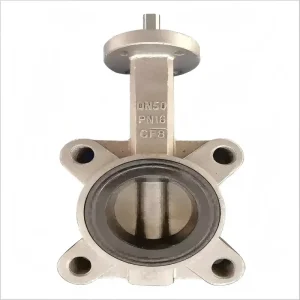
Wholesale Semi Lug Butterfly Valve
View Specifications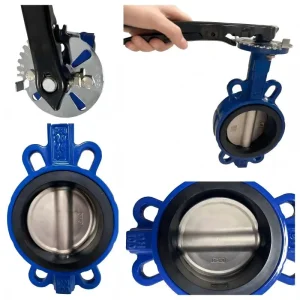
WRAS Approved Butterfly Valve 4020L
View Specifications