
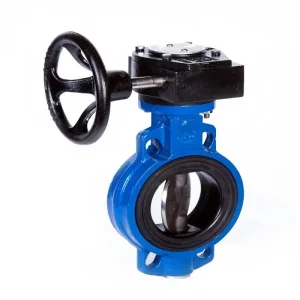
Primary NZ Infrastructure Selections
Engineered Flow Systems Ready for New Zealand Industrial Service
Direct from our vertically integrated foundry and CNC production floors, these initial four core configurations meet stringent AS/NZS, EN 593, and ISO engineering parameters across Oceania's municipal and process networks.
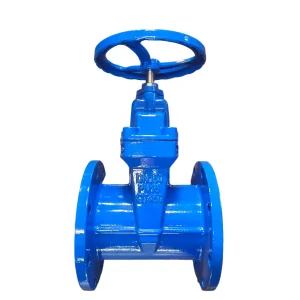
Wholesale Gate Valve for Reliable Flow Isolation (Auckland Trunk Mains)
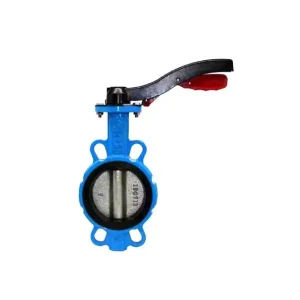
Duplex Pinless Butterfly Valve (Taupo & Kawerau Geothermal Service)
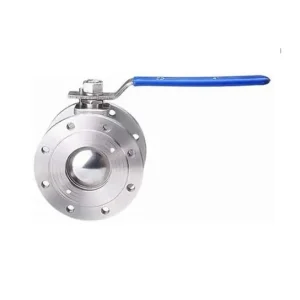
Stainless Steel Ultra-Thin Fire-Safe Valve (Sanitary Processing & CIP)
Regional Market Intelligence
The New Zealand Flow Control Landscape: Engineering Demands
Operating pipeline assets across Aotearoa New Zealand involves facing environmental and physical challenges rarely encountered together elsewhere in the world. From severe tectonic shifting to biosecurity-level dairy sanitization, our valve manufacturing directly addresses regional pain points.
"Local Water Done Well" & AS/NZS 4020
With New Zealand's transition toward localized Council-Controlled Organisations (CCOs) and regional water entities under the Local Water Done Well framework, municipal water upgrades in Auckland, Wellington, and Christchurch require rigorous adherence to AS/NZS 4020:2018 (Testing of products for use in contact with drinking water). Resilient seats cannot impart cytotoxic compounds, metallic tastes, or foster aquatic micro-growth.
Geothermal Brine & H₂S Steam Integrity
The Taupo Volcanic Zone (Wairakei, Ohaaki, Ngawha, Kawerau) houses one of the world's most aggressive geothermal power networks. Fluid media contains saturated steam, entrained silica, chlorides, and dissolved hydrogen sulfide (H₂S). Standard carbon steel or low-grade cast iron fails via sulfide stress cracking (SSC). We engineer Duplex 2205 and Inconel disc trims with pinless shafts that eliminate crevice attack under geothermal thermal cycling.
Dairy & Agri-Processing Ecosystems
Processing tens of millions of liters of milk daily across the Waikato, Taranaki, and Canterbury plains demands intense clean-in-place (CIP) resilience. Caustic soda (NaOH) washes at 85°C followed by nitric acid sterilization degrade cheap offshore rubbers rapidly. Our proprietary in-house vulcanized FDA-grade EPDM and virgin PTFE liners withstand chemical erosion while preserving zero-bacteria dead space design.
NZS 4219 Seismic Restraint Engineering
New Zealand building codes mandate that building services and pipeline fixtures withstand intense ground acceleration without shear failure. Under NZS 4219:2009, valve bodies must exhibit superior ductile toughness. We exclusively pour Ductile Iron GGG40/GGG50 (EN-GJS-400/500) with minimum elongation ratings of 15%—eliminating brittle fracture risks associated with low-cost grey cast iron during seismic events.
Maritime, Port Logistics & Aquaculture
From the container hubs at Port of Tauranga and Ports of Auckland to mussel and salmon aquaculture in the Marlborough Sounds, salt spray and immersion require galvanic stability. Our marine butterfly valves feature C95800 Nickel-Aluminum Bronze (NAB) discs and vulcanized synthetic chloroprene or EPDM seats, resisting pitting and cavitation in marine ballast, cooling, and harvesting lines.
Southern Hemisphere Logistics Lead Times
A chronic pain point for New Zealand mechanical contractors is isolation from European supply channels, resulting in 26-to-38-week lead times. Operating out of Tianjin, with direct sea-lane access to Auckland, Tauranga, and Lyttelton ports, we slash procurement windows to 4 to 7 weeks, delivering full batch metallurgy certificates (EN 10204 3.1) and pressure hydro-test logs with every container.
Global Manufacturing Paradigm
Why Resilient Sealing Precision Dictates Asset Life Cycle (LCC)
In modern fluid dynamic systems, the butterfly valve is no longer merely a basic isolation mechanism. It is an optimized flow-throttling device where seat compression mechanics, torque hysteresis, and cavitation indexes determine annual pumping energy consumption and life-cycle costs.
| Engineering Parameter | Standard Commercial Butterfly Valves | Tianjin Top Valve (NZ High-Performance Spec) | Asset Impact & Life Cycle Benefits |
|---|---|---|---|
| Foundry & Body Metallurgy | Recycled scrap cast iron (GG25) or inconsistent ductile iron. Hidden porosity and brittle grain boundaries. | In-house virgin pig iron foundry with spectrographic melt monitoring. GGG40 / GGG50 / WCB / CF8M / Duplex 2205. | Withstands water-hammer spikes and seismic shear forces under NZS 4219 without shell cracking. |
| Seat Elastomer Origin | Outsourced third-party extruded rubber with high chalk and carbon black filler ratios. Quick hardening. | Formulated in-house (Dongfang Rubber plant, est. 1987). Vulcanized EPDM, NBR, Viton, and chemically bonded PTFE. | Ultra-low compression set (<18% after 1,000 hrs at 100°C). Retains bubble-tight Class VI shut-off for 15+ years. |
| Stem-to-Disc Mechanical Drive | Through-pin or taper-pin design. Creates direct fluid contact with stem bores, inducing galvanic leaks. | Heavy-duty Pinless Hexagonal or Double-D splined connection. Completely dry stem technology. | Eliminates leak paths through disc pins. Ideal for high-vibration geothermal and turbulent pump discharges. |
| Surface Pre-Treatment & Coating | Standard air-dry paint or uneven liquid epoxy below 150 microns. High corrosion creeping under coastal exposure. | Shot-blasted to Sa 2.5 followed by electrostatically applied fusion-bonded epoxy (FBE) ≥250 to 300 microns. | Meets ISO 12944 C4/C5 High Corrosivity marine environments (Auckland/Wellington salt-fog air). |
| Testing Protocol | Batch sampling (1 in 20 or 1 in 50) at basic ambient pressure. No shell hold verification. | 100% Individual Hydrostatic Shell & Resilient Seat Testing according to ISO 5208, EN 12266-1 Rate A, and API 598. | Guaranteed zero visible leakage at 1.1x working pressure seat test and 1.5x working pressure shell hold. |
Next-Gen Industry 4.0
Technology Roadmap: Intelligent Flow Infrastructure (2025–2035)
As remote monitoring takes precedence across New Zealand's South Island irrigation networks and unmanned geothermal sub-stations, our valve systems integrate directly with modern digital twins and smart SCADA architectures.
Smart Actuator Top-Works
Every butterfly valve is manufactured with an ISO 5211 direct-mount platform. This eliminates bracket deflection and hysteresis error when pairing with modulating pneumatic actuators, electro-hydraulic fail-safe units, or Modbus/IO-Link smart electric positioners.
Acoustic Leak & Torque Telemetry
By embedding dynamic torque transducers and acoustic piezo sensors within the top gland cavity, our next-generation assemblies monitor operational breakaway torque in real-time, detecting scale crystallization in geothermal fluid or slurry buildup before seizure occurs.
Ultra-Low Friction Hydrofoil Discs
Utilizing high-performance computational fluid dynamics (CFD), our engineering team has re-contoured butterfly discs into an ultra-thin hydrofoil cross-section. This yields a 14% increase in Flow Coefficient (Cv) and drastically minimizes turbulence-induced cavitation.
Localized Engineering Solutions
Specialized Field Deployments Across New Zealand
Engineered to accommodate diverse regional standards: Table D/E, EN 1092-2 PN10/PN16, and ASME B16.5 Class 150 bolt pattern drillings.
Auckland & Canterbury Municipal Trunk Reticulation
Large-diameter (DN300 to DN1200) double-flanged resilient seated butterfly valves are installed in underground distribution vaults and booster pump stations. Incorporating external gear operators with IP68 submersible enclosures, extended stainless steel spindles for buried service, and WRAS/AS/NZS 4020 approved EPDM liners, they guarantee bubble-tight isolation of clean potable supplies.
Central North Island Geothermal Flash & Binary Cycles
Handling medium-enthalpy binary cycle fluids (pentane/isopentane) and warm silica-rich geothermal reinjection brine. High-performance lugged butterfly valves equipped with Duplex Stainless Steel (UNS S31803 / 2205) discs and reinforced graphite or high-temp fluorocarbon seals prevent catastrophic H₂S blow-out and resist mineral encrustation.
Waikato & Southland Mega-Dairy Processing Facilities
Automated wafer butterfly valves mounted with double-acting pneumatic actuators and inductive feedback sensor boxes. Integrated across raw milk receiving manifolds, whey permeation lines, and high-velocity caustic wash cycles. Hygienic, crevice-free seat contours prevent biological biofilm accumulation, passing stringent MPI (Ministry for Primary Industries) food safety audits.
Port of Nelson & Lyttelton Marine Ballast & Bilge Duty
Full-lug marine butterfly valves built with Aluminum Bronze (ASTM B148 C95800) discs and Monel stems. These valves provide dependable end-of-line isolation service without requiring downstream blind flanges during dry dock valve maintenance, exhibiting immunity to high-salinity marine fouling and pitting corrosion.
Complete Export Range
Comprehensive Flow Control Portfolio for New Zealand Specifiers
Complementing our core butterfly valves, these eight specialized check, globe, wafer, and flanged configurations provide EPC contractors, mechanical consultants, and regional supply merchants with a single point of quality control.
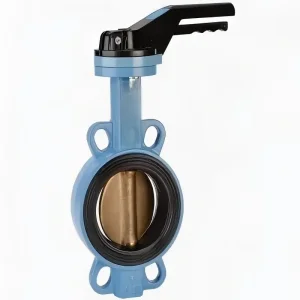
Bronze Disc Wafer Butterfly Valve (Marlborough Aquaculture & Seawater)
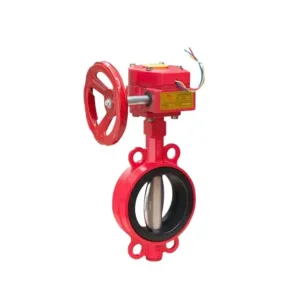
Fire-Fighting Wafer Signal Butterfly Valve (NZBC Compliant Risers)
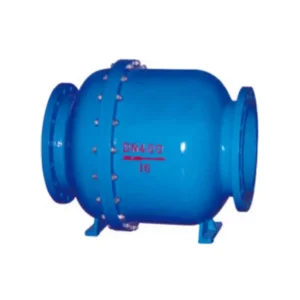
Micro-Resistance Ball Check Valve (Municipal Wastewater & Slurry)
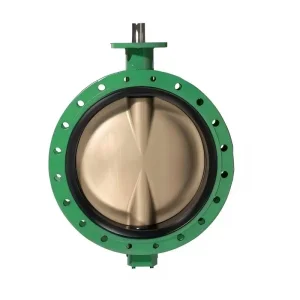
Double-Flanged Water Butterfly Valve (High-Pressure Transmission Mains)
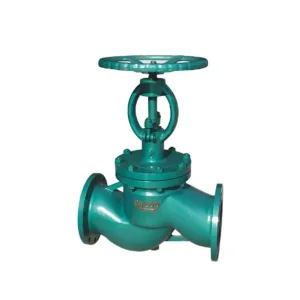
High-Temp Vacuum Isolation Globe Valve (Wairakei Steam Manifolds)
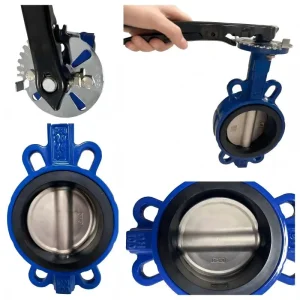
WRAS Approved Butterfly Valve 4020L (Wellington Drinking Water Grade)
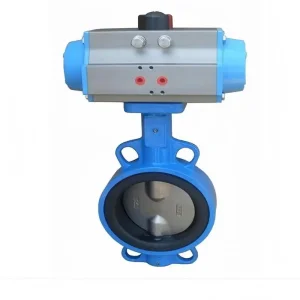
Pneumatic Butterfly Valve (Waikato Automated Milk Powder Systems)
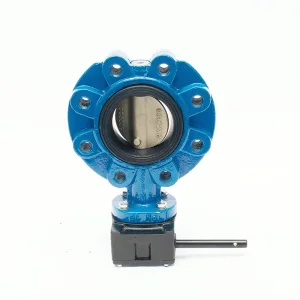
Marine Centric Lug Butterfly Valve (Commercial Shipbuilding & Harbours)
Quality Assurance & Auditing
Zero-Defect Quality Control from Tianjin to Auckland Port
Because our corporate structure operates both the iron casting foundry (Donglian, since 1996) and the rubber vulcanization plant (Dongfang, since 1987), we offer total physical traceability that standard trading companies cannot replicate.
1. Spectrometric Melt Control
Every furnace heat is verified via optical emission spectrometers to guarantee that carbon, silicon, manganese, phosphorus, and sulfur content conform precisely to ductile iron EN-GJS-400-15 or EN-GJS-500-7 tolerances before pouring begins.
2. In-House Rheometer Testing
Elastomer compounds undergo dynamic cure characterization using oscillating disc rheometers. Mooney viscosity, tensile strength (>14 MPa), and elongation at break (>350%) are documented per raw polymer batch for complete sealing predictability.
3. Hydrostatic Shell & Seat Hold
Each individual valve undergoes shell testing at 1.5x PN rating and bidirectional seat testing at 1.1x PN rating with demineralized water. Hold durations follow BS EN 12266-1 guidelines with zero allowable pressure decay or visible drops.
Procurement & Technical FAQ
Frequently Asked Questions by New Zealand Engineering Specifiers
Clear technical insights on certifications, seismic design compliance, flange drilling dimensions, and ocean supply chain logistics.
Are your butterfly valves fully compliant with AS/NZS 4020 for potable water?
Yes. Our drinking water valve models (specifically the 4020L and 4020G series) feature in-house vulcanized EPDM resilient liners formulated specifically for potable water contact. These compounds are independently tested for mutagenic, cytotoxic, and aquatic microbiological growth properties in compliance with AS/NZS 4020 and hold internationally recognized WRAS accreditation.
Can you supply wafer and lug butterfly valves drilled to Table D and Table E standards?
Yes. While modern New Zealand projects frequently specify EN 1092-2 PN10/PN16 or ASME B16.5 Class 150, legacy reticulation across regional councils still operates on AS 2129 Table D and Table E bolt hole circles. Our universal wafer body profile and custom-drilled lug patterns fit Table D, Table E, and PN16 without mechanical modification on site.
How do your butterfly valves meet New Zealand seismic requirements under NZS 4219?
NZS 4219:2009 regulates non-structural components and pipework systems against seismic horizontal and vertical acceleration forces. We pour exclusively high-ductility spheroidal graphite cast iron (Ductile Iron GGG40/GGG50 / EN-GJS-400-15), which exhibits a minimum 15% elongation before failure. This prevents the brittle fracture risks associated with traditional grey cast iron bodies during severe tectonic displacements.
What materials do you recommend for New Zealand geothermal power applications?
For geothermal steam, binary heat-exchanger brine, and condensate reinjection lines containing dissolved H₂S and chlorides (such as in the Taupo/Rotorua/Kawerau regions), we supply valves cast in WCB carbon steel or ASTM A890 Duplex 2205 (UNS S31803) with high-temperature fluoroelastomer (FKM/Viton) or bonded PTFE seats. For unlined high-velocity steam lines, we offer triple-offset metal-seated butterfly valves rated to +425°C.
How do you handle shipping logistics and import clearances to New Zealand ports?
Our Tianjin production campus is located approximately 40 minutes from Tianjin Xingang Port—one of Asia's largest maritime freight gateways. We routinely ship FCL and LCL consignments on direct ocean freight routes to Auckland, Tauranga, Napier, and Lyttelton (Christchurch). Transit times typically range from 16 to 22 days at sea. All wooden packaging undergoes ISPM-15 heat treatment to clear Biosecurity New Zealand (MPI) inspection protocols without delays.
Can actuators (pneumatic, electric, gear) be retrofitted locally in New Zealand?
Yes. Every butterfly valve we manufacture features a standardized top flange machined in strict compliance with ISO 5211 (from F05 up to F25 depending on valve bore). Stems are precision ground to standard double-D, square, or keyway profiles. This ensures New Zealand instrumentation engineers and automation distributors can mount local brands of electric or pneumatic quarter-turn actuators with zero custom machining.
Partner with an Integrated Valve Manufacturer
Whether you are designing a municipal reservoir upgrade in Auckland, a CIP milk-powder loop in the Waikato, or an industrial district heating line in Rotorua, our engineering team supplies full technical submittals, CAD/3D STEP models, and commercial tenders within 24 hours.
Send Inquiry Now