
Primary Marine Butterfly Valve Systems for Gulf Operations
Specialized concentric, eccentric, and actuated quarter-turn isolation assemblies manufactured to international marine class standards for immediate maritime and industrial deployment.
The UAE Maritime & Industrial Operational Ecosystem
The United Arab Emirates functions as one of the world's most critical maritime corridors and energy export hubs. Sourcing compliant, robust flow-control equipment requires an in-depth understanding of Arabian Gulf waters, operational salinity levels, and hyper-arid climates.
Hyper-Saline Seawater Defense
The Persian Gulf experiences seawater salinity levels exceeding 40 to 45 PSU alongside ambient surface water temperatures reaching 36°C in summer. Standard cast iron or unlined carbon steel valves degrade rapidly through crevice corrosion and pitting. Marine valves require Nickel Aluminum Bronze (C95800), Duplex 2205, or Super Duplex 2507 disc alloys.
Major Bunkering & Port Demands
From Dubai Drydocks World and DP World's Jebel Ali Free Zone (JAFZA) to the offshore bunkering anchorages of Fujairah, vessel refits require CE-marked, class-certified butterfly valves for ballast water management systems (BWMS), bilge suction, and cooling water circuits with near-zero lead time requirements.
ADNOC & SWRO Standardization
Industrial projects managed by ADNOC Offshore and seawater reverse osmosis (SWRO) facilities overseen by DEWA and TAQA impose strict qualification criteria. Valves must satisfy rigorous CE PED Module H compliance, EN 10204 3.1 material traceability, and fire-safe testing according to API 607 or ISO 10497.
Marine Butterfly Valve Metallurgical & Elastomer Matrix
Specifying flow control devices in Middle Eastern offshore infrastructure necessitates absolute harmony between metallurgical chemistry, vulcanized elastomer seating, and hydrostatic resistance. Review our standard material specifications below.
| Valve Component | Standard Metallurgy | Gulf Offshore Optional | Design Standards | Operational Function |
|---|---|---|---|---|
| Valve Body | Ductile Iron (GGG40 / GGG50) | Ni-Al Bronze (C95800) / SS316 | EN 593 / API 609 / JIS F7480 | Pressure boundary integrity with 250μm fusion-bonded epoxy coating. |
| Disc (Blade) | Al-Bronze / CF8M (SS316) | Duplex 2205 / Hastelloy C276 | ISO 10631 / DIN 3840 | Hydrodynamic profile minimizing head loss; bubble-tight bi-directional isolation. |
| Stem / Shaft | SS416 / SS431 Martensitic | 17-4PH / Monel K500 / SS316L | API 609 Pinless / Double D Drive | High torque transmission with blowout-proof retained stem construction. |
| Elastomeric Liner | Marine Grade NBR / High-Temp EPDM | Viton (FKM) / PTFE / Hard Metal Seat | EN 12266-1 (Rate A Zero Leakage) | In-house vulcanized compounds resilient against biocides, fuels, and seawater. |
| Pressure Rating | PN10 / PN16 / Class 150 | PN25 / Class 300 High Pressure | ASME B16.5 / EN 1092-2 Flange | Complete shell test at 1.5x PN; seat test at 1.1x PN prior to release. |
The Strategic Advantage of China Factory Supply Lines for UAE EPCs
For marine procurement managers operating out of Abu Dhabi and Dubai, supply chain bottlenecks pose severe commercial risks. Sourcing directly from an established Chinese manufacturer with an integrated foundry (founded 1996) and dedicated elastomer vulcanization facility (operating since 1987) provides substantial strategic value. Unlike intermediaries who source rough castings from third-party shops, an integrated manufacturing campus executes spectrometer melt analysis, multi-axis CNC machining, hydrostatic testing, and vulcanization under a unified ISO 9001 quality system.
This vertical integration guarantees consistent metallurgical chemistry across high volumes of C95800 aluminum bronze discs and ductile iron bodies, prevents premature vulcanization delamination common in high-heat Arabian Gulf dry docks, and reduces procurement costs by up to 30% compared to Western-branded re-sellers, all while maintaining full CE marking and EN 10204 3.1 material traceability.
Engineered for UAE Maritime & Industrial Infrastructure
Our valves are configured to meet the stringent technical criteria across six specialized UAE sectors.
Serving Dubai Drydocks World and Albwardy Damen for offshore supply vessels (OSVs), jack-up rigs, and supertankers. Primary service includes ballast water treatment, sea chests, bilge pumping, and jacket cooling water systems.
Installed in large-scale plants across Abu Dhabi (Taweelah) and Dubai (Jebel Ali). High-salinity brine rejection and raw seawater intake lines require specialized high-grade nickel aluminum bronze and duplex disc assemblies.
Utilized throughout oil handling manifolds, loading jetties, and hydrocarbon tank farms. High-pressure metal-to-metal hard seal designs ensure fire-safe isolation in compliance with international petroleum terminal standards.
Deployed on offshore production facilities operating in Upper Zakum, Umm Shaif, and Fateh fields. Valves meet strict fugitive emission controls and provide long-cycle fire protection across seawater fire-deluge loops.
Supplied to central chilled water utility providers across Abu Dhabi and Dubai (Empower, Tabreed). Wafer and lug resilient seated butterfly valves provide ultra-low torque regulation across massive 4°C to 12°C chilling manifolds.
Integrated into heavy cargo, container carriers, and commercial tugs operating through Mina Rashid and Mina Khalid. Delivers dependable manual and pneumatic shutoff for auxiliary sea circulation and freshwater networks.
Comprehensive Flow Control Portfolio for Gulf EPC Procurement
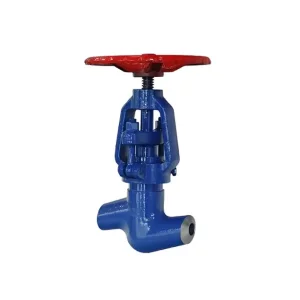
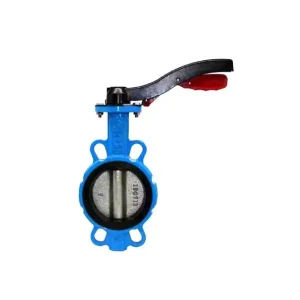
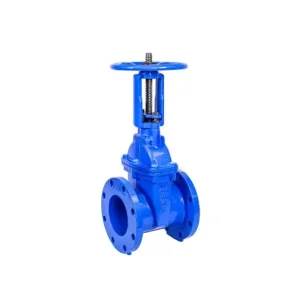
Explore our broader selection of marine-grade, potable water, and high-pressure industrial valves built to EN, DIN, ASME, and JIS standards.
Emerging Engineering Shifts in Marine Butterfly Valve Technology
The confluence of strict environmental maritime laws, decarbonization programs, and smart terminal automation is changing how valves are engineered and monitored.
Smart Actuation & IoT Bus Integration
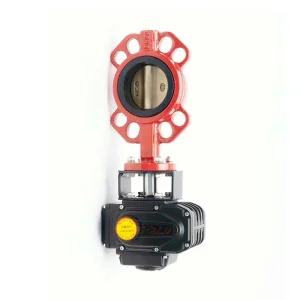
Modern vessels calling at Dubai and Abu Dhabi ports are increasingly transitioning from purely mechanical manual handwheels to intelligent electric actuators featuring Modbus, Profibus, or HART telemetry. These units report real-time torque profiles, identifying scale deposition or seat friction before failure occurs.
Zero Fugitive Emission Standards
Driven by ISO 15848-1 compliance, marine and petrochemical valve designs are eliminating through-stem pin holes. Pinless disc designs utilize internal splines or double-D shaft connections to eliminate potential atmospheric leak paths, protecting vessel engine rooms and coastal refinery environments.
Green Shipping & Scrubber Upgrades
Exhaust Gas Cleaning Systems (EGCS) require valves capable of handling highly corrosive, acidic wash-water (pH values down to 2.5). This has accelerated the transition from conventional rubber linings to high-grade fluoroelastomers (FKM) and Hastelloy-C disc claddings for long-term survival.
Frequently Asked Questions: Marine Butterfly Valves in UAE
Direct answers addressing certification, metallurgy, installation tolerances, and factory testing for engineering consultants, shipowners, and mechanical contractors.
What does CE Certification mean for marine butterfly valves?
CE Certification guarantees that the valves comply with the essential safety and structural requirements of the European Pressure Equipment Directive (PED 2014/68/EU). For marine duty, this mandates third-party verified burst strength calculations, documented Charpy impact testing at specified design temperatures, and zero-defect pressure containment. This documentation is recognized across international class societies operating in UAE shipyards.
Why is Aluminum Bronze preferred over Stainless Steel 316 in Arabian Gulf waters?
While SS316 forms a protective chromium oxide film, in warm, oxygen-depleted, hyper-saline seawater (such as Arabian Gulf coastal shallows), crevice corrosion and pitting occur rapidly under marine biological fouling. Nickel Aluminum Bronze (C95800) naturally forms a bio-fouling-resistant cuprous oxide film, ensuring far superior longevity and erosion-cavitation resistance in active seawater circuits.
What is the distinction between Wafer, Lug, and Double Flanged configurations?
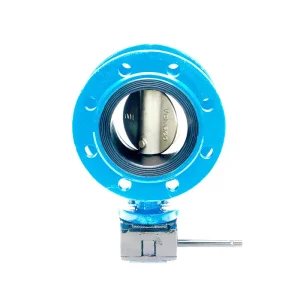
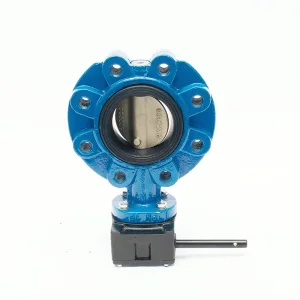
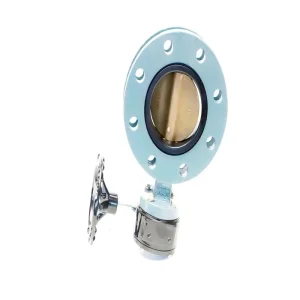
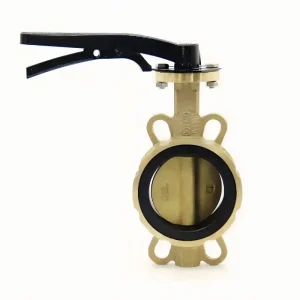
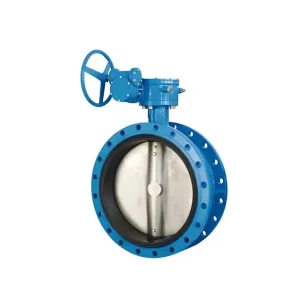
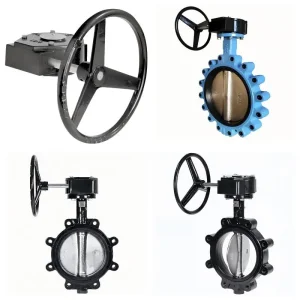
Wafer valves are clamped between pipe flanges using long stud bolts; they are compact and economical but cannot provide dead-end service. Lug valves feature tapped threaded eyes, permitting installation or downstream piping removal while maintaining pressure on the upstream side. Double Flanged valves provide rigid independent bolting, making them standard for large diameter lines (DN350+) and hull skin sea chest connections.
Can Chinese factory supply meet short UAE shipyard refit turnaround times?
Yes. By maintaining an in-house foundry and elastomer compounding plant, cast valve bodies and vulcanized liners are pre-machined and stocked in semi-finished inventory. For planned drydock operations at Jebel Ali or Dubai Maritime City, components are assembled, tested to EN 12266-1 Rate A, packed in moisture-sealed export packaging, and shipped via air freight within 5-7 days or ocean consolidated container within 18-22 days.
How do you guarantee vulcanized elastomer liner durability under desert heat?
Under ambient storage temperatures reaching 50°C in UAE coastal ports, substandard rubber seats harden and crack. Our proprietary rubber production plant (operating since 1987) compounds synthetic virgin EPDM and NBR polymers with specialized anti-degradant and antioxidant additives. Liners are tested for tensile retention and compression set after accelerated thermal aging tests before release.
What quality testing documentation accompanies each valve shipment?
Each delivery includes an EN 10204 Type 3.1 Inspection Certificate providing heat-specific chemical composition and mechanical properties (tensile, yield, elongation), raw material batch certifications for elastomers, and 100% hydrostatic shell and seat leakage test reports with pressure charts. CE conformity declarations and third-party inspection sign-offs (SGS, BV, or DNV) are available upon request.
