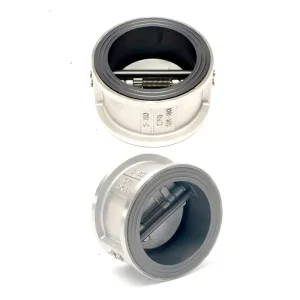
Featured Flow Control Solutions & Heavy Slurry Valves
Explore our industrial range of high-performance flow control mechanisms engineered for demanding media, from corrosive chemicals to heavy particulate slurries.
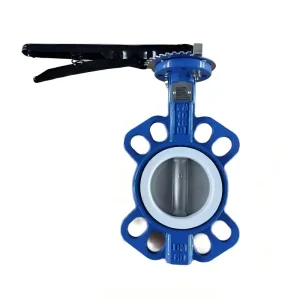
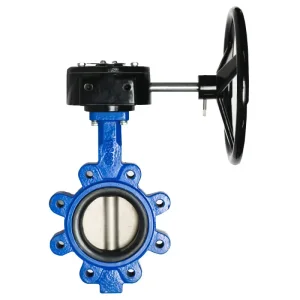
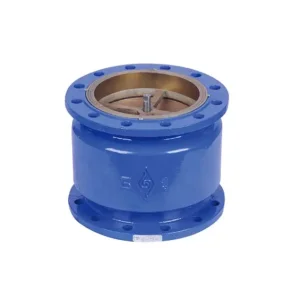
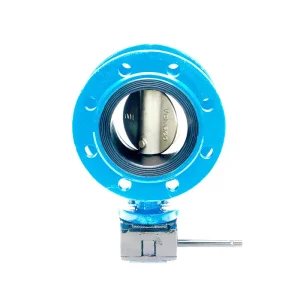
High-Quality Marine flange type manual operated butterfly valve Supplier, Manufacturers
Inquire Specifications
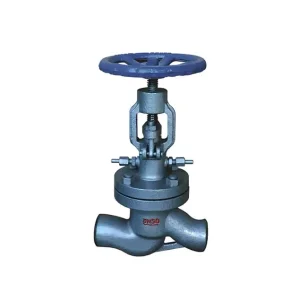
High-Quality Water Seal Globe Valve with Quick - Closing Feature Manufacturers, Manufacturer
Inquire Specifications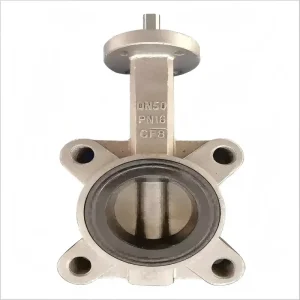
Wholesale Semi Lug Butterfly Valve - Durable & Versatile Flow Control Manufacturers, Manufacturer
Inquire Specifications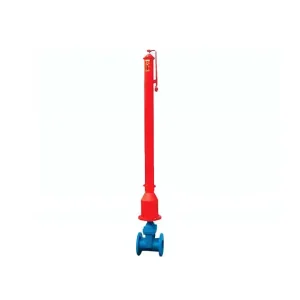
High-Quality Buried Elastic Seat Gate Valve for Reliable Flow Control Supplier, Factories
Inquire SpecificationsEngineering Resilient Slurry Flow Solutions Under Extreme Abrasion
In high-density slurry management, standard industrial valves suffer catastrophic failure within weeks due to solids compaction, seat erosion, and gland packing blowout. Our slurry knife gate valve architecture addresses fundamental hydraulic and metallurgical challenges.
Zero-Cavity Through-Conduit Flushing
Traditional gate valves feature seat pockets where slurry particulates accumulate, preventing full closure. Our heavy-duty slurry knife gate valves incorporate elastomer sleeve designs that push together when open, creating a continuous, unobstructed bore that prevents slurry solids from packing the bottom cavity.
Dynamic Dual-Sleeve Perimeter Sealing
Equipped with dual thick elastomer sleeves (compounded in-house since 1987), the valve maintains 100% bidirectional bubble-tight shut-off. During actuation, the beveled gate shears smoothly between the two sleeves, expelling entrained solids back into the pipeline flow stream without damaging sealing faces.
Severe Corrosion & Erosion Metallurgy
Gate blades are precision-cut from 316L, 2205 Duplex, 2507 Super Duplex, or Hastelloy C-276, treated with Tungsten Carbide (HVOF) or hard chrome plating. This ensures maximum surface hardness exceeding 68 HRC to resist cutting by high-velocity silica, magnetite, and tailings particles.
Global Industrial Landscape & Operational Economics (OPEX)
Industrial slurry pipelines require infrastructure that balances immediate capital expenditure with life-cycle reliability. Discover how advanced foundry control and in-house elastomer vulcanization eliminate unbudgeted downtime.
| Evaluation Parameter | Standard Commercial Knife Gate | Conventional Plug / Ball Valve | Top Valve Heavy-Duty Slurry Knife Gate |
|---|---|---|---|
| Sealing Architecture | Unidirectional perimeter U-seal (leaks on reverse flow) | Cavity fill with dynamic soft seats (subject to scoring) | Dual replaceable elastomer sleeves forming a full line bore |
| Solids Entrapment Risk | High bottom chest clogging; fails to close on settleable slurries | Extreme; particulate intrusion blocks turning cavity | Zero; bottom flush port & elastomer wipe action purge solids |
| Gate Metallurgy & Hardness | Standard AISI 304/316 (~25 HRC) | Cast chrome iron or hard coated sphere | Duplex 2205 / 2507 + Tungsten Carbide cladding (>68 HRC) |
| In-Line Maintenance | Requires full pipeline shutdown and line pulling | Complete valve removal required for seat replacement | Modular cartridge sleeves replaceable without disassembling yoke |
| Lifecycle OPEX Profile | High recurring labor and unscheduled downtime | Extremely expensive initial purchase and refurbishment | Lowest Total Cost of Ownership (TCO) with sacrificial wear sleeves |
Localized Applications & Harsh Industry Scenarios
Across continents, mining operations, coal prep facilities, and chemical processors rely on robust knife gate valves to manage relentless abrasion and corrosive fluids.
Mining Tailings & Mineral Concentrates
In copper, gold, iron ore, and lithium beneficiation plants, tailings discharge pipelines operate under constant hydraulic pressure with abrasive quartz and silica particles. Slurry knife gate valves isolate hydrocyclone feeds, thickener underflows, and filter press operations without getting clogged by fast-settling slurries.
Coal Preparation & Heavy Medium Separation
Circulating dense magnetite media and coal refuse mixtures destroys soft seated valves. Our heavy-duty ductile iron bodies with high-density natural rubber and polyurethane sleeves absorb slurry impact energy, deflecting high-velocity media away from structural components.
Flue Gas Desulfurization (FGD) & Fly Ash Handling
Thermal power plants and smelters generate highly acidic gypsum slurries and dry fly ash. Our valves, equipped with stainless steel gates and peroxide-cured EPDM or fluoroelastomer sleeves, withstand sulfur compounds and erosive slurry cycling without stem leakage.
Pulp & Paper Black Liquor & Recycled Fiber
Pulp stock pipelines contain cellulose fibers, staples, and recycled grit that bind conventional gate guides. The precision-machined beveled knife gate acts like a mechanical guillotine, cleanly cutting through tangled fiber suspensions to lock securely into the resilient seat.
Localized Engineering Support, Certifications & Field Assurance
Adherence to global statutory standards guarantees structural safety and dimensional interchangeability across worldwide process facilities.
Global Flange & Pressure Compliance
Every valve casting conforms to international dimensions: ASME B16.5 Class 150, EN 1092-1 PN10/PN16, AS 2129 Table D/E, and JIS B2220 standards. This guarantees drop-in replacement compatibility across brownfield retrofits and greenfield plant constructions.
Stringent Pressure Testing (MSS SP-81 / API 598)
Each manufactured valve undergoes shell hydro-testing at 1.5x nominal pressure rating and dual-direction seat leakage testing in our physical and chemical laboratory. Zero allowable leakage is certified according to MSS SP-81 and ISO 5208 Rate A criteria.
Turnkey Actuation & Control Automation
We supply fully integrated pneumatic double-acting cylinders, smart electro-hydraulic power units, and intelligent electric actuators with HART, Modbus, or Profibus protocols. Fail-safe spring accumulators and emergency manual overrides are calibrated in-house.
Technological Roadmap & Next-Generation Industrial Intelligence
The convergence of predictive maintenance, digital twins, and advanced nanotechnology is redefining slurry isolation valve reliability.
IoT Real-Time Elastomer Wear Sensors
Embedding micro-resistive sensory arrays directly inside the polyurethane and rubber sleeve wear-zones. These smart sensors detect volumetric elastomer erosion before blowouts occur, sending automated replacement alerts directly to the facility's SCADA or DCS system.
Nano-Engineered Ceramic Matrix Blades
Developing silicon carbide (SiC) and zirconia ceramic composite gates. These lightweight, ultra-rigid blades offer diamond-level wear resistance against micro-fine mineral slurries, lowering actuator torque demands by up to 40% while operating in pH 1 to 14 extremes.
Digital Twin Diagnostic Feedback
Actuator cycle feedback modules track operating torque signatures, thrust shifts, and stroke speeds over time. Algorithmic analysis pinpoints solid scale buildup and gate friction anomalies, allowing proactive flushing routines before physical jams can form.
Frequently Asked Questions: Slurry Knife Gate Valves
Key technical insights to guide pipeline specification, material selection, and maintenance planning.
What distinguishes a true slurry knife gate valve from a standard industrial knife gate valve?
How does the dual-sleeve design handle high concentrations of abrasive solids?
Which elastomer compounds work best for mining and mineral processing slurries?
Can slurry knife gate valves be installed in vertical or horizontal orientations?
How do you manage in-line sleeve replacements without replacing the whole valve?
Specialized Industrial Valves & Pipeline Check Systems
Explore our heavy-duty isolation and backflow prevention valves engineered for industrial piping, plant utilities, and continuous process plants.
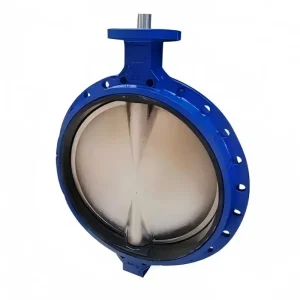
Wholesale Single Flange Butterfly Valve - Durable & Efficient Flow Control Supplier, Manufacturers
Inquire Specifications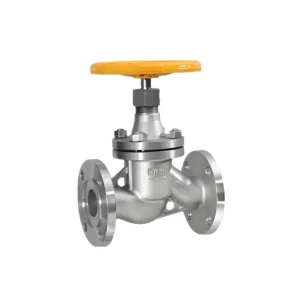
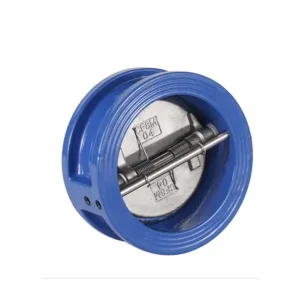
High-Quality High - Performance Dual Plate Wafer Check Valve for High - Flow Pipeline Systems Manufacturer, Factory
Inquire Specifications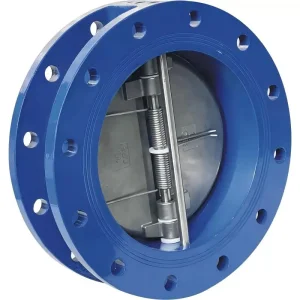
CE Certification Dual Plate Check Valve, Reliable Backflow Prevention Device Suppliers, Manufacturer
Inquire Specifications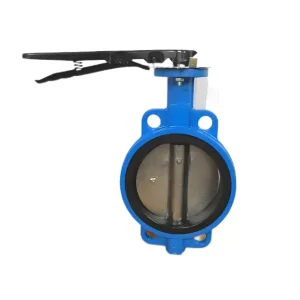
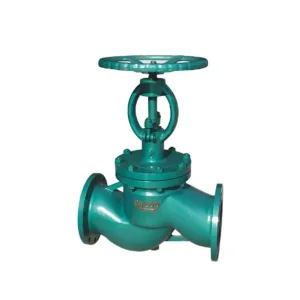
High-Quality High - Temperature - Vacuum Isolation Globe Valve for Vacuum Heat Suppliers, Factory
Inquire Specifications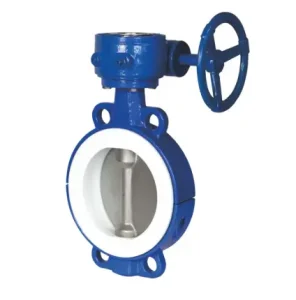
Wholesale PTFE Lined Butterfly Valve - Durable & Corrosion Resistant Manufacturers, Manufacturer
Inquire Specifications