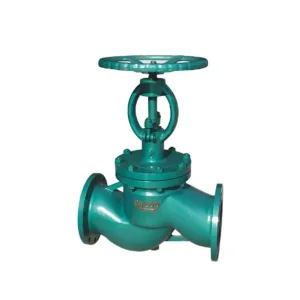
High-Integrity Marine & Industrial Flow Solutions
Explore our heavy-duty marine butterfly and non-return check valves. Each casting undergoes 100% hydrostatic shell verification, vulcanized bonding tests, and dimensional alignment according to JIS, DIN, and ASME shipyard specifications.
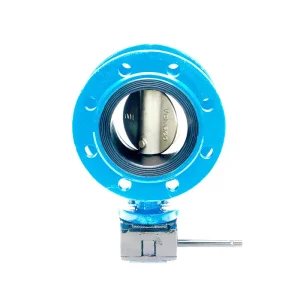
High-Quality Marine flange type manual operated butterfly valve
Explore Technical Specs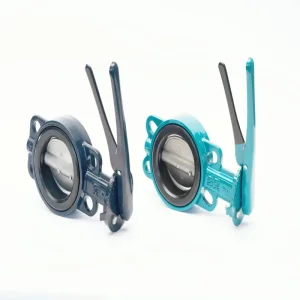
CE Certification Water-Safe Butterfly Valve for Efficient Flow Control
Explore Technical Specs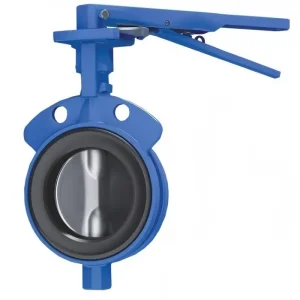
High-Quality EPDM Lining Butterfly Valve - Durable & Corrosion Resistant
Explore Technical Specs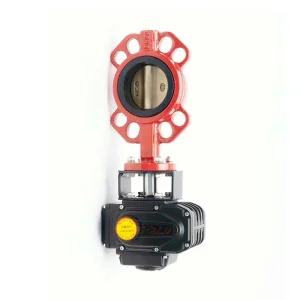
High-Quality Actuator Wafer Butterfly Valve Supplier, Manufacturers
Explore Technical Specs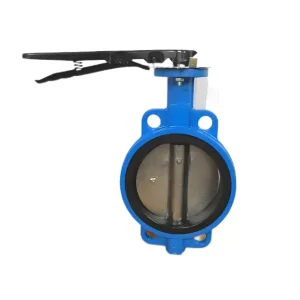
Wholesale Low - Pressure Wafer Type Butterfly Valve Manufacturer
Explore Technical Specs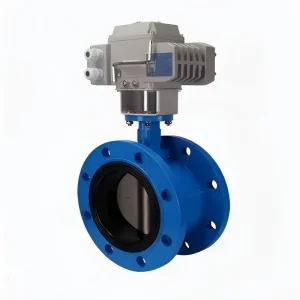
High-Performance Electrical Butterfly Valve for Seamless Control
Explore Technical Specs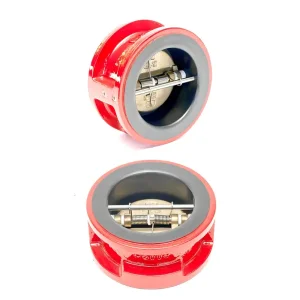
Wholesale Full Rubber Coated Check Valve Supplier, Factories
Explore Technical Specs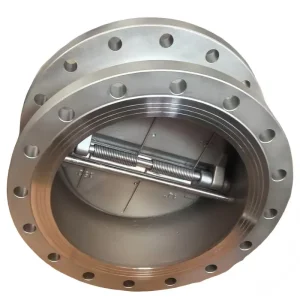
CE Certification Compact Low-Pressure Drop Wafer Lift Check Valve
Explore Technical SpecsEngineering Architecture of Marine Ductile Steel Butterfly Valves
Overcoming the brittle failure risks of standard cast iron under heavy sea state vibrations through micro-alloyed ductile metallurgy, hydrodynamic disk contours, and proprietary elastomer compounding.
In modern naval architecture and commercial shipbuilding, pipe systems are constantly subjected to severe dynamic multi-axial stresses. Hull deflection in heavy sea states, hydraulic water hammer resulting from high-speed ballast pumping, thermal gradients in engine rooms, and corrosive galvanic couples pose extreme reliability challenges. Marine ductile steel butterfly valves—specifically engineered utilizing spheroidal graphite cast iron (nodular iron grades such as EN-GJS-400-18-LT or ASTM A395 / A536) and cast carbon-manganese ductile steel—have emerged as the gold standard for shipboard fluid control.
Impact & Shock Resilience
Unlike conventional gray cast iron (GG25), which features interconnected flake graphite that propagates micro-fissures under mechanical shock, ductile nodular iron isolates graphite into spheres. This metallurgy guarantees elongation exceeding 18% and superior Charpy V-notch low-temperature toughness down to -20°C, satisfying IACS requirements for hull penetration zones.
- High tensile yield strength (≥ 250 MPa)
- Elimination of brittle fracture under hydrodynamic shock
- Resistance to torsional stress from hull flexure
Hydrodynamic Efficiency
Marine butterfly valves operate across massive volumetric flow rates during de-ballasting operations. Our precision CNC profiled lens-shaped discs and offset stem designs minimize flow turbulence, significantly reducing fluid separation, cavitation erosion, and pumping parasitic electrical loads across vessel lifespans.
- Optimized discharge coefficient (Cv / Kv values)
- Streamlined symmetric and pinless disc geometry
- Minimized localized velocity spikes across the seat
Galvanic & Chemical Protection
Marine piping systems combine disparate metals, including copper-nickel, duplex stainless steel, and carbon steel. Our marine ductile steel bodies are coated with minimum 250 μm fusion-bonded epoxy (FBE) or Rilsan nylon 11, fully isolating the pressure-retaining ductile shell from aggressive saline electrolytes.
- Eliminates galvanic corrosion between body and disc
- Resistant to splash zone salt fog (ASTM B117 > 3,000h)
- Zero internal wetting of ductile iron substrate
Engineering Insight: Why Marine Classification Societies Mandate Nodular Iron
Classification societies including Lloyd's Register (LR), DNV, and the American Bureau of Shipping (ABS) strictly regulate valve body materials within machinery spaces, cargo pump rooms, and forward collision bulkheads. Gray cast iron is prohibited for sea inlet valves, overboard discharge lines, and lines subject to mechanical shock because of its zero-ductility catastrophic failure mode. Ductile iron (nodular cast iron) and ductile cast steel provide the high strain tolerance, pressure containing integrity, and vibration absorption required to prevent catastrophic engine room flooding.
Worldwide Fleet Decarbonization & Retrofit Demand
How the IMO Ballast Water Management Convention (BWMC), 2023 IMO GHG Strategy, and scrubbed sulfur emissions regulations are reshaping valve specifications in global shipyards.
The global commercial maritime market is undergoing its most capital-intensive fleet modernization in a century. Driven by the International Maritime Organization’s (IMO) carbon intensity indicators (CII) and Energy Efficiency Existing Ship Index (EEXI), shipowners and global shipyards in China, South Korea, Japan, Singapore, and Europe are upgrading vessel fluid networks. High-performance marine butterfly valves fabricated from high-grade ductile steel are central to these modernization initiatives.
BWTS Electrolytic Systems
Ballast Water Treatment Systems (BWTS) using electro-chlorination generate active free chlorine oxidants. Marine ductile steel butterfly valves fitted with virgin Hastelloy or Nickel-Aluminum Bronze (NAB) discs and specialty compounded peroxide-cured EPDM prevent accelerated premature seat degradation during chemical dosing cycles.
Exhaust Scrubber Loops
Open and closed-loop SOx exhaust gas cleaning systems (EGCS) circulate caustic washwater with extreme pH variations (pH 2 to pH 11). Marine ductile iron butterfly valves utilizing fully encapsulated PTFE or chemically resistant Viton (FKM) linings withstand acidic washwater recirculations reliably.
Alternative Fuel Bunkering
The acceleration of dual-fuel vessel construction (Methanol, LNG, Ammonia) requires zero-leakage fuel transfer, inert gas purging, and nitrogen blanketing. Fire-tested ductile steel butterfly valves provide certified API 607 / ISO 10497 fail-safe isolation with secondary metallic fire seals.
Drydock Life-Extension
Shipowners operating Capesize bulk carriers, ultra-large container ships (ULCS), and VLCC tankers require prompt valve retrofit availability during 5-year class renewal drydocks. Standardized face-to-face dimensions (ISO 5752 series 20 / JIS F7480) ensure rapid drop-in interchangeability without pipe spool modifications.
Material Engineering Matrix: Ductile Steel vs Alternative Alloys
A rigorous empirical comparison of tensile, elongation, cavitation, and cost dynamics across marine quarter-turn valve body and trim configurations.
| Material Designation | Tensile Strength (MPa) | Yield Strength (MPa) | Elongation (%) | Cavitation & Shock Resistance | Typical Marine Systems | Cost-to-Performance Ratio |
|---|---|---|---|---|---|---|
| Nodular Ductile Iron (EN-GJS-400-18-LT / QT400-18) | ≥ 400 | ≥ 240 | 18% – 22% | Superior shock absorption; high damping capacity | Ballast mains, sea chests, bilge pumping, general seawater cooling | Optimal (Baseline) |
| Cast Ductile Steel (ASTM A216 WCB / WCC) | ≥ 485 | ≥ 250 | ≥ 22% | Extreme tensile integrity; weld repairable | High-pressure hydraulic service, fuel transfer, high-temperature utility steam | High (Premium raw cost) |
| Nickel Aluminum Bronze (Cu3 / C95800) | ≥ 590 | ≥ 240 | ≥ 16% | Maximum resistance to biofouling & high-velocity impingement | Dedicated raw seawater intake, submarine piping, offshore fire deluge | Very High (Copper market volatility) |
| Austenitic Stainless Steel (CF8M / 316SS) | ≥ 485 | ≥ 205 | ≥ 30% | Prone to crevice corrosion under stagnant warm seawater | Chemical cargo lines, inert gas lines, potable freshwater networks | High |
| Standard Gray Iron (GG25 / HT200) - Obsolete | 150 - 250 | None (Brittle) | < 0.5% (Brittle) | Poor; prone to catastrophic failure under water hammer | Restricted by IACS; domestic freshwater only | Lowest (Unsafe for critical marine) |
In-House Elastomeric Seat Formulation & Compression Dynamics
A resilient seated butterfly valve’s lifespan is fundamentally determined not by the metallic shell, but by the physical resilience of its elastomeric seat ring. Unlike valve assemblers who outsource rubber liners to third-party general molding shops, our integrated manufacturing campus incorporates Tianjin Dongfang Rubber Factory (operating continuously since 1987).
Our vulcanization process produces proprietary chemical formulations for marine service:
- Marine Peroxide-Cured EPDM: Tailored for seawater, treated ballast water containing sodium hypochlorite, and warm engine jacket cooling water (-20°C to +130°C). Features exceptional compression set resistance (< 15% after 100,000 operational cycles) and zero plasticizer leaching.
- High-Acrylonitrile NBR (Buna-N): Formulated specifically for bunker fuel oil, oily wastewater, lubricating oil loops, and hydraulic return circuits (-15°C to +90°C). Resistant to aromatic hydrocarbon swelling and embrittlement.
- Fluoropolymer Encapsulated Viton & PTFE: Designed for chemical tanker manifolds, aggressive cargo tank vents, and high-temperature scrubber wash lines requiring total inertness across aggressive fluids.
Localized Shipboard Application Scenarios
From deep bilge pumping lines beneath the machinery floorplates to high-exposure deck fire monitors, our ductile steel valves deliver fail-safe reliability.
1. Central Ballast Water Management
Valves are installed directly adjacent to high-capacity centrifugal ballast pumps in double-bottom pipe tunnels. They must cycle reliably against full system differential pressures (PN10/PN16) while enduring sand, silt, and biofouling suspended in littoral harbor waters.
Config: Lug or Double Flange Type, Ductile Iron Body, NAB / CF8M Disc, EPDM Molded Seat, IP68 Submersible Electro-Hydraulic Actuator.
2. Bilge & Oily Water Separator (OWS)
Bilge collection wells accumulate seawater contaminated with lubricating oils, heavy fuel washings, and particulate debris. Valves require immediate tight shutoff to prevent cross-contamination and guarantee zero leakage into clean hull voids.
Config: Wafer Type, Ductile Iron Shell, SS316 Trim, Oil-Resistant High-Density NBR Seat, Manual Locking Lever with Position Lock Pin.
3. Main Engine Seawater Cooling
Continuous flow regulation feeding titanium plate heat exchangers. High fluid velocities and micro-bubble entrainment induce cavitation forces that rapidly destroy low-spec butterfly discs. Precision profile edges maintain quiet, non-erosive throttling.
Config: Centric Flanged Type, Nodular Cast Steel, Aluminum Bronze C95800 Disc, Monel Stem, Worm Gear Operator with Self-Locking Ratio.
4. Marine Fire Main & Deck Deluge
Shipboard fire protection lines remain pressurized with stagnant seawater for prolonged periods, then suddenly experience high-pressure surge demands during emergency drills. The valve design prevents seat adhesion or stem seizure during urgent activation.
Config: Grooved End or Lug Type, Heavy Duty Nodular Iron, SS316 Disc with Mirror Micro-Finish, Fire-Safe Resilient Sealing, Handwheel Operator.
5. Cargo Oil Handling & Tank Stripping
Installed on chemical and product tankers, valves control the loading, discharging, and internal transfer of petroleum distillates. They require bi-directional bubble-tight sealing to prevent contamination between adjacent segregated cargo tanks.
Config: High-Performance Double-Eccentric Marine Butterfly Valve, Cast Steel Body, Pinless Disc, Dual Soft/Metal Seat, Fast-Acting Pneumatic Actuator.
6. Marine HVAC & Chilled Water Plant
Cruising vessels and offshore accommodation barges utilize large-scale chilled water central air cooling loops. Valves must offer thermal efficiency, minimal condensation sweating, tight temperature throttling, and zero maintenance across drydock intervals.
Config: Wafer Type, Ductile Iron Body, WRAS Certified EPDM Lining, Compact Lightweight Design, Direct ISO 5211 Modulating Actuator Mount.
Class Society Compliance & Localized Engineering Support
Full alignment with IACS unified requirements, international naval classification societies, and comprehensive 3.1 material traceability guarantees.
Marine valve procurement is inextricably bound to international maritime safety conventions (SOLAS) and classification society rules. When a commercial vessel experiences a valve failure during sea trials or port state control (PSC) inspections, demurrage losses can exceed tens of thousands of dollars per day. Tianjin Top Automation Equipment Co., Ltd. eliminates regulatory and schedule risks through rigorous, verifiable compliance architecture.
Classification Society Approvals
Our marine ductile steel butterfly valves are engineered to satisfy the strict type-approval and survey frameworks of leading International Association of Classification Societies (IACS) members:
- DNV (Det Norske Veritas) - Offshore & Ships
- LR (Lloyd's Register) - Marine Piping
- ABS (American Bureau of Shipping) - Machinery
- BV (Bureau Veritas) & CCS (China Classification Society)
EN 10204 3.1 Complete Traceability
Every single valve heat is serialized and dispatched with comprehensive EN 10204 Type 3.1 inspection certificates. Our independent physical & chemical testing laboratory inspects and documents:
- Spectrographic chemical alloy verification
- Tensile yield, elongation, and Brinell hardness
- Charpy V-notch low-temperature impact tests
- Hydrostatic shell (1.5x PN) and seat (1.1x PN) logs
Shipyard Direct Dispatch & Port Support
Located in the Wuxia Industrial Park, Dongli District, Tianjin, our manufacturing campus sits minutes away from Tianjin Port—Northern China's largest maritime shipping hub. This strategic location delivers unmatched logistics agility:
- Expedited air/sea delivery to major global repair hubs
- Drop-in replacements for drydock emergency shutdowns
- OEM customized face-to-face and drilling (JIS/DIN/ANSI)
Engineering Roadmap & Next-Generation Marine Valves
Pioneering intelligent valve telemetry, cryogenic alternative fuel barriers, and nano-composite self-healing coatings for next-generation autonomous and low-carbon commercial vessels.
Integrated Digital Valve Health
Embedding wireless non-intrusive vibration, acoustic emission, and torque signature sensors within the valve top flange. Enables predictive seat wear analytics and automated alert integration into vessel IAS (Integrated Automation Systems).
Bio-Polymers & Zero-Leach Seats
Next-generation perfluoro-elastomers and bio-sourced EPDM compounds exhibiting zero micro-particulate shedding and enhanced chemical stability for delicate high-purity ballast filtration and potable water networks.
Cryogenic & Ammonia Ready Trim
Developing ultra-low temperature triple-offset ductile steel and duplex alloy marine butterfly valves rated for -50°C LPG/Ammonia fuel gas supply systems (FGSS) with zero fugitive stem emissions (ISO 15848-1 Class A).
Fail-Safe Electric Smart Actuation
Ultra-low power DC brushless smart actuators featuring internal supercapacitors for emergency spring-return fail-close cycles during blackout events, eliminating heavy hydraulic power packs in steering and bilge tunnels.
Frequently Asked Questions: Marine Ductile Steel Butterfly Valves
Comprehensive engineering clarifications addressing specification, installation, metallurgy, and class compliance for marine procurement teams and chief engineers.
Why is ductile iron (nodular iron) preferred over cast steel or bronze for marine ballast systems?
Nodular ductile iron (such as EN-GJS-400-18-LT or ASTM A395) delivers an optimal engineering balance between mechanical strength, elongation, vibration damping, and cost-effectiveness. While cast bronze offers superior intrinsic corrosion resistance, its cost is roughly 300% to 400% higher and subject to copper commodity volatility. Cast carbon steel, while strong, has poor vibration damping and rusts rapidly if coating integrity is breached. Ductile iron provides tensile strengths exceeding 400 MPa with 18% elongation, absorbing shipboard structural deflections without cracking. When combined with an in-house bonded EPDM liner and an Aluminum Bronze (NAB) disc, ductile iron provides decades of service at a fraction of the weight and capital cost of solid bronze valves.
What is the difference between concentric, double-eccentric, and triple-eccentric marine butterfly valves?
Concentric (rubber-lined) marine butterfly valves feature a disc centered within the elastomeric seat. Sealing is achieved through radial interference friction. They are cost-effective, bi-directional, and ideal for low-pressure (PN10/PN16) seawater, ballast, and HVAC systems. Double-eccentric (high-performance) valves offset the stem from both the seat plane and body centerline, causing the disc to cam away from the seat within the first few degrees of opening, dramatically reducing seal wear during frequent throttling. Triple-eccentric valves introduce an angular conical offset, eliminating seat rubbing entirely and utilizing metal-to-metal seating for fire-safe, high-pressure, or extreme-temperature services such as boiler steam or LNG cargo lines.
How does your factory prevent galvanic corrosion between the ductile iron body and bronze disc in seawater?
Galvanic corrosion requires direct electrical contact between dissimilar metals inside a common electrolyte. In our centric marine ductile steel butterfly valves, the elastomeric seat ring (EPDM, NBR, or Viton) wraps entirely around the body bore and covers the flange sealing faces. Consequently, the seawater medium touches exclusively the resilient rubber lining and the corrosion-resistant disc (Aluminum Bronze C95800 or Duplex 2205). The ductile iron body remains completely dry and isolated from the electrolyte. Furthermore, our valve stems feature dual O-ring secondary seals and PTFE/bronze self-lubricating dry bushings, preventing any fluid tracking into the stem journal.
Can your marine valves be installed in dead-end service during tank maintenance?
Yes, provided that a Lug Type or Double-Flanged Type butterfly valve is selected. Wafer-type valves cannot be used for dead-end service because they rely on compressive bolting between two mating pipe flanges. Our threaded lug-type ductile steel valves feature individually tapped lug holes according to JIS B2220, DIN EN 1092-2, or ASME B16.5 standards, enabling downstream pipe spool removal while maintaining full upstream line working pressure without leakage or seat displacement.
What testing certifications accompany marine valve orders before dispatch from Tianjin?
Each shipment is supported by an EN 10204 Type 3.1 inspection certificate containing full heat traceability. Shell strength testing is executed at 1.5 times the nominal working pressure (e.g., 24 bar for PN16), and bi-directional seat tight shutoff testing is verified at 1.1 times nominal pressure according to ISO 5208 Rate A (zero visible leakage). For classified newbuilds, third-party witness inspection certificates from classification societies such as DNV, Lloyd's Register, ABS, or CCS are coordinated seamlessly directly at our factory testing stands.
High-Performance Marine & Process Pipeline Solutions
Complementary isolation, non-return check, and severe-duty valves engineered for offshore drilling units, bulk tankers, and industrial thermal utility plants.
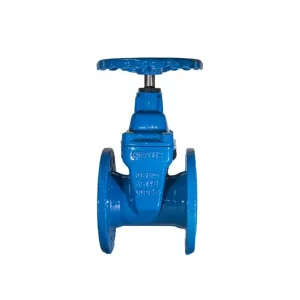
Wholesale Anti-Abrasion Elastic Seat Gate Valve with Reinforced Seat
Explore Technical Specs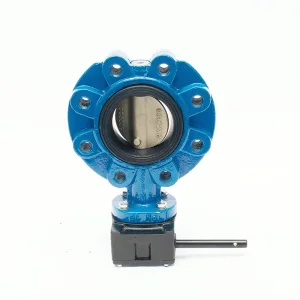
High-Quality Marine Centric Lug type manual operated butterfly valve
Explore Technical Specs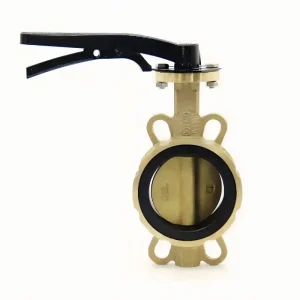
High-Quality Aluminum Bronze Butterfly Valve - Durable & Corrosion Resistant
Explore Technical Specs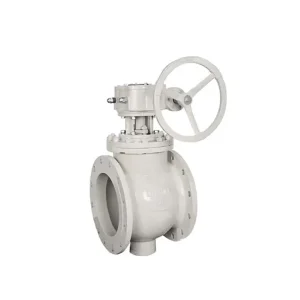
CE Certification High-Pressure Eccentric Plug Valve for Oil and Gas
Explore Technical Specs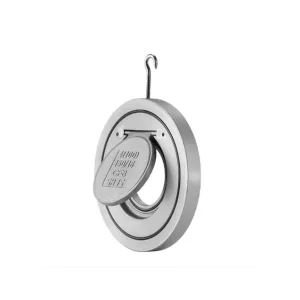
Stainless Steel Single Disc Wafer Check Valve with Enhanced Corrosion Protection
Explore Technical Specs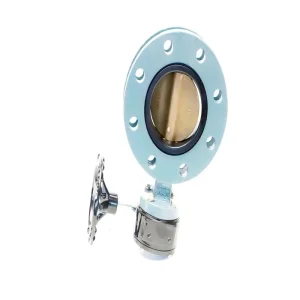
CE/ISO/DIN/BS High Pressure Metal Seal Hard Seal Butterfly Valve
Explore Technical Specs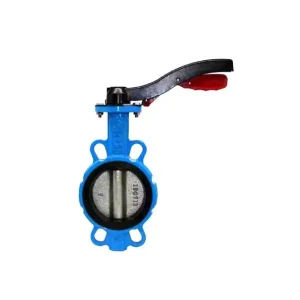
CE Certification Duplex Type Pinless Butterfly Valve Factory Direct
Explore Technical Specs