
Featured Industrial Flow Isolation & Ammonia Valves
Explore our factory-engineered straight-through globe valves and complementary high-integrity pipeline control units ready for global deployment.
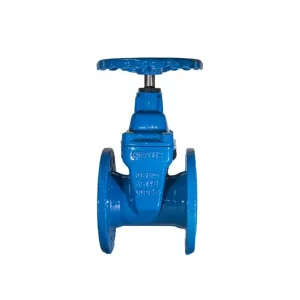
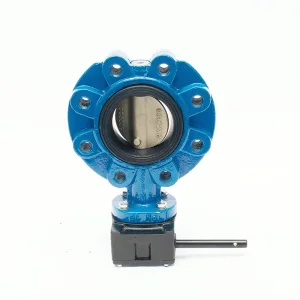
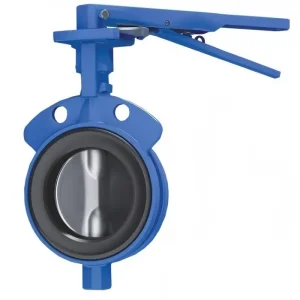
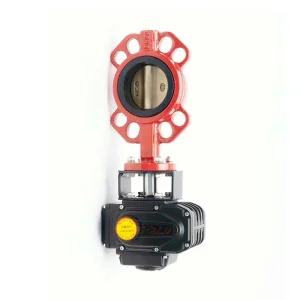
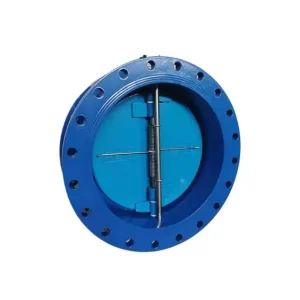
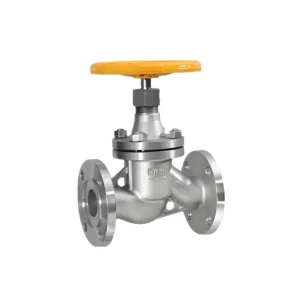
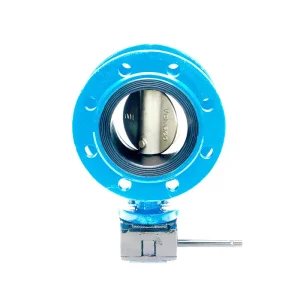
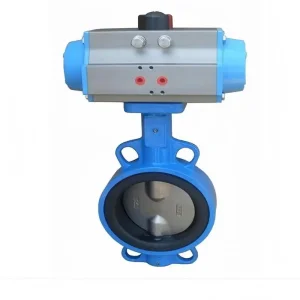
Straight-Through Ammonia Globe Valves: Engineering Physics & Critical Sealing Architecture
Anhydrous ammonia (R717 / NH3) remains one of the world's most thermodynamically efficient natural refrigerants and clean energy chemical carriers. However, its acute toxicity, penetrating molecular weight (17.031 g/mol), vapor expansion dynamics, and propensity to cause stress-corrosion cracking under trace oxygen exposure demand absolute mechanical integrity. A CE Certification Straight through Ammonia Globe Valve serves as the frontline defense against uncontained fugitive emissions across sub-zero cooling loops, liquid receiver headers, suction accumulator bypasses, and industrial process trains.
Unlike standard industrial globe valves configured for benign steam or potable water utility duties, ammonia service valves require specialized metallurgical formulations that remain immune to low-temperature ductile-to-brittle transitions. At Tianjin Top Valve (Tianjin Top Automation Equipment Co., Ltd.), our engineering heritage traces back to our foundational casting and elastomeric formulation facilities established in 1987 and 1996. By uniting advanced vacuum degassing induction casting with in-house polymer compounding, we produce straight-through globe valves that withstand cryogenic conditions down to -50°C and transient high pressures up to PN40 (4.0 MPa / Class 300) without micro-porosity micro-leaks or packing degradation.
Mission-Critical Deployments: From Cold Chain Infrastructure to Green Energy
Engineered to satisfy stringent European PED 2014/68/EU directives, EN 378 refrigeration plant safety codes, and ISO 5149 standards across global operations.
Large-Scale Cold Chain & Blast Freezing
Installed within central machine rooms, ammonia pump skids, and spiral freezers across modern meat, poultry, seafood, and dairy logistics terminals. The straight-through design ensures low hydrodynamic resistance during dual-phase liquid-vapor circulation, guaranteeing precise temperature maintenance without compressor over-cycling.
Green Ammonia Synthesis & Hydrogen Storage
As decarbonization accelerates, green hydrogen is chemically converted to liquefied ammonia for economical bulk maritime transport. Our CE-certified valves regulate cryogenic liquid ammonia cracking loops, storage sphere run-off branches, and vaporizer manifolds with 100% helium mass-spectrometer leak verification.
Marine Cargo & Ammonia-Fueled Vessels (AFSS)
Designed to meet Bureau Veritas, DNV, and LR marine classification requirements for next-generation zero-emission vessel fuel supply systems. Ductile iron grade QT400-18L and forged carbon steel bodies provide Charpy V-notch impact toughness greater than 27 Joules at -40°C, resisting oceanic wave vibrations and thermal shocks.
Agricultural Chemical & Fertilizer Processing
Continuous liquid ammonia feedlines in urea, ammonium nitrate, and nitrogen fertilizer synthesis towers demand valves with zero-sticking stems and non-galling seats. Precision rolling of our 2Cr13 / 304 / 316 stainless steel valve spindles prevents galling even under high frequency throttling adjustments.
District Cooling & Industrial HVAC Heat Pumps
Megawatt-scale heat pump installations exploiting high-efficiency ammonia cycles require valves capable of cycling between low-pressure suction evaporation and high-pressure supercritical condensation. Extended bonnets insulate stem packing from thermal freeze-up and atmospheric condensation icing.
Chemical Plant Hazard Isolation & Scrubber Systems
In emergency vapor containment loops and emergency water-dousing scrubbers, straight-through ammonia globe valves equipped with pneumatic rapid-closure actuators guarantee fail-safe, spring-return shutoff within 1.5 seconds, isolating toxic fugitive vapors from surrounding work environments.
Anatomy of Zero Leakage: Advanced Metallurgy & Dual Sealing Roadmap
The critical weakness of conventional ammonia globe valves lies in stem packing creep and disc chatter. Over time, recurring thermal expansion cycles loosen packing bolts, allowing toxic ammonia vapor to escape into the atmosphere. Tianjin Top Valve tackles this through a patented tri-tier dynamic sealing architecture:
1. Secondary Backseat Safety Seal
A precision-tapered upper back-seating collar on the valve stem mates metal-to-metal with the internal bonnet crown. When the valve is fully open, system pressure is completely isolated from the stuffing box, allowing live stem gland packing replacement under full operating pressure.
2. Dual Chemically-Inert Gland Rings
Utilizing high-purity die-formed flexible graphite rings flanked by virgin PTFE Chevron V-rings, the stem gland compensates dynamically for thermal oscillations (-50°C to +150°C) without requiring frequent retorquing by maintenance operators.
3. Dual-Sealing Disc Design
The valve disc features a primary soft seal insert (lead alloy or glass-reinforced PTFE / PCTFE) compressed within a protective stainless steel retainer cage, accompanied by a secondary tapered metal-to-metal wedge seat for fire-safe emergency isolation.
Engineering Parameter & Material Selection Matrix
| Component | Standard Specification | Cryogenic Specification (-50°C) | Testing Standard & Compliance |
|---|---|---|---|
| Valve Body & Bonnet | Ductile Iron QT450-10 / Cast Steel WCB | Low-Temp Ductile QT400-18L / LCB / 16Mn | EN 10204 3.1, Radiographic Inspection (RT) |
| Valve Stem (Spindle) | Stainless Steel 2Cr13 / Martensitic 420 | SS304 / SS316L Hard Chrome-Plated | Ra ≤ 0.4 μm Mirror Finish, Dye Penetrant (PT) |
| Sealing Disc | Carbon Steel + Lead Alloy Babbitt Seal | SS304 + PTFE / PCTFE Composite Insert | 100% High-Pressure Nitrogen Gas Bubble Test |
| Body Gasket | Flexible Graphite with SS316 Insert | PTFE Encapsulated Spirally Wound 316 | EN 1514-2 / ASME B16.20 Flange Stress Test |
| Stem Gland Packing | Braided PTFE + Flexible Graphite Rings | Spring-Energized Chevron V-Packing Ring | ISO 15848-1 Fugitive Emission Class AH |
| Handwheel Actuator | Malleable Cast Iron Ergonomic Grip | ISO 5211 Direct Actuator Top Flange | EN 12570 Operating Torque Verification |
Next-Generation Technology Roadmap (2025–2030)
IoT Acoustic Emission Leak Detection
Integration of wireless ultrasonic micro-transducers onto the valve bonnet collar to continuously detect incipient high-frequency acoustic signatures caused by micro-bubble gas seat bypassing, feeding predictive maintenance dashboards via LoRaWAN/Modbus.
Cryogenic Low-Emission Modular Actuation
Direct-mount ISO 5211 drive heads engineered with thermal isolation standoffs, preventing ice crystallization around pneumatic cylinder seals and electric actuator torque limiters during fast emergency shutdown (ESD) actions.
Hydrogen-Ammonia Blended Service Metallurgy
R&D trials in nickel-alloy surface cladding and nano-diamond composite electroplating to fortify the internal flow channel against hydrogen embrittlement when valves operate in mixed NH3-H2 green fuel conversion cracking plants.
China Factory 4.0: Vertical Foundry, Proprietary Elastomers & Unbroken Traceability
In an era plagued by supply chain disruptions, extended shipping lead times, and unstable sub-tier casting qualities, Tianjin Top Valve guarantees complete operational certainty. Established in the Wuxia Industrial Park, Dongli District, Tianjin, our group encompasses Tianjin Donglian Valve Factory (operating since 1996) and Tianjin Dongfang Rubber Factory (operating since 1987) across a modern 23,000 m² campus.
Unlike pure assembly trading companies or outsourced machine shops, our vertical integration spans the entire manufacturing lifecycle. Because the performance of an ammonia valve or resilient seated butterfly valve hinges on metallurgical homogeneity and polymer molecular resilience, controlling our in-house foundry and elastomeric compounding lines gives international buyers uncompromised reliability:
Independent Modern Foundry
Automated molding lines with electric induction furnaces and vacuum degassing eliminate blowholes and slag inclusions. Optical emission spectrometers verify exact chemical compositions prior to ladle pouring.
Proprietary Rubber & Polymer Plant
Our dedicated rubber processing division compounds, vulcanizes, and inspects EPDM, NBR, and specialty fluoropolymers, guaranteeing tensile strength, low compression set, and zero cracking under continuous sub-zero stress.
High-Precision CNC Machining
Multi-axis CNC turning and horizontal milling centers achieve tight dimensional tolerances on stem threads, flange sealing faces, and body cavity disc guides, guaranteeing frictionless 100% repeatability.
100% Pressure & Gas Testing
Every single straight-through ammonia globe valve undergoes dual testing: hydrostatic shell testing at 1.5× nominal pressure and submerged high-pressure dry nitrogen seat testing at 1.1× PN to ensure zero micro-bubble leakage.
CE-PED Directive Harmonization & Rigorous Quality Control Architecture
Under European Pressure Equipment Directive (PED 2014/68/EU), ammonia is categorized as a Group 1 hazardous fluid (flammable, toxic, oxidizing). Valves installed in European or CE-mandated international jurisdictions must strictly adhere to conformity assessment modules (Category II, III, or IV Module H/H1). Tianjin Top Valve provides complete compliance verification documentation with every shipment.
Mandatory Certification & Standard Harmonization
- PED 2014/68/EU Module H: Full quality assurance system audit by European Notified Bodies with CE marking stamped on nameplates.
- EN 12284: Refrigerating systems and heat pumps — Valves — Requirements, testing and marking compliance.
- EN 378 (Parts 1-4): Refrigerating systems safety and environmental compliance for fluid group 1 media.
- ISO 9001 / ISO 14001 / ISO 45001: Certified quality, environmental, and occupational safety governance.
- Flange Connection Dimensions: EN 1092-1 PN25/PN40, ASME/ANSI B16.5 Class 150/300, BS 4504, JIS B2220.
Quality Dossier Provided with Every Delivery
- EN 10204 3.1 Material Test Certificate (MTC): Full chemical ladle analysis, yield strength, tensile elongation, and Charpy impact data.
- Hydrostatic & Pneumatic Test Reports: Documented pressure holding durations, test gauges, and inspector sign-off.
- Non-Destructive Testing (NDT): Dye penetrant (PT) examination of weld bevels and magnetic particle (MT) reports for critical castings.
- Coating Verification: Dry film thickness (DFT) reports and cross-hatch adhesion test certificates for anti-corrosive epoxy systems.
- CE Declaration of Conformity (DoC): Issued by the manufacturer referencing the specific model serial numbers and Notified Body ID.
Global Procurement Guide: Total Cost of Ownership (TCO) & EPC Specification
Procurement professionals and lead piping engineers evaluating bids for large industrial refrigeration skids or petrochemical terminals must weigh total lifecycle expenditure over nominal unit purchase costs. A single catastrophic ammonia valve stem leak can cause emergency facility evacuations, costly product inventory spoiling, substantial regulatory EPA/OSHA penalties, and hundreds of thousands of dollars in lost operating uptime.
1. Metallurgical Purity vs. Slag Failure
Substandard foundries frequently recycle low-grade iron scrap without vacuum refining, leading to hidden internal micro-shrinkage voids. Under sub-zero ammonia pressure cycles, these micro-voids propagate into through-wall fractures. Always insist on EN 10204 3.1 certified low-temperature ductile iron or cast steel.
2. Stem Galling & Micro-Fugitive Leaks
Rough stem surface finishes chew through packing rings within months. Our stems undergo precision precision grinding and centerless micro-polishing to achieve a mirror finish of Ra ≤ 0.4 μm, extending packing seal life beyond 50,000 full operational cycles without maintenance intervention.
3. Export Preservation Packaging
Ammonia valves are highly vulnerable to internal moisture during oceanic transport, which can catalyze internal corrosion before commissioning. We seal all valve ports with heavy-duty flange protectors, pack dessicant packets inside the cavity, wrap each unit in nitrogen-sealed moisture-barrier bags, and crate them in fumigated plywood cases.
Frequently Asked Questions: Technical & Procurement Verification
Comprehensive answers compiled by our senior valve engineering staff to resolve critical engineering, compliance, and ordering inquiries.
What distinguishes a Straight-Through Ammonia Globe Valve from standard globe and gate valves?
Why is CE Certification and PED compliance mandatory for ammonia refrigeration valves?
How does the valve design prevent catastrophic stem gland leakage?
What materials are utilized for sub-zero ammonia duties down to -50°C?
Can Tianjin Top Valve accommodate custom flange drillings and extended bonnets?
What is your factory's standard testing and inspection procedure before dispatch?
How does your vertical integration (foundry and rubber plant) benefit international buyers?
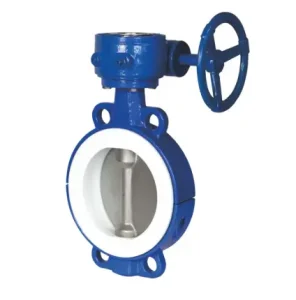
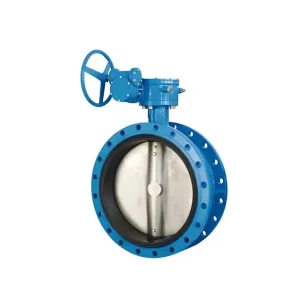
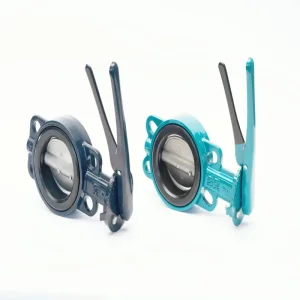
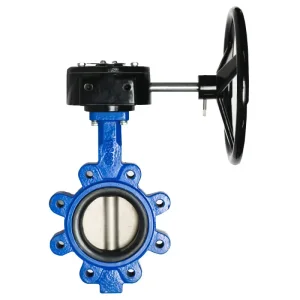
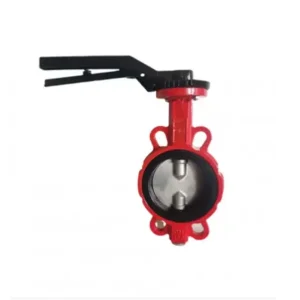
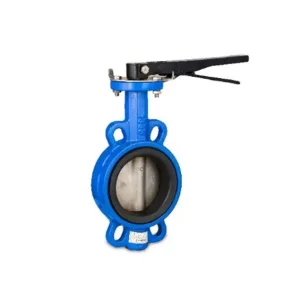
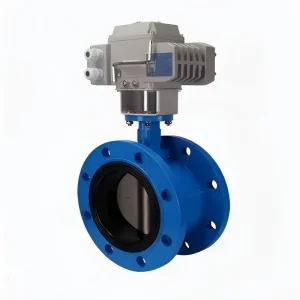
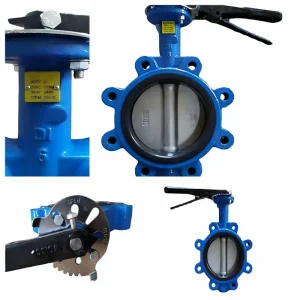
High-Performance Resilient & Lined Pipeline Solutions
Complete your flow architecture with our internationally certified resilient-seated, lined, and automated valves designed for water, marine, and process plants.
Require Engineering Datasheets or Ammonia Valve Quotations?
Connect directly with our senior valve application engineers. We provide comprehensive 2D CAD dimensional drawings, 3D STEP models, CE-PED compliance documentation, and factory-direct pricing within 24 hours.
