
Primary Lug Butterfly Valve Solutions for Iraqi Projects
Engineered to handle abrasive suspended solids, elevated temperatures up to 130°C, and bidirectional dead-end piping service in municipal and hydrocarbon installations.
-
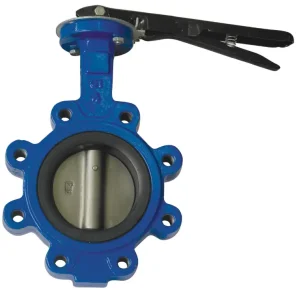
Lug Type Manual Operated Butterfly Valve (Iraq Water & Infrastructure Grade)
-
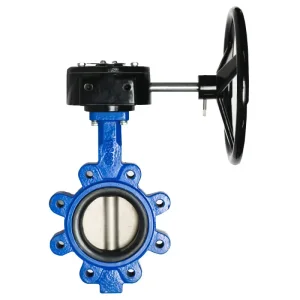
High-Performance Ductile Iron Lug Butterfly Valve (Oil & Gas Utility Lines)
-
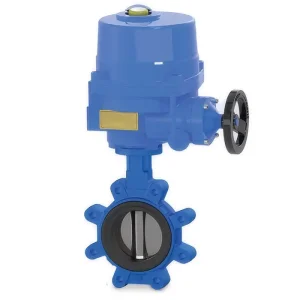
Intelligent Electrical Actuated Butterfly Valve (Automated Pumping Schemes)
-
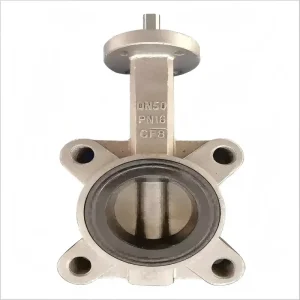
Heavy-Duty Semi-Lug Butterfly Valve (Vibration-Resistant Distribution)
The Iraqi Industrial Rebound: Infrastructure Renewal & Valve Requirements
The industrial landscape in Iraq is experiencing an unprecedented structural resurgence. Propelled by multi-billion-dollar investments from the Ministry of Oil (MoO), the Ministry of Construction, Housing and Municipalities, and sovereign development funds, vast engineering programs are reshaping the country's pipeline integrity. From the gargantuan degassing stations of the Rumaila, West Qurna, and Majnoon reservoirs to mega-refineries like Karbala and modernized municipal trunklines traversing Baghdad and Erbil, the requirement for robust fluid handling components has reached historic peaks.
In these challenging operating environments, standard commodity valves often suffer premature failure due to hyper-saline groundwater, fine atmospheric quartz dust, and ambient summertime operating temperatures exceeding 55°C (131°F). The lug butterfly valve has surfaced as an indisputable standard for downstream utility networks, seawater injection intake lines, and municipal distribution grids, providing reliable bubble-tight isolation and bi-directional dead-end maintenance capabilities without pipeline drain-down.
-
Dead-End Service Capability: Full threaded lugged drillings allow downstream flange removal under full rated differential pressure (16 bar / 232 psi).
-
Abrasion & Corrosion Immunity: High-integrity ductile iron (EN-GJS-400-15 / ASTM A536) bodies paired with fused epoxy coating (min 250 µm) resist aggressive brackish soils.
-
In-House Rubber Vulcanization: Custom compounded EPDM and NBR liners eliminate thermal detachment during high-temperature cyclical desert operations.
Demanding tens of thousands of auxiliary water-cut, cooling, and utility valves across southern Iraqi oil terminals.
Every single valve undergoes rigorous hydrostatic pressure verification per EN 12266-1 / API 598 standards before export.
Designed with UV-stabilized paint and anti-aging elastomer compounds tailored specifically for the Mesopotamian climate.
Full compatibility with DIN EN 1092-2 and ASME B16.5 Class 150 drilling standards utilized across regional ministries.
Worldwide Technical Trajectory: Resilient Lug vs. Traditional Isolation Valves
In plant design across the Middle East, Europe, and Asia, engineering procurement construction (EPC) contractors are transitioning away from heavy cast-iron gate valves in favor of high-performance resilient-seated lug butterfly valves.
Massive Weight & Space Reduction
A standard DN300 (12-inch) flanged gate valve can weigh over 220 kg, requiring dedicated concrete support stanchions and complex rigging equipment. Conversely, a DN300 resilient-seated lug butterfly valve weighs approximately 45 kg—a dramatic 75% reduction. In seismic or high-vibration environments such as pump manifolds in southern Iraqi compressor facilities, this reduction minimizes structural pipe stress and accelerates installation cycles.
Advanced Polymeric Sealing
Older metal-to-metal seated valves routinely permit low-level continuous leakage under low differential pressures. By utilizing proprietary elastomeric formulations—including EPDM for potable water (WRAS compliant) and sulfur-cured NBR for oily water and fuel transfers—our factory achieves ISO 5208 Rate A (zero detectable leakage). The bonded rubber seat also acts as an integral flange gasket, eliminating costly supplementary sheet gaskets.
Stem Sealing & Fugitive Emission Control
Environmental standards in the Middle East now aggressively target fugitive emissions. Modern lug butterfly valves feature double or triple O-ring stem seals combined with blow-out proof drive shafts and secondary disc-hub primary seals. This ensures compliance with stringent international leakage thresholds, protecting desert soil aquifers and reducing volatile hydrocarbon vapors in closed pump chambers.
Localized Applications in Iraqi Energy & Municipal Infrastructure
Examining real-world deployment parameters across Iraq's harshest operating zones.
1. Basra Produced Water & Cooling Water Manifolds
In the southern fields of Zubair, West Qurna, and Majnoon, produced water handling requires exceptional metallurgical resilience. The combination of high chloride concentrations and dissolved hydrogen sulfide causes swift pinhole corrosion in inferior valves. Our factory delivers lug butterfly valves configured with ASTM B148 C95800 Nickel Aluminum Bronze discs or duplex stainless steel (2205) discs combined with sulfur-cured NBR liners, ensuring long-term resistance to cavitation and erosion.
2. Baghdad & Tigris Basin Municipal Water Supply
The municipal drinking networks across Greater Baghdad, Najaf, and Karbala contend with elevated seasonal silt loads from the Tigris and Euphrates rivers. We supply WRAS-approved lug butterfly valves featuring mirror-polished CF8M stainless steel disc edges and food-grade EPDM seats. The low torque characteristic prevents mechanical binding even after months of static non-operation.
3. Combined Cycle Thermal Power Facilities
At generating stations such as Al-Khairat and Rumaila IPP, cooling water circulation requires continuous throttling and rapid emergency isolation. Outfitted with ISO 5211 direct-mount multi-turn worm gears or fail-safe IP68 electric actuators, our lug butterfly valves deliver dependable service under continuous high-flow hydraulic conditions.
Key Specification Matrix for Iraqi Duty
Ductile Iron EN-GJS-400-15 / ASTM A536 65-45-12 (Tensile > 400 MPa, Elongation > 15%)
SS316 / CF8M, Aluminum Bronze C95800, or Nylon-11 Coated Ductile Iron
In-house compounded high-recovery EPDM (-20°C to +120°C) / NBR (-10°C to +82°C)
Electrostatically applied Fusion Bonded Epoxy (FBE) Blue RAL 5005 / 5015, min 250 µm thickness, zero porosity holiday-tested
Pinless disc-to-stem drive profile ensuring reduced operating torque and zero leak paths through the disc core
Detailed Mechanical & Material Matrix for Iraqi Standards
Select the optimal combination of metallurgy, elastomers, and actuation for your exact pipeline service medium and temperature range.
| Feature Parameter | Municipal Potable Water | Oilfield Utility & Produced Water | Chemical & Refinery Service | High-Volume Raw Intake Water |
|---|---|---|---|---|
| Nominal Diameter | DN50 – DN1200 (2" – 48") | DN50 – DN600 (2" – 24") | DN50 – DN400 (2" – 16") | DN400 – DN2000 (16" – 80") |
| Nominal Pressure | PN10 / PN16 / Class 150 | PN16 / PN25 / Class 150 | PN16 / Class 150 | PN10 / PN16 |
| Body Construction | Ductile Iron GGG40 / GGG50 | Ductile Iron or Carbon Steel WCB | Stainless Steel CF8M / CF3M | Ductile Iron EN-GJS-500-7 |
| Disc Material | SS304 / SS316 / Nylon Coated | Al-Bronze C95800 / Duplex 2205 | PTFE Lined / SS316L | Al-Bronze / SS316 Mirror Polish |
| Seat Elastomer | WRAS Certified EPDM | Fuel-Resistant NBR / FKM (Viton) | Virgin PTFE / R-PTFE | High-Elasticity Abrasion EPDM |
| Temperature Window | -10°C to +110°C | -15°C to +85°C (150°C for FKM) | -20°C to +180°C | -10°C to +80°C |
| Flange Standards | EN 1092-2, BS 4504, ISO 7005-2 | ASME B16.5, DIN EN 1092-1 | ASME B16.5 Class 150 | EN 1092-2, AWWA C207 |
| Standard Actuation | Lever / IP67 Worm Gear | Pneumatic Actuator / Explosion-Proof | Smart Electric Actuator 4-20mA | Bevel Gear / Electric Actuator |
Technological Roadmap: Digitalization & SCADA Ready Valves for Iraq
As Iraqi utility boards and energy conglomerates accelerate automation programs to safeguard field personnel and boost network throughput, the mechanical valve is metamorphosing into an intelligent cyber-physical node. Traditional manual operation in remote, blistering desert locations is rapidly giving way to centralized telemetric monitoring.
Our research and engineering initiatives focus on several pioneering technology pathways specifically developed for Middle Eastern desert and remote infrastructure setups:
-
Integrated Solar-Powered Actuation: Self-contained solar-photovoltaic actuation assemblies engineered for desert pipeline rights-of-way where electrical grids are absent, featuring supercapacitor energy reserves.
-
Predictive Torque Diagnostics: High-precision onboard digital torque sensors that continuously stream operational profiles via Modbus, HART, or wireless LoRaWAN protocols to detect early scale formation or silt deposition before mechanical stall occurs.
-
Advanced Ceramic & HVOF Coatings: Thermal spray coatings that deliver ultra-hard microstructures (up to 70 HRC) along disc edges, resisting scouring wear in high-velocity silt-laden canal intakes.
Why Full-Lug Beats Wafer in Iraqi Plants
In traditional wafer style valves, long through-bolts sandwich the valve body between upstream and downstream pipe flanges. In the blistering thermal cycles of Iraq (where daily pipe expansions can induce dramatic bolt tension variances), wafer bolts frequently loosen, precipitating destructive perimeter gasket leaks.
Furthermore, if equipment downstream (such as a pump, strainer, or flowmeter) requires emergency overhaul, a wafer valve cannot isolate the upstream line without complete pipeline shutdown and draining.
The Lug Advantage: Our threaded lug body accepts independent sets of bolts on either side. Maintenance teams in Basra or Kirkuk can isolate, unbolt, and service downstream apparatus while the upstream side remains safely pressurized at full nominal pressure—eliminating downtime costs.
Direct Foundry Control: Eliminating Trading Risks for Iraqi EPCs
Purchasing valves through multiple intermediaries exposes mega-projects in Iraq to counterfeit documentation, inconsistent metallurgy, and unverified pressure ratings.
In-House Foundry Heritage
Tracing back to 1996 through Tianjin Donglian Valve Factory and our specialized rubber compounding facility established in 1987, our production ecosystem controls every metallurgical melt, spectrographic chemistry check, and sand-mould casting in-house. Material Test Reports (MTRs) to EN 10204 3.1 accompany every single batch delivered to Iraq.
Dedicated Rubber Seat Lab
Because the elastomer seat is the heart of a butterfly valve, we do not procure generic commercial rubber on the open market. We compound, vulcanize, and laboratory-test our own EPDM, NBR, and specialty fluoropolymers on campus, ensuring optimal compression set, elastic memory, and zero deformation under prolonged cyclic closure.
Direct Freight to Umm Qasr & Northern Gateways
Our logistical infrastructure supports seamless ocean containerized shipments directly from Tianjin Port to the Port of Umm Qasr (Basra), complete with certified consular legalizations, Certificate of Conformity (CoC) inspections, and multi-layered anti-corrosion seaworthy packaging.
Frequently Asked Technical & Commercial Questions (Iraq Focus)
Comprehensive engineering insights for procurement directors, pipeline design engineers, and technical auditors.
What makes lug butterfly valves preferable to wafer type in Iraqi oilfield manifolds?
Lug butterfly valves feature fully threaded internal lugs that mirror the bolt hole patterns of mating companion flanges. This allows downstream pipe removal or equipment overhaul under full operational line pressure (dead-end service). In contrast, removing a downstream flange with a wafer valve causes the entire assembly to disengage, spilling fluid and demanding a total system shutdown.
Can your lug butterfly valves interface with both DIN and ANSI flange standards?
Yes. Because our factory utilizes CNC multi-axis machining centers, lug body tapped drillings are manufactured precisely to client project specifications: EN 1092-2 PN10/PN16 (metric threading M16–M36) or ASME B16.5 / B16.47 Class 150 (UNC threading). Always specify your project flange standard during the inquiry stage to ensure identical thread pitches.
How do your valves withstand the hyper-saline waters of southern Iraq (Shatt al-Arab)?
For high-salinity applications in Basra and surrounding coastal infrastructure, we provide specialized metallurgy: Nickel Aluminum Bronze (ASTM B148 C95800) or Duplex Stainless Steel (2205 / 2507) discs, matched with high-grade EPDM or FKM elastomeric liners and duplex shafts. This completely avoids pitting and crevice corrosion associated with standard cast iron or low-grade stainless steels.
What third-party inspection agencies are accepted for orders entering Iraq?
Our manufacturing facility regularly collaborates with world-renowned independent third-party verification agencies, including Bureau Veritas (BV), SGS, TÜV Rheinland, and Intertek. We routinely provide inspection access for pre-shipment testing, witness pressure hydro-tests, chemical spectrometer verification, and CoC documentation required by Iraqi customs.
Why is a pinless disc design superior in abrasive desert water networks?
Traditional butterfly valves secure the disc to the drive shaft using taper pins or through-pins that penetrate the disc face. Over time, erosion from quartz sand grains and thermal expansion weakens these pins, creating leak paths directly into the valve stem. Our pinless architecture uses a precision broached square or double-D internal drive connection, isolating the stem entirely from the flow medium.
What is the standard lead time and shipping transit duration to Umm Qasr Port?
Standard production for bulk project quantities (DN50 to DN600) typically spans 20 to 35 calendar days depending on actuator requirements. Maritime transit from Tianjin Port directly to Umm Qasr Port usually requires 25 to 32 days, ensuring rapid project turnaround for contractors operating under stringent completion deadlines.
Integrated Flow Control Solutions for Iraqi Engineering Needs
Explore our comprehensive portfolio of CE-certified manual, gear, and actuated valves designed for extreme environments, water transmission, and industrial utility duties.
-
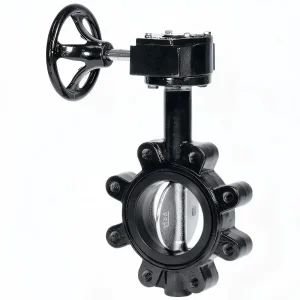
CE Certification Gear Operated Butterfly Valve (Heavy-Duty Manual Control)
-
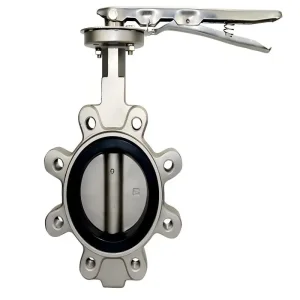
LUG Stainless Steel Butterfly Valve (Corrosive Fluid & Petrochem Grade)
-
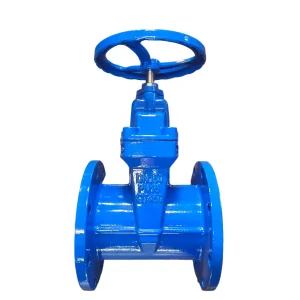
Resilient Seated Flanged Gate Valve (Full-Bore Municipal Isolation)
-
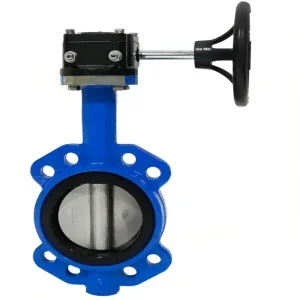
CE Certified Wafer Butterfly Valve (Compact Potable Water Distribution)
-
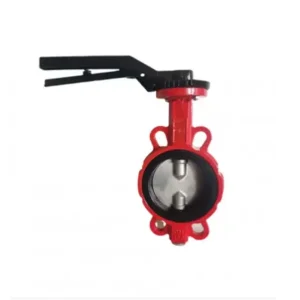
Double Half Shaft Wafer Butterfly Valve (High Flow Capacity Profile)
-
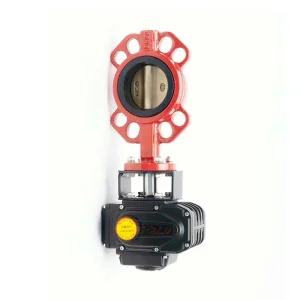
Pneumatic / Electric Actuator Wafer Butterfly Valve (SCADA Automation)
-
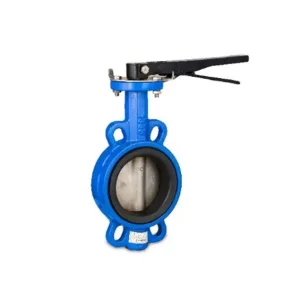
Rubber Lined Pinless Butterfly Valve (Zero Leak Path Heavy Slurry Service)
-
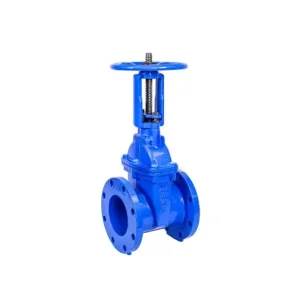
Rising Stem Resilient Seat Gate Valve (Visual Position Water Networks)
Procuring Industrial Valves for an Upcoming Iraqi Project?
Connect directly with our valve application engineering team in Tianjin. Request engineering submittals, 2D/3D CAD models, third-party inspection dossiers, and competitive factory-direct pricing for your project bill of quantities.
