
Primary Severe-Duty Flow Solutions for Greater Toronto Industrial Projects
Pre-engineered flow control platforms for rapid deployment across southern Ontario process streams.
-
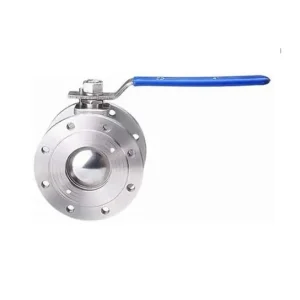
Wholesale Stainless Steel Ultra - Thin Ball Valve with Fire - Safe Design (Toronto Spec)
Explore Valve Specs -
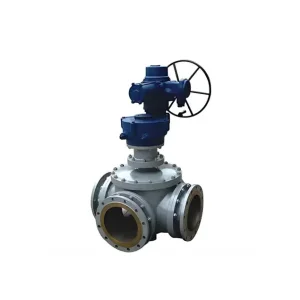
CE Certified Quick-Opening Three-Way Flange Ball Valve for Emergency Fluid Diversion
Explore Valve Specs -
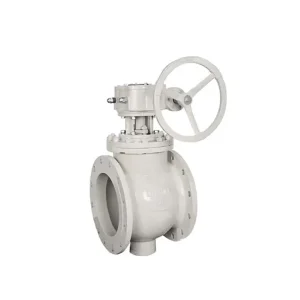
CE Certified High-Pressure Eccentric Plug Valve for Oil & Gas Transmission Lines
Explore Valve Specs -
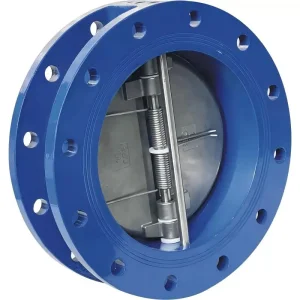
CE Certified Dual Plate Check Valve for Reliable Industrial Backflow Prevention
Explore Valve Specs
Commercial & Industrial Realities: Ball Valve Deployment in Greater Toronto
Analyzing critical process requirements, environmental demands, and engineering standards across the GTA corridor.
The Greater Toronto Area (GTA)—encompassing Peel, Halton, York, and Durham regions—represents Canada's densest concentration of capital-intensive infrastructure, food processing, advanced pharmaceutical synthesis, district energy expansion, and chemical manufacturing. As mechanical engineering specifications in Ontario transition toward decarbonization and operational resilience, the procurement of high-integrity quarter-turn ball valves has evolved beyond standard ASME Class ratings. Engineering firms in downtown Toronto and Mississauga demand stringent fugitive emission mitigation, verified Canadian Registration Numbers (CRN), and severe sub-zero thermal cycling endurance.
Enwave Deep Lake Cooling
Toronto's pioneering district energy network extracts cold water from Lake Ontario, demanding tight shut-off, high-Cv ball and butterfly valves that prevent thermal bridging and withstand condensation without stem seizure.
Pharma & Biotech Processing
Concentrated in Mississauga and Markham, biopharmaceutical facilities necessitate 316L stainless steel ultra-thin wafer ball valves with electropolished internals (<0.4μm Ra) to ensure complete CIP/SIP sterilizability.
Sub-Zero Resilient Operations
Southern Ontario ambient temperatures shift between -30°C in winter and +35°C in summer. Valves specified for exposed pipeline loops require ASTM A352 LCC/LCB cryogenic-capable bodies and specialized energized virgin PTFE seats.
Global Industrial Flow Realities vs. North American Sourcing Challenges
Bridging delivery lead-time deficits and engineering standards via direct factory integration.
The global ball valve industry is navigating an era of consolidation, volatile scrap metal pricing, and stringent fugitive emissions regulation (EPA Method 21 and ISO 15848). Within North America, project owners frequently face extended lead times exceeding 26 to 40 weeks for specialized forged steel and exotic-alloy quarter-turn units. Local regional distributors across Ontario carry limited high-pressure inventories, primarily holding standard commodity bronze or carbon steel threaded valves.
By establishing direct collaboration with a fully vertically integrated manufacturing center, Toronto EPCs and distribution networks eliminate redundant tier markups and achieve customized machining protocols compliant with CSA B51, ASME B16.34, and API 608 specifications.
| Evaluation Parameter | Conventional Tier Distributors (Ontario) | Direct Chinese Foundry & Integrated Plant |
|---|---|---|
| Lead Time (Custom Forgings) | 24 - 36 Weeks (Backlog dependent) | 6 - 9 Weeks (Direct in-house mold & machining) |
| Material Traceability | Secondary distribution certificates; partial MTRs | Full EN 10204 3.1 raw heat batch mill test reports |
| Elastomer / Seating Control | Third-party outsourced seals | In-house compounding (Tianjin Dongfang, est. 1987) |
| Engineering Customization | Restricted to standard catalog trims | Direct CNC modification (Cryogenic extensions, cavity relief) |
| Cost Efficiency Index | Baseline benchmark (Tier 3 markup) | 35% - 45% capital expenditure reduction |
Plan Your Next Pipeline Procurement with Factory Direct Engineering
Request dimensional CAD drawings, CRN compliance packages, and full material test reports.
Supply Chain Resilience: In-House Metallurgy to Precision Testing
Complete control over casting integrity, elastomer vulcanization, and pneumatic automation.
Dual Industrial Foundries
Through our Tianjin Donglian Valve Factory heritage (since 1996), valve bodies undergo controlled metallurgical electric-induction casting, spectrographic chemistry validation, and radiography checks to eliminate internal porosity before machining.
Elastomeric Compounding Since 1987
Valves are only as durable as their resilient boundaries. Operating the dedicated Tianjin Dongfang Rubber facility allows custom formulation of EPDM, Viton, NBR, and compounded PTFE seats tailored for low compression sets under constant Canadian steam or glycol cycles.
Automated Multi-Axis CNC Floor
Precision-milled mirror-finished spherical balls (up to 0.05μm tolerance) minimize operating breakout torque, mitigating actuator sizing requirements and prolonging cycle life in automated emergency shutdown (ESD) applications.
Technology Roadmap: Next-Generation Valve Systems
Aligning valve manufacturing with Industry 4.0 automation, smart sensing, and zero-emission goals.
Smart IoT Diagnostics
Integrating wireless vibration, acoustic emission, and cycle-count sensors directly into valve mounting pads (ISO 5211) to provide predictive seal wear alerts for critical industrial loops.
Low-Emission Stem Sealing
Transitioning all process ball valves to live-loaded Belleville spring packing configurations compliant with ISO 15848 Class AH requirements, ensuring zero greenhouse gas methane leakage.
Hydrogen-Ready Metallurgy
Testing special austenitic stainless and high-nickel alloys under high-pressure hydrogen saturation to prevent hydrogen embrittlement in upcoming clean fuel networks across Ontario.
Integrated Flow Control Portfolio for Industrial Installations
Complete product range supporting commercial district energy, high-rise building services, and heavy manufacturing.
-
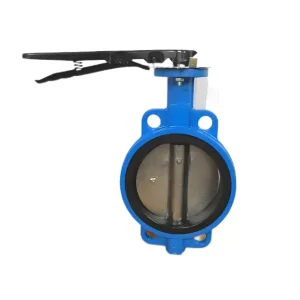
Wholesale Low-Pressure Wafer Type Butterfly Valve for HVAC Air-Handling Systems
View Product Details -
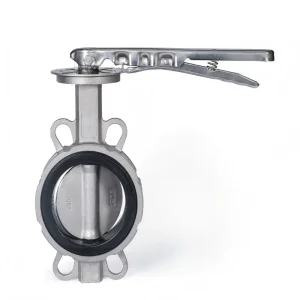
Stainless Steel Butterfly Valve - Corrosion-Resistant Trim for Chemical Lines
View Product Details -
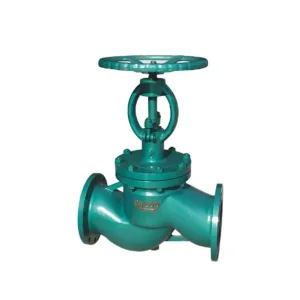
High-Temperature Vacuum Isolation Globe Valve for Thermal Process Networks
View Product Details -
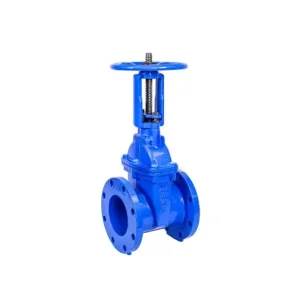
Wholesale Rising Stem Resilient Seat Gate Valve (OS&Y Industrial Standard)
View Product Details -
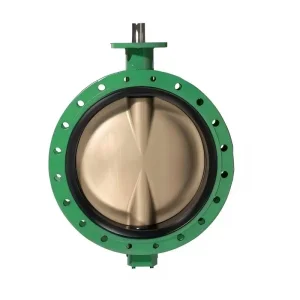
Flanged Resilient Seated Butterfly Valve for High-Volume Potable Water Distribution
View Product Details -
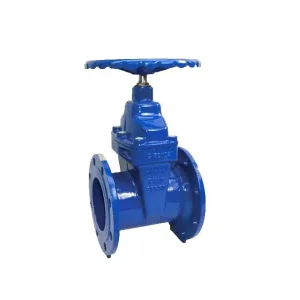
Non-Rising Stem Elastic Seat Gate Valve for Confined Pit & Vault Installations
View Product Details -
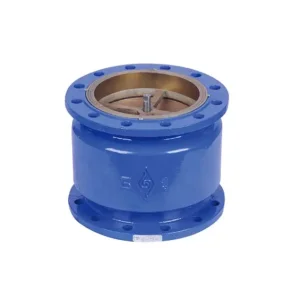
CE Certified Energy-Saving Silencer Check Valve for Anti-Water-Hammer Pumping
View Product Details -
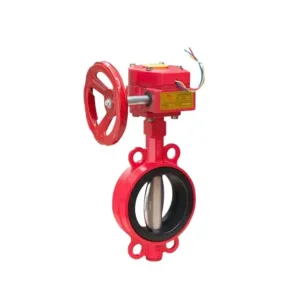
Fire-Fighting Wafer Signal Butterfly Valve for Sprinkler & Standpipe Supervisory
View Product Details
Localized Support & Canadian Compliance Assurance
Ensuring frictionless installation, TSSA audit readiness, and comprehensive project documentation.
Deploying pressure equipment in Ontario requires strict adherence to the Technical Standards and Safety Authority (TSSA) regulations under Ontario Regulation 220/01. Our technical export office prepares comprehensive compliance dossiers designed to fast-track Canadian Registration Number (CRN) provincial endorsements. All calculations align with ASME Boiler and Pressure Vessel Code Section VIII Div 1 and ASME B31.3/B31.1 piping codes.
CRN Technical Dossiers
We provide full finite element analysis (FEA) reports, pressure vessel wall-thickness calculations, and validated chemistry certs required by Ontario engineers for pressure boundary registration.
Dedicated Project Cadence
Bilingual engineering coordination ensures direct communication with Toronto consulting engineers, providing 2D/3D BIM/Revit compatible files and rapid 24-hour drawing turnarounds.
Ocean-to-Door Logistics
Full logistics coordination directly from Tianjin Port to the Port of Montreal or rail terminals in Toronto (Brampton Intermodal), incorporating vacuum-sealed vapor barrier packaging preventing ocean transit oxidation.
Frequently Asked Questions: Industrial Ball Valves for Toronto
Authoritative technical guidance addressing common engineering, procurement, and standards inquiries.
What valve standards are mandatory for GTA district energy systems?
District cooling and heating networks throughout downtown Toronto typically require ASME B16.34 wall thickness criteria, bi-directional bubble-tight shutoff (API 598 or ISO 5208 Rate A), and compliance with CSA B51 regulations. Dual plate checks and resilient metal-seated ball valves are predominantly used to mitigate thermal expansion surges.
How do you ensure zero leakage in freezing Ontario outdoor installations?
For installations exposed to Ontario winter ambients (-30°C), we utilize low-temperature carbon steel (ASTM A352 LCC) or 316 stainless steel bodies, extended stem bonnets that move packing glands away from freezing condensation, and RTFE/PEEK seats backed by live-loaded Belleville washers to maintain consistent compression.
Can you provide factory testing certificates according to EN 10204 3.1?
Yes. Every shipment leaves our factory with complete EN 10204 Type 3.1 inspection certification, including full melt heat numbers, spectrographic chemical breakdowns, Charpy impact test results at low temperatures, and hydrostatic shell/seat test charts verified against API 598 standards.
What is the typical shipping lead time from your factory to the Greater Toronto Area?
Standard sea freight from Tianjin Port to Toronto (via Montreal or Vancouver intermodal rail corridors) takes approximately 24 to 32 days. For project deadlines requiring accelerated delivery, urgent shipments can be dispatched via air freight to Toronto Pearson International Airport (YYZ) within 5 to 7 business days.
