Featured Flow Architectures
Precision Non-Return & Control Valve Engineering
Factory-direct municipal and industrial isolation components produced with in-house casting integrity, elastomer compounding, and 100% shell/seat hydrostatic pressure testing.
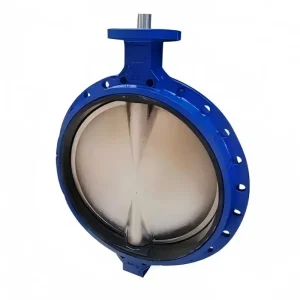
Wholesale Single Flange Butterfly Valve - Durable & Efficient Flow Control
Explore Product Details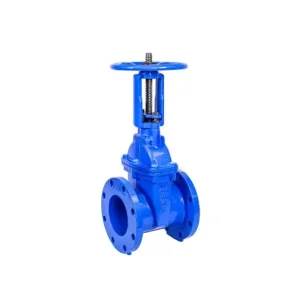
Wholesale Rising Stem Resilient Seat Gate Valve Supplier, Factory
Explore Product Details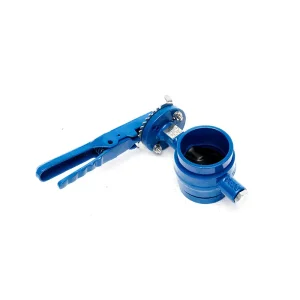
High-Quality Grooved Type Manual Butterfly Valve Suppliers
Explore Product Details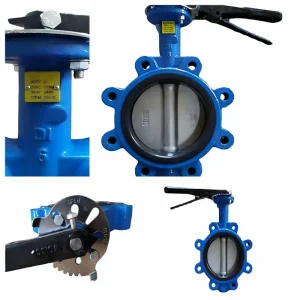
High-Quality WRAS Approved Butterfly Valve Lug Type 4325L
Explore Product Details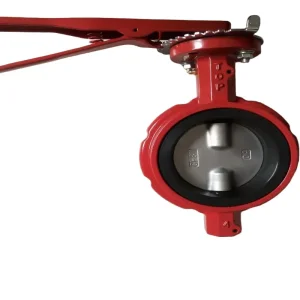
Wholesale Lugless Semi-Shaft Wafer Butterfly Valve - Durable & Reliable
Explore Product Details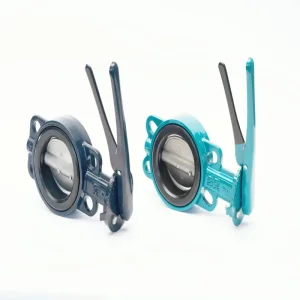
CE Certification Water-Safe Butterfly Valve for Efficient Flow Control
Explore Product Details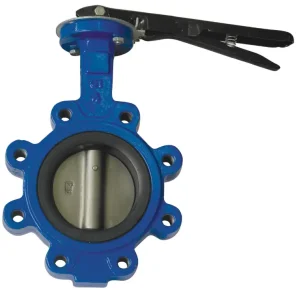
High-Quality Lug Type Manual Operated Butterfly Valve Factory
Explore Product Details
Industrial White Paper Insight
Global Commercial & Fluid Dynamics Status of Micro-Resistance Ball Check Valves
Addressing the persistent operational bottlenecks in municipal wastewater processing, pumping stations, and industrial effluent transport: eliminating ragging, excessive parasitic head losses, and catastrophic water hammer.
Hydraulic Efficiency Paradigm
Standard swing check valves suffer from internal disc obstruction within the flow streamline, generating localized vortex fields, friction losses, and an elevated flow resistance coefficient (zeta). The CE-certified Micro-Resistance Ball Check Valve features an eccentric sinking chamber. Under positive hydraulic pressure, the vulcanized spherical ball is shifted completely clear of the pipe cross-section, ensuring a 100% full bore waterway equivalent to an open pipe conduit.
Anti-Clogging Mechanism
Modern municipal wastewater contains substantial fibrous materials, plastic sheets, sanitary wipes, and suspended grit. Traditional check valve hinges and flappers snag these solids, leading to valve seizure and pump tripping. Ball check valves utilize a rolling trajectory: as the resilient ball rolls back and forth during fluid surge cycles, it wipes clean its elastomer contact seat, achieving dynamic self-cleansing and immune backflow protection.
Compliance with Pressure Equipment Directive
Supplying critical international civil engineering networks demands uncompromising compliance with European Pressure Equipment Directive (PED 2014/68/EU) and EN 12050-4 wastewater safety specifications. Tianjin Top Valve manufactures micro-resistance ball check valves in ductile iron (EN-GJS-450-10 / 500-7) with hydrostatically tested high integrity shells, bubble-tight elastomeric NBR/EPDM seals, and non-stick internal epoxy finishes.
Industry Evolution Roadmap
Technological Trajectory: Modern Non-Return Fluid Engineering
The shift from reactive mechanical flappers to intelligent, low-drag, computational-fluid-dynamics (CFD) optimized non-slam check valve architectures.
Solid Core Elastomer Formulation
Transitioning from lightweight hollow or low-grade phenolic cores to cast aluminum/carbon-steel encapsulated cores with precision compression-molded NBR or EPDM shells. In-house rubber vulcanization guarantees consistent shore hardness and resilient impact resistance against hydraulic hammer recoil.
CFD-Optimized Low Friction Geometry
Streamlined valve body geometry guided by finite element analysis (FEA) minimizes micro-turbulence at the ball docking recess. Eliminating dead flow zones ensures zero localized sedimentation of sand, scale, or thick organic slurries during lower velocity pumping cycles.
Heavy Duty Barrier Protection
Adopting fusion-bonded epoxy (FBE) electrostatic coatings compliant with GSK standards, applied both internally and externally to a dry film thickness exceeding 250 μm. This provides continuous resistance to high concentrations of hydrogen sulfide (H2S), chlorides, and abrasive scouring.
Predictive Acoustical Diagnostics
Integrating IoT vibration and displacement transducers onto the valve inspection bonnet. Pumping station telemetry platforms can detect ball seating velocities, track seat degradation remotely, and avert catastrophic reverse turbine rotation on multi-megawatt wastewater lift pumps.
Global Deployments
Application Scenarios Across Critical Industrial Sectors
Engineered to perform in harsh, non-potable environments where mechanical hinge pins or spring mechanisms regularly fail due to mechanical entanglement.
Municipal Sewage Pumping Stations
Submersible lift stations frequently handle raw sewage saturated with long stringy debris, wet wipes, and fibrous biomass. Standard swing check valves bind at the hinge pin, preventing complete closure and leading to motor burnouts. The micro-resistance ball check valve allows unrestricted pass-through with rapid reverse-gravity seating, maintaining station throughput and lowering unscheduled pump maintenance by over 60%.
Mining Tailings & Mineral Processing
In mineral separation, hydrocyclone feeds, and wet tailings pumping, slurry with high quartz or metallic particulate density erodes metal-seated flappers within weeks. Top Valve's thick vulcanized NBR ball provides sacrificial energy absorption against high-velocity abrasive slurry particles, outlasting conventional check designs in continuous abrasive duty.
Stormwater Retention & Flood Mitigation
High-capacity axial stormwater stations demand valves that open at exceptionally low differential pressure (Cracking pressure < 0.02 bar) to prevent parasitic head loss during heavy deluge events. Micro-resistance ball check valves allow horizontal or vertical vertical up-flow mounting, delivering rapid reaction non-slam protection against surge waves.
Engineering Specification Matrix
Micro-Resistance Ball Check vs. Conventional Check Valve Types
Objective hydrodynamic parameter comparison verified in physical laboratory testing under standard EN 12266-1 and ISO 5208 parameters.
| Evaluation Parameter | Micro-Resistance Ball Check Valve | Dual Plate Wafer Check Valve | Traditional Swing Check Valve |
|---|---|---|---|
| Hydraulic Flow Path | 100% Unobstructed Bore (Full Port) | Central Pin & Dual Discs in Flow Core | Oblique Flapper Suspended in Streamline |
| Fibrous & Ragging Resistance | Immune (No Pin, Shaft, or Spring) | Severe (High Risk on Central Shaft) | Moderate to High (Hinge Pin Entanglement) |
| Loss Coefficient (Zeta / K-factor) | 0.8 - 1.2 (Ultra Low) | 2.2 - 3.5 (Moderate) | 1.8 - 2.8 (Moderate) |
| Maintenance & Inspection | Top-Entry Cover (No Line Removal) | Requires Full Pipeline Disassembly | Top Access (Heavy Mechanical Parts) |
| Mounting Orientations | Horizontal & Vertical (Flow Upwards) | Horizontal & Vertical | Horizontal Primary (Limited Vertical) |
| Dynamic Water Hammer Dampening | Soft Elastomeric Seat Cushioning | Spring Assisted Fast Closure | High Slam Tendency Unless Counterweighted |
| Nominal Diameter Range | DN50 – DN600 (Flanged EN 1092-2) | DN40 – DN1200 (Wafer Style) | DN50 – DN1000 (Flanged) |
Manufacturing Integrity & Traceability
Vertical Integration: From Foundry to Finished Valve
Quality assurance depends directly on raw casting metallurgy and compound formulation. Tianjin Top Valve controls the full value chain under one quality system.
In-House Elastomer Compounding
Rooted in Tianjin Dongfang Rubber Factory established in 1987, our internal rubber division formulates proprietary EPDM and NBR elastomer compounds. Controlling polymer molecular weight, filler purity, and vulcanization cure rates ensures balls maintain dimensional sphericity and elasticity under decades of sewage immersion.
Independent Ferrous Foundry
Through Tianjin Donglian Valve Factory (operating since 1996), ductile iron castings (EN-GJS-450-10) are poured using automated molding lines with spectrographic chemical batch verification. This eliminates sand holes, micro-porosity, and wall-thinning defects before CNC precision milling operations.
Stringent 100% Hydrostatic Testing
Every manufactured unit is clamped to automated test benches. High-pressure testing verifies shell strength at 1.5 times nominal pressure (PN16 rated to 24 bar) and seat tightness at 1.1 times nominal rating under water and low-pressure air, guaranteeing absolute bubble-tight compliance before export dispatch.
Technical & Procurement FAQ
Frequently Asked Engineering Questions
Straightforward engineering explanations covering ball check valve design, application boundaries, certifications, and operational reliability.
Why choose a Micro-Resistance Ball Check Valve over a conventional swing check valve in wastewater?
Conventional swing check valves contain internal hinge pins, swing arms, and discs directly in the fluid stream. These catch wipes, rags, and fibrous waste, causing clogs and failure to close. The micro-resistance ball check valve pushes the vulcanized ball completely into a side recess during forward flow, creating an unobstructed full-bore passage with practically zero tendency to collect rags and significantly lower head losses.
What CE certifications and European standards apply to these check valves?
Our valves comply with the EU Pressure Equipment Directive (PED 2014/68/EU Module H / CE mark) and adhere strictly to EN 12050-4 (non-return valves for lifting plants for wastewater containing faecal matter). Flange dimensions conform to EN 1092-2 PN10/PN16, and face-to-face dimensions follow EN 558 series 48 (DIN 3202-F6).
What are the recommended installation orientations?
Micro-resistance ball check valves can be mounted in horizontal pipelines (with the inspection bonnet facing upward or angled according to manufacturer guide) and vertical pipelines where flow travels upward. Vertical down-flow configurations cannot be used, as the ball requires gravity or positive differential backpressure to return and seal against the valve seat.
How does in-house rubber compounding improve valve service life?
Since our group operates Tianjin Dongfang Rubber Factory (founded in 1987), we compound, mold, and vulcanize our elastomer balls in-house. This gives us tight control over core metal adhesion, shore hardness, dynamic elasticity, and chemical resistance to sewage gasses and industrial solvents, avoiding premature swelling, delamination, or hardening.
Can the valve ball be inspected or replaced without taking the valve off the line?
Yes. The top-entry design allows maintenance teams to isolate the line, unbolt the top bonnet cover, and withdraw or replace the rubber-lined ball and clean out any settled debris without disconnecting the main valve body flanges from the pipeline.
What pressure rating and sizing are standardly supplied?
We regularly produce micro-resistance ball check valves from DN50 (2") up to DN600 (24") with PN10 and PN16 pressure ratings. Higher pressure classes (Class 150) and alternative body drillings (ANSI, BS10, AS2129) are manufactured upon engineering request.
Complete Pipeline Solutions
Complementary Industrial Isolation & Non-Return Portfolio
Complement your check valve systems with certified butterfly, gate, and dual-plate non-return configurations built to strict international standards.
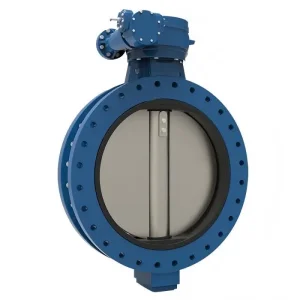
CE Certification Flanged Butterfly Valve - Durable Flow Control
Explore Product Details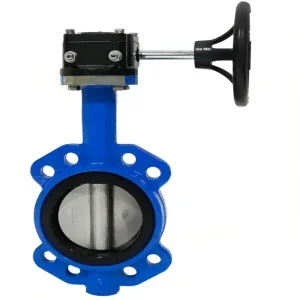
CE Certification Wafer Butterfly Valve, Water Usage Valve
Explore Product Details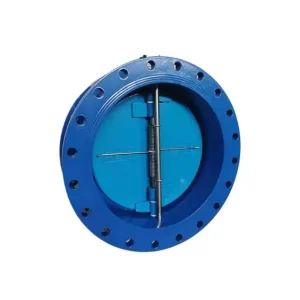
Wholesale Dual Plate Flange Type Check Valve Factories, Factory
Explore Product Details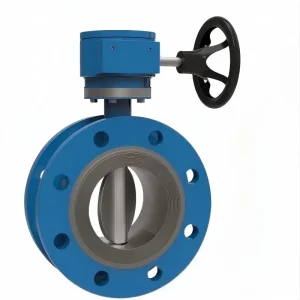
High-Quality Flange Type Butterfly Valve - Durable Flow Control
Explore Product Details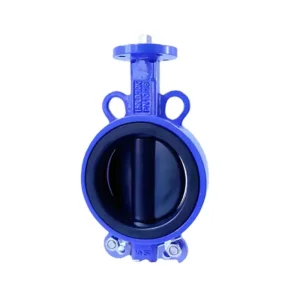
Wholesale Halar Lined Pinless Butterfly Valve Supplier, Manufacturer
Explore Product Details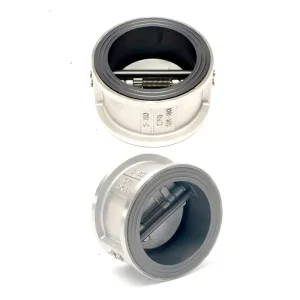
CE Certification Compact Wafer Lift Check Valve with Low Pressure Drop
Explore Product Details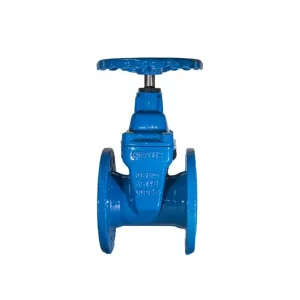
Wholesale Anti-Abrasion Elastic Seat Gate Valve with Reinforced Seat
Explore Product Details