
High-Spec Marine Butterfly Valves for Bulgaria Projects
Direct manufacturer supply optimized for Bulgarian dry docks, refit yards in Varna and Burgas, and severe saline ballast piping networks.
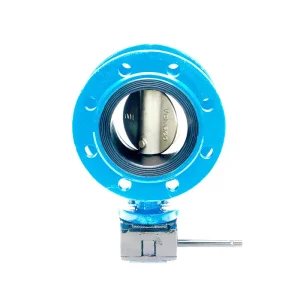
Marine Flange Type Manual Operated Butterfly Valve (Bulgaria Black Sea Refit Standard)
View Engineering Specs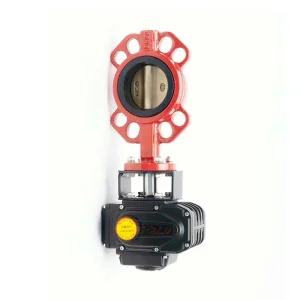
Actuator Automated Wafer Butterfly Valve for Marine & Industrial Flow Control (Burgas Port)
View Engineering Specs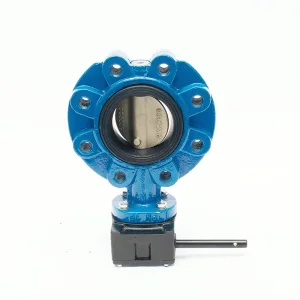
Marine Centric Lug Type Butterfly Valve (Danube-Black Sea Inland Fleet Specification)
View Engineering Specs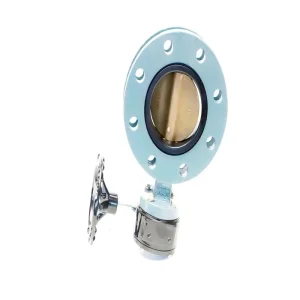
High Pressure Metal Hard Seal Butterfly Valve (CE/ISO/DIN Compliant for Thermal Systems)
View Engineering SpecsThe Operational Dynamics of Marine Flow Control in Bulgaria
Analyzing operating environments across Varna, Burgas, and Ruse: How Black Sea salinity, fresh-to-brackish Danube waterways, and regional chemical handling redefine valve procurement.
Bulgaria’s strategic position on the western shore of the Black Sea and along the lower corridor of the Danube River creates a unique maritime and industrial operating theater. From the heavy ship repair hubs of Varna West and Odessos Shiprepair Yard to the complex petrochemical offloading at the Port of Burgas and the Lukoil Neftohim oil terminal at Rosenets, valve components are exposed to rigorous mechanical and chemical stressors. For engineering procurement directors and marine surveyors operating within the Republic of Bulgaria, selecting an industrial-grade marine butterfly valve demands a granular understanding of localized hydrodynamic characteristics, EU regulatory compliance (PED 2014/68/EU), and metallurgical resistance profiles against localized brackish-water corrosion.
Black Sea Brackish Salinity
With an average surface salinity of 17–18 PSU (roughly half that of open ocean systems), the Black Sea exhibits distinct stratification and anaerobic, hydrogen-sulfide-rich deep waters. Valves installed on ballast sea-chests and intake strainers require targeted nickel-aluminum bronze or duplex stainless trims to counter localized de-alloying and microbiologically influenced corrosion (MIC).
Danube Inland Navigational Strain
Vessels traversing the Danube corridor via Ruse, Lom, and Vidin experience frequent transfers between high-silt river environments and coastal waters. Valves must resist silt-particle erosion across disc sealing edges while operating reliably under high cycle counts without tearing the vulcanized elastomer seat.
Dry Dock Speed & Interchangeability
Ship repair turnaround intervals at Bulyard Shipbuilding Industry and MTG Dolphin allow zero tolerance for dimensional deviations. Marine butterfly valves must comply strictly with ISO 5752, EN 558 series 20, and DIN EN 1092-2 flange dimensions to enable seamless drop-in replacement during critical docking windows.
Technical Demands: Cavitation Resistance and Seawater Metallurgy
In ballast water management systems (BWMS) and main engine seawater cooling lines, fluid velocities frequently exceed 3.5 m/s during de-ballasting procedures. Standard cast iron valves deployed in these circuits suffer rapid impingement attack and cavitation pitting around the disc profile. For vessels dry-docking in Bulgaria, we engineer marine butterfly valves utilizing body castings of Ductile Iron GGG40.3 / EN-GJS-400-18-LT (impact-tested for low-temperature operating environments) and disc assemblies machined from Nickel Aluminum Bronze (CuAl10Fe5Ni5 / C95800).
Nickel aluminum bronze forms an adherent, self-healing cuprous oxide/aluminum oxide film that provides superior resistance to turbulent coastal seawater and Black Sea micro-particulates. When handling corrosive auxiliary services—such as scrubbing effluents, chemical cleaning dosing, or localized bilge drainage—our manufacturing lines execute high-precision CNC machining for 254 SMO, Duplex 2205, or complete virgin PTFE linings, mitigating the threat of crevice corrosion underneath valve seat retention lips.
Tianjin Top Valve's Vertically Integrated Manufacturing Advantage
Unlike commercial valve aggregators and trading intermediaries who outsource components across fragmented subcontractor workshops, Tianjin Top Automation Equipment Co., Ltd. controls the complete production chain. Backed by the historical foundations of Tianjin Dongfang Rubber Factory (operating since 1987) and Tianjin Donglian Valve Factory (foundry pouring since 1996), our integrated 23,000 m² campus delivers distinct advantages to the European engineering supply chain:
- Proprietary Elastomer Compounding: The primary failure point in marine butterfly valves is seat deformation, swelling, or debonding under hydrostatic shear. We formulate, knead, and vulcanize our EPDM, NBR, FKM, and Viton liners in-house. Our marine-grade NBR compound provides exceptional resistance to residual hydrocarbons encountered in bilge and oily water separators, while our drinking-water EPDM meets stringent WRAS-equivalent hygienic testing.
- Integrated Metallurgical Foundry: Operating our own melt furnaces ensures rigorous spectroscopic verification prior to pouring. Carbon, silicon, manganese, copper, and nickel ratios are tightly governed, completely preventing subsurface slag inclusions and porosity that compromise valve pressure retention under Lloyd's Register, DNV, or Bureau Veritas inspection protocols.
- In-Line Multi-Axis CNC Finishing: Disc edge profiles receive spherical radius micro-finishing down to Ra 0.4 µm. This reduces seating friction by 35%, lowers actuator sizing requirements, and prevents micro-tearing of the vulcanized boot during thousands of operational cycles.
- Comprehensive Pressure Testing: Every single unit undergoes dual-direction shell testing at 1.5× PN and resilient seat bubble-tight leak testing at 1.1× PN in full accordance with ISO 5208 Rate A. Traceable test reports are issued alongside EN 10204 3.1 material certificates for every production batch dispatched to Bulgaria.
Comprehensive Technical Specification Matrix
This baseline engineering matrix guides project managers and technical directors at Bulgarian shipyards, marine engineering firms, and utility facilities in specifying correct valve trims for procurement:
| Parameter / Component | Marine Standard Class A | High-Corrosion / Chem Scrubbing | River-Sea Cargo Barges |
|---|---|---|---|
| Nominal Diameters | DN40 – DN1200 (1.5" to 48") | DN50 – DN600 (2" to 24") | DN50 – DN800 (2" to 32") |
| Pressure Rating | PN10 / PN16 / Class 150 | PN16 / PN25 | PN10 / PN16 |
| Body Metallurgy | Ductile Iron EN-GJS-400-18-LT | CF8M (316 SS) or Super Duplex | Cast Iron GG25 / Ductile GGG40 |
| Disc Substrate | Nickel Aluminum Bronze (C95800) | Hastelloy C276 / PTFE-Coated | Stainless Steel 316 / Al-Bronze |
| Resilient Seat Liner | Seawater-Resistant Vulcanized NBR/EPDM | Modified PTFE / High-Temp FKM | High-Elasticity EPDM |
| Shaft / Stem Material | SS416 / SS431 / 17-4PH Monel | Duplex 2205 / Titanium Gr. 2 | Stainless Steel 304 / 316 |
| Applicable Bulgarian Standards | BDS EN 593, BDS EN 1092-2, PED | BDS EN 593, EN 12266-1, CE Mark | BDS EN 593, ISO 5752 series 20 |
| Actuation Interfaces | ISO 5211 Direct Mounting Flange | ISO 5211 + Fail-Safe Pneumatic | Lever / Worm Gear / Hydraulic |
Localized Application Archetypes Across Bulgaria's Industry
Understanding where and how marine butterfly valves perform across Bulgarian infrastructure highlights the necessity for specialized structural trims:
1. Ballast Water Treatment Systems (BWMS Retrofits): International Maritime Organization (IMO) conventions and EU marine directives have mandated strict ballast water filtration and treatment protocols for all commercial tonnage operating in the Black Sea. Whether utilizing electro-chlorination, UV irradiation, or chemical dosing, BWMS networks demand compact wafer or lug butterfly valves that guarantee zero internal leakage under alternating vacuum and positive pressure conditions. Our pinless stem design eliminates potential leakage paths along the drive shaft, maximizing sealing reliability in confined engine room retrofits.
2. Offshore Support & Maritime Terminal Offloading: The maritime terminals at Burgas, handling crude oil, refined distillates, and bulk liquid chemicals, deploy our high-performance fire-safe and resilient-seated lug butterfly valves. Featuring dead-end service capability, these units permit downstream piping disassembly without depressurizing the upstream storage vessel or header line—critical for maintaining uninterrupted transfer cycles.
3. Municipal Cooling Water & Danube Intake Plants: Major thermal generation units and municipal heavy industrial sites along the Danube River (such as coastal pumping stations near Kozloduy or power cooling systems in the Maritsa river basin) require large-diameter (DN600–DN1600) double-flanged butterfly valves. Here, flow turbulence and vortex shedding can induce shaft flutter. Our valves incorporate heavy-duty dual-shaft sleeve bearings composed of PTFE-lined sintered bronze with self-lubricating characteristics, preventing stem binding and reducing operating torque by over 30%.
Direct Engineering Support for Bulgarian Procurement Inquiries
Collaborate with our factory engineering team in Tianjin to receive complete CAD 2D/3D step files, EN 10204 inspection documents, and factory-direct pricing tailored for Bulgaria's maritime and industrial sectors.
Send Inquiry NowComprehensive Heavy-Duty Marine & Pipeline Valve Portfolio
Factory-direct industrial valves engineered to ISO 9001, CE, and European pipeline standards. Seamless integration for Bulgarian utilities, shipboard lines, and water treatment works.
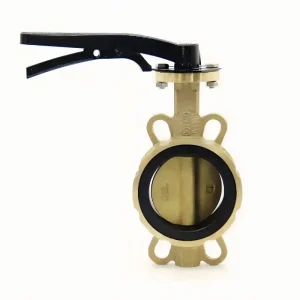
Aluminum Bronze Marine Butterfly Valve (Corrosion-Resistant C95800 Disc for Black Sea Ballast)
View Engineering Specs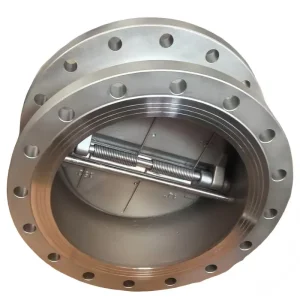
CE Certified Compact Low-Pressure Drop Wafer Lift Check Valve (Pump Anti-Backflow Service)
View Engineering Specs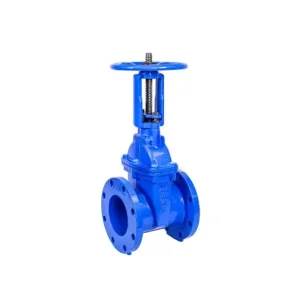
Rising Stem OS&Y Resilient Seat Gate Valve (DIN Standards for Bulgarian Municipal & Fire Lines)
View Engineering Specs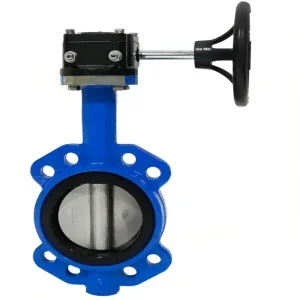
CE Certified Resilient Wafer Butterfly Valve (Potable & Cooling Water Systems Bulgaria)
View Engineering Specs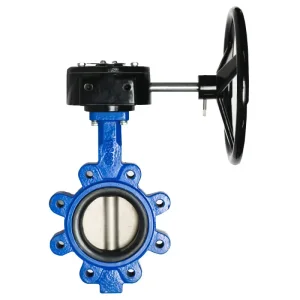
Industrial Lug Type Butterfly Valve (Threaded Lug Terminating Service for Marine Risers)
View Engineering Specs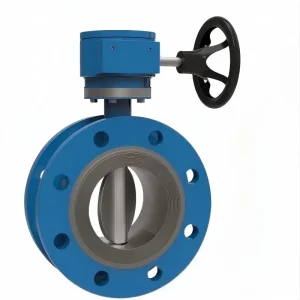
Double Flanged Marine Butterfly Valve (Heavy-Duty Ductile Iron for Shipyard Piping Networks)
View Engineering Specs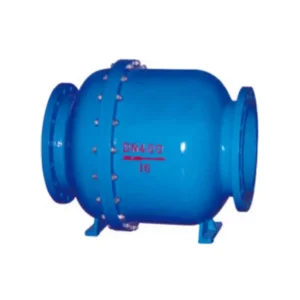
Micro-Resistance Ball Check Valve (Wastewater & Slurry Marine Discharge CE Compliance)
View Engineering Specs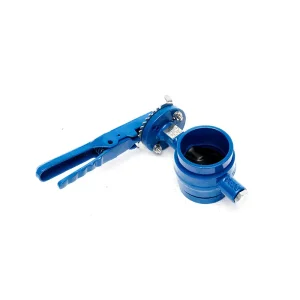
Grooved End Manual Butterfly Valve (Fast-Clamp Installation for Shipboard Fire Protection)
View Engineering SpecsStringent Quality Protocols for Marine Surveyors and EU Inspectors
Navigating the exact testing protocols, metallurgical verification standards, and traceability systems deployed from our Tianjin foundry to Bulgarian discharge ports.
European and International Compliance Architecture
In Bulgarian marine engineering and industrial EPC procurement, adherence to European Union directives is legally binding. Every industrial marine valve supplied to projects within the territory of Bulgaria conforms fully to the Pressure Equipment Directive (PED) 2014/68/EU Module H, ensuring that pressure containment envelopes, wall thicknesses, and bolting configurations withstand peak operational overpressures.
Furthermore, our flanged, wafer, and lug assemblies align rigorously with BDS EN 593 (the Bulgarian national transposition of European standard EN 593 for metallic butterfly valves). Flange bolting circles correspond accurately to BDS EN 1092-1 (Steel) and BDS EN 1092-2 (Ductile and Cast Iron) in PN6, PN10, PN16, and PN25 pressure classes, as well as ASME B16.5 Class 150 configurations for vessels built under American Bureau of Shipping (ABS) rules.
Critical Root-Cause Failure Prevention in Marine Butterfly Valves
Through our three decades of supplying global marine operations, we have engineered out the common operational failures that plague commercial marine valves during dry dock operations:
- Elastomer Boot Creep and Seat Pinching: Conventional liners fitted mechanically over body ribs can shift under high dynamic head pressure, causing severe pinching when the disc closes. We eliminate this by utilizing an advanced bonding vulcanization process where the rubber seat is directly chemically vulcanized onto a rigid phenolic or metallic backing ring, guaranteeing zero displacement even under full reverse vacuum during pump priming.
- Stem Pinhole Infiltration & Galvanic Binding: Direct contact between seawater media and drive shaft alloys often generates galvanic corrosion cells inside the stem journal. Our valves deploy an isolated, fully sealed shaft design featuring primary O-ring elastomeric seals, secondary stem barrier gaskets, and non-wetted carbon-filled PTFE bushings. Medium never contacts the structural shaft alloy, maintaining smooth breakaway torque across years of continuous deployment.
- Disc-to-Stem Pin Failure: Through-pin configurations pierce the disc sealing profile, providing potential leakage pathways and creating stress concentration points that shear during hydraulic water-hammer events. Our advanced concentric and eccentric marine valves feature internal splined drives or heavy-duty hex-drive pinless connections, preserving disc face integrity and uniform 360-degree sealing pressure.
Engineering & Procurement FAQ for the Bulgarian Market
Clear, authoritative answers addressing import tariffs, shipping logistics to Varna/Burgas, class certifications, and material selections.
What documentation accompanies marine butterfly valves shipped to Bulgarian shipyards?
Every commercial dispatch includes complete EN 10204 3.1 inspection certification indicating heat-batch chemical spectrometry and tensile test results. In addition, valves are supplied with hydrostatic test certificates (shell at 1.5× PN, seat at 1.1× PN), CE Declarations of Conformity under PED 2014/68/EU, and dimensional verification data. Third-party survey stamps from classification societies (such as DNV, BV, RINA, or Lloyd's Register) can be arranged prior to dispatch from our Tianjin facility upon project requisition.
How do you handle shipping logistics to the ports of Varna and Burgas?
Our manufacturing complex in the Wuxia Industrial Park, Dongli District, sits directly adjacent to Tianjin Port—one of China’s premier container and heavy freight export terminals. We regularly arrange direct sea freight shipments via major container lines discharging directly at Varna Container Terminal (Varna West) or Port of Burgas. Typical ocean transit time ranges between 28 and 35 days. For emergency dry-dock repairs at Odessos or Bulyard, urgent small-batch valves or actuator components can be air-freighted directly to Sofia Airport (SOF) or Varna Airport (VAR).
Why is Aluminum Bronze (C95800) preferred over standard Stainless Steel 316 for Black Sea ballast duty?
While 316 stainless steel performs adequately in fresh water, it is susceptible to severe pitting and crevice corrosion under stagnant, de-aerated marine conditions (such as inside closed ballast tanks or behind valve seat retainers). Aluminum Bronze C95800 contains copper, aluminum, iron, and nickel, creating a tough protective surface oxide that rapidly re-passivates if scratched. It also offers inherent bio-fouling resistance, preventing barnacle and mussel adhesion that compromises seat sealing surfaces in coastal Bulgarian waters.
Can your butterfly valves accommodate pneumatic or electric actuators from European brands like Festo, Rotork, or Auma?
Yes. All of our marine butterfly valves are manufactured with standardized actuator mounting flanges complying directly with ISO 5211 (from F05 up to F30 dimensions, with square or double-D stem drives according to DIN 3337). This ensures complete interchangeability with standard European pneumatic, electric, or electro-hydraulic quarter-turn actuators, allowing shipowners to retrofit actuators locally in Bulgaria without specialized adaptation brackets.
What is the advantage of in-house rubber compounding for marine butterfly valves?
Most valve factories buy vulcanized seats from third-party rubber suppliers who dilute polymer content with inexpensive fillers, leading to premature brittleness, swelling, and loss of elastic memory when exposed to seawater and oily contaminants. Since Tianjin Top Valve owns and operates Tianjin Dongfang Rubber Factory (founded in 1987), we compound our own virgin elastomers with precise anti-aging, anti-ozone, and vulcanization additives. This ensures consistent Shore A hardness, superior rebound resilience, and extended seal life over tens of thousands of cycles.
How does your factory protect valves against transit damage during container shipments to Europe?
Valves are thoroughly dried following hydrostatic testing and treated with anti-corrosion barrier coatings on unpainted machined surfaces. Each valve is individually vacuum-sealed in protective heavy-gauge bubble casing to prevent disc-edge contact or seat scuffing. Products are then packed in fumigated, solid-timber export-grade plywood crates equipped with desiccant packs, internal bracing, and moisture barrier liners, ensuring they arrive at Varna or Burgas shipyards in flawless condition.
Request a Direct Factory Quote for Bulgaria Projects
Whether you are engineering a newbuild river barge on the Danube, planning a complex tanker refit in Varna, or upgrading seawater intakes in Burgas, our engineering sales team delivers technical datasheets, CAD models, and binding quotations within 24 hours.
