
Precision Butterfly & Industrial Valve Portfolio (Part I)
Explore our precision-machined quarter-turn valves and pipeline flow control devices, optimized for motorized electric actuation, extreme cycle durability, and zero-leakage shutoff.
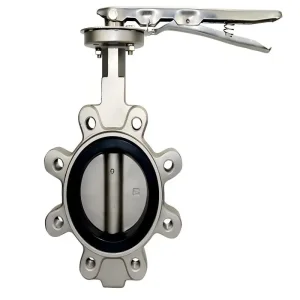
High-Quality LUG Stainless Steel Butterfly Valve
View Product Specs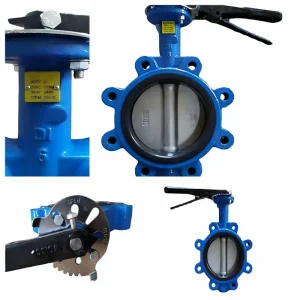
High-Quality WRAS Approved Butterfly Valve Lug Type 4325L
View Product Specs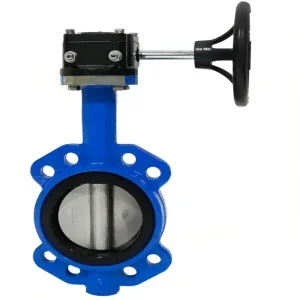
CE Certification Wafer Butterfly Valve, Water Usage
View Product Specs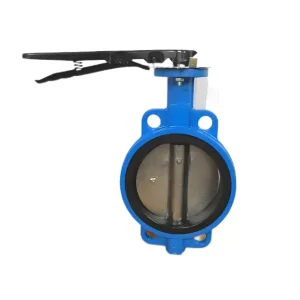
Wholesale Low - Pressure Wafer Type Butterfly Valve
View Product Specs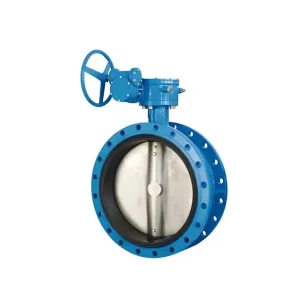
Wholesale Low - Torque Flange Type Butterfly Valve
View Product Specs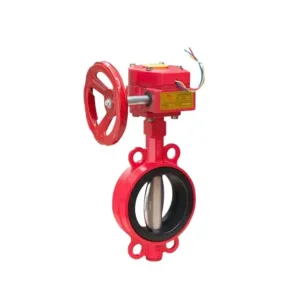
Wholesale Fire-Fighting Wafer Signal Butterfly Valve
View Product Specs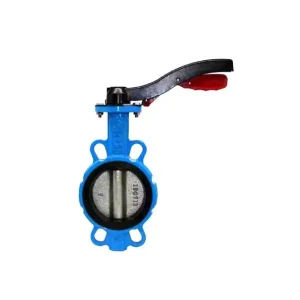
CE Certification Duplex Type Pinless Butterfly Valve
View Product Specs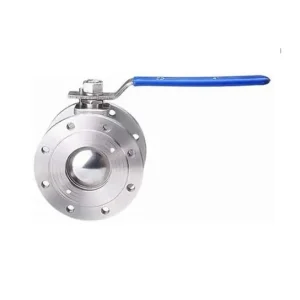
Wholesale Stainless Steel Ultra-Thin Ball Valve (Fire-Safe)
View Product SpecsEngineering Architecture: The Anatomy of High-Performance Electric Butterfly Valves
In modern fluid automation, an electrical butterfly valve is not merely a mechanical isolation valve retrofitted with a motor; it is a finely balanced cyber-physical flow regulating assembly engineered for dynamic torque compensation, zero mechanical hysterics, and seamless SCADA/DCS integration.
Optimized Dynamic Torque Curves
Traditional concentric butterfly valves exhibit peak break-away torque at initial seat detachment. Our in-house foundry and CAD aerodynamic disc profiling reduce breakout torque by up to 28%, significantly extending electric actuator gear-train life and eliminating motor thermal overload trips during frequent cycling.
Elastomer Resiliency & Seat Longevity
Operated through our sister entity, Tianjin Dongfang Rubber Factory (founded in 1987), proprietary EPDM, NBR, and Viton formulations provide superior elastic recovery, minimal compression set, and resistance to chloramine degradation in drinking water and chilled water networks.
ISO 5211 Direct Actuator Mounting
Standardized ISO 5211 direct-mount top flanges eliminate bracket flexure, stem backlash, and angular misalignment. High-precision CNC broached square and double-D stem ends ensure continuous mechanical integrity between motorized quarter-turn actuators and valve shafts.
Why Global EPCs Rely on Our China Factory Ecosystem
In an era of global supply chain volatility, true engineering reliability stems from total physical control over raw materials, metallurgy, rubber formulation, and CNC machining within a unified 23,000 m² industrial footprint.
In-House Casting Foundry
Unlike assembly-only vendors, our on-site foundry casts ductile iron (QT450-10 / GGG40), WCB carbon steel, CF8M, and nickel aluminum bronze (C95800). Complete optical spectrometry controls heat-by-heat chemical purity before metal reaches the molds.
Proprietary Elastomer Curing
The seat is the mechanical heart of an electrical butterfly valve. Compounding our own food-grade EPDM and low-friction PTFE ensures tight dimensional tolerances, eliminating seat tearing, excessive torque rise, and premature elastomeric degradation under high cycle rates.
CNC Multi-Axis Machining
Equipped with high-precision CNC machining centers, disc spherical sealing edges and stem drive broaches are machined to micro-inch surface finishes (Ra ≤ 0.4 μm). This mirror finish lowers seal friction, resulting in smaller required electric actuator frame sizes.
Tianjin Port Freight Proximity
Situated in Dongli District, Tianjin, our manufacturing campus offers rapid multi-modal access to Tianjin Port—Northern China's largest maritime shipping gateway. Expedited container stuffing ensures dependable transit times to European, Middle Eastern, and American terminals.
Localized Regulatory Compliance & Engineering Standards
International plant design demands rigorous compliance with regional environmental, structural, and electrical codes. Our valve and electric actuator assemblies meet the stringent specifications established by major municipal and petrochemical regulatory authorities.
| Regulatory Standard | Geographic Jurisdiction | Core Engineering Scope | Tianjin Top Valve Implementation Status |
|---|---|---|---|
| WRAS BS 6920 | United Kingdom & Commonwealth | Non-metallic material contact with drinking water; cytotoxicity & microbial growth prevention. | WRAS Approved Models (4020L, 4325L) |
| CE / PED 2014/68/EU | European Union & EEA | Pressure Equipment Directive Module H compliance; pressure shell stress analysis & hydrostatic proof. | Full CE Conformity Certified |
| EN 1092-2 / ASME B16.5 | International / North America | Flange drilling bolt circles, face-to-face dimensions (ISO 5752 series 20 / EN 558-1 series 20). | Multi-Standard Drill Patterns PN10/16, Cl. 150 |
| ISO 5211 / NAMUR | Global Automation Standard | Top-flange actuator mounting pad geometry and standardized switchbox/solenoid interface dimensions. | F05, F07, F10, F12, F14 Direct Mount Standard |
| ATEX / IECEx | Hazardous Industrial Zones | Electric actuator explosion-proofing for Zone 1 / Zone 2 gas atmospheres (Ex d IIB/IIC T4 Gb). | Explosion-Proof Actuation Packages Available |
| ISO 9001 / 14001 / 45001 | International ISO Quality | Integrated quality assurance, carbon footprint reduction, occupational health and process control. | Tri-Certified Quality & EHS System |
Procurement Profiles: Where Electrical Butterfly Valves Excel
From intelligent chilled water balancing in district cooling networks to harsh seawater intake manifolds in SWRO desalination facilities, explore tailored metallurgy, disc profiling, and electrical actuation specifications.
Municipal Water & Desalination (SWRO)
Operational Challenges: Severe chloride pitting, bio-fouling, and cavitation under continuous high pressures.
Engineered Valve Configuration: High-performance ductile iron body coated with fusion bonded epoxy (FBE ≥ 250 μm), nickel aluminum bronze (C95800) disc, pinless duplex stainless steel stem, food-grade EPDM liner, IP68 submerged electric quarter-turn actuator.
HVAC & District Cooling Centers
Operational Challenges: Continuous modulation, differential pressure cycling, building management system (BMS) integration.
Engineered Valve Configuration: Wafer or Lugged body with vulcanized low-compression EPDM seat, mirror-polished 304/316 stainless disc. Paired with 4-20mA / 0-10V proportional electric actuators equipped with BACnet or Modbus RTU communication.
Fire Protection Sprinkler Systems
Operational Challenges: Strict emergency response compliance, supervised tamper-proof feedback switches.
Engineered Valve Configuration: Grooved-end and wafer fire-signal butterfly valves compliant with UL/FM requirements. Features internal supervisory micro-switches providing instant closed/open electrical status to central fire alarm control panels.
Chemical Processing & Corrosive Media
Operational Challenges: Concentrated acids, strong caustics, and aggressive industrial effluents.
Engineered Valve Configuration: Fully PTFE-lined cast ductile iron / WCB body with encapsulated PTFE or PFA stainless disc. Inert fluoropolymer sealing isolates metallic valve components completely from corrosive line fluids, operated by anti-corrosive powder-coated electric actuators.
Industrial Wastewater & Slurry Transport
Operational Challenges: Severe entrained solids erosion, scale build-up, and mechanical abrasive wear.
Engineered Valve Configuration: High-hardness wear-resistant ceramic disc or solid duplex alloy trim with vulcanized abrasion-resistant natural rubber or reinforced polyurethane seating. High-torque electric actuators ensure guaranteed closure through suspended solids.
Marine Ballast & Offshore Utility Systems
Operational Challenges: Space constraints, saline sea mist corrosion, structural mechanical vibration.
Engineered Valve Configuration: Compact wafer and lugged marine butterfly valves cast in nickel-aluminum bronze (NAB) or ductile iron with aluminum bronze discs. Marine-certified electric actuators with IP67/68 enclosures and manual handwheel overrides for failsafe operation.
Technology Roadmap: Intelligent Electric Butterfly Valves in Industry 4.0
The paradigm of plant engineering is shifting from passive on/off actuation to continuous predictive health diagnostics, self-calibrating digital positioners, and ultra-efficient low-power motor technologies.
Edge Diagnostic Actuators & IoT Sensing
Next-gen electric actuators integrate solid-state hall-effect encoders and continuous torque monitoring chips. By recording torque signatures across each quarter-turn stroke, cloud-connected DCS systems predict elastomeric seat hardening, scale crystallization, or pipeline sediment buildup long before a valve stalls.
Fieldbus & Digital Industrial Bus Protocols
Eliminating bulky multi-core analog wiring harnesses, modern automated plants adopt two-wire digital fieldbus architectures. Our intelligent electric actuator packages natively support Modbus RTU, Profibus-DP, Foundation Fieldbus, and HART communication, allowing remote parameter configuration and travel curve programming.
Brushless DC & Supercapacitor Failsafe Units
Transitioning from AC induction motors to Brushless DC (BLDC) motors drastically reduces operational heat dissipation and power consumption while enabling variable-speed throttling. Integrated supercapacitor reserve modules provide instantaneous power to drive valves to a safe closed or open state during catastrophic grid power failures.
Specialized Quarter-Turn, Globe & Check Valves (Part II)
Explore our complementary engineered flow control series—including WRAS potable models, PTFE chemical-duty valves, grooved-type valves, and severe-service globe and non-return check valves.
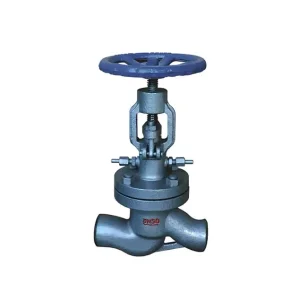
High-Quality Water Seal Globe Valve (Quick-Closing)
View Product Specs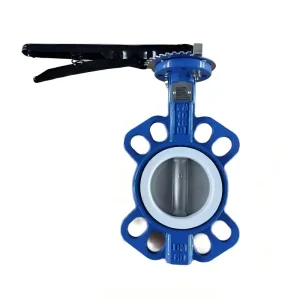
Wholesale PTFE Lined Cast Body Butterfly Valve
View Product Specs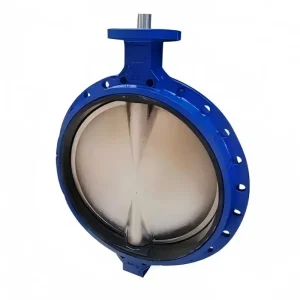
Wholesale Single Flange Butterfly Valve (Flow Control)
View Product Specs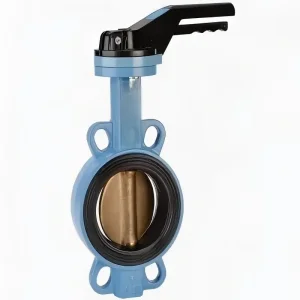
CE Certification Bronze Disc Wafer Butterfly Valve
View Product Specs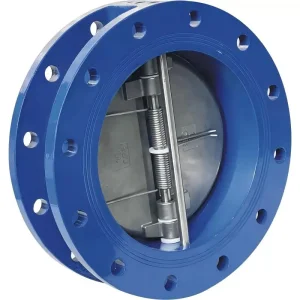
CE Certification Dual Plate Check Valve (Backflow Device)
View Product Specs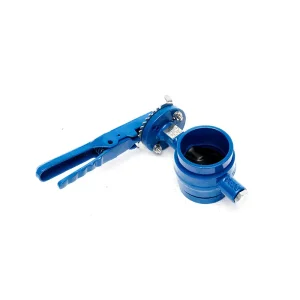
High-Quality Grooved Type Manual/Electric Butterfly Valve
View Product Specs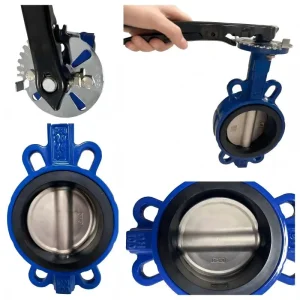
High-Quality WRAS Approved Butterfly Valve 4020L
View Product Specs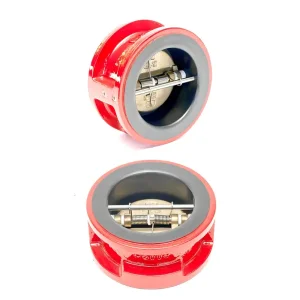
Wholesale Full Rubber Coated Check Valve
View Product SpecsFrequently Asked Questions by Valve Engineers & Buyers
Get authoritative technical answers concerning actuator sizing margins, safety factors, elastomer compatibility, hydro testing standards, and factory direct customization.
What safety margin is recommended when sizing electric actuators for butterfly valves?
We recommend sizing the electric actuator with a minimum safety factor of 1.25 to 1.30 (25% to 30% margin) over wet breakout torque for clean water applications. For viscous fluids, slurries, dry gases, or systems where the valve may remain static for months, a safety factor of 1.40 to 1.50 should be applied to overcome static stiction and elastomeric memory set.
How does in-house rubber seat formulation prevent seat tear during motorized operation?
Through Tianjin Dongfang Rubber Factory (established in 1987), our raw EPDM compounds are formulated with premium carbon black dispersion and vulcanizing polymers. This delivers optimized tensile strength (≥14 MPa) and elongation at break (≥300%), ensuring the elastomer flexes smoothly under disc compression without micro-cracking, tearing, or bonding failure under continuous motorized actuation.
Can you provide factory-mounted and calibrated electric actuation packages?
Yes. We deliver fully assembled, bench-calibrated valve and electric actuator assemblies. Travel limit cams, continuous position feedback potentiometers, 4-20mA smart modulating modules, and torque cut-off switches are preset and verified at our Tianjin plant, so on-site commissioning requires only line bolting and wire landing.
What testing procedures are performed before valves leave the factory?
Every single valve undergoes 100% shell hydrostatic testing at 1.5 times the nominal working pressure (PN10 = 15 bar; PN16 = 24 bar) and bi-directional seat leakage testing at 1.1 times nominal pressure in strict compliance with ISO 5208 (Rate A, zero visible bubbles) and EN 12266-1 standards before shipment packaging.
Which disc materials should be specified for high-salinity seawater intake?
For seawater and marine cooling systems, ductile iron discs should never be used. We recommend either Nickel Aluminum Bronze (ASTM B148 C95800) or Duplex Stainless Steel (UNS S31803 / 2205) paired with a duplex or Monel stem. These alloys offer exceptional resistance against pitting, crevice corrosion, and high-velocity impingement erosion.
How are lead times and production batches managed for large EPC bids?
Because we maintain our own casting foundry, rubber moulding workshop, and large stock of semi-finished valve bodies (DN40 to DN1200), we can deliver large project orders within 20 to 35 business days. Fast-track dispatch via Tianjin Port ensures minimal transit delays to critical global sites.
