
High-Duty Gate Valves for Chilean Industrial Corridors
Direct from our integrated manufacturing foundry: heavy-duty resilient seated gate valves optimized for Chilean copper extraction pipelines, extreme temperature fluctuations in the Atacama Desert, and municipal water grids.
-
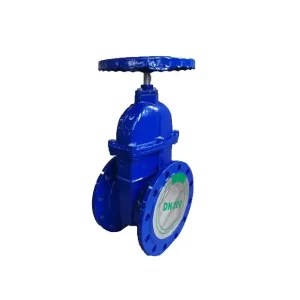
Chile Project DIN Standard Elastic Seat Resilient Gate Valve
View Technical Specs -
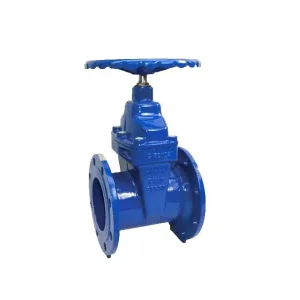
High-Quality Non-Rising Stem Elastic Sealing Gate Valve for Chile
View Technical Specs -
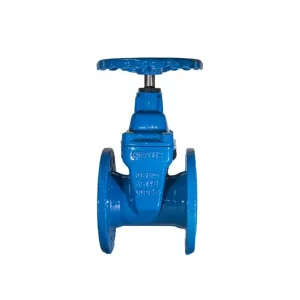
Anti-Abrasion Elastic Seat Gate Valve for Mining Tailings
View Technical Specs -
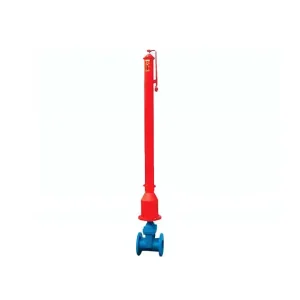
Buried Elastic Seat Gate Valve for Chilean Potable Water Infrastructure
View Technical Specs
Chilean Flow Control Market: Metallurgy, Mining & Water Realities
A comprehensive examination of how geographic topography, hyper-arid mining environments, and severe drought are redefining flow isolation engineering requirements in Latin America's mining heartland.
Copper & Lithium Concentrator Realities
Chile produces over 25% of the world's copper, led by Codelco, Escondida, and Collahuasi. Concentrator circuits, froth flotation plants, and hydrometallurgical leaching processes impose brutal demands on gate valves: high abrasive solid contents (25% to 55% wt), acidic pregnant leach solutions (PLS with pH 1.5 to 2.5), and severe cyclic duty that destroys substandard valve wedges within weeks.
SWRO Desalination & High-Head Pumping
Due to Chile's historic 15-year mega-drought and strict environmental laws prohibiting continental groundwater depletion, operations in Antofagasta and Tarapacá are mandated to use desalinated seawater. This has created an unprecedented surge in multi-stage, high-head impulsion pipelines lifting seawater from 0 to over 3,500 meters above sea level (masl), requiring gate valves with ASME Class 300/600 ratings and duplex stainless steel trims.
Seismic Resilience & NCh Standards
Chile sits entirely within the Pacific Ring of Fire. Fluid transport infrastructure must conform to strict seismic risk categorizations (such as NCh2369 for industrial facilities and NCh2745). Standard cast-iron gate valves are vulnerable to shear failure during seismic accelerations. Our factory manufactures heavy ductile iron (EN-GJS-500-7 / ASTM A536 65-45-12) bodies engineered to withstand bending moments without rupture.
| Operating Parameter | Standard Global Municipal Duty | Chilean High-Altitude Mining Duty | Tianjin Top Valve Engineered Solution |
|---|---|---|---|
| Atmospheric & Altitude | 0 to 500 masl, moderate humidity | 2,400 to 4,800 masl, extreme UV, 10% RH | UV-resistant polyurethane topcoat over FBE; high-viscosity low-temp synthetic lubricants. |
| Fluid Media Composition | Potable water, raw water, neutral pH | Hyper-saline desalinated brine or acidic PLS slurries | Vulcanized EPDM/NBR over 100% encapsulated wedge; Super Duplex 2507 or C95800 trims. |
| Line Pressure Class | PN10 / PN16 (145 – 232 PSI) | PN25 to Class 300 (360 – 740 PSI) + hydraulic surge | Reinforced ribbing ductile body; hydro-tested to 1.5x shell and 1.1x seat rating per EN 12266-1. |
| Coating & Anti-Corrosion | Standard epoxy 150–200 μm | Severe saline marine exposure & sub-soil sulfates | Electrostatic Fusion-Bonded Epoxy (FBE) min. 300 μm per GSK/AWWA C550, zero holiday pores. |
Integrated Foundry & In-House Elastomer Vulcanization
Why 80% of gate valve field failures in Chile trace back to substandard elastomer bonding and casting porosities—and how our vertically integrated Tianjin production ecosystem solves them at source.
1. Independent Group Foundry
Unlike valve assemblers who outsource raw castings to disparate third parties, our group operates its own dedicated iron foundry established in 1996. We execute optical emission spectrometer verification for every ladle melt, ensuring spheroidal graphite nodules in our ductile iron conform rigorously to ISO 1083 (minimum 85% nodularity), eliminating catastrophic brittle rupture under surge loads.
2. Proprietary Rubber Compound Formulation
Through Tianjin Dongfang Rubber Factory (operating since 1987), we compound, extrude, and vulcanize our own elastomer seals in-house. For Chilean applications, we use certified WRAS/NSF drinking water grades and high-resilience abrasion-resistant EPDM/NBR formulations that prevent vulcanization peel-off (tested per ASTM D429 Method B peeling force > 12 N/mm).
3. Zero-Leakage Hydrostatic Validation
Every single gate valve unit destined for international export undergoes 100% hydrostatic shell testing (1.5 x design working pressure) and bi-directional seat closure testing (1.1 x design working pressure) adhering to ISO 5208 Rate A (zero allowable leakage drops). Comprehensive 3.1 material test certificates accompany every batch.
Chilean Pipeline Application Scenarios & Engineering Specs
Direct field scenarios where our gate valves, butterfly valves, and non-slam check valves provide absolute isolation integrity across Chile's northern desert, central valleys, and southern waterways.
1. Atacama High-Altitude Copper Tailings
Installed along tailings thickener discharge lines and cyclone feed circuits. The reinforced wedge profile prevents solids build-up in the valve cavity, eliminating the typical "wedge hanging" failure seen in conventional wedge designs. Withstands daily thermal deltas ranging from -5°C at night to +35°C during high-solar irradiance days.
2. Coastal SWRO Reverse Osmosis Stations
Serving sea intake pipelines and brine reject streams in Antofagasta, Tocopilla, and Caldera. Valve bodies are protected with electrostatically applied 300+ μm holiday-free epoxy. Internal shafts are upgraded to 17-4PH stainless steel or Duplex 2205 to prevent stress corrosion cracking (SCC) under chlorides exceeding 35,000 ppm TDS.
3. Santiago & Valparaíso Potable Grids
Designed for concessionaires such as Aguas Andinas and Esval. Standardized on DIN 3352 F4/F5 and EN 1171 face-to-face dimensions for effortless drop-in replacement. Fully encapsulated non-rising stem (NRS) elastic gate wedges eliminate water contamination, conforming directly to Chilean NCh731 sanitary standards.
Full Turnkey Valve Packages for Chilean EPC Contracts
When contracting for major engineering houses (Bechtel, Fluor, Wood, Ausenco) delivering facilities in Chile, procuring standalone gate valves is rarely sufficient. Our factory supplies comprehensive integrated flow packages:
Chile Industrial Procurement & Valve Engineering Inquiries
Specific answers regarding local standards compliance, metallurgical selections, logistics to Chilean ports, and quality validation.
How do your gate valves comply with Chilean national standards like NCh731 and NCh2369?
Why is in-house rubber vulcanization critical for gate valves operating in the Atacama Desert?
What coating protocols are used to resist aggressive coastal and sub-soil Chilean corrosion?
Can your gate valves be automated with Chilean standard electric actuators (Rotork, AUMA)?
What is the typical shipping lead time and customs transit from Tianjin Port to Chile?
How do you support local distributors and EPC contractors with custom engineering?
Complete Industrial Pipeline Valve Solutions for Chile
In addition to standard gate valves, our factory manufactures high-reliability check valves, rising stem fire valves, and butterfly valves meeting rigorous Chilean EPC engineering specifications.
-
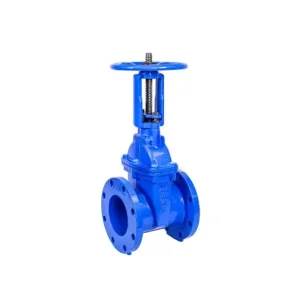
Rising Stem Resilient Seat Gate Valve for Chilean Industrial Facilities
View Technical Specs -
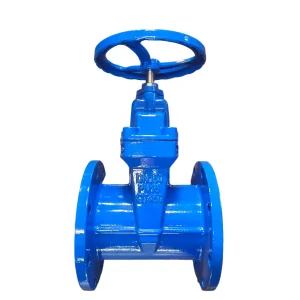
Heavy-Duty Gate Valve for Reliable Mining Flow Control
View Technical Specs -
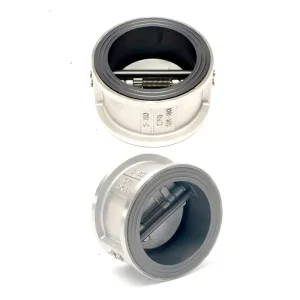
CE Compact Wafer Lift Check Valve with Low Pressure Drop
View Technical Specs -
Non-Rising Stem Elastic Sealing Gate Valve for Potable Grids
View Technical Specs -
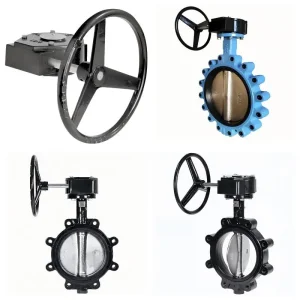
WRAS Approved Lug Type Butterfly Valve 4325G for Water Supply
View Technical Specs -
CE Certified German Standard Elastic Seat Gate Valve for Chile
View Technical Specs -
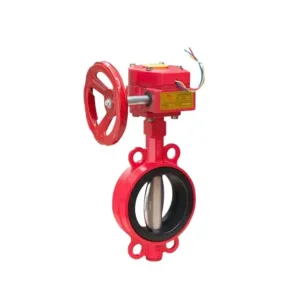
Fire-Fighting Wafer Signal Butterfly Valve for Mining Facilities
View Technical Specs -
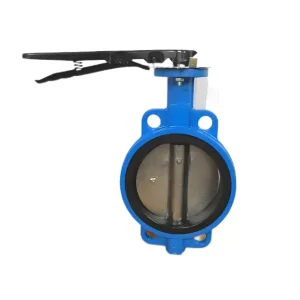
Low-Pressure Wafer Type Butterfly Valve for Industrial Utilities
View Technical Specs
Procure Directly from China's Integrated Valve Foundry
Eliminate intermediary trading markups. Partner directly with an established industrial manufacturer holding in-house iron casting, rubber compounding, and ISO 9001 quality controls tailored for the Chilean market.
